
Skip to content
Start My 3 Free Days $0 today · cancel anytime

Kindergarten Genres Resources

4 kindergarten genres resources: 2 activities, 1 worksheet, 1 graphic organizer and more. How teachers use these

Kindergarten Genres Resources

4 kindergarten genres resources: 2 activities, 1 worksheet, 1 graphic organizer and more. How teachers use these

Activity
ActivityKindergartenTypes of Text Activity

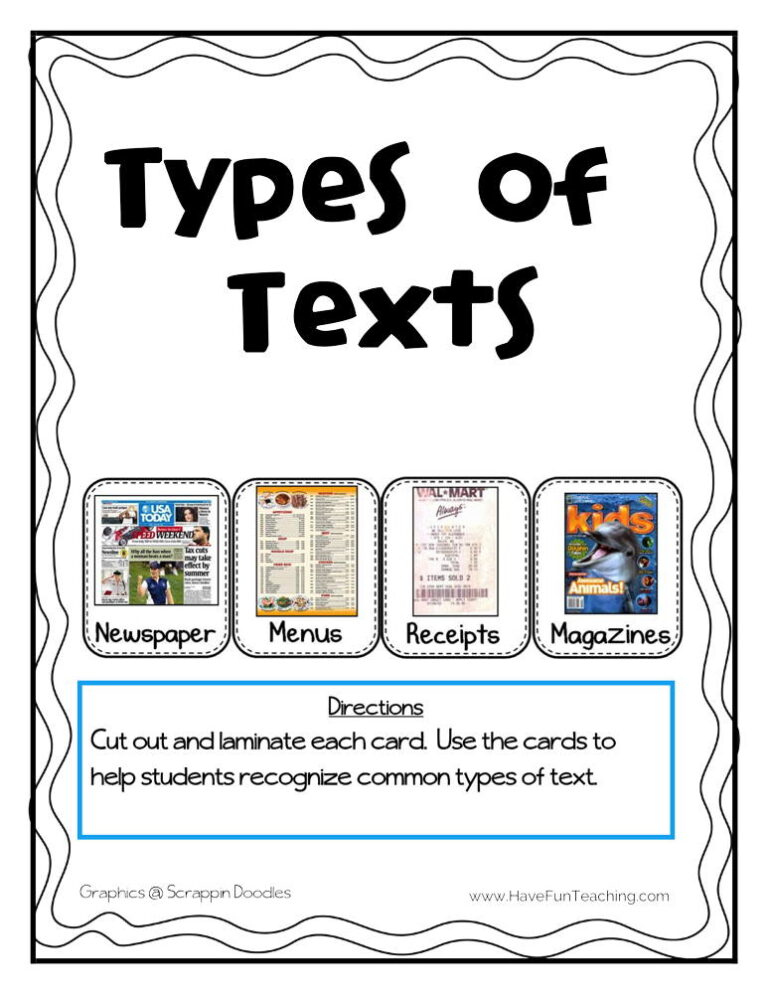
This types of text activity lets Kindergarten and 1st Grade students match clue cards to picture cards of everyday texts. Answer key included, so kids learn why we read each text.

Worksheet
WorksheetKindergartenDifferent Types of Text Graphic Organizer Worksheet

This different types of text graphic organizer worksheet invites kindergarten readers to find and draw books, magazines, and newspapers from a classroom collection, building early genre awareness through a fun hands-on hunt.

Activity
ActivityKindergartenFairy Tales and Fables Puzzle

Preschool to 1st grade children cut out and rebuild a 15-piece Tortoise and the Hare picture in this fairy tales and fables puzzle activity, building problem solving and scissor skills.

Common Core Lesson
Common Core LessonKindergartenRL.K.5 Kindergarten Common Core Lesson

Using RL.K.5 Kindergarten Common Core Lesson, students recognize common types of texts (e.g., storybooks, poems).

From our teachers' playbook

Storybooks, fact books and poems!

What do kindergartners learn about genres?

Kindergartners learn that books come in different kinds, called genres. They start with the big ones: storybooks that tell made-up tales, informational books that teach real facts, and poems that use rhythm and rhyme. Many classes also meet fairy tales and fables, with their talking animals and happy endings. Kids learn to look at a cover and pictures and guess which kind of book it is. The best moment is when a kindergartner holds up a book about sharks and says, "This one is real facts!"

Our favorite ways to teach genres

Little readers learn genres by comparing real books. These moves help them notice what makes each kind special.

Compare two books

Hold up a storybook and an informational book on the same topic, like a story about a bear and a book of bear facts. Read a page from each and ask, "How are these different?" Comparing side by side makes the difference clear.

Why it works: handing over the work step by step, from teacher to student, is one of the most widely used teaching frameworks (Pearson and Gallagher, 1983).

RL.K.5 Kindergarten Common Core LessonTry it withRL.K.5 Kindergarten Common Core LessonCommon Core LessonsOpen it →

Sort the books

Pull a pile of classroom books and let kids sort them into stories, fact books and poems. Ask them to point to clues on the cover. Real books make the sort meaningful.

Why it works: kids understand an idea best when they touch it, then draw it, then write it, the order the U.S. Department of Education recommends for elementary math.

Types of Text ActivityTry it withTypes of Text ActivityActivitiesOpen it →

Questions parents and teachers ask

What genres do kindergartners learn?

Kindergartners usually learn storybooks, informational books and poems. Many also hear fairy tales and fables during read-alouds.

How do I teach genres to kindergartners?

Compare real books side by side and talk about what is different. Sort books into groups and point out clues like photographs in fact books and rhymes in poems.

What is the difference between fiction and nonfiction for kindergarten?

Fiction tells a made-up story. Nonfiction gives real facts. A story about a talking dog is fiction, and a book about how dogs grow is nonfiction.

How can I help my child learn genres at home?

Read different kinds of books together and ask, "Is this real or pretend?" Visit the library and let your child pick one story and one fact book each time.



