
Skip to content
Start My 3 Free Days $0 today · cancel anytime

Kindergarten Matter Resources

2 kindergarten matter resources: 2 activities. How teachers use these

Kindergarten Matter Resources

2 kindergarten matter resources: 2 activities. How teachers use these

Activity
ActivityKindergartenHot and Cold Activity

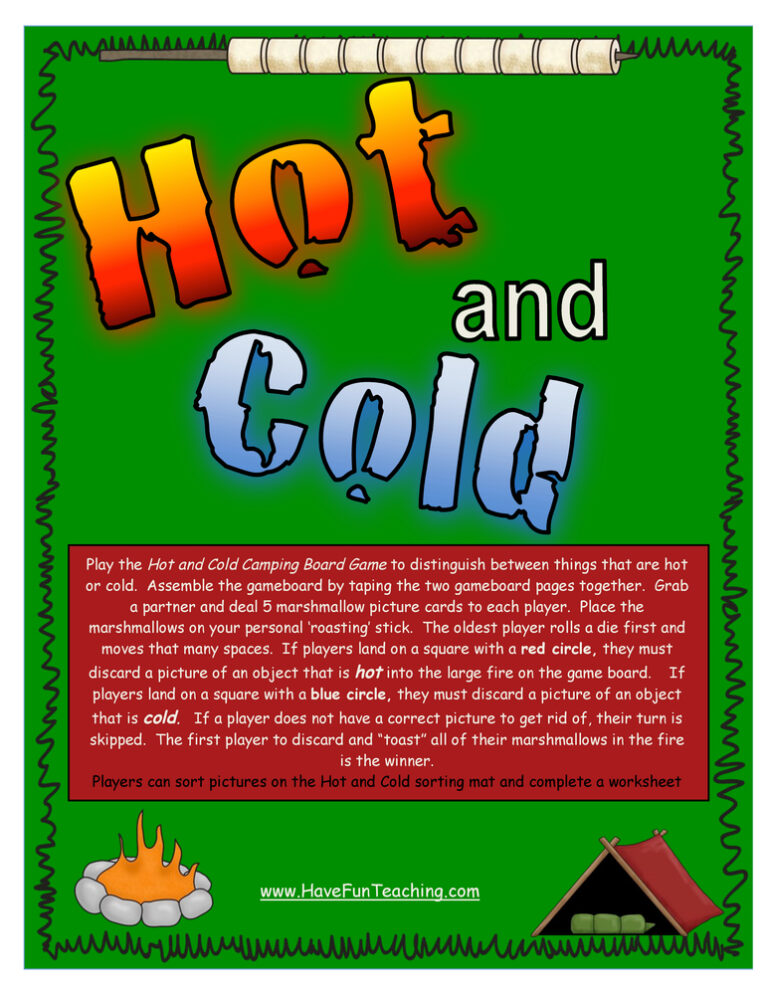
This hot and cold activity lets children sort 12 picture cards onto a Hot and Cold mat to learn about temperature. For kindergarten to 2nd grade, answer key included.

Activity
ActivityKindergartenStates of Things States of Matter Activity

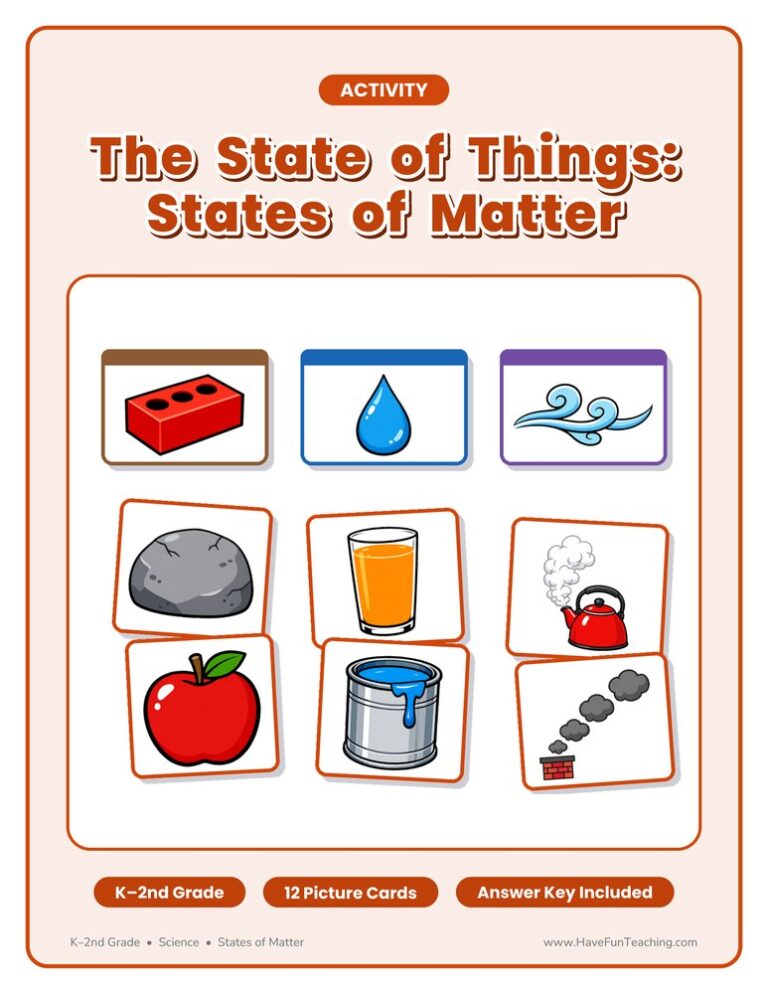
This states of things states of matter activity has Kindergarten to 2nd Grade students sort 12 picture cards under Solid, Liquid, and Gas headings, with a sorting chart, practice page and answer key included.

From our teachers' playbook

Solids, liquids and a whole lot of wonder

What do kindergartners learn about matter?

Kindergartners learn that everything around them is made of matter, and that matter comes in different forms. Solids keep their shape (a block), liquids pour and take the shape of their container (juice), and gases spread out to fill a space (the air in a balloon). They also notice that heating and cooling can change things: ice melts into water, and water can freeze back into ice. The click moment is watching an ice cube melt on a sunny windowsill.

Our favorite ways to explore matter

Little scientists learn matter best by touching, pouring and watching things change.

Sort the classroom

Give kids a tray of everyday items: a rock, a cup of water, a crayon, a balloon. They sort each one into solid, liquid or gas and say why. "It keeps its shape, so it's a solid!" is the sentence frame we want.

Why it works: the U.S. Department of Education's guide for teaching elementary math recommends moving from hands-on objects to drawings to numbers.
States of Things States of Matter ActivityTry it withStates of Things States of Matter ActivityActivitiesOpen it →

Hot or cold?

Show pictures of soup, snow, a campfire and a popsicle, and kids decide which is hot and which is cold. Then talk about what happens when something hot cools off or something cold warms up. It is a gentle first step into how matter changes.

Why it works: in a well-known study, a few short sessions of a simple number board game measurably boosted young children's number skills (Ramani and Siegler, 2008).

Hot and Cold ActivityTry it withHot and Cold ActivityActivitiesOpen it →

Draw the melt

Put an ice cube on a plate and have kids draw it every ten minutes. By the end, their drawings show a full story of melting. Ask: "Where did the ice go?" and listen to the great theories.

Why it works: children learn more from words and pictures together than from words alone (Mayer, 2009).

What's on this page

Teacher favorites right now: Hot and Cold Activity and States of Things States of Matter Activity.

Questions teachers and parents ask

What is matter for kindergarten?

Matter is anything that takes up space. In kindergarten, kids learn the three main kinds: solids, liquids and gases. A rock, water and the air in a balloon are all matter.

How do I explain solids, liquids and gases to a 5-year-old?

A solid keeps its shape, a liquid pours and takes the shape of its container, and a gas spreads out to fill a space. Showing a block, a cup of water and a blown-up balloon makes it clear.

What is an easy matter experiment for kindergarten?

Melt an ice cube. Kids watch a solid turn into a liquid, and you can freeze the water again to change it back. It is simple, cheap and memorable.

Is air really matter?

Yes! Air is a gas, and it takes up space. Blow up a balloon to show it, then let the air out and watch the balloon shrink.



