Skip to content
Start My 3 Free Days $0 today · cancel anytime

Kindergarten Sorting Resources

51 kindergarten sorting resources: 39 activities, 7 worksheets, 4 Common Core Lessons and more. How teachers use these

Kindergarten Sorting Resources

51 kindergarten sorting resources: 39 activities, 7 worksheets, 4 Common Core Lessons and more. How teachers use these

Worksheet
WorksheetKindergartenGrouping into Categories Worksheet

This Grouping into Categories Worksheet asks kindergarten students to sort eight pictures into fruit, animals, plants, and shapes by writing each one's category number. Includes an answer key for fast, no-prep classification practice.

Worksheet
WorksheetKindergartenSorting Objects Worksheet

This Sorting Objects Worksheet has kindergarten students sort twelve pictures into animals, plants, vehicles, and people, then count each group. Includes an answer key — a no-prep way to build classification and early counting skills.

Activity
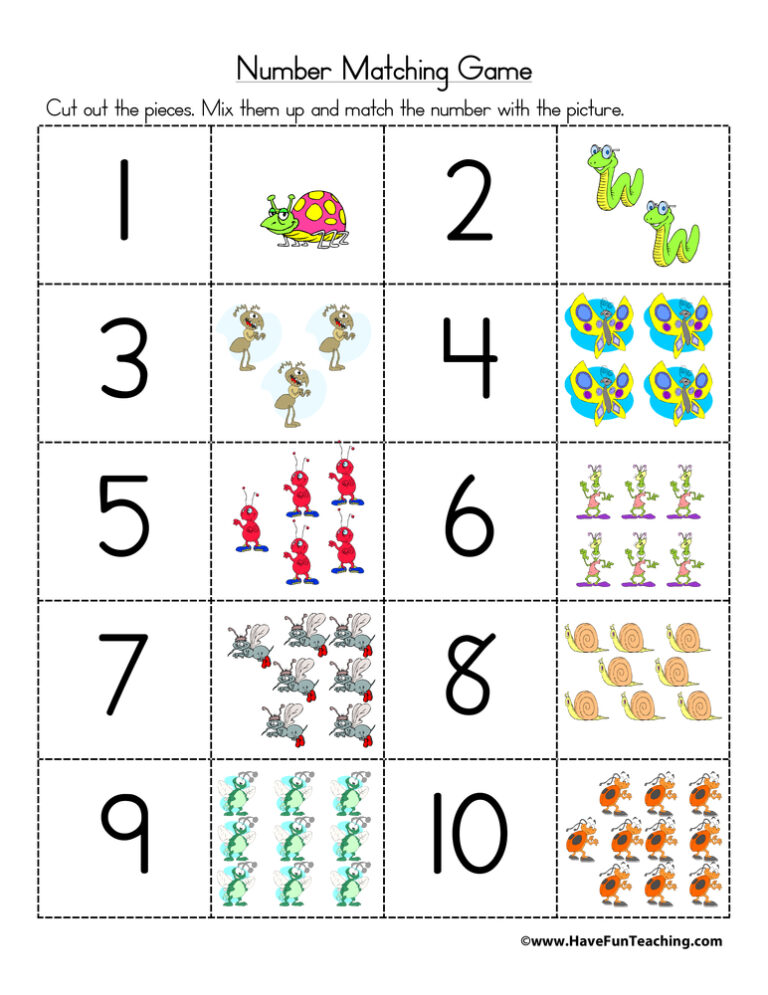
ActivityKindergartenNumber Matching Puzzle Activity

This number matching puzzle activity has preschool, kindergarten, and 1st grade children count ten-frame pictures and match them to numbers 1 to 10. An answer key is included for quick checking.

Worksheet
WorksheetKindergartenSort Classify and Count Worksheet

This Sort Classify and Count Worksheet asks kindergartners to sort twelve mixed shapes, count each kind, and answer three questions about which has the most and fewest. Answer key included.

Activity
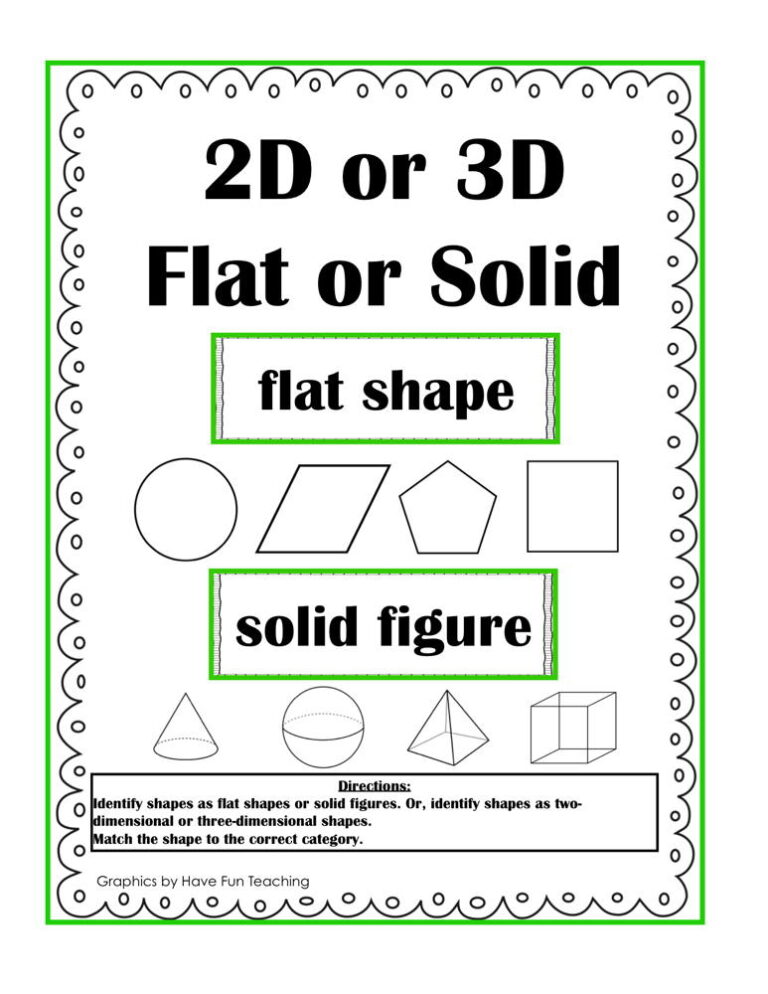
ActivityKindergarten2D 3D Flat Shapes Solid Figures Activity

Children sort shape cards into flat shapes and solid figures in this 2d 3d flat shapes solid figures activity for kindergarten to 2nd grade, with a practice page and answer key included.

Activity
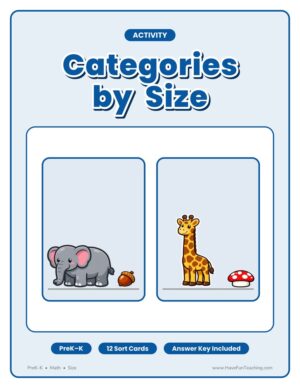
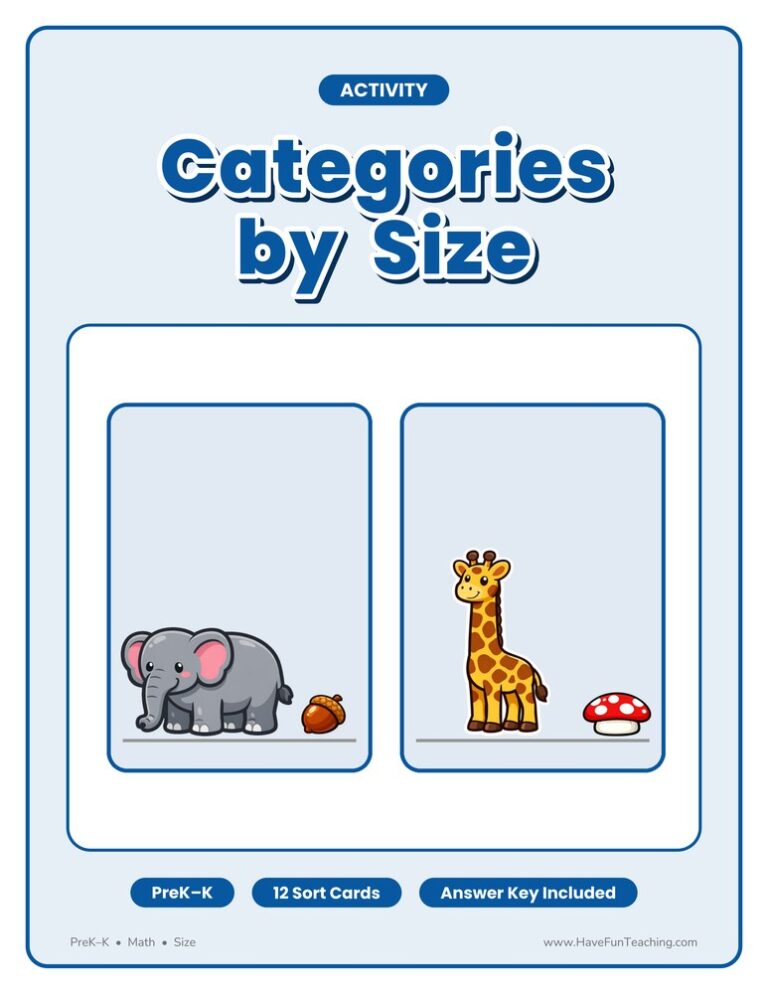
ActivityKindergartenSize Activity

This size activity has Preschool to Kindergarten children sort picture cards into big or small and tall or short on two sorting mats. Answer key included, plus a practice page.

Activity
ActivityKindergartenShort Vowel A Word Sort Activity

This short vowel a word sort activity gives kindergarten and 1st grade readers 24 word cards to sort into the at, an, ap and ag families, plus a sort mat and practice page. Answer key included.

Workbook
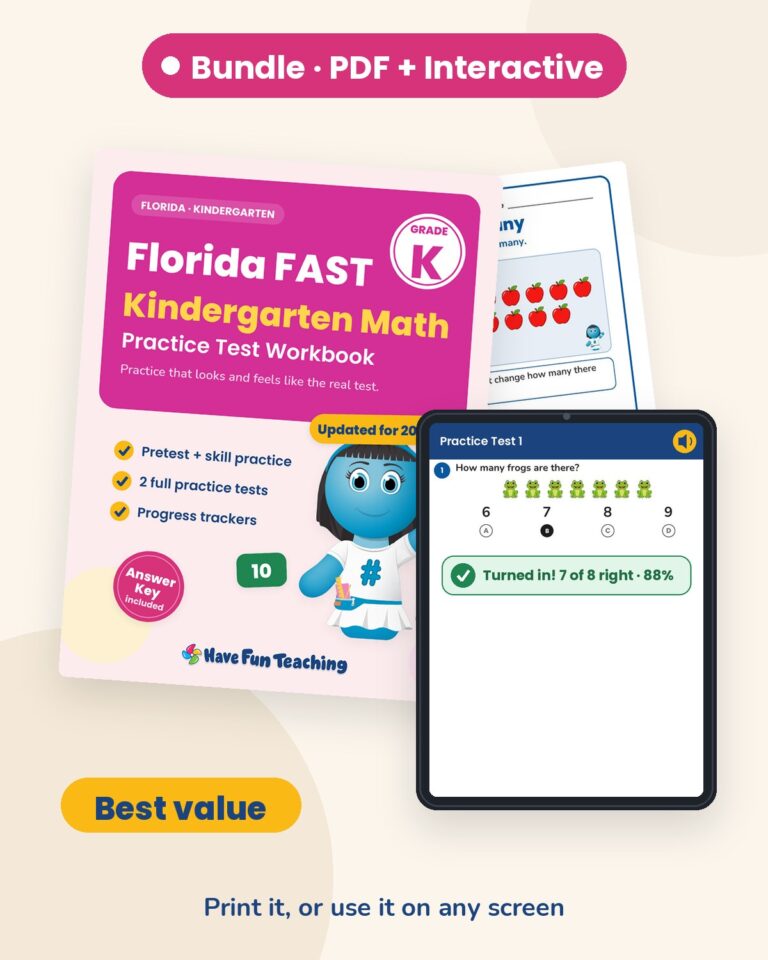
WorkbookKindergartenFlorida FAST Kindergarten Math Practice Test Workbook

A Florida FAST Kindergarten math practice test workbook for teachers, with a pretest, skill practice for all 22 benchmarks, mixed review and 2 full-length practice tests. Answer key included, so test prep is ready to go.

Activity
ActivityKindergartenNumber Matching Activity

This number matching activity helps preschool to 1st grade children count ten-frame pictures and match them to the numbers 1 to 10. A practice page and answer key are included.

Activity
ActivityKindergartenCool Cat Sentences Activity

This cool cat sentences activity has K-2nd Grade children sort telling, asking and exciting sentence cards by their end marks. Answer key included, so practicing punctuation feels like a game.

Activity
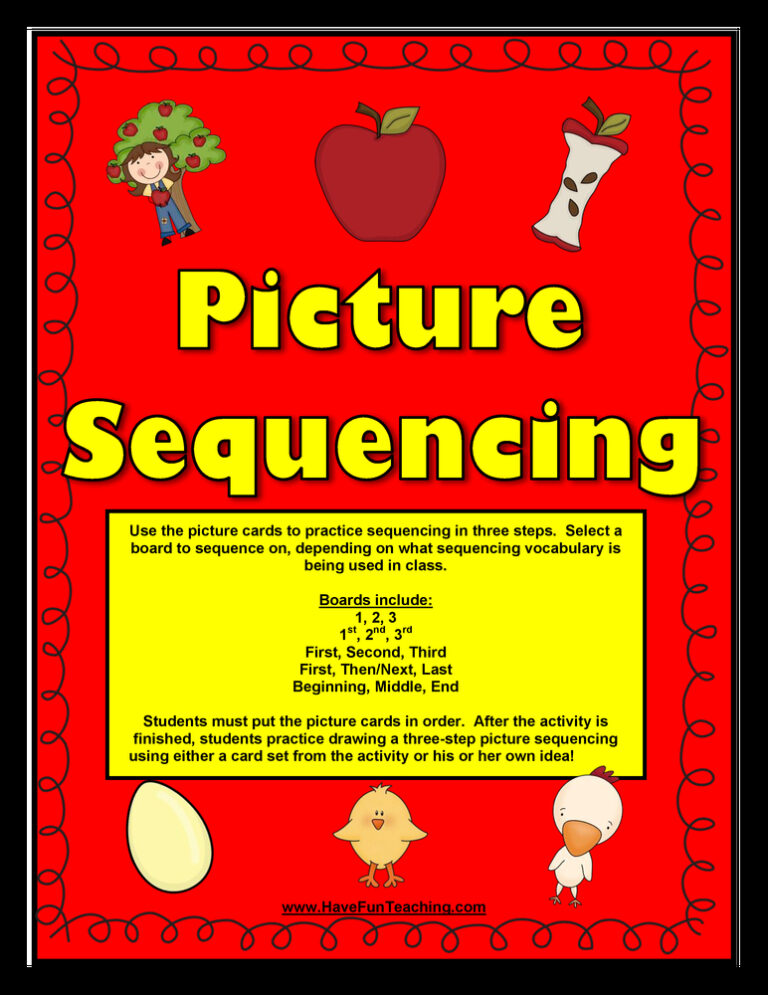
ActivityKindergartenPicture Sequencing Activity

In this picture sequencing activity, Kindergarten to 2nd Grade children put five color sets of cards in order on a First, Next, Last board. Answer key included.

Worksheet
WorksheetKindergartenClassify Count and Sort By Color Worksheet

This Classify Count and Sort By Color Worksheet asks Kindergarten students to sort six colorful pictures into green, red, and yellow boxes, then count each group. An answer key is included, so checking work takes seconds.

Activity
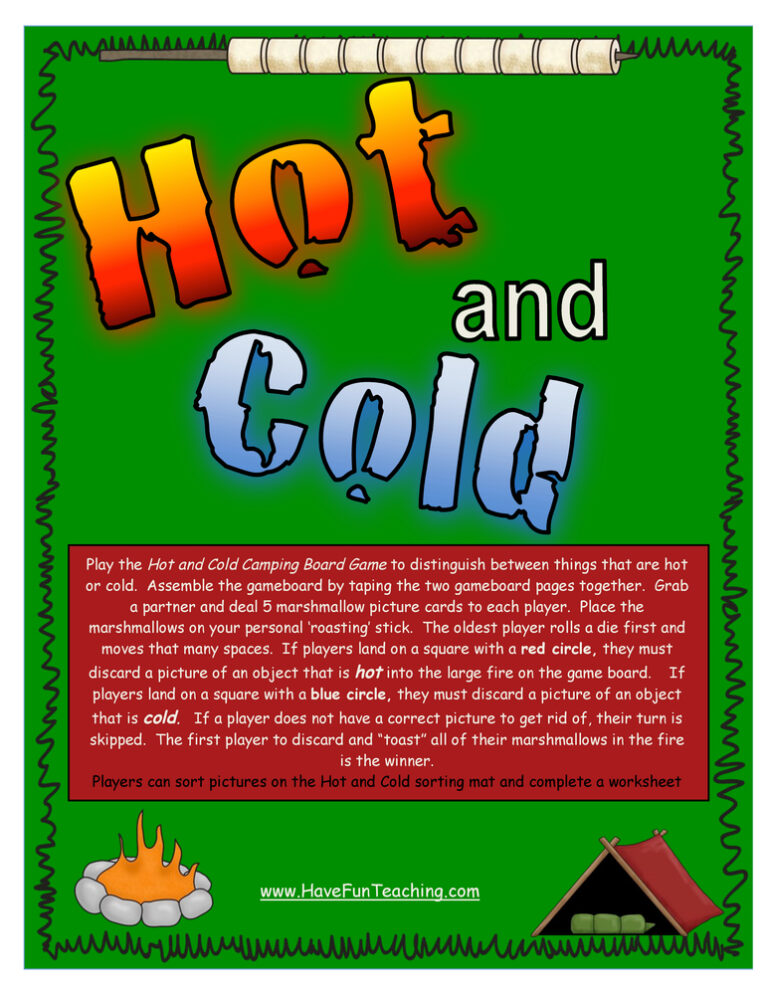
ActivityKindergartenHot and Cold Activity

This hot and cold activity lets children sort 12 picture cards onto a Hot and Cold mat to learn about temperature. For kindergarten to 2nd grade, answer key included.

Worksheet
WorksheetKindergartenMatching Words that Go Together Worksheet

This matching words that go together worksheet gives Kindergarten students five picture-and-word pairs to connect, building early classification and vocabulary skills. An answer key is included, so checking takes seconds.

Activity
ActivityKindergartenGuess Who Matching Game Activity

UsingGuess Who Matching Game Activity, students take turns asking questions to figure out their partner's mystery person.

Activity
ActivityKindergartenShort Vowel E Word Sort Activity

This short vowel e word sort activity gives kindergarten and 1st grade readers 24 word cards to sort into the et, ed, ell and est families, plus two sort mats and a practice page. Answer key included.

Activity
ActivityKindergartenAuthors Purpose Matching Activity

This authors purpose matching activity has K-2nd Grade readers match picture book cards to inform, entertain and persuade cards, with a recording sheet and practice page. Answer key included, so learning why authors write feels like a game.

Activity
ActivityKindergartenCounting and Sorting Pictures Activity

This counting and sorting pictures activity lets PreK to 1st grade children sort picture cards into groups, count each group and graph the results. Answer key included.

Activity
ActivityKindergartenAuthors Purpose Picture Sorting Activity

In this authors purpose picture sorting activity, K to 2nd Grade children sort 12 picture cards into inform, entertain, and persuade, with a sort mat, practice page and answer key included.

From our teachers' playbook

Buttons, bears and big decisions

What do kindergartners learn about sorting?

Kindergartners learn to put objects into groups by one attribute: color, shape, size or kind. Then they count each group and compare: "We have 6 red bears and 4 blue bears, so there are more red!" A big step is explaining the sorting rule out loud, and then sorting the same pile a brand new way. That flexible thinking is the root of data, patterns and early classification in science.

Our favorite ways to teach sorting

Sorting is a hands-first skill. Start with real stuff, then move to pictures and paper.

Sort the real stuff first

Dump a tub of buttons, blocks or pom-poms on the rug. Kids sort into paper plates any way they like, then a partner guesses the rule. "Big and little!" Only after lots of hands-on sorting do we move to cut-and-glue color sorts.

Why it works: going from real objects to pictures to symbols is a core recommendation of the U.S. Department of Education's elementary math guide.

Classify Count and Sort By Color WorksheetTry it withClassify Count and Sort By Color WorksheetWorksheetsOpen it →

Think aloud the rule

Model your own sort and say every decision out loud: "This one is round, so it goes here." Then make a mistake on purpose and let kids catch it. Hearing the rule makes it easier for them to name their own.

Why it works: showing first, practicing together, then letting kids try alone is the "gradual release" model teachers have relied on for decades (Pearson and Gallagher, 1983).

Sorting Objects WorksheetTry it withSorting Objects WorksheetWorksheetsOpen it →

Sort, then count

Once kids can sort, add a counting step each time: sort, count each group, circle the biggest group. A few minutes a day across two weeks connects sorting to counting and comparing numbers.

Why it works: short practice spread over several days beats one long session, according to a large review of learning research (Dunlosky and colleagues, 2013).

Sort Classify and Count WorksheetTry it withSort Classify and Count WorksheetWorksheetsOpen it →

Questions parents and teachers ask

What is sorting in kindergarten math?

Sorting is putting objects into groups that share an attribute, like color, shape or size. Kindergartners also count the groups and tell which has more or fewer.

How do I teach sorting to a 5-year-old?

Start with real objects like socks, toys or snacks, and sort by one thing at a time. Ask "What's your rule?" and then challenge them to sort the same things a different way.

What's the difference between sorting and classifying?

They're close cousins. Sorting is the action of grouping; classifying means naming the categories and explaining why things belong. Kindergarten builds both at once.

Why is sorting important in kindergarten?

It builds the thinking behind patterns, graphing and comparing numbers. Kids who can describe a sorting rule are practicing the same reasoning they'll use in science and data later.