
Skip to content
Start My 3 Free Days $0 today · cancel anytime

Preschool Size Resources

2 preschool size resources: 2 activities. How teachers use these

Preschool Size Resources

2 preschool size resources: 2 activities. How teachers use these

Activity
ActivityPreschoolTriangle Cut Outs

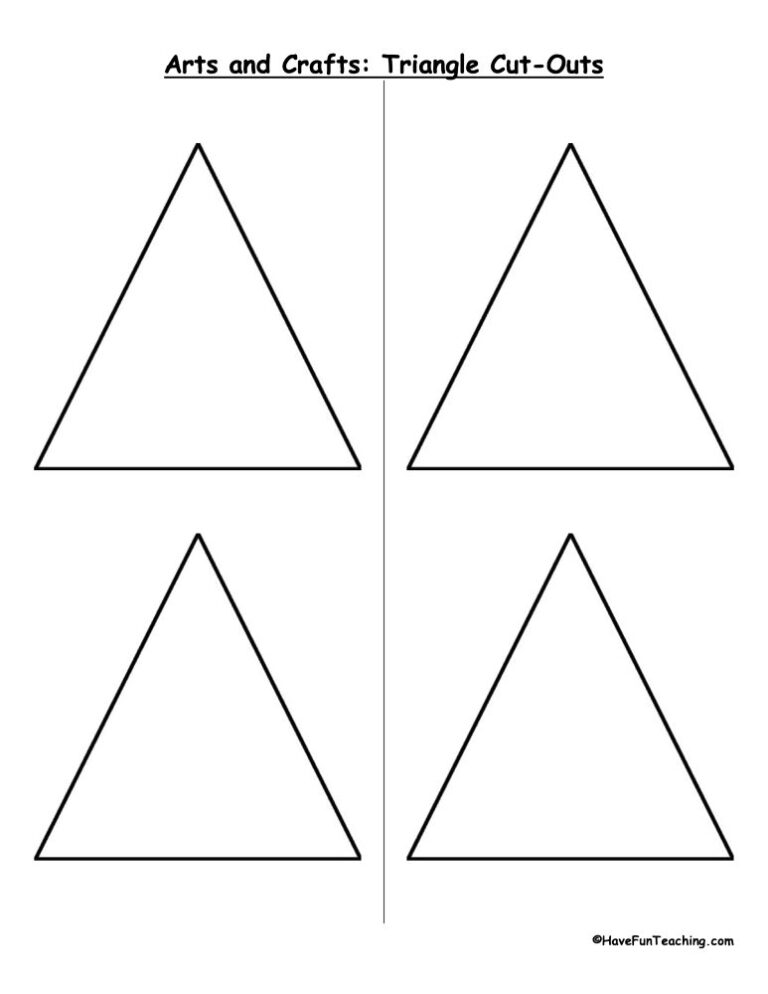
This triangle cut outs activity has children sort 12 shape cards and cut out big triangles. Made for Preschool to 2nd Grade, with an answer key included for quick checking.

Activity
ActivityPreschoolSize Activity

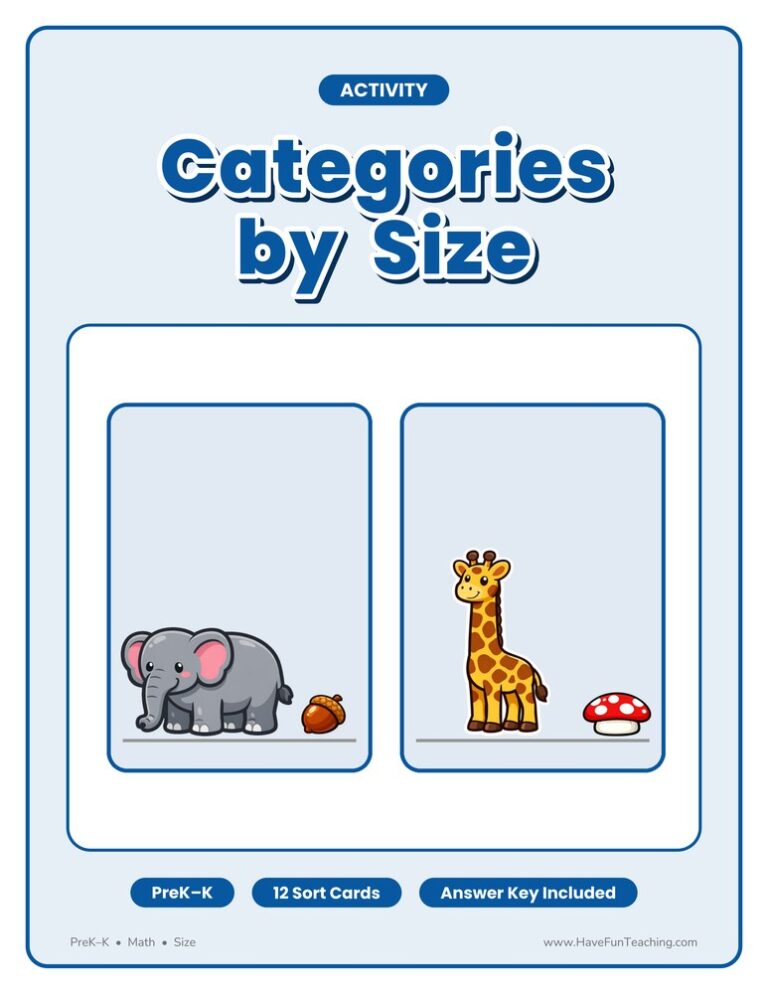
This size activity has Preschool to Kindergarten children sort picture cards into big or small and tall or short on two sorting mats. Answer key included, plus a practice page.

From our teachers' playbook

Big, bigger, biggest... and tiny too!

What do preschoolers learn about size?

Size is one of the very first math ideas little ones can see and touch. Preschoolers learn to compare two things and use the words big and small, long and short, tall and short. Then they stretch to three: small, medium, large. They start lining up objects from smallest to biggest, which is their first taste of ordering and measuring. The magic moment is when a child holds two blocks side by side and says, "This one is bigger!" all on their own.

Our favorite ways to teach size to little learners

Preschoolers learn size with their hands and their whole bodies. These are the moves we use again and again.

Touch it, line it up, say it

Hand out three cut-out shapes in different sizes and ask kids to line them up from smallest to biggest. Then they point and say the words out loud: "small, medium, large!" Touching first, talking second is what makes the words stick.

Why it works: going from real objects to pictures to symbols is a core recommendation of the U.S. Department of Education's elementary math guide.

Triangle Cut OutsTry it withTriangle Cut OutsActivitiesOpen it →
Size talk every single day

Sprinkle size words all through the day. At snack: "Who has the longer cracker?" At cleanup: "Find the biggest block!" Two minutes here and there beats one long size lesson.

Why it works: short practice spread over several days beats one long session, according to a large review of learning research (Dunlosky and colleagues, 2013).

Size ActivityTry it withSize ActivityActivitiesOpen it →

Quick "which is bigger?" checks

Hold up two things from around the room and ask, "Which one is bigger?" Kids point or hop toward the answer. These tiny checks show you who has it and who needs one more round.

Why it works: pulling an answer out of memory makes it stick far better than rereading it, one of the strongest findings in learning research (Dunlosky and colleagues, 2013).

What's on this page

Teacher favorites right now: Triangle Cut Outs and Size Activity.

Questions parents and teachers ask about size

What size concepts should preschoolers know?

Preschoolers should compare two objects using words like big and small, long and short, and tall and short. Many 4-year-olds can also order three objects by size. Those words are the first steps toward measurement in kindergarten.

How do I teach big and small to a 3-year-old?

Start with real objects that are very different in size, like a big ball and a tiny ball. Name them as you hand them over. Once that is easy, use things that are closer in size so kids have to look carefully.

What is seriation in preschool?

Seriation means putting things in order, like smallest to biggest. It is a big thinking skill for little kids. Start with three objects, then try four or five once three feels easy.

How can I practice size at home?

Use what is already in your kitchen. Ask your child to line up spoons, cups or shoes from small to big. Talk about it at bath time and bedtime too, and it becomes part of the day.



