
Skip to content
Start My 3 Free Days $0 today · cancel anytime

Preschool Compare and Contrast Resources

6 preschool compare and contrast resources: 5 activities and 1 worksheet. How teachers use these

Preschool Compare and Contrast Resources

6 preschool compare and contrast resources: 5 activities and 1 worksheet. How teachers use these

Activity
ActivityPreschoolSize Activity

Using this Size Activity, students play Categories to practice identifying the sizes tall, short, big and small.

Worksheet
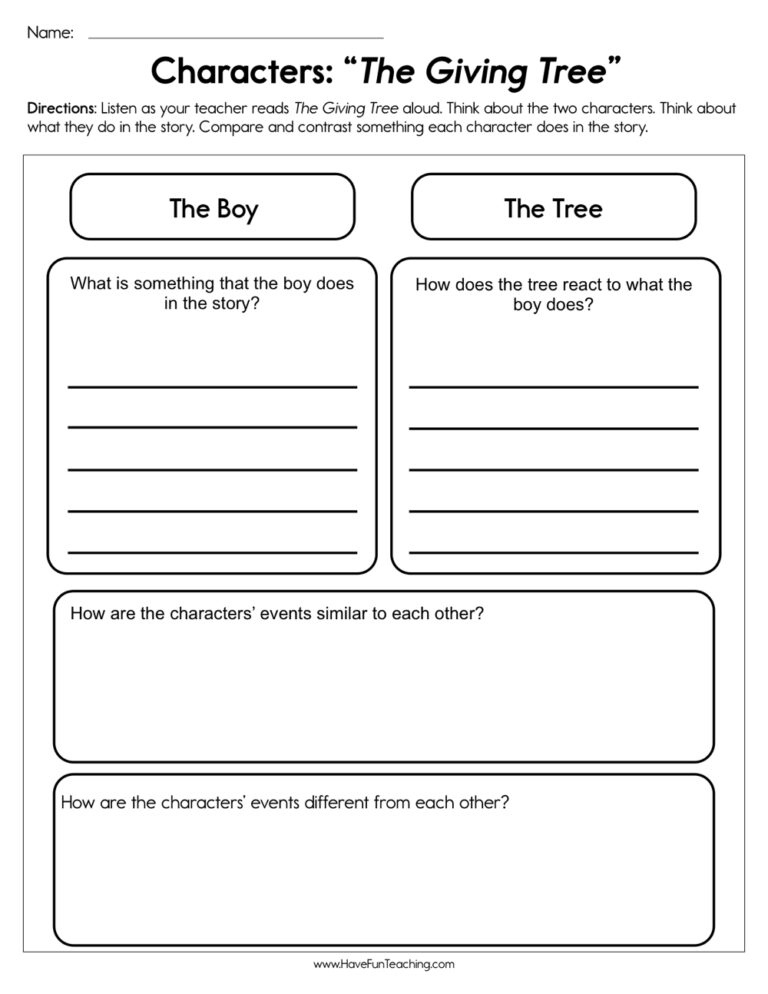
WorksheetPreschoolCharacters The Giving Tree Worksheet

Using Characters, Settings, and Big Events Worksheet, students draw pictures and write a sentence for each to tell about the story elements in a book.

Activity
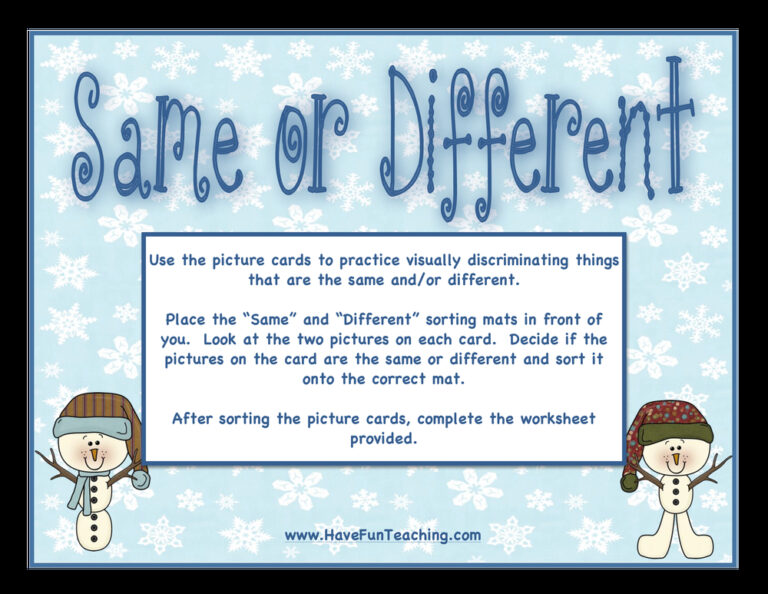
ActivityPreschoolSame or Different Activity

Using Same or Different Activity, students usethe picture cards to practice visually discriminating things that are the same and/or different.

Activity
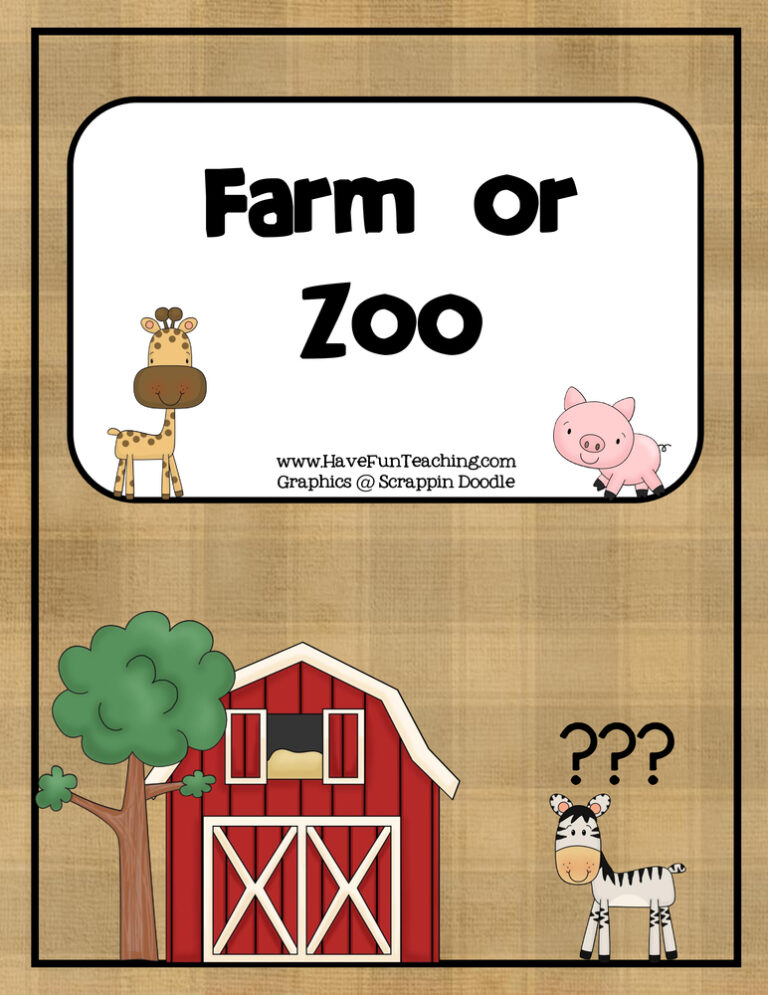
ActivityPreschoolFarm or Zoo Matching Activity

This farm or zoo matching activity has PreK-1st Grade children sort 12 animal picture cards onto a farm and zoo mat, with a practice worksheet and answer key included for easy checking.

Activity
ActivityPreschoolMaking Connections Between Stories Activity

This making connections between stories activity gives PreK-1st grade students spinner-picked question cards for text-to-self, text-to-text, and text-to-world talk after any read-aloud.

Activity
ActivityPreschoolStocking Sort Classifying Activity

Using thisStocking Sort Classifying Activity, studentscomplete the Stocking Sort activity to practice classifying and grouping objects.

From our teachers' playbook

Same? Different? Let's look!

What do preschoolers learn about compare and contrast?

For preschoolers, compare and contrast starts with two magic words: same and different. Kids look at two things, like a cat and a dog, and notice what matches (both have fur and four legs) and what doesn't (one barks, one meows). They sort by size, color and where things belong, and they start comparing characters in stories. The click moment is when a child says, "This one is big, but that one is little!" all on their own.

Our favorite ways to teach compare and contrast

Little ones compare things all day long. These moves give that natural curiosity some words.

Same or different game

Hold up two objects, like a crayon and a marker. Ask "How are they the same? How are they different?" and model the sentence: "They are both for coloring, but the marker is wet." Then let kids try it with partners and new pairs.

Why it works: in a well-known study, a few short sessions of a simple number board game measurably boosted young children's number skills (Ramani and Siegler, 2008).

Same or Different ActivityTry it withSame or Different ActivityActivitiesOpen it →

Big, bigger, biggest

Kids line up pictures or toys from smallest to biggest, then compare two neighbors: "The bear is bigger than the mouse." Ordering by size gives them a simple, visible way to compare.

Why it works: the U.S. Department of Education's guide for teaching elementary math recommends moving from hands-on objects to drawings to numbers.

Size ActivityTry it withSize ActivityActivitiesOpen it →

Where does it live?

Sort animal pictures into a farm group and a zoo group. Then pick one from each and ask what they share. A cow and a giraffe both have spots! Sorting first makes comparing easier.

Why it works: children learn more from words and pictures together than from words alone (Mayer, 2009).

Farm or Zoo Matching ActivityTry it withFarm or Zoo Matching ActivityActivitiesOpen it →

Questions parents and teachers ask

Can preschoolers learn to compare and contrast?

Yes! Preschoolers compare all the time when they notice big and small or same and different. Giving them simple words and sentence frames turns that noticing into a real thinking skill.

How do I teach same and different to a 3-year-old?

Start with two things that are almost the same, like two red blocks, and one that's different. Ask "Which one doesn't match?" Keep it hands on and quick.

What are easy compare and contrast activities at home?

Compare two fruits at snack time: color, shape, taste, peel or no peel. Compare two family members' shoes. Everyday objects make the best practice.

When do kids use Venn diagrams?

Most kids start Venn diagrams in kindergarten or first grade. Preschoolers do better with two hula hoops on the floor and real objects to sort inside them.



