
Skip to content
Start My 3 Free Days $0 today · cancel anytime

Preschool Independent and Guided Reading Resources

6 preschool independent and guided reading resources: 3 worksheets, 3 activities and 2 assessments. How teachers use these

Preschool Independent and Guided Reading Resources

6 preschool independent and guided reading resources: 3 worksheets, 3 activities and 2 assessments. How teachers use these

Assessment
AssessmentPreschoolChrysanthemum Worksheet

Using Chrysanthemum Worksheet, students read Chrysanthemum and describe what she says and does when her school friends make fun of her adored name.

Activity
ActivityPreschoolFinger Spaces Sorting Activity

This finger spaces sorting activity helps preschool to 1st grade children see that words in a sentence are separated by spaces. Answer key included for quick checking.

Worksheet
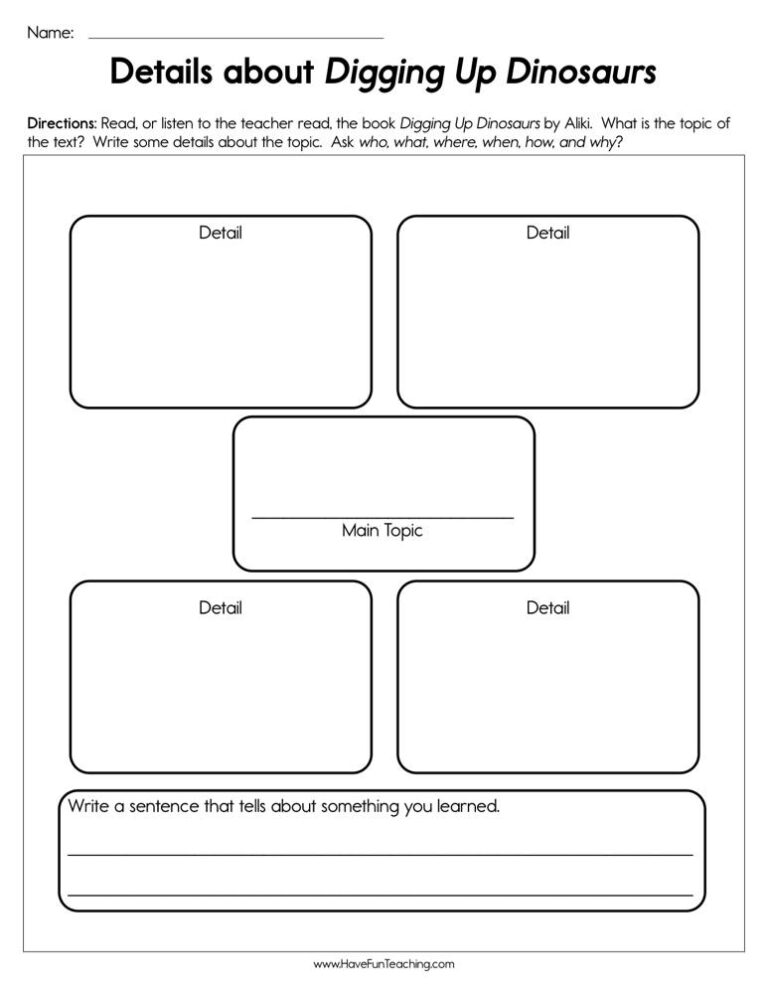
WorksheetPreschoolDetails about Digging Up Dinosaurs Worksheet

This Details about Digging Up Dinosaurs Worksheet helps students identify the main idea and key details while reading a passage about dinosaurs.

Activity
ActivityPreschoolI Like Colors Flip Book Activity

Using I Like Colors Flip Book Activity, students read the emergent reader with purpose and understanding to improve fluency and accuracy.

Activity
ActivityPreschoolLet's Read Emergent Readers Activity

This Let's Read emergent readers activity is a cut-and-tape mini book for PreK to 1st grade that builds sight word fluency. Answer key included for the practice page.

Assessment
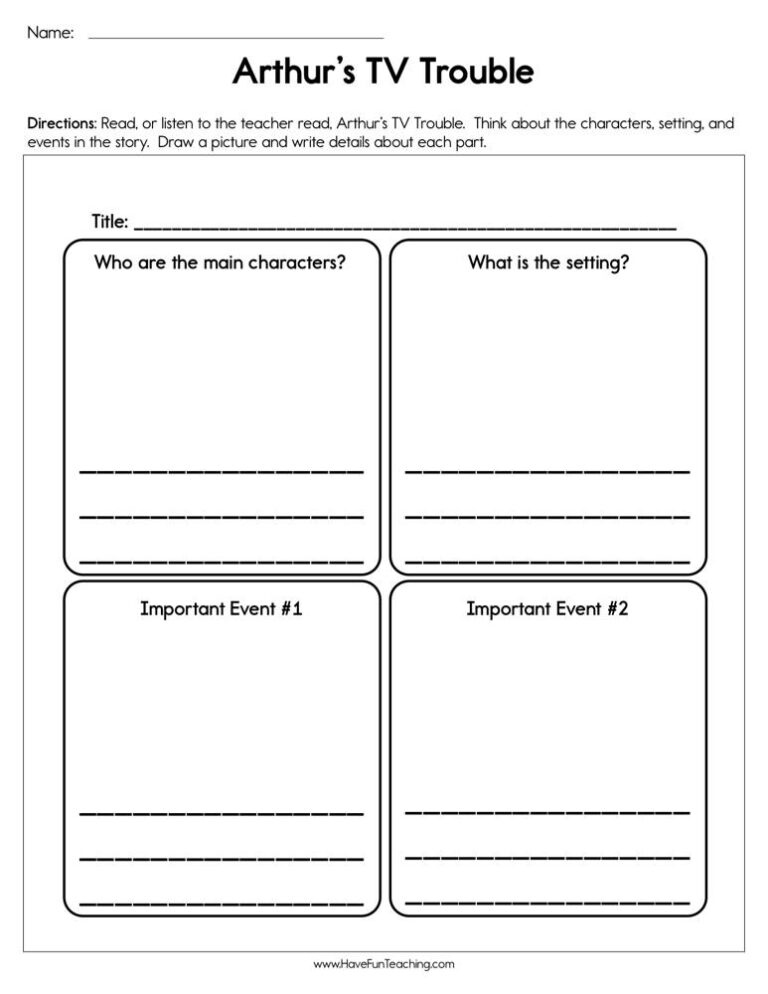
AssessmentPreschoolArthur's TV Trouble Worksheet

Using Arthur's TV Trouble Worksheet,students retell the story by describing the story elements of any given story to build their reading comprehension.

From our teachers' playbook

Tiny readers, big book adventures

What do preschoolers learn in guided and independent reading?

In preschool, reading time is about falling in love with books and learning how they work. Kids learn to hold a book right side up, turn pages one at a time, and know that we read the words from left to right. In small guided groups, they point to words as an adult reads, notice the spaces between words, and talk about the pictures. During independent time, they "read" by retelling a story from the pictures. The click comes when a child points to each word in a patterned book and reads it all by themselves!

Our favorite ways to guide preschool readers

Little readers need short, cozy reading times and lots of talking. These moves work beautifully.

Point as you read

In a small group, read a simple patterned book and slide your finger under each word. Then let each child take a turn pointing while everyone reads together. Matching spoken words to printed words is a huge first step.

Why it works: showing first, practicing together, then letting kids try alone is the "gradual release" model teachers have relied on for decades (Pearson and Gallagher, 1983).

Let's Read Emergent Readers ActivityTry it withLet's Read Emergent Readers ActivityActivitiesOpen it →

Find the finger spaces

Show kids that words have spaces between them by placing a finger after each word in a sentence. Then they sort cards into "word" or "space." It helps them see that print is made of separate words.

Why it works: the U.S. Department of Education's guide for teaching elementary math recommends moving from hands-on objects to drawings to numbers.

Finger Spaces Sorting ActivityTry it withFinger Spaces Sorting ActivityActivitiesOpen it →

A book box for every reader

Give each child a small basket of familiar books to revisit every day. Rereading the same few books builds confidence. Swap one book each week so there's always something new to explore.

Why it works: the brain holds on to what it meets again and again over time; spaced practice was rated among the very best methods (Dunlosky and colleagues, 2013).

I Like Colors Flip Book ActivityTry it withI Like Colors Flip Book ActivityActivitiesOpen it →

Questions parents and teachers ask about preschool reading

Should preschoolers be reading on their own?

Most preschoolers aren't reading words independently yet, and that's normal. Independent reading at this age means looking at books, retelling from pictures and recognizing a few words.

What is guided reading in preschool?

It's small group time where an adult reads a simple book with a few children, points to the words, and asks questions. It builds print awareness, vocabulary and listening skills.

How can I build reading skills with my preschooler at home?

Read together every day, point to words as you read, and ask questions about the pictures. Let your child turn the pages and retell the story in their own words.

What are concepts of print?

Concepts of print are the basics of how books work: holding a book, turning pages, reading left to right, and knowing that words are separated by spaces. Preschoolers learn these before reading words.



