
Skip to content
Start My 3 Free Days $0 today · cancel anytime

Preschool Rebus Resources

2 preschool rebus resources: 1 worksheet and 1 activity. How teachers use these

Preschool Rebus Resources

2 preschool rebus resources: 1 worksheet and 1 activity. How teachers use these

Worksheet
WorksheetPreschoolPicnic Day Rebus Worksheet

A sunny Picnic Day rebus worksheet that helps preschoolers read picture sentences, match pictures to words, and build early reading confidence. Answer key included.

Activity
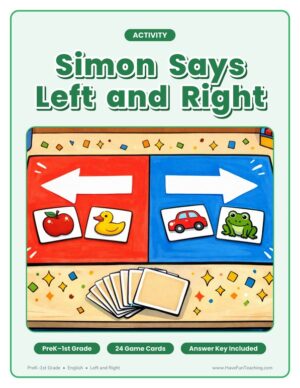
ActivityPreschoolLeft and Right Simon Says Opposites Activity

Play the Left and Right Simon Says Opposites Activity with preschool to 1st grade: move picture cards to the correct side of the mat. Practice page and answer key included.

From our teachers' playbook

Pictures that read like words!

What do preschoolers learn from rebus reading?

A rebus story swaps some words for little pictures, so preschoolers can "read" long before they know every letter. In a sentence like I see a (picture of an apple). the little apple says the word for them, and they read the rest with your help. Rebus reading teaches that print carries meaning, that we read left to right and that every word we say matches something on the page. It's a huge confidence boost. The click moment is a child tracking a whole sentence with a finger and reading it proudly by themselves.

Our favorite ways to use rebus stories

Rebus reading works best when it feels like a picture puzzle.

Read it, point it

Read a rebus sentence aloud slowly, touching each word and picture as you go. Then read it together, then let a child take a turn. Pointing shows that each spoken word lives somewhere on the page.

Why it works: handing over the work step by step, from teacher to student, is one of the most widely used teaching frameworks (Pearson and Gallagher, 1983).

Picnic Day Rebus WorksheetTry it withPicnic Day Rebus WorksheetWorksheetsOpen it →
Build a picture sentence

Give kids a sentence strip that says "I like the ___." They choose a sticker or draw a picture to finish it, then read it to a friend. Making their own rebus means they can always read it back.

Why it works: children learn more from words and pictures together than from words alone (Mayer, 2009).

Left and Right Simon Says Opposites ActivityTry it withLeft and Right Simon Says Opposites ActivityActivitiesOpen it →

One rebus a day

Post a new rebus sentence each morning at circle time, using the same starter words all week: I, see, the. By Friday those little words feel familiar. Short daily practice builds early reading habits.

Why it works: short practice spread over several days beats one long session, according to a large review of learning research (Dunlosky and colleagues, 2013).

Questions parents and teachers ask

What is a rebus story?

A rebus story uses small pictures in place of some words. Young children "read" the pictures and get help with the words, so they can follow a whole sentence.

Why are rebus stories good for preschoolers?

They teach that print has meaning and that we read left to right, one word at a time. They also make kids feel like real readers early on.

How do I make a rebus at home?

Write a short sentence and draw a quick picture or glue a sticker in place of one or two nouns. Recipes, shopping lists and notes work great.

At what age can kids read rebus stories?

Many children enjoy rebus reading between ages 3 and 5. The pictures carry the hard words, so they can join in early.



