Skip to content
Start My 3 Free Days $0 today · cancel anytime

Preschool Living and Non-Living Things Resources

1 preschool living and non-living things resources: 1 workbook. How teachers use these

Preschool Living and Non-Living Things Resources

1 preschool living and non-living things resources: 1 workbook. How teachers use these

Workbook
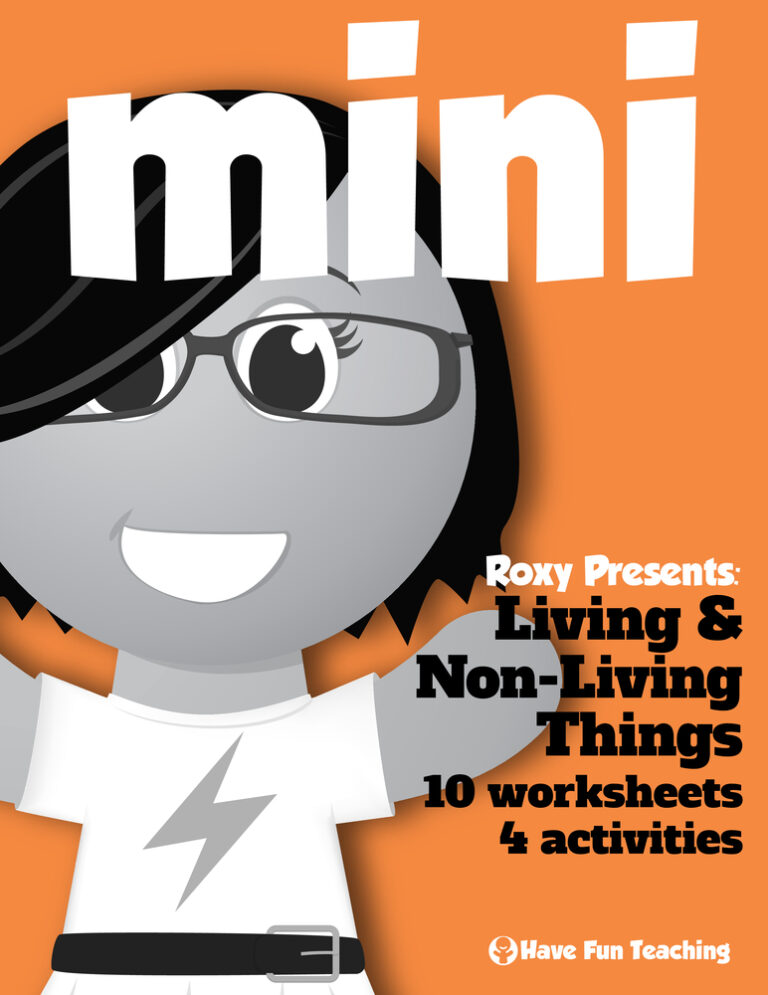
WorkbookPreschoolLiving and Non-Living Things Mini Pack

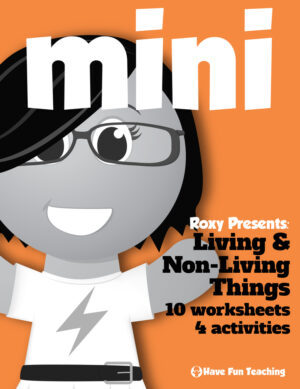
Using this Living and Non-Living Things Mini Pack, students learn about the Living and Non-Living Things through ten fun worksheets and four activities.

From our teachers' playbook

Does it grow? Does it eat?

What do preschoolers learn about living and non-living things?

Preschoolers learn that living things grow, eat or drink, breathe and can make more of themselves. People, dogs, trees and flowers are alive. Non-living things like rocks, chairs and toys do not grow or eat. Kids use simple questions to sort: Does it grow? Does it need food and water? The tricky ones are the fun ones: a plant does not walk, but it is alive! Watching a seed sprout in the window is the moment it really makes sense.

Our favorite ways to teach living and non-living

Three simple questions and a few real objects go a long way.

Alive or not sort

Show pictures of a cat, a rock, a tree and a car. Kids sort them into alive and not alive and explain why. Our Living and Non-Living Things Mini Pack has ready-made sorting pages.

Why it works: children learn more from words and pictures together than from words alone (Mayer, 2009).
Living and Non-Living Things Mini PackTry it withLiving and Non-Living Things Mini PackWorkbooksOpen it →
Grow a bean

Plant a bean in a clear cup with a wet paper towel. Kids check it every day and draw what they see. Watching it grow shows what living things do.

Why it works: going from real objects to pictures to symbols is a core recommendation of the U.S. Department of Education's elementary math guide.

Question of the day

Each morning hold up one object and ask, "Is it living?" Kids vote and explain. A quick daily routine builds the habit of asking the three questions.

Why it works: short practice spread over several days beats one long session, according to a large review of learning research (Dunlosky and colleagues, 2013).

What's on this page

Teacher favorites right now: Living and Non-Living Things Mini Pack.

Questions about living and non-living things

How do you explain living and non-living to preschoolers?

Living things grow, eat or drink and breathe. Non-living things do not. Ask your child, "Does it grow? Does it need food?"

Are plants living things?

Yes. Plants grow, need water and sunlight, and make new plants. They are alive even though they cannot move around.

What are examples of non-living things?

Rocks, toys, chairs, cars, water and pencils are non-living. They do not grow or eat.

What is a good living and non-living activity for preschool?

A nature walk to find examples outside, or sorting pictures into two groups, are both simple and fun.