Skip to content
Start My 3 Free Days $0 today · cancel anytime

Kindergarten Living and Non-Living Things Resources

16 kindergarten living and non-living things resources: 9 activities, 6 worksheets and 1 workbook. How teachers use these

Kindergarten Living and Non-Living Things Resources

16 kindergarten living and non-living things resources: 9 activities, 6 worksheets and 1 workbook. How teachers use these

Worksheet
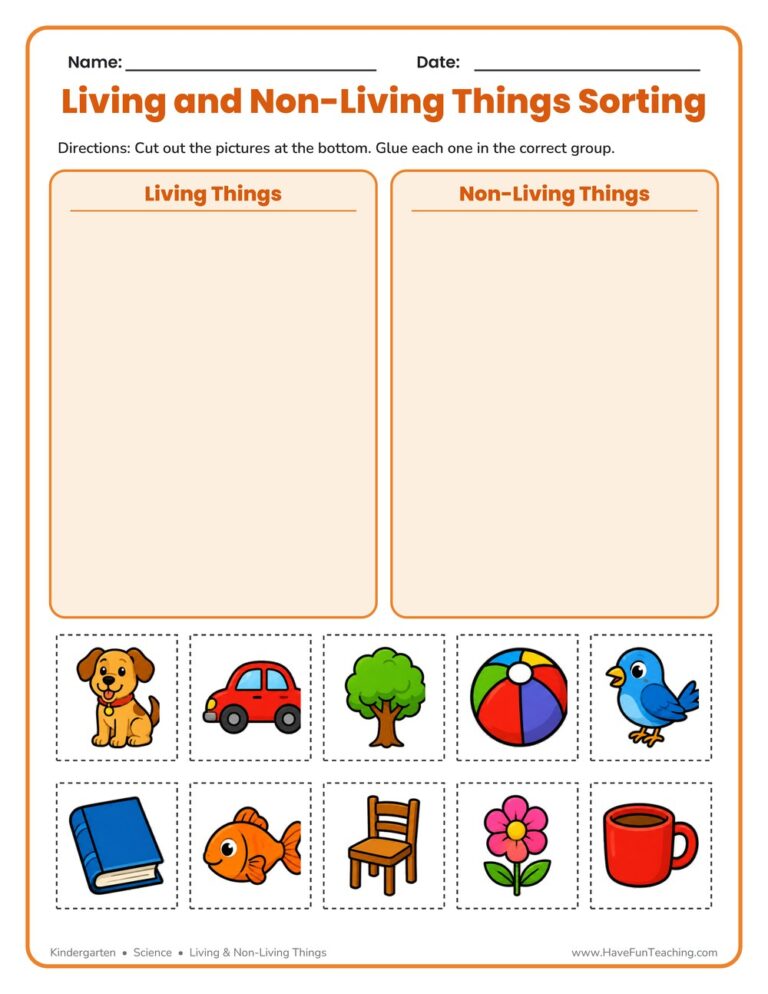
WorksheetKindergartenLiving Things and Non Living Things Sorting Worksheet

This Living Things and Non Living Things Sorting Worksheet has kindergarten students cut out ten pictures and sort them into living and non-living groups. Answer key included for quick, hands-on science practice.

Worksheet
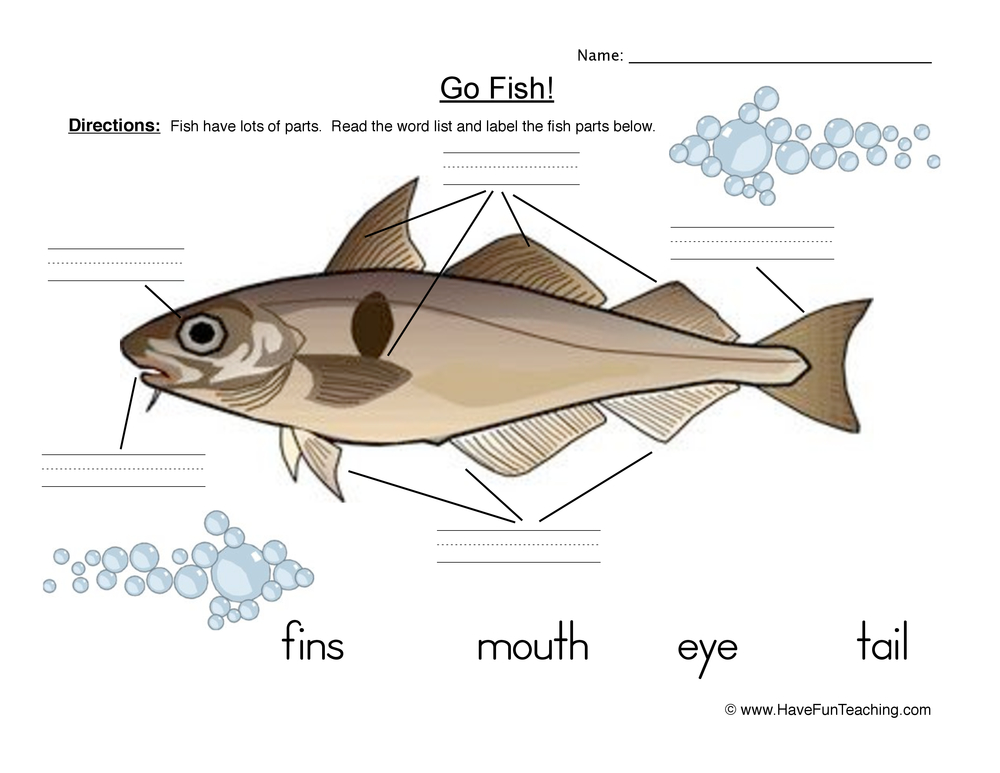
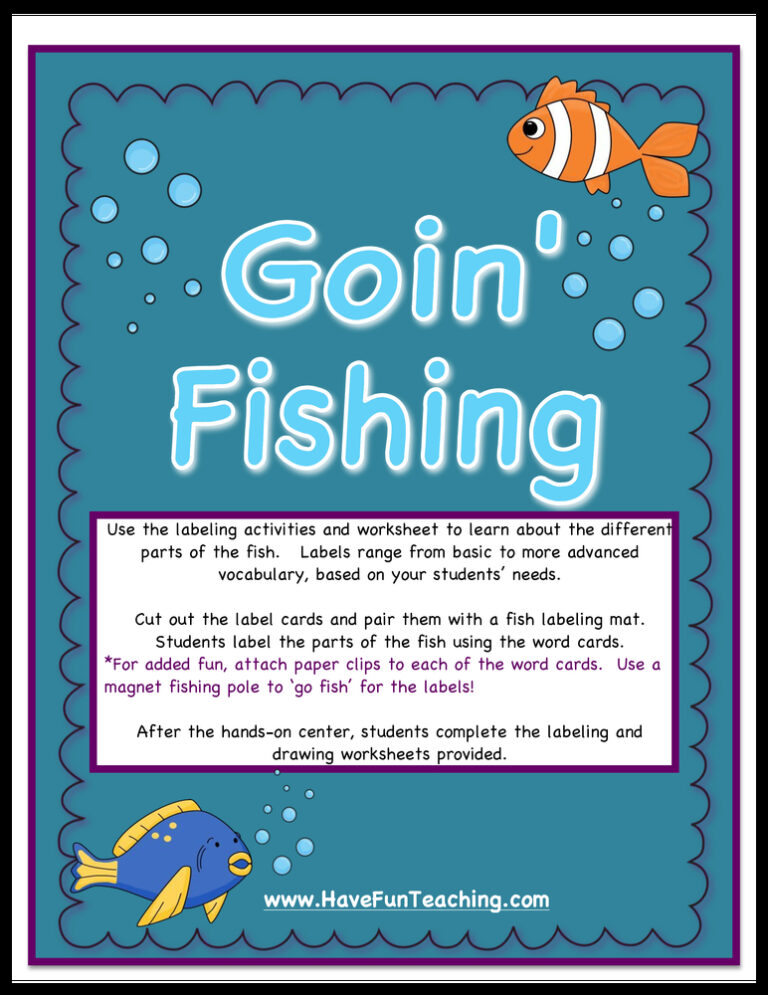
WorksheetKindergartenFish Parts Worksheet

This Fish Parts Worksheet has kindergarten students label the eye, fin, mouth, and tail on a big numbered fish using a word box. An answer key is included for fast, easy checking.

Worksheet
WorksheetKindergartenBasic Fish Parts Worksheet

This Basic Fish Parts Worksheet asks 1st graders to label six numbered parts on a big, friendly fish using a word box. An answer key is included, so science practice takes no prep at all.

Worksheet
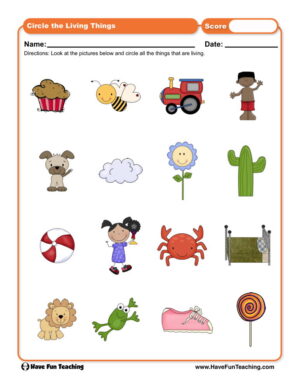
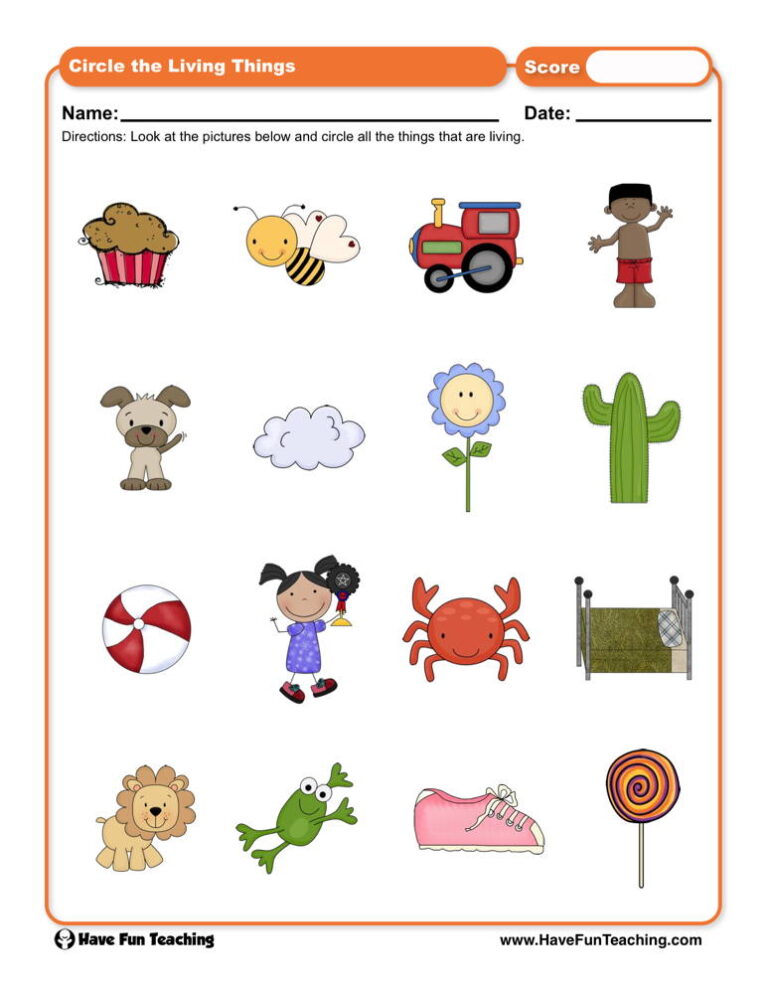
WorksheetKindergartenCircle the Living Things Worksheet

This Circle the Living Things Worksheet asks Kindergarten students to spot the pictures that grow, then classify three more. Answer key included — an easy, picture-based first look at living and non-living things.

Worksheet
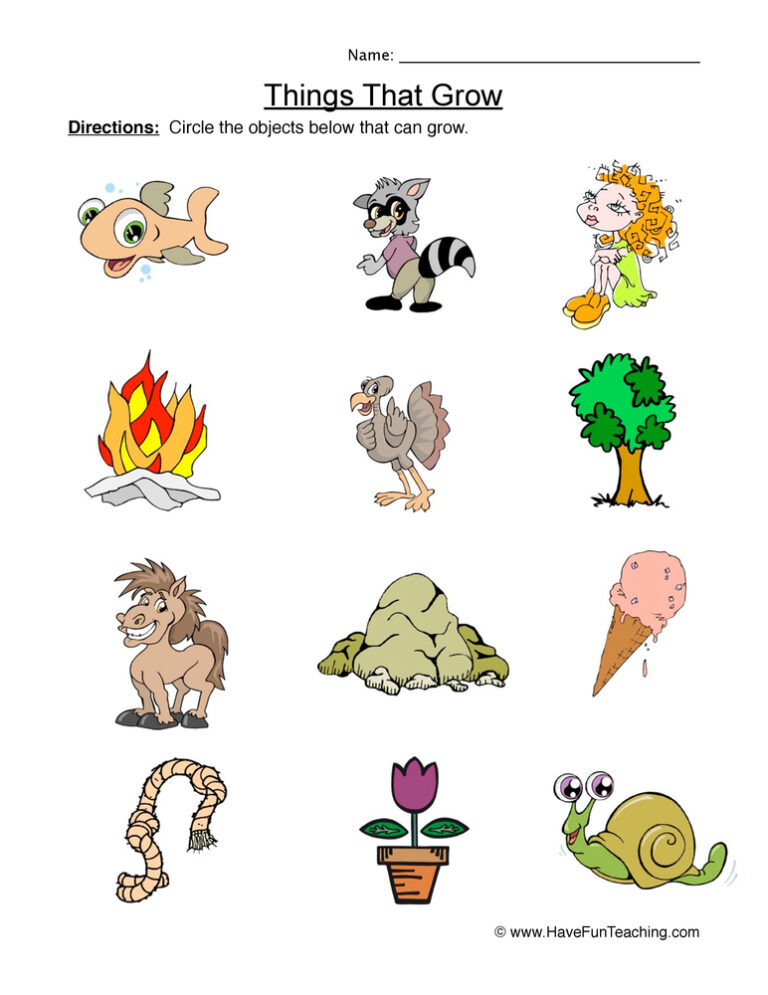
WorksheetKindergartenIdentifying Things That Grow Worksheet

An identifying things that grow worksheet for Kindergarten students learning to tell living things from non-living things. Six picture cards and a two-column sort, with an answer key included, make science practice quick and clear.

Activity
ActivityKindergartenFrog Facts Activity

This frog facts activity has children sort 12 fact cards onto TRUE and FALSE lily pads. Made for Kindergarten to 3rd Grade, with a practice page and answer key included.

Activity
ActivityKindergartenFish Parts Activity

This fish parts activity has kindergarten and 1st grade children catch picture cards and label the eye, mouth, gills, fin, scales and tail, with an answer key included for quick checking.

Worksheet
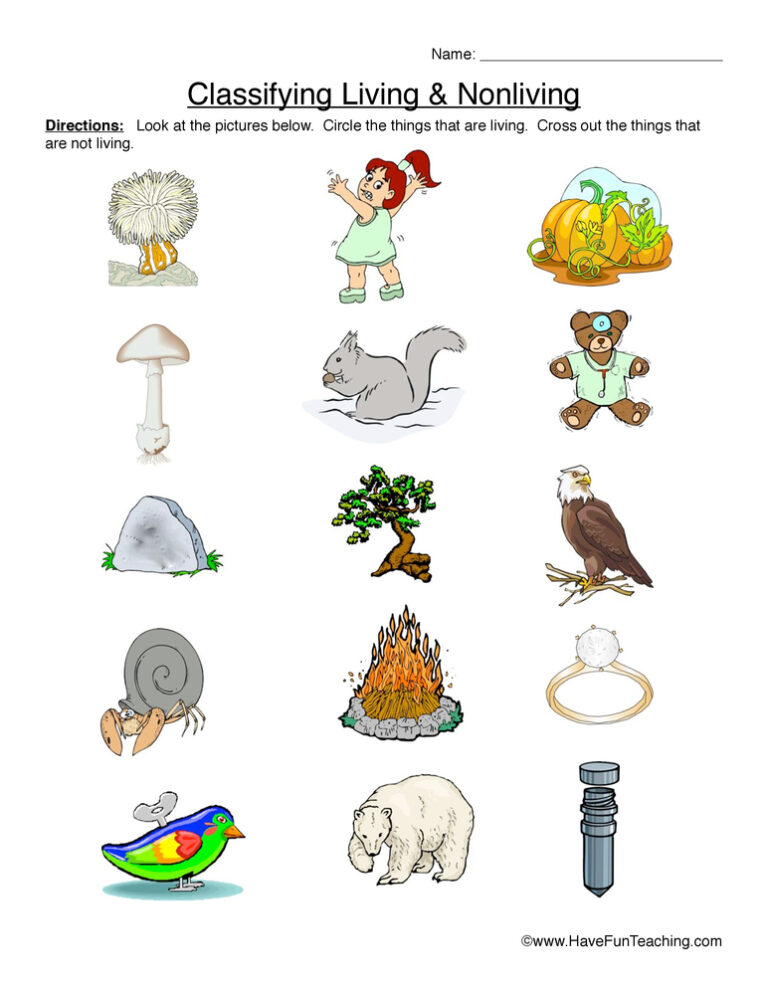
WorksheetKindergartenClassifying Living and Nonliving Things Primary Version Worksheet

The Classifying Living and Nonliving Things Primary Version Worksheet asks Kindergarten students to sort six familiar pictures into living and nonliving groups. An answer key is included, so this hands-on science practice takes no prep at all.

Activity
ActivityKindergartenWhat Does a Plant Need Activity

This what does a plant need activity has kindergarten and 1st grade children sing, sort picture cards and write about sunlight, water, air and soil. Answer key included.

Activity
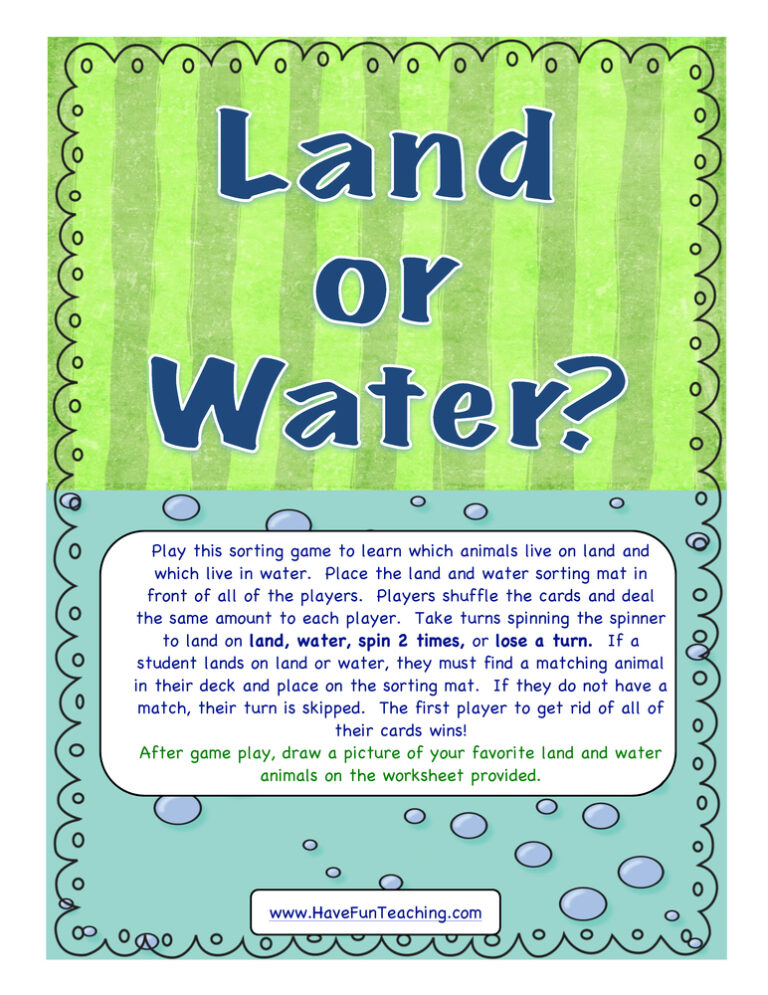
ActivityKindergartenLand or Water Activity

This land or water activity is a K-2nd grade animal sorting card game with a spinner and sorting mat. Children classify animals by where they live, and an answer key is included.

Activity
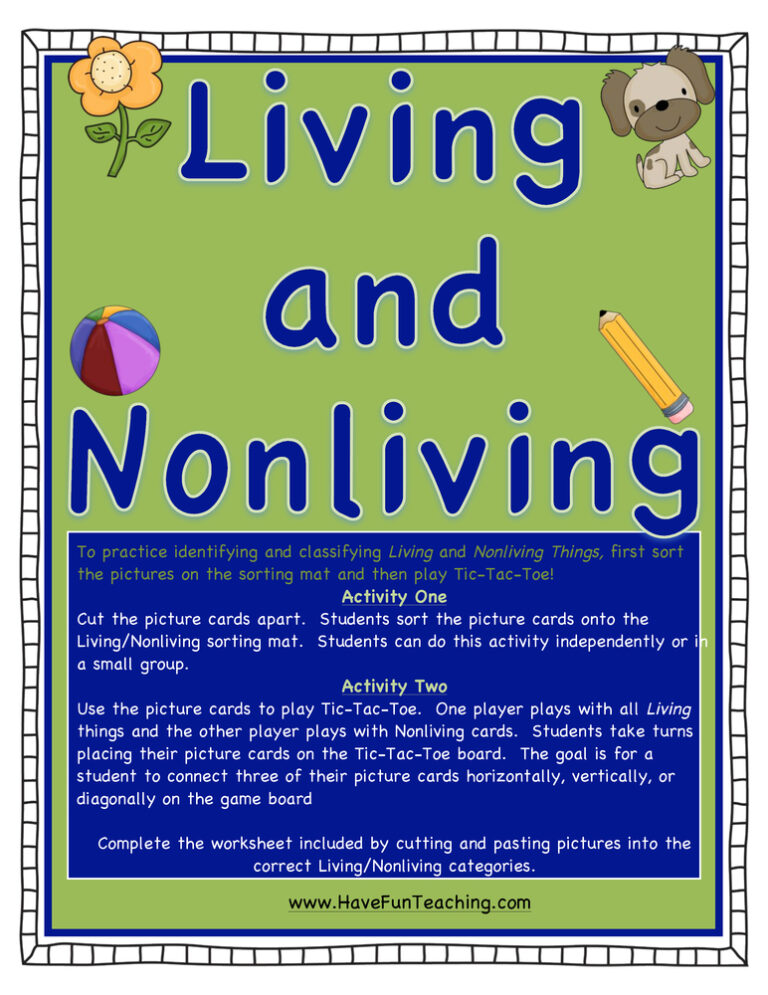
ActivityKindergartenLiving and Nonliving Activity

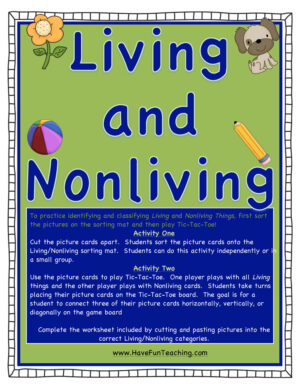
This living and nonliving activity gives kindergarten to 2nd grade students 12 picture cards and a sorting mat to classify things that are alive. A practice page and answer key are included.

Activity
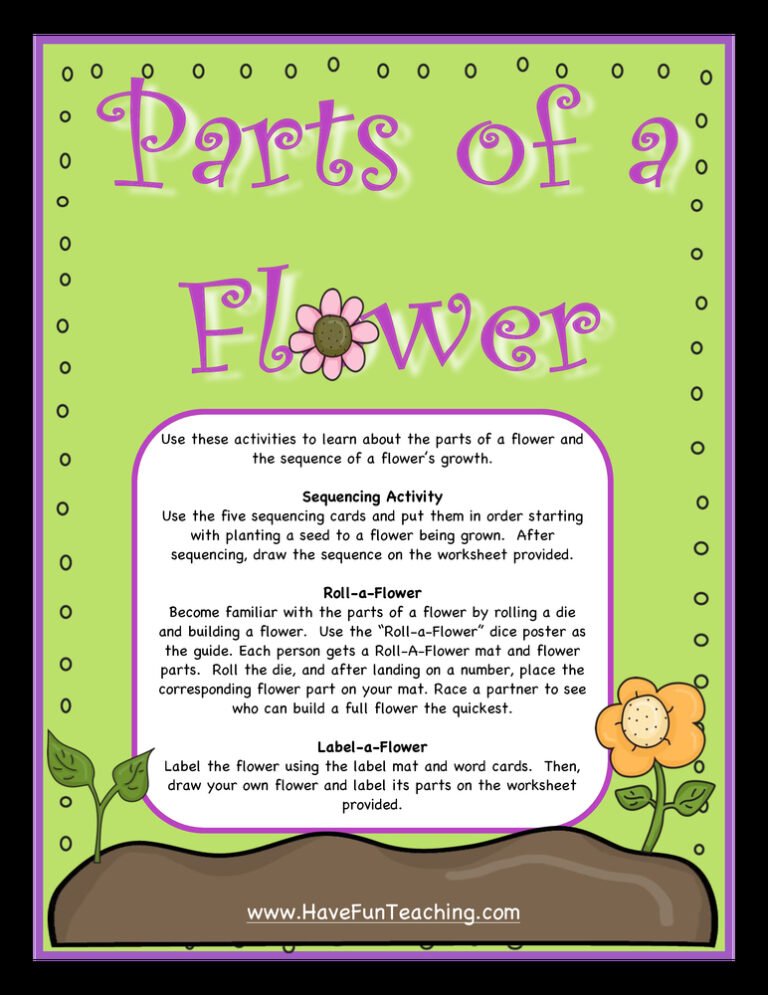
ActivityKindergartenParts of a Flower Activity

Explore this parts of a flower activity with kindergarten to 2nd grade students. Kids order life cycle cards, spin and color flower parts, and an answer key is included.

Activity
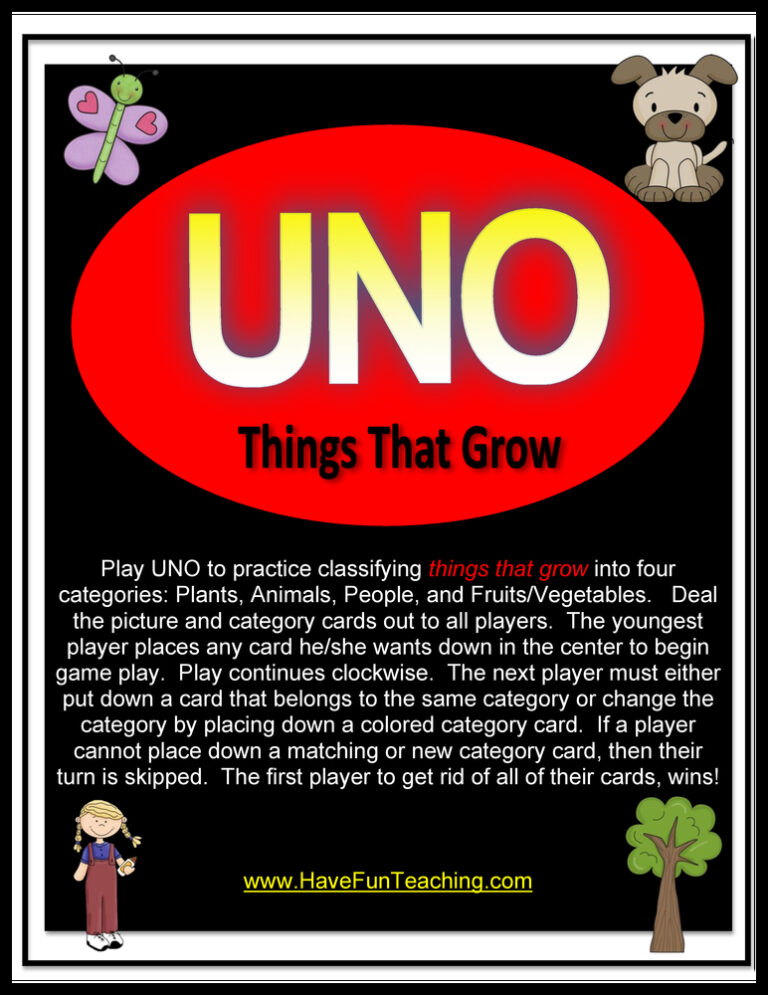
ActivityKindergartenThings That Grow Activity

Using Things That Grow Activity, students play UNO to practice classifying things that grow into four categories.

Activity
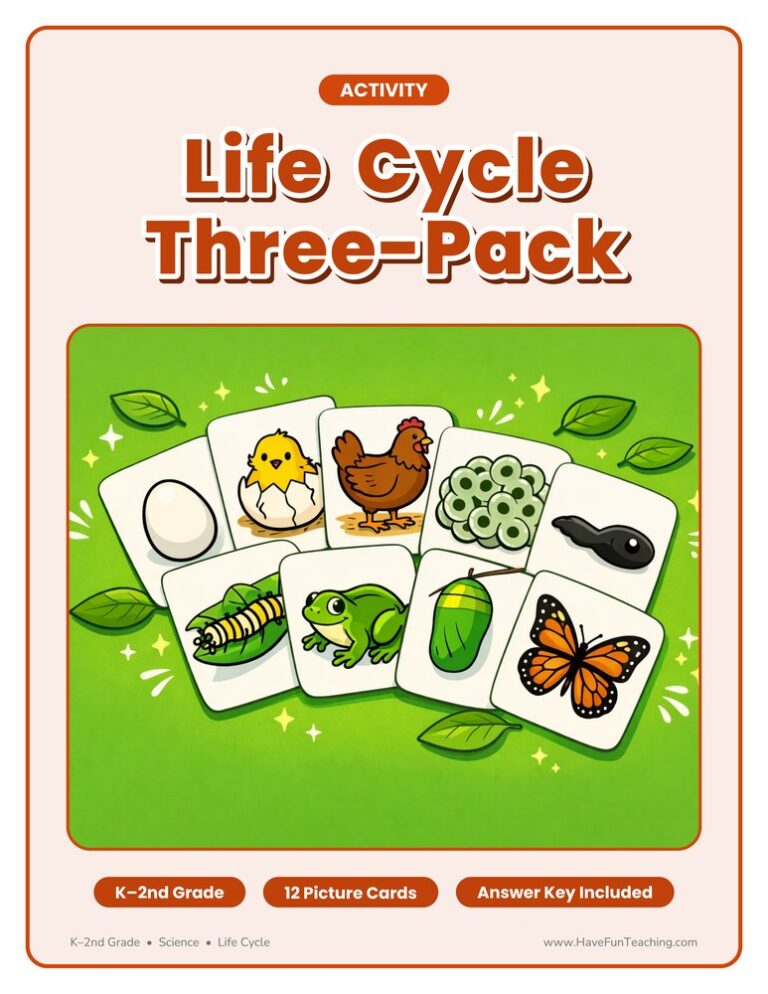
ActivityKindergartenLife Cycle Three Pack Science Life Cycles Activity

Try this life cycle three pack science life cycles activity with kindergarten to 2nd grade students. Kids sequence chicken, frog and butterfly picture cards; an answer key is included.

Activity
ActivityKindergartenFarm Writing Activity

Using this Farm Writing Activity, students practice their comparing, sequencing, and story writing skills while writing all about farm!

Workbook
WorkbookKindergartenLiving and Non-Living Things Mini Pack

Using this Living and Non-Living Things Mini Pack, students learn about the Living and Non-Living Things through ten fun worksheets and four activities.

From our teachers' playbook

Does it eat? Does it grow?

What do kindergartners learn about living and non-living things?

Kindergartners learn to sort the world into two groups. Living things grow, need food and water, breathe and make more of their own kind, like a puppy, a tree or a fish. Non-living things, like a rock, a chair or a toy car, do none of these. The tricky ones are fun to argue about: a car moves, but it does not grow, so it is non-living! Kids also learn what plants and animals need to stay alive. The click moment comes when a five-year-old checks a rock against the list and says "It doesn't eat. Not alive!"

Our favorite ways to teach living and non-living things

Kindergarten scientists learn this best by sorting, looking closely and asking questions.

Sort real objects

Fill a tub with real things: a leaf, a rock, a toy, a pinecone, a plant in a cup. Kids sort them into two hoops, living and non-living, and explain each choice. Holding real objects makes the rules concrete.

Why it works: going from real objects to pictures to symbols is a core recommendation of the U.S. Department of Education's elementary math guide.
Living and Nonliving ActivityTry it withLiving and Nonliving ActivityActivitiesOpen it →

The living checklist

Post three simple questions: Does it grow? Does it need food and water? Does it make babies? For each tricky item, the class checks the list out loud. Kids love debating the hard ones, like fire or a robot.

Why it works: using clear, consistent math words out loud is one of the U.S. Department of Education's recommendations for elementary math.

Living Things and Non Living Things Sorting WorksheetTry it withLiving Things and Non Living Things Sorting WorksheetWorksheetsOpen it →

Circle the living

After a nature walk, kids look at a busy picture and circle every living thing they see. Then they color the non-living things a different color. It turns the idea into a quick, satisfying search.

Why it works: children learn more from words and pictures together than from words alone (Mayer, 2009).

Circle the Living Things WorksheetTry it withCircle the Living Things WorksheetWorksheetsOpen it →

Questions about living and non-living things

How do you explain living and non-living to a kindergartner?

Living things grow, need food and water, breathe and can make more of their own kind. Non-living things do not do any of these. Checking a few objects against those rules makes it clear.

Is a car living or non-living?

Non-living. A car moves, but it does not grow, eat or make baby cars. Kids love this one because it shows that moving is not enough to be alive.

Are plants living things?

Yes! Plants grow, need water, air and sunlight, and make seeds for new plants. Kids are often surprised, because plants do not move around like animals.

How can I teach living and non-living things at home?

Go on a backyard or park walk and sort what you find. Ask your child to explain each choice. Planting a seed together shows a living thing growing.