
Skip to content
Start My 3 Free Days $0 today · cancel anytime

Inventors Resources

3 inventors resources: 3 worksheets. How teachers use these

Inventors Resources

3 inventors resources: 3 worksheets. How teachers use these

Worksheet
Worksheet3rd GradeBenjamin Franklin Crossword Puzzle

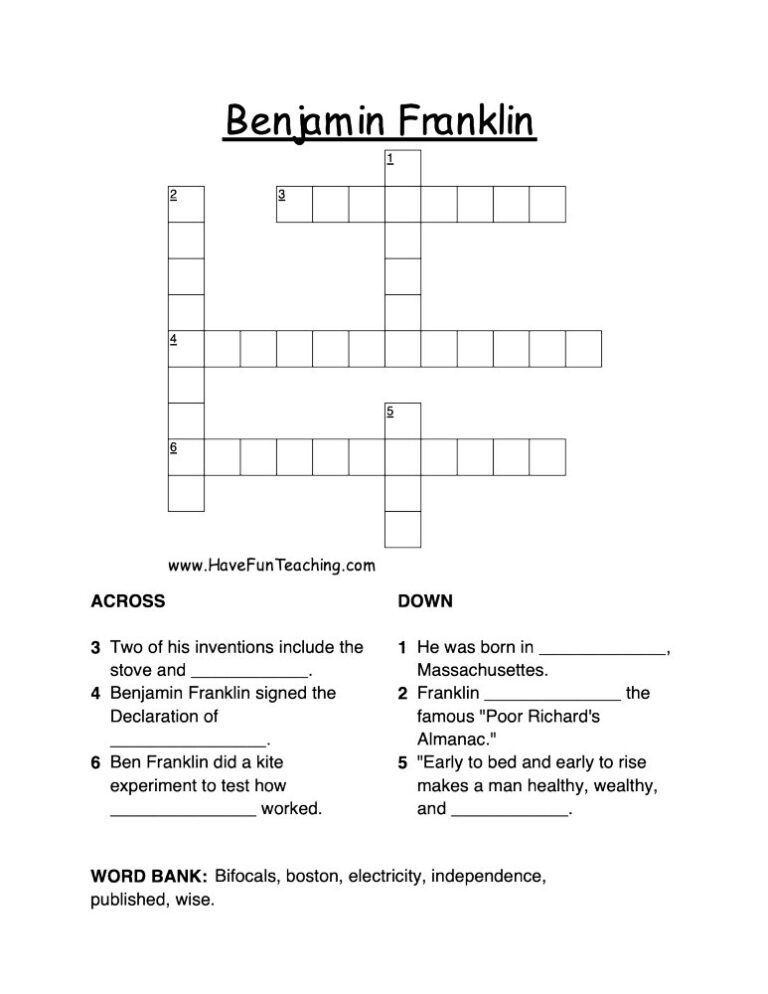
This Benjamin Franklin crossword puzzle worksheet lets 3rd grade students review the life and inventions of Ben Franklin, with a short writing question and an answer key for easy checking.

Worksheet
Worksheet3rd GradeIgnacio Anaya Garcia Inventor of Nachos Worksheet

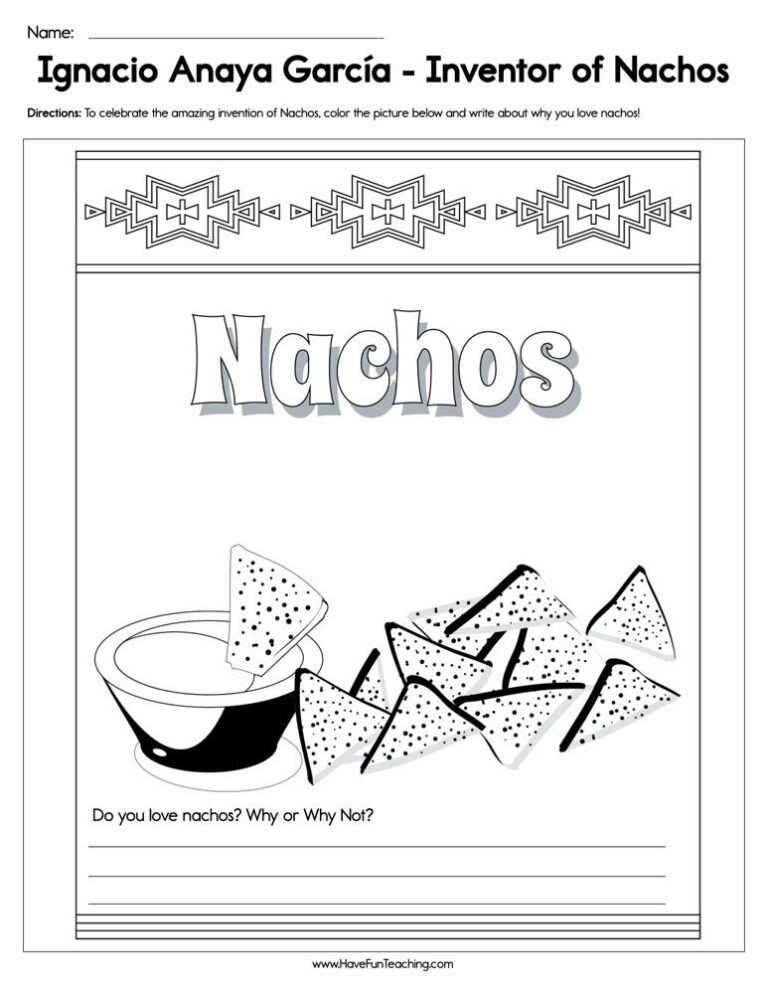
This Ignacio Anaya Garcia Inventor of Nachos Worksheet gives 3rd graders a true 230-word biography, four comprehension questions, and a written response. An answer key is included, so it is ready to print and teach.

Worksheet
Worksheet2nd GradeNew Inventions Magazine Worksheet

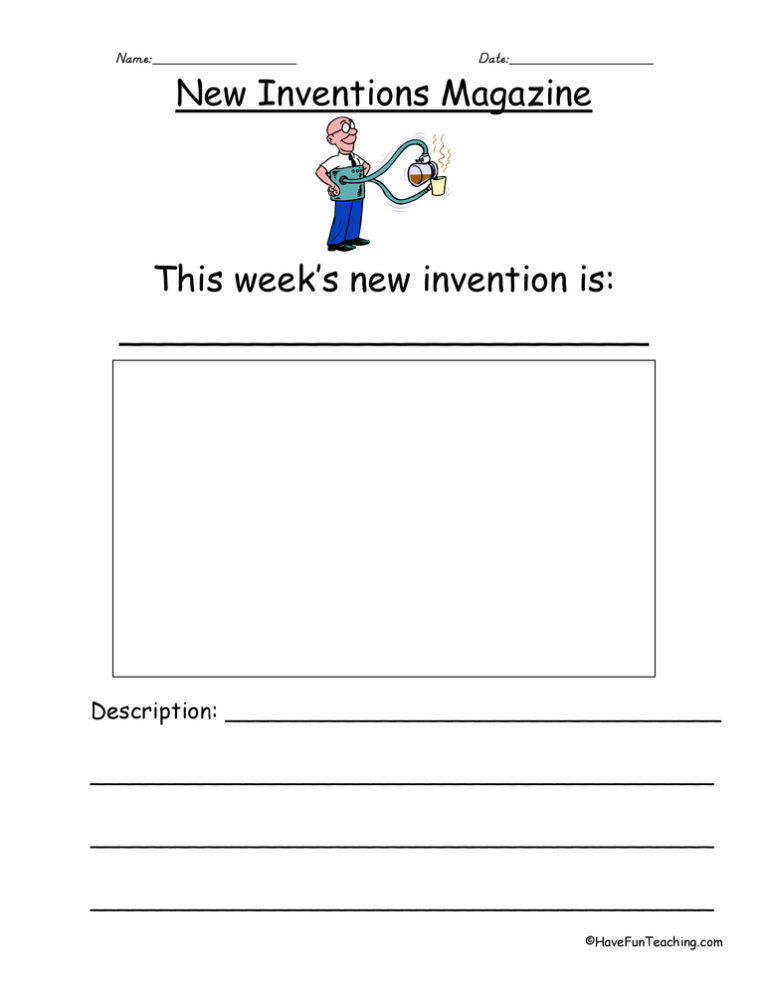
The New Inventions Magazine Worksheet lets 2nd graders name, draw and describe an invention of their own. An open-ended science and writing page that turns curiosity about inventors into real explaining practice.

From our teachers' playbook

Big ideas start with a problem

What do kids learn about inventors?

Studying inventors teaches kids that every invention began with a person who noticed a problem and kept trying. Students read about inventors like Benjamin Franklin, who experimented with electricity and invented bifocals, and Ignacio Anaya, who created nachos when he had to whip up a snack with what was in the kitchen. They learn the steps inventors follow: notice a problem, brainstorm, build, test and improve. The big idea is that mistakes are part of the process. The click moment is when kids start saying, "I could invent something for that!"

Our favorite ways to make inventors stick

Inventor studies mix science, reading and creativity. These moves make them memorable.

Inventor fact check

After reading about Benjamin Franklin, have kids solve a crossword using what they learned. Pulling facts back out of memory sticks far better than rereading the passage.

Why it works: pulling an answer out of memory makes it stick far better than rereading it, one of the strongest findings in learning research (Dunlosky and colleagues, 2013).

Benjamin Franklin Crossword PuzzleTry it withBenjamin Franklin Crossword PuzzleWorksheetsOpen it →

Tell the invention story

Read a short inventor story out loud and stop at the problem. Ask kids to predict what the inventor did next. Stories with a problem and solution show how real inventing works.

Why it works: showing first, practicing together, then letting kids try alone is the "gradual release" model teachers have relied on for decades (Pearson and Gallagher, 1983).

Ignacio Anaya Garcia Inventor of Nachos WorksheetTry it withIgnacio Anaya Garcia Inventor of Nachos WorksheetWorksheetsOpen it →

Invent your own

Have kids think of an everyday problem, like a backpack that's always messy, and design an invention to fix it. They sketch it, label the parts and write a short ad for it.

Why it works: the U.S. Department of Education's guide for teaching elementary math recommends moving from hands-on objects to drawings to numbers.

New Inventions Magazine WorksheetTry it withNew Inventions Magazine WorksheetWorksheetsOpen it →

Questions teachers and parents ask

Why should kids learn about inventors?

Learning about inventors shows kids how science solves real problems. It also teaches that trying, failing and trying again is part of every great idea.

What famous inventors should kids learn about?

Popular choices include Benjamin Franklin, Thomas Edison, the Wright brothers, George Washington Carver, Marie Curie and Alexander Graham Bell. Lesser-known inventors, like the creator of nachos, are fun too.

How can I teach the invention process?

Use simple steps: find a problem, brainstorm ideas, build a model, test it and improve it. Let kids go through each step with their own invention.

What is a good invention project for kids?

Ask kids to solve a small problem at home or school, like keeping pencils from rolling away. They design it, build it with simple materials and explain how it works.

Keep exploring



