Skip to content
Start My 3 Free Days $0 today · cancel anytime

2nd Grade Farming Resources

6 2nd grade farming resources: 3 activities, 1 worksheet and 1 assessment. How teachers use these

Find the perfect resource in seconds

2nd Grade Farming Resources

6 2nd grade farming resources: 3 activities, 1 worksheet and 1 assessment. How teachers use these

Assessment
Assessment2nd GradeThe Cowboy Reading Comprehension Worksheet

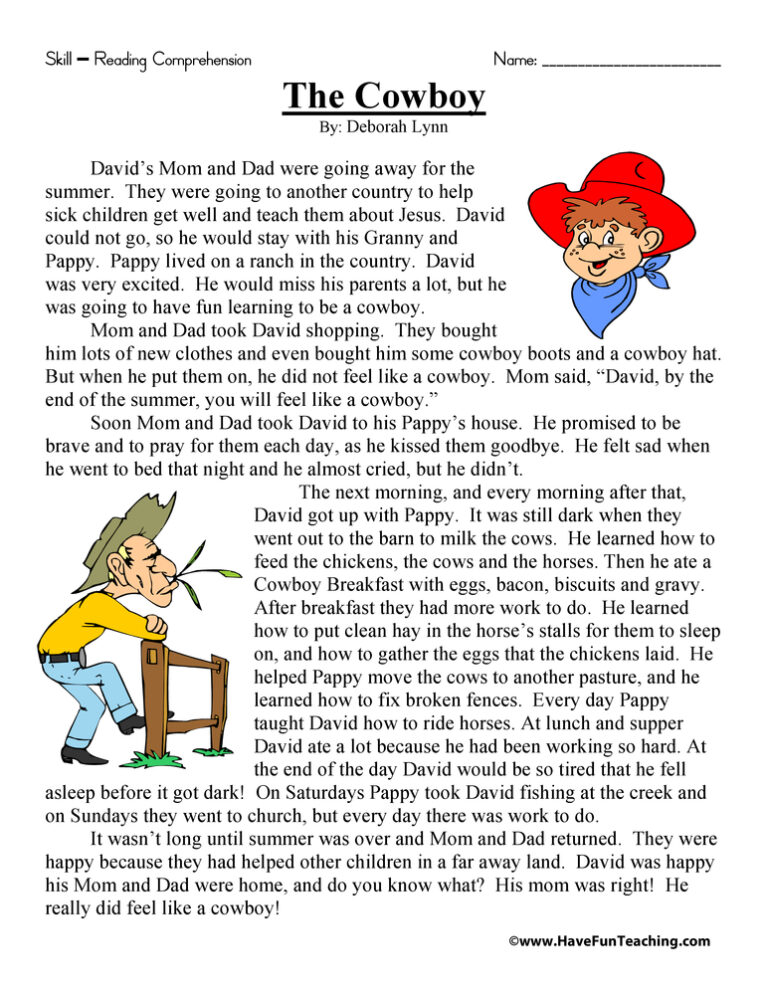
The Cowboy Reading Comprehension Worksheet gives 2nd graders a short ranch story with four multiple-choice questions and a written response. An answer key is included, so comprehension practice takes no prep at all.

Activity
Activity2nd GradeBarn Shape Book Activity

This barn shape book activity helps K-2nd Grade children color, draw and write their own farm story, then cut out and staple the barn pages into a book to share.

Activity
Activity2nd GradeFarm Hard Alphabetical Order Activity

This farm hard alphabetical order activity lets 2nd and 3rd grade students sort picture word cards and order words that share first letters, with a practice page and answer key included.

Activity
Activity2nd GradeFarm Writing Activity

The Farm Writing Activity helps K-2nd grade writers plan a farm story with first, next and last boxes, then write it out. Answer key included with a sample planner.

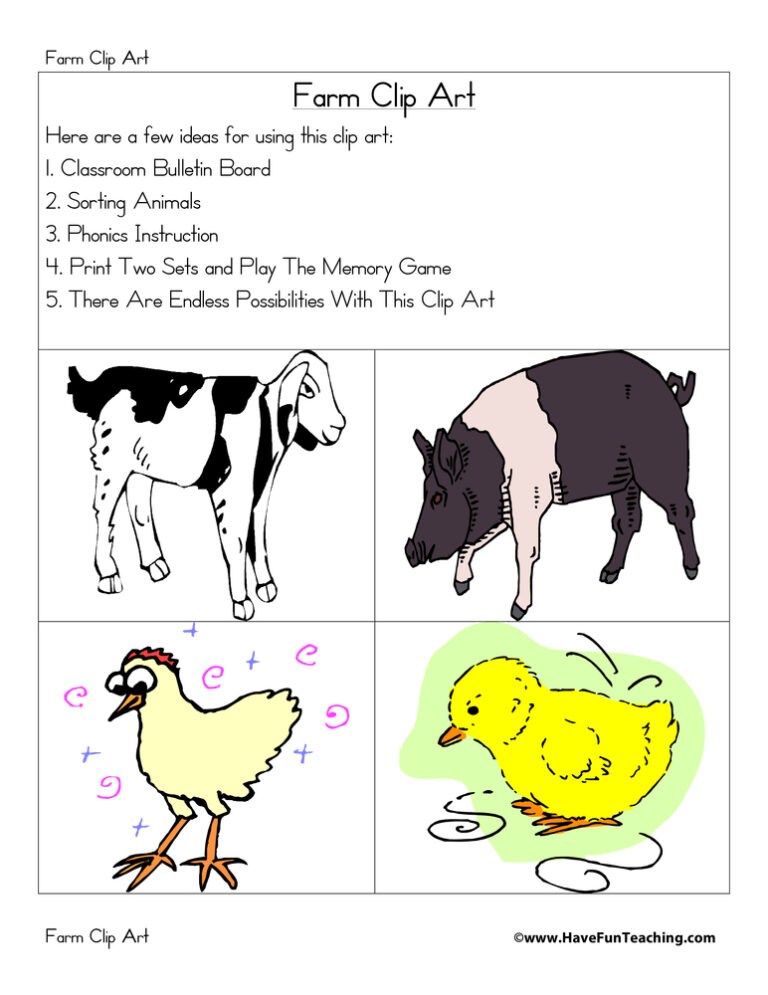
2nd GradeFarm Clip Art

This Farm Clip Art is a perfect addition to any bulletin board, flyer, or other printable that you use in your classroom when you are learning about farms.

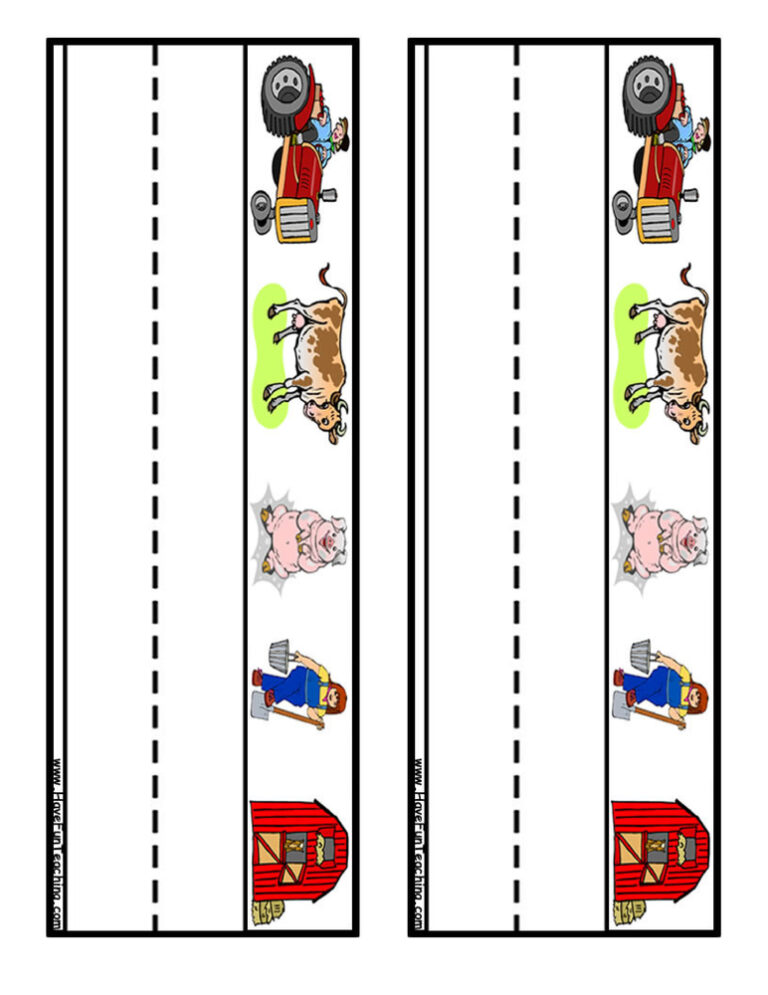
2nd GradeFarms Desk Name Tags

These Farms Desk Name Tags are a perfect way for your students to identify their desks and practice spelling their name with a farm theme.

From our teachers' playbook

From the field to the fork

What do 2nd graders learn about farming?

Second graders learn that farmers are producers: they grow crops and raise animals that become the food and goods we buy. Kids follow food from farm to table, like wheat to flour to bread, and learn that it takes many workers, from farmers to truck drivers to grocers. They compare farm life with city life and learn about tools and machines farmers use. Ranching joins the story too, with cowboys and cattle. The click moment comes when a child looks at their sandwich and can trace every part back to a farm.

Our favorite ways to teach farming

Farming connects social studies, science and reading. These moves bring it all together.

Farm vocabulary flash

Use farm flash cards to build vocabulary: tractor, barn, crops, harvest. Show a card, have kids name it and tell its job on the farm. Words like these come up again and again in reading.

Why it works: children learn more from words and pictures together than from words alone (Mayer, 2009).
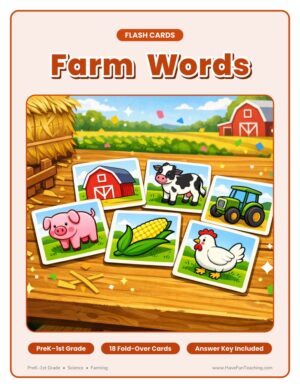
Farm Flash CardsTry it withFarm Flash CardsFlash CardsOpen it →

Read about the ranch

Read the cowboy passage and quiz from memory: What does a cowboy do all day? Then compare ranching to crop farming. Recalling details helps kids build a full picture of farm work.

Why it works: a big review of study methods ranked quick self-quizzing among the most powerful ways to remember (Dunlosky and colleagues, 2013).

The Cowboy Reading Comprehension WorksheetTry it withThe Cowboy Reading Comprehension WorksheetAssessmentsOpen it →

Barn shape book

Kids make a barn-shaped book with one page for each step from farm to table. Building their own book turns the sequence into something they can hold and share at home.

Why it works: going from real objects to pictures to symbols is a core recommendation of the U.S. Department of Education's elementary math guide.

Barn Shape Book ActivityTry it withBarn Shape Book ActivityActivitiesOpen it →

Questions about farming in 2nd grade

What do 2nd graders learn about farming?

They learn that farmers produce food and goods, how food travels from farm to table, the tools farmers use and how farm life compares with city life.

What does farm to table mean?

Farm to table is the path food takes from where it is grown or raised to your plate. For example, wheat is grown, ground into flour, baked into bread and sold at a store.

What is the difference between producers and consumers?

Producers make or grow goods, like farmers growing corn. Consumers buy and use those goods, like a family buying corn at the store.

How can I teach farming at home?

Talk about where your food comes from at meals, visit a farmers market or grow a small garden. Kids remember more when they see food growing.