
Skip to content
Start My 3 Free Days $0 today · cancel anytime

3rd Grade Anatomy Resources

8 3rd grade anatomy resources: 6 worksheets, 2 songs and 1 video. How teachers use these

3rd Grade Anatomy Resources

8 3rd grade anatomy resources: 6 worksheets, 2 songs and 1 video. How teachers use these

Video
Video3rd GradeParts of the Body Song (Animated Music Video)

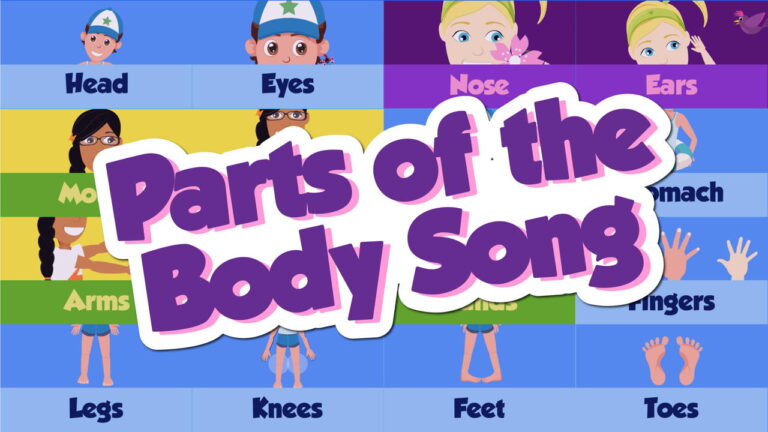
While Parts of the Body Song (Animated Music Video), students learn about the different parts of the body while listening to catchy lyrics.

Worksheet
Worksheet3rd GradeReptiles Worksheet

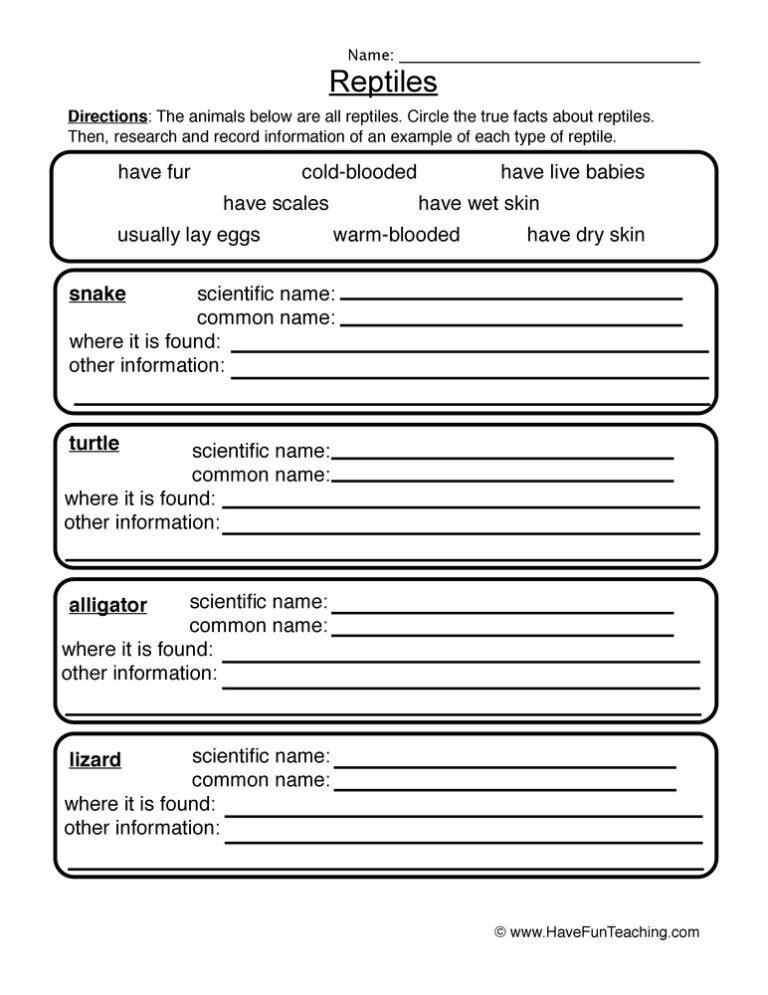
This reptiles worksheet has 3rd Grade students check reptile facts, sort eight animals into reptile and not-a-reptile columns, and explain how a frog differs. An answer key is included, so checking work takes seconds.

Song
Song3rd GradeParts of the Body Song (MP3)

While Parts of the Body Song (MP3), students learn about the different parts of the body while listening to catchy lyrics.

Worksheet
Worksheet3rd GradeAmphibians Worksheet

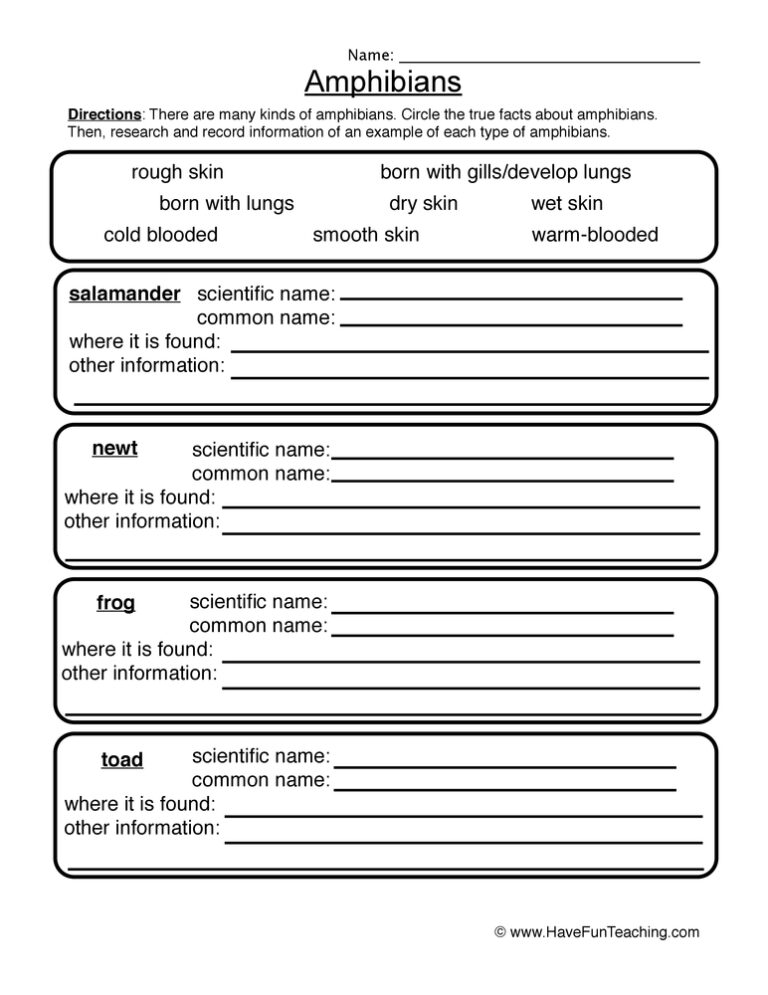
This amphibians worksheet has 3rd graders circle amphibian traits, sort eight animals into amphibian and non-amphibian columns, and explain their thinking. Answer key included for fast, no-prep science practice.

Worksheet
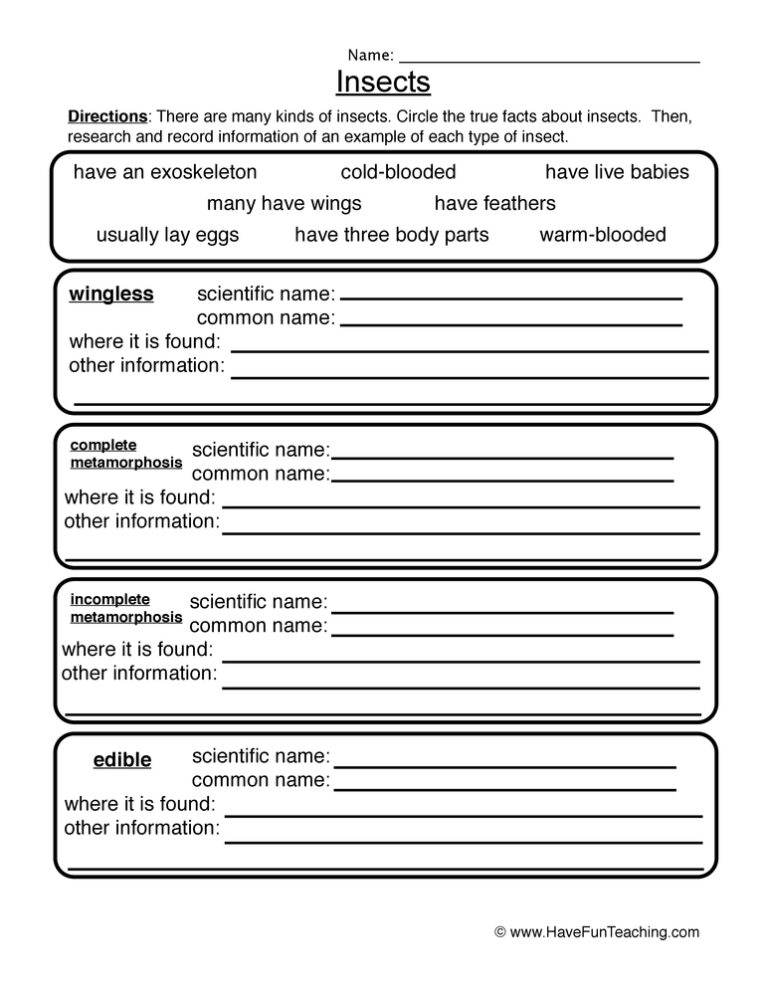
Worksheet3rd GradeInsects Worksheet

This insects worksheet helps 3rd grade students circle true insect facts, sort eight animals into insect groups, and explain why a spider is not an insect, with an answer key included for easy checking.

Worksheet
Worksheet3rd GradeBirds Worksheet

This birds worksheet has 3rd graders circle the facts true of all birds, sort eight animals into Bird and Not a Bird, and explain why a bat is not a bird. Answer key included.

Worksheet
Worksheet3rd GradeFish Worksheet

This fish worksheet has 3rd graders circle the facts that are true of all fish, sort eight animals into Fish and Not a Fish, and explain how a dolphin is different. Answer key included.

Worksheet
Worksheet3rd GradeDescribe It Five Senses Worksheet

This describe it five senses worksheet has 3rd graders match five sentences to the sense that notices them, then write their own description. An answer key is included for quick, no-prep science practice.

From our teachers' playbook

Scales, feathers and how bodies work

What do 3rd graders learn about anatomy?

Third graders compare the bodies of different animals and ask why they are built that way. They learn the key features of each group: fish have gills and fins, birds have feathers and hollow bones, reptiles have dry scales, amphibians have moist skin, and insects have 3 body parts + 6 legs. They connect body parts to survival, like webbed feet for swimming. The click moment is when a student explains a trait's job instead of just naming it.

Our favorite ways to teach anatomy

Third graders love sorting animals and arguing about which group they belong in.

Animal group profiles

Assign each small group one animal class, like reptiles, and have them complete the worksheet and teach the class its key traits. Kids remember what they teach others.

Why it works: going from real objects to pictures to symbols is a core recommendation of the U.S. Department of Education's elementary math guide.

Reptiles WorksheetTry it withReptiles WorksheetWorksheetsOpen it →

Compare and contrast

After studying amphibians and reptiles, have kids fill in a Venn diagram using the two worksheets. Mixing the groups side by side shows which traits really set them apart.

Why it works: mixing different kinds of problems in one practice set helped students do far better on a later test (Rohrer and Taylor, 2007).

Amphibians WorksheetTry it withAmphibians WorksheetWorksheetsOpen it →

Start with our own bodies

Kick off the unit with the Parts of the Body song, then ask, "Which of these parts does a bird have? A fish?" Comparing to human anatomy gives kids a familiar starting point.

Why it works: words set to a repeating melody are easier to recall than the same words spoken (Wallace, 1994).

Parts of the Body Song (Animated Music Video)Try it withParts of the Body Song (Animated Music Video)SongsOpen it →

Questions teachers and parents ask about anatomy

What do 3rd graders learn about animal anatomy?

They learn the body features of animal groups like fish, birds, reptiles, amphibians, mammals and insects, and how those features help each animal survive.

What is the difference between reptiles and amphibians?

Reptiles have dry, scaly skin and lay eggs on land. Amphibians have moist skin and usually start life in water, like tadpoles becoming frogs.

How do I make anatomy hands-on?

Use models, clay builds and real observations, like looking at a feather under a magnifying glass. Kids remember what they touch and build.

How can I teach anatomy at home?

Visit a pet store or zoo and sort animals by group. Ask your child what body part helps each animal move, eat or stay safe.



