

Amphibians Life Science Reading Comprehension Worksheet
This amphibians life science reading comprehension worksheet gives 2nd grade students a nonfiction passage, four questions and a written response. An answer key is included, so a pond life lesson is ready to print.
$6.97
Or free with a membership — members pay $3.33/mo for all 10,000+ resources. See plans
Want this one free?
Tell us where to send it and it’s yours — no card, no catch.
One free resource per teacher. We’ll also send free teaching ideas each week — unsubscribe anytime.
Teaching is easier with a membership
Unlimited printables, games & videos for PreK–6th — for your classroom or homeschool. Cancel anytime.
Start your 3-day free trial$0 today · cancel anytime · Instant access to 10,000+ resources
About this resource
Description
Frogs, toads, newts and salamanders are the animals second graders already notice at the edge of a pond, and they are the perfect way into a life science unit. This amphibians life science reading comprehension worksheet gives students a short nonfiction passage that explains what makes an animal an amphibian, how a tadpole turns into a frog, and why these animals never stray far from water. The passage runs 182 words, is written on grade level, and introduces the words vertebrate, gills and metamorphosis by defining each one in the sentence that uses it.
The sheet is print-and-go and takes about fifteen minutes. Page one carries the illustrated passage, page two carries four multiple-choice questions and a written response, and page three is the answer key. Students fill in a bubble for each answer, then write one way a frog changes as it grows and explain it using the text. That last item is where reading practice and science content meet. Use this 2nd grade life science worksheet to open an animal classification unit, in a small reading group, or as homework a family can talk about.
What’s Included
- An original 182-word nonfiction passage about amphibians, written for 2nd grade
- A full-color pond illustration showing a frog, a newt and swimming tadpoles
- Four multiple-choice comprehension questions with three choices each
- A short written response about how a frog changes as it grows
- A complete answer key on the final page
Three Reasons This Helps Kids
- Every question can be answered from the passage, so students practice finding text evidence instead of guessing.
- The science vocabulary is defined in context, which is exactly how state reading tests ask students to work out a new word.
- The written item asks for an explanation, the first step toward writing about what they have read.
Teacher and Parent Ideas
- Before reading, ask students to name every animal they think lives in a pond, then check the list against the passage.
- After reading, have students draw the life cycle of a frog in four boxes and label each stage.
- Compare an amphibian with a fish or a reptile on a two-column chart and talk about the skin and the backbone.
- Pair this amphibians life science reading comprehension worksheet with another life science passage for a full week of nonfiction reading.
Related Resources
What teachers say
Reviews
You must be logged in to post a review.
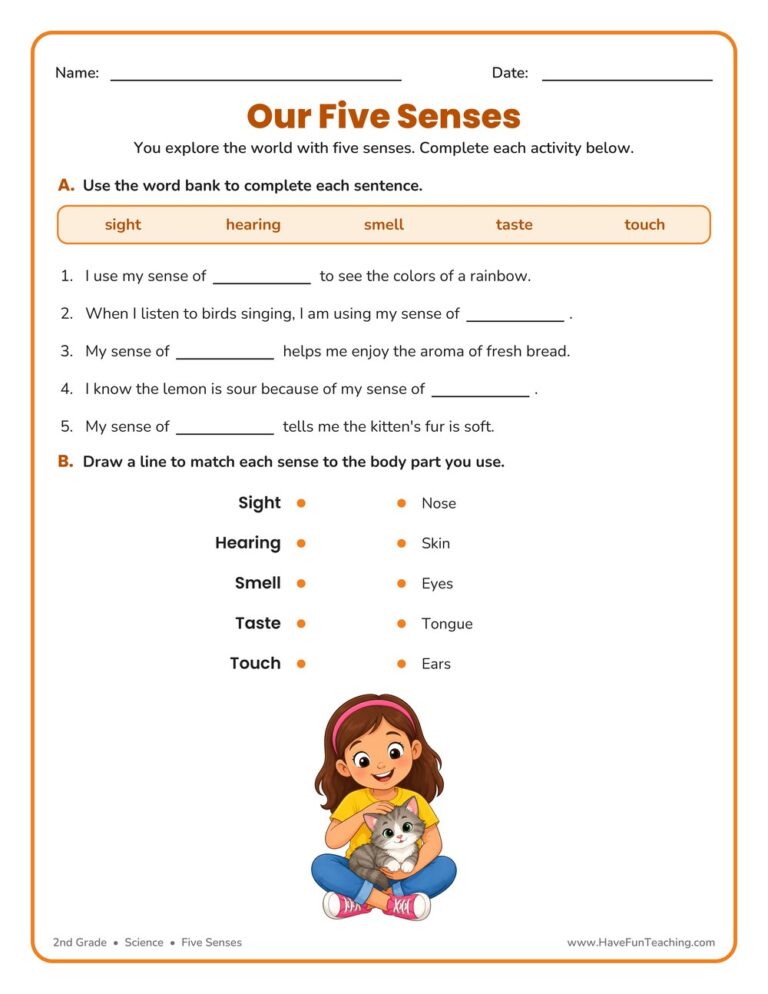
The Senses Fill in the Blanks Worksheet gives 2nd grade students word-bank practice completing sentences about sight, hearing, smell, taste, and touch, plus a sense-to-body-part match. Answer key included for quick, no-prep science review.

The Life Cycle of a Butterfly Worksheet has 2nd graders label the egg, larva, pupa, and adult stages and put them in the correct order. Answer key included for quick, hands-on life science practice.
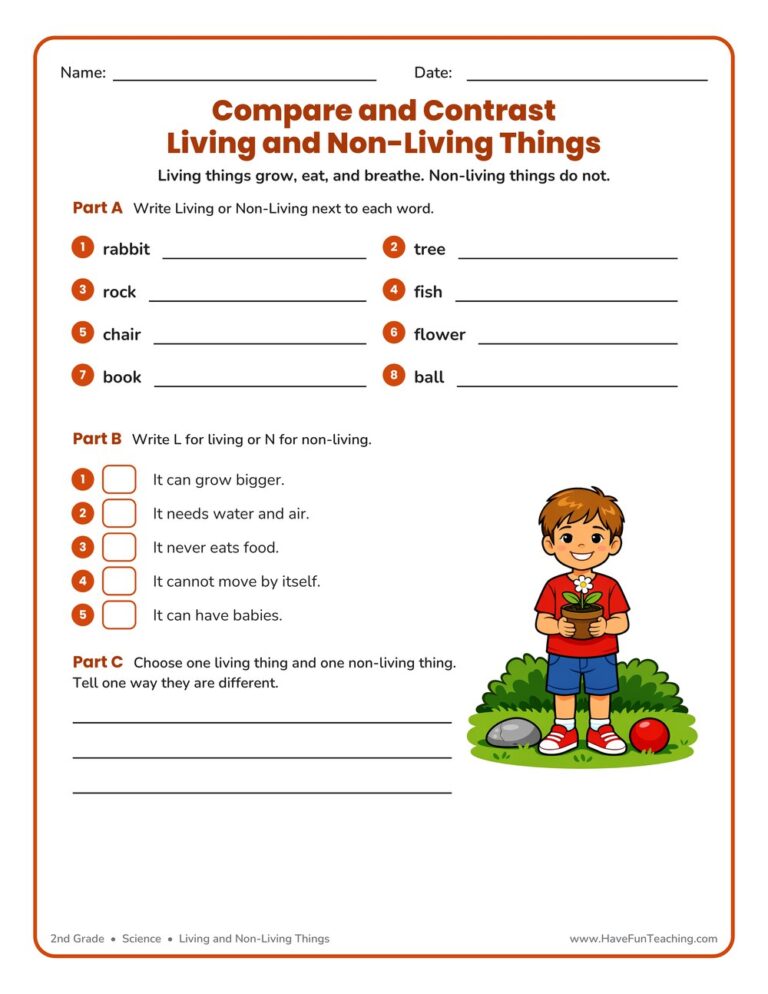
A hands-on characteristics of living and non-living things worksheet for 2nd grade, where students sort words, judge true traits, and compare examples. Includes an answer key for quick, no-prep science practice.

This matching animal habitats worksheet has 2nd Grade students connect five animals to the ocean, pond, desert, forest, and grassland, then finish three sentences. An answer key is included for fast, no-prep science practice.
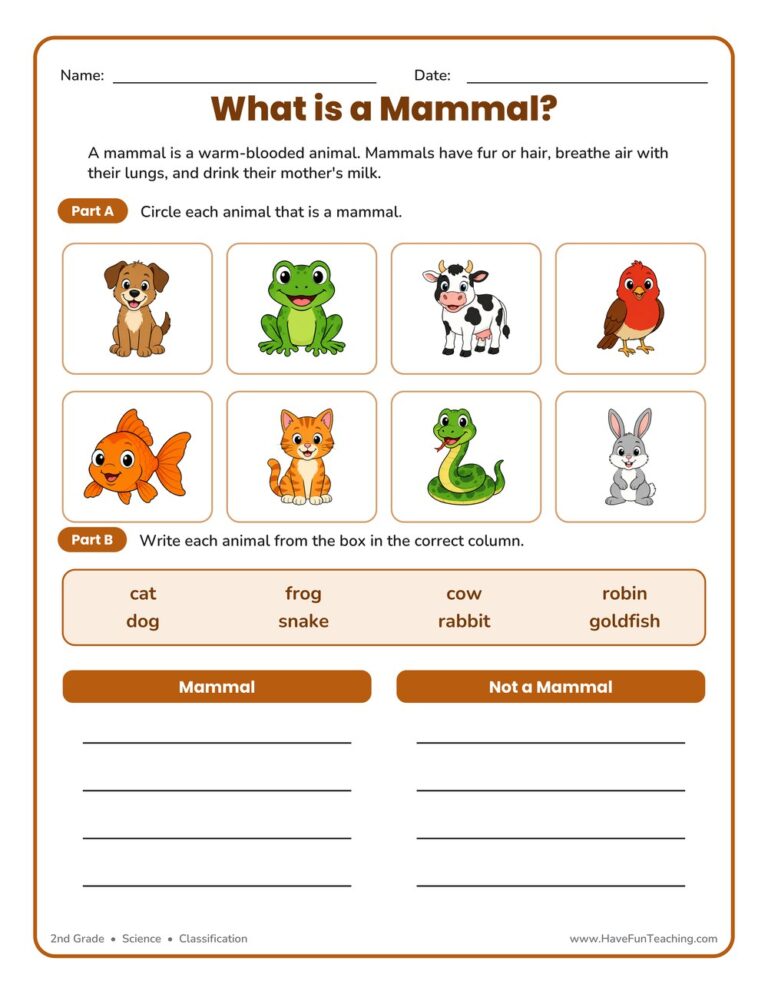
This mammal classification worksheet helps 2nd graders spot mammals and sort animals into mammal and not-a-mammal groups. It includes a complete answer key, making it perfect for no-prep science practice at home or in the classroom.
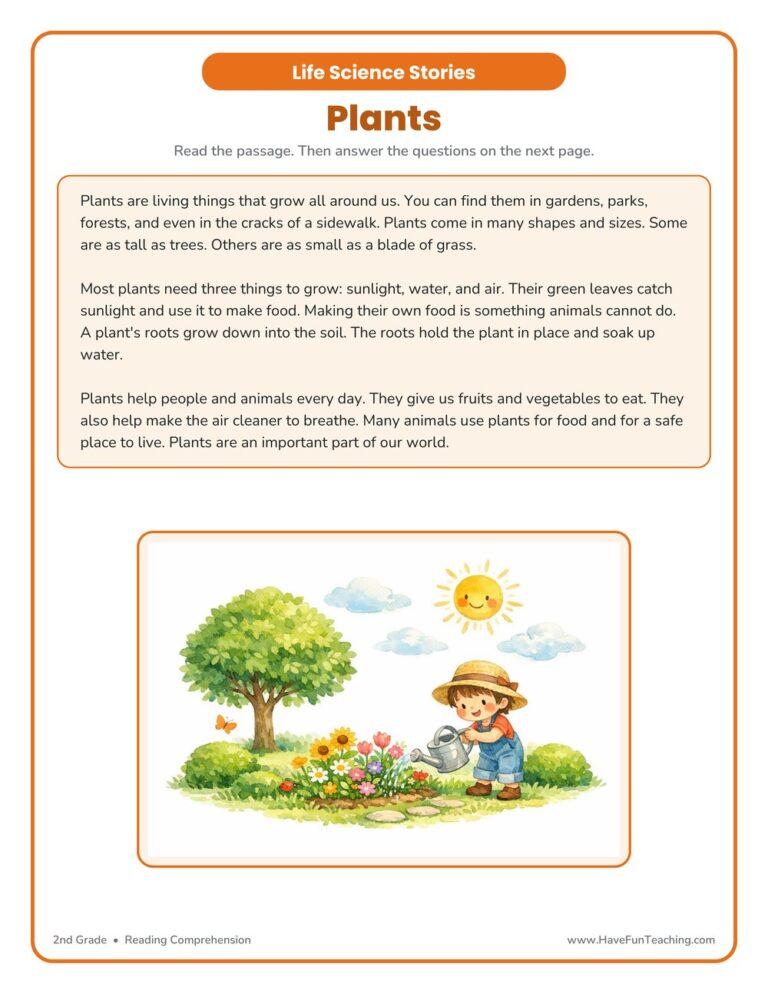
This Plants Life Science Reading Comprehension Worksheet gives 2nd graders a short nonfiction passage about plants plus questions that build reading comprehension. Includes a complete answer key — perfect for no-prep science and reading practice.
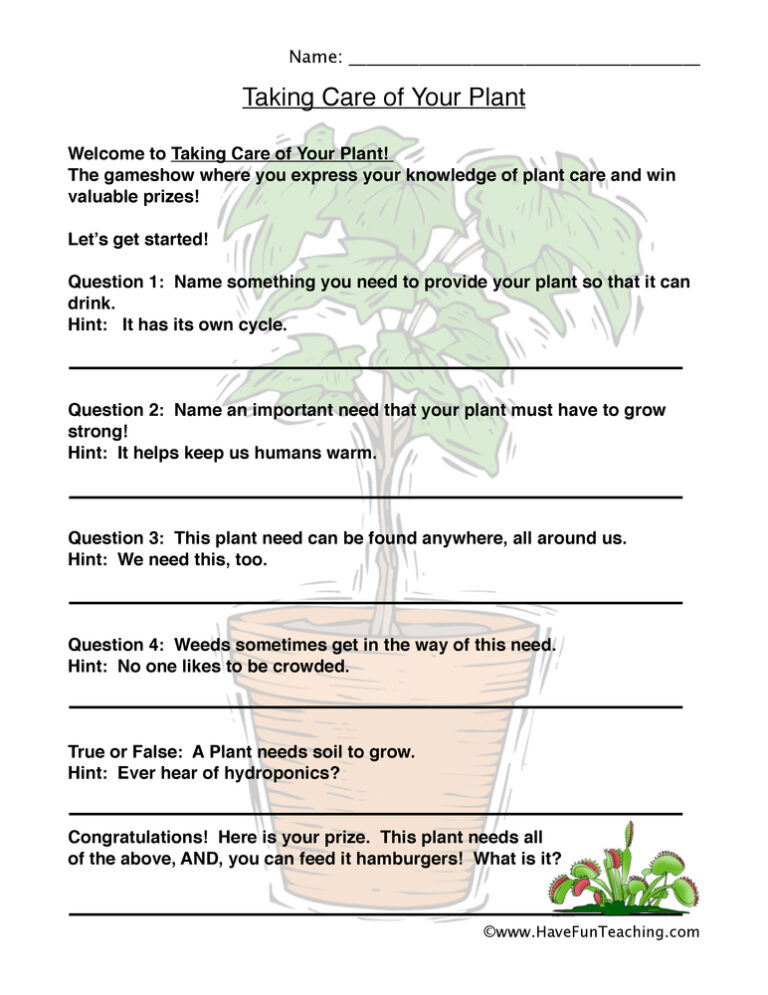
A hands-on plant needs worksheet where 2nd graders name the five things every plant must have, then match three pictures to the needs they show. Answer key included for quick, no-prep science practice.
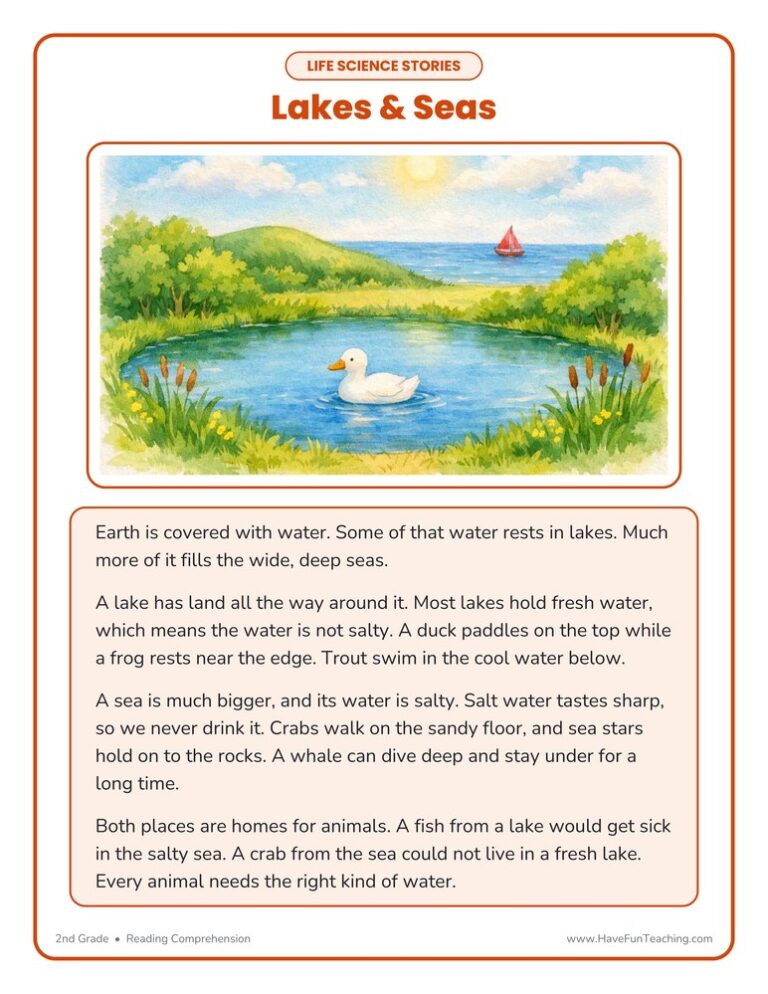
This Lakes and Seas Life Science Reading Comprehension Worksheet gives 2nd Grade students an original passage about fresh water and salt water habitats, with bubble, fill-in, and writing questions. Answer key included.
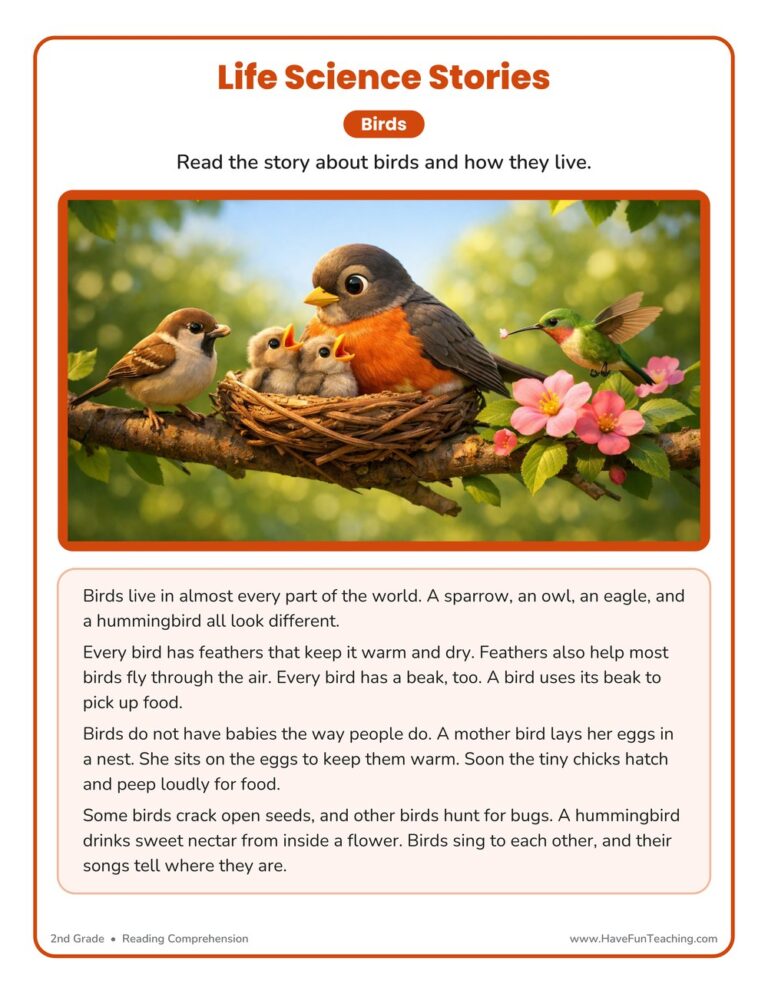
A nonfiction bird passage for 2nd graders, with questions on feathers, nests, and what birds eat. This Birds Life Science Reading Comprehension Worksheet includes an answer key for easy, no-prep science reading practice.
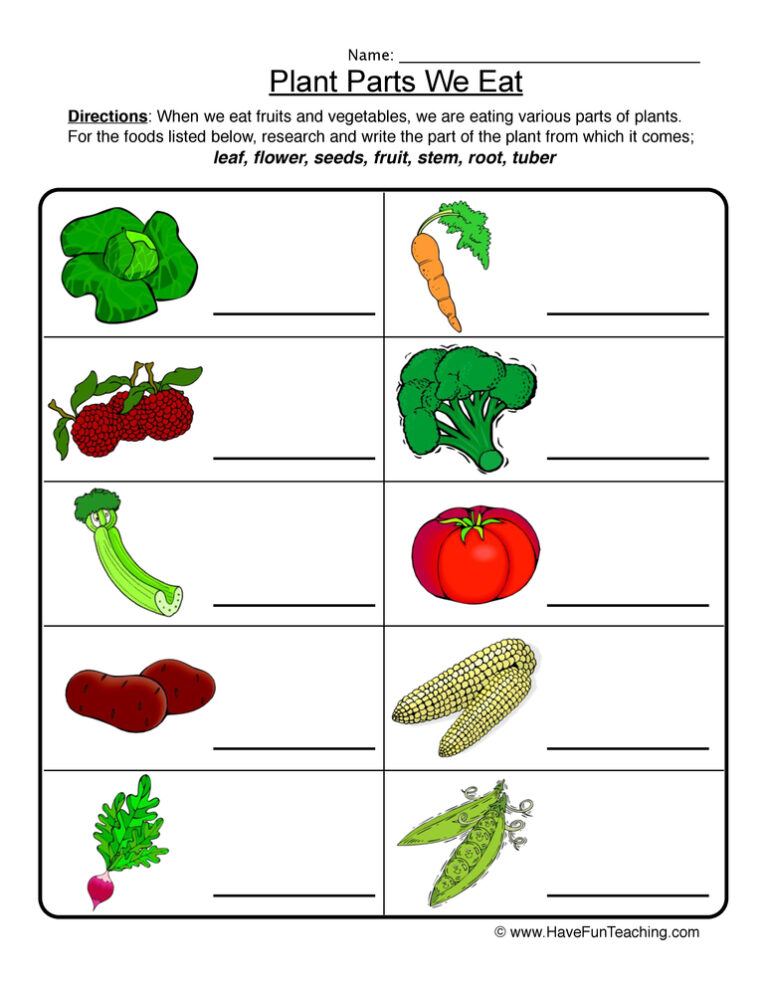
This plant parts worksheet asks 2nd grade students to name the plant part each of six familiar foods comes from, using a word box. An answer key is included, so checking work takes seconds.
This Plant Parts Drawing Worksheet has 2nd Grade students match each plant part to its job, then draw and label a whole plant. An answer key is included, so checking plant vocabulary is quick and easy.
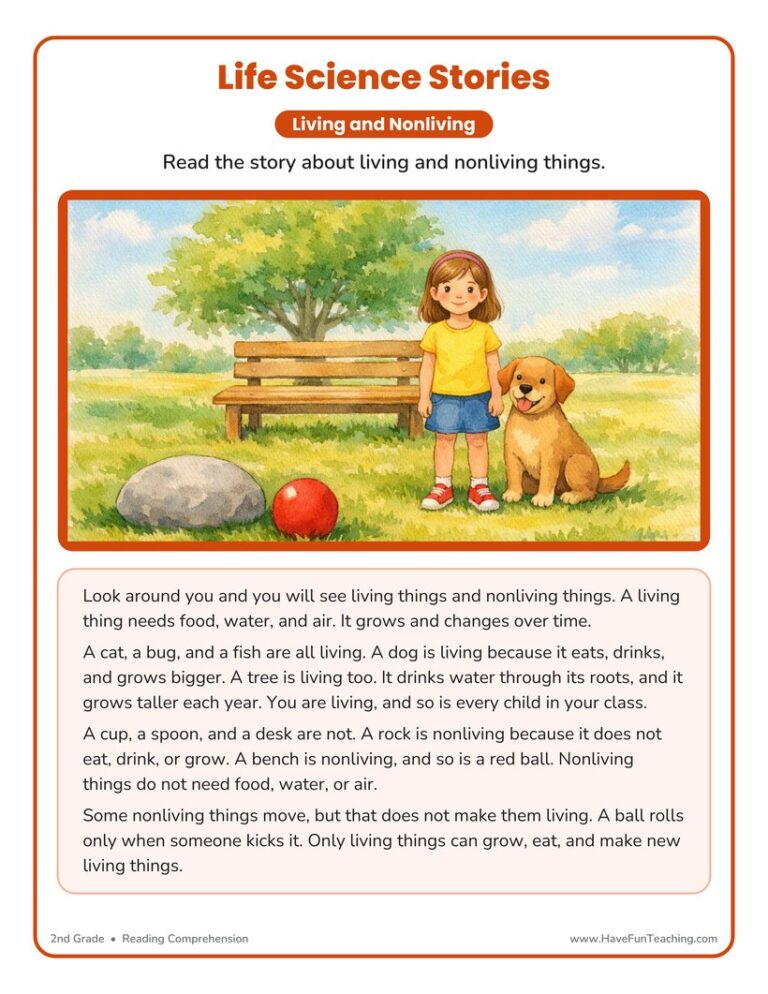
This Living and Nonliving Life Science Reading Comprehension Worksheet gives 2nd Grade students a short science passage, comprehension questions, and word-bank practice. An answer key is included, so it is ready to print and teach.




Reviews
There are no reviews yet