
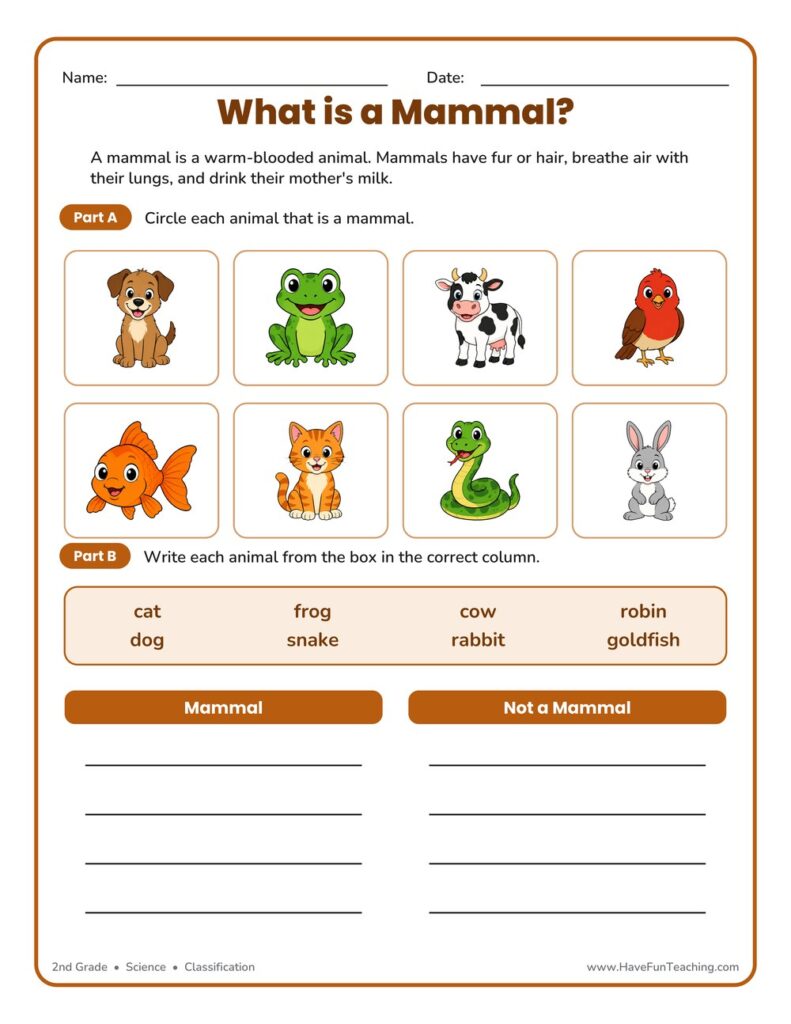
Mammal Classification Worksheet
This mammal classification worksheet helps 2nd graders spot mammals and sort animals into mammal and not-a-mammal groups. It includes a complete answer key, making it perfect for no-prep science practice at home or in the classroom.
$6.97
Or free with a membership — members pay $3.33/mo for all 10,000+ resources. See plans
Want this one free?
Tell us where to send it and it’s yours — no card, no catch.
One free resource per teacher. We’ll also send free teaching ideas each week — unsubscribe anytime.
Teaching is easier with a membership
Unlimited printables, games & videos for PreK–6th — for your classroom or homeschool. Cancel anytime.
Start your 3-day free trial$0 today · cancel anytime · Instant access to 10,000+ resources
About this resource
Description
Understanding how animals are grouped begins with recognizing the traits that make a mammal a mammal. This Mammal Classification Worksheet introduces second graders to the defining features of mammals: warm-blooded bodies, fur or hair, breathing air with their lungs, and drinking their mother’s milk. With a clear definition and friendly pictures, students get hands-on practice telling mammals apart from other animals such as fish, birds, reptiles, and amphibians.
This printable animal classification worksheet is designed for young scientists. On the first page, students read a short definition of a mammal, then look closely at eight friendly animal pictures and circle each one that is a mammal. Next, they sort a set of animals into two columns, Mammal and Not a Mammal, by writing each animal name where it belongs. Use it as a guided lesson, an independent center activity, or a quick review of animal groups.
What’s Included
- 1 print-ready PDF worksheet
- Answer key
- Two classification activities: circle the mammals and sort animals into a two-column chart
This Mammal Classification Worksheet helps children learn in three important ways. First, the picture-based circling activity builds visual recognition of real mammals, so the idea sticks in a memorable way. Second, sorting animal names into a chart strengthens both reading and reasoning, because students must decide why each animal does or does not belong. Third, the simple checklist of mammal traits at the top gives every learner the same tool to rely on, building confidence and independence.
To extend the lesson, invite students to name other mammals they know, from pets and farm animals to animals at the zoo, and add them to the chart. Families can go on a mammal hunt around the house or neighborhood, spotting animals with fur and asking whether each one fits the mammal checklist. Pairing the worksheet with an animal song or a short nature walk makes classifying animals feel like play while reinforcing the science.
Related Resources
What teachers say
Reviews
You must be logged in to post a review.

The Life Cycle of a Butterfly Worksheet has 2nd graders label the egg, larva, pupa, and adult stages and put them in the correct order. Answer key included for quick, hands-on life science practice.

This matching animal habitats worksheet has 2nd Grade students connect five animals to the ocean, pond, desert, forest, and grassland, then finish three sentences. An answer key is included for fast, no-prep science practice.

An animals bar graph worksheet for 2nd grade: students color one box per animal to build a four-category bar graph, then compare and add using it. Answer key included, so checking data work takes seconds.
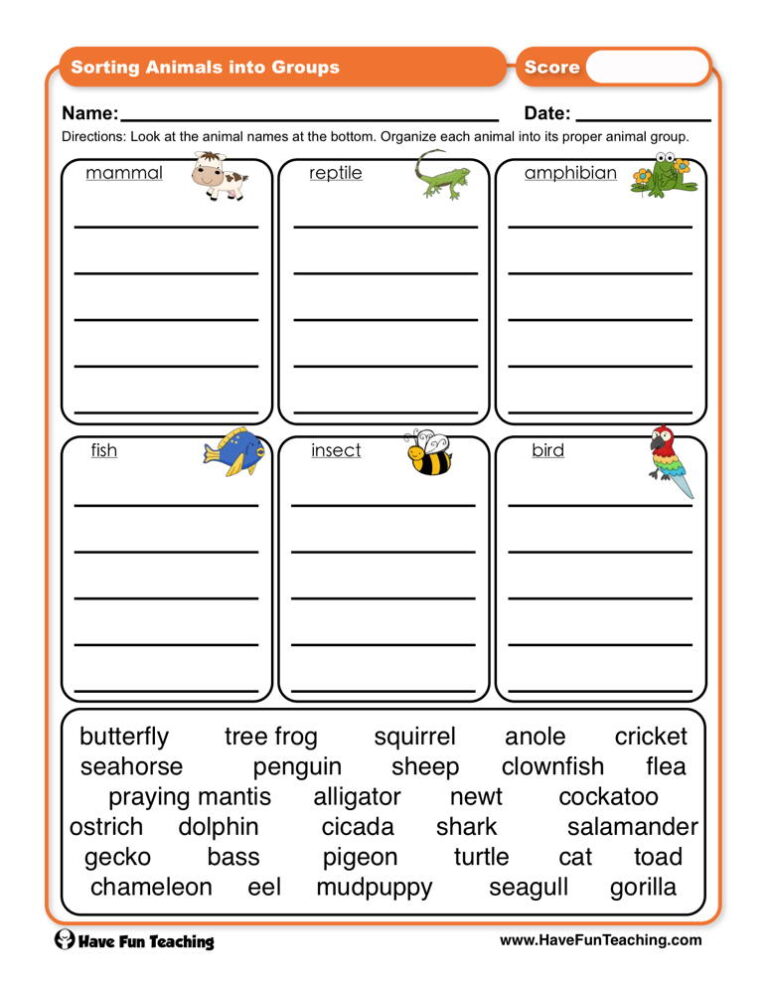
Practice animal classification with this Sorting Animals into Groups Worksheet for 2nd grade. Students sort twelve animals into six groups, with an answer key included for easy checking.

Using this Animal Song (Animated Music Video), your students learn about different types of animals and their sounds by watching this fun, catchy video.
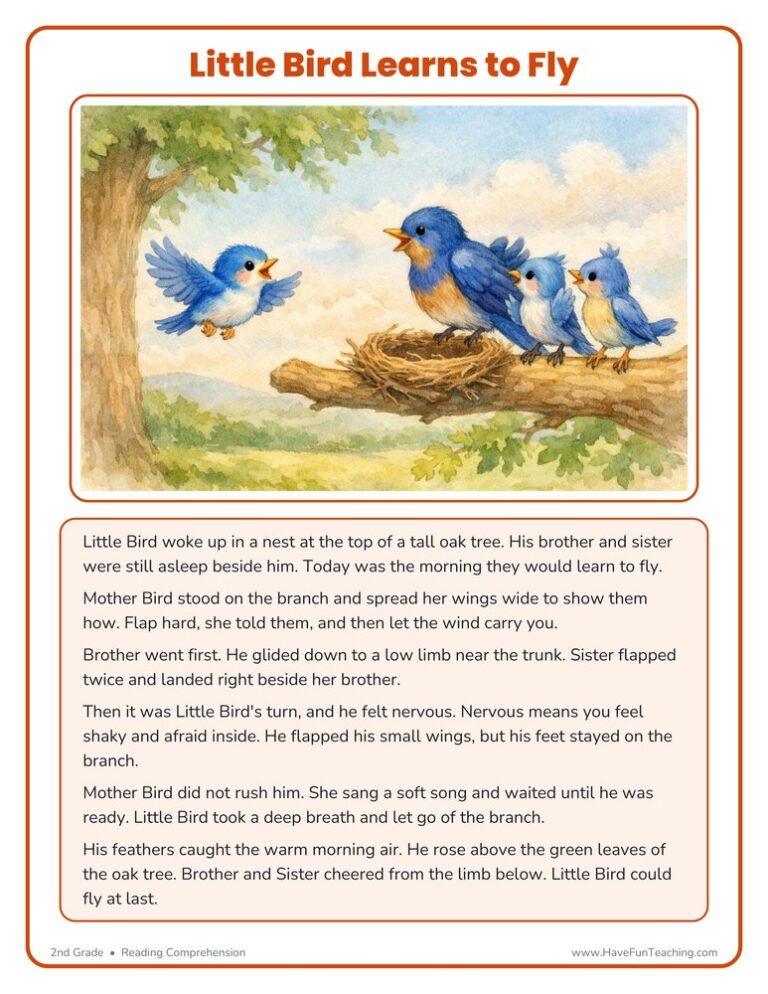
This Little Bird Learns to Fly Reading Comprehension Worksheet gives 2nd graders an illustrated animal story plus six questions on main idea, vocabulary, sequence, and inference. Answer key included for fast, no-prep reading practice.
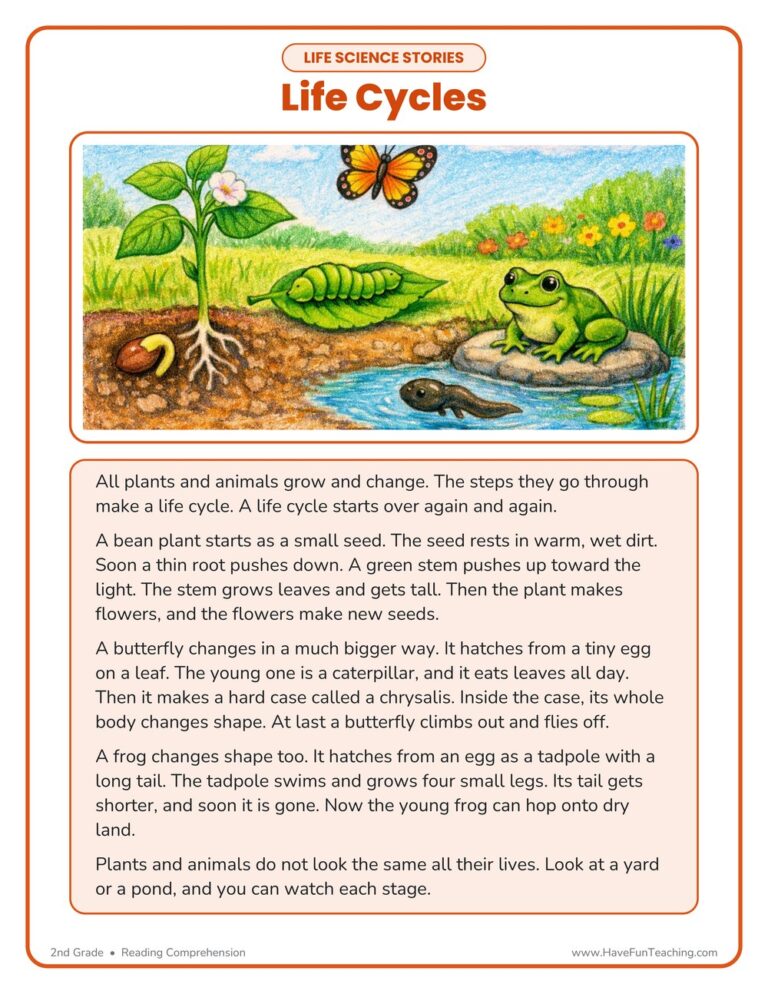
This Life Cycles Life Science Reading Comprehension Worksheet gives 2nd Grade readers a non-fiction story about seeds, caterpillars, and tadpoles, plus bubble, word-bank, and writing questions. Answer key included for fast, no-prep practice.

This butterflies reading comprehension worksheet gives 2nd graders a short non-fiction passage on the butterfly life cycle, four bubble questions, and one written response. Answer key included for fast, no-prep practice.

This mammal fish bird worksheet asks 2nd graders to name the animal group for six pictures and four trait clues. An answer key is included, so checking the work takes only a minute.
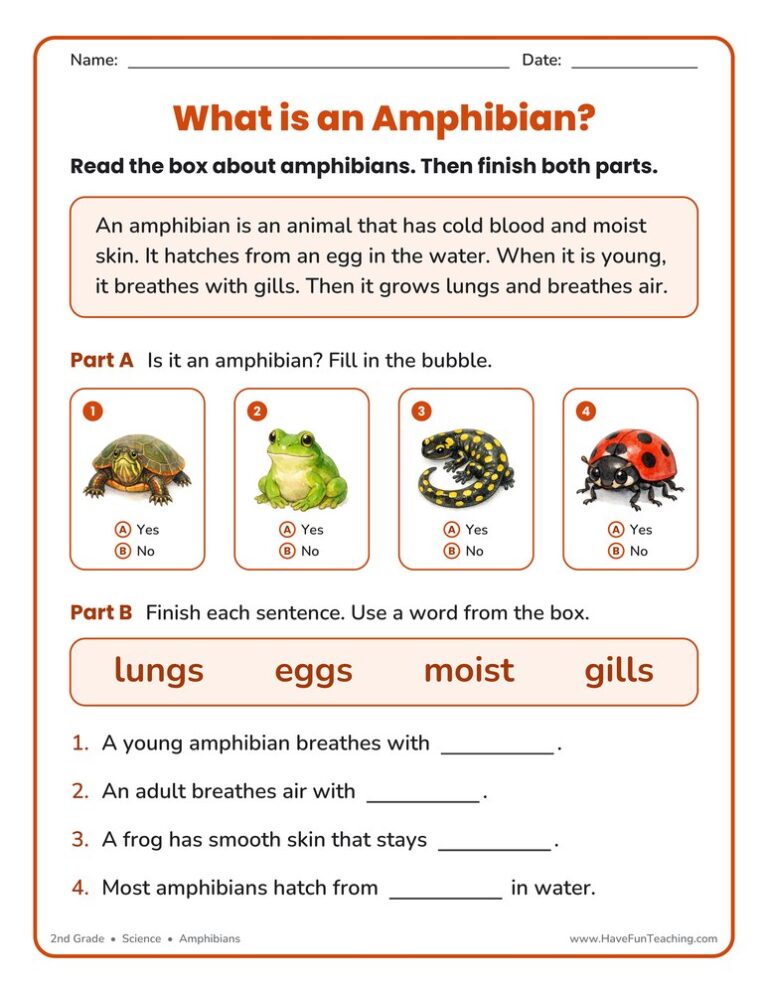
This amphibian classification worksheet asks 2nd graders to decide which animals are amphibians by checking their traits, then finish four sentences from a word bank. Answer key included for quick, no-prep science practice.
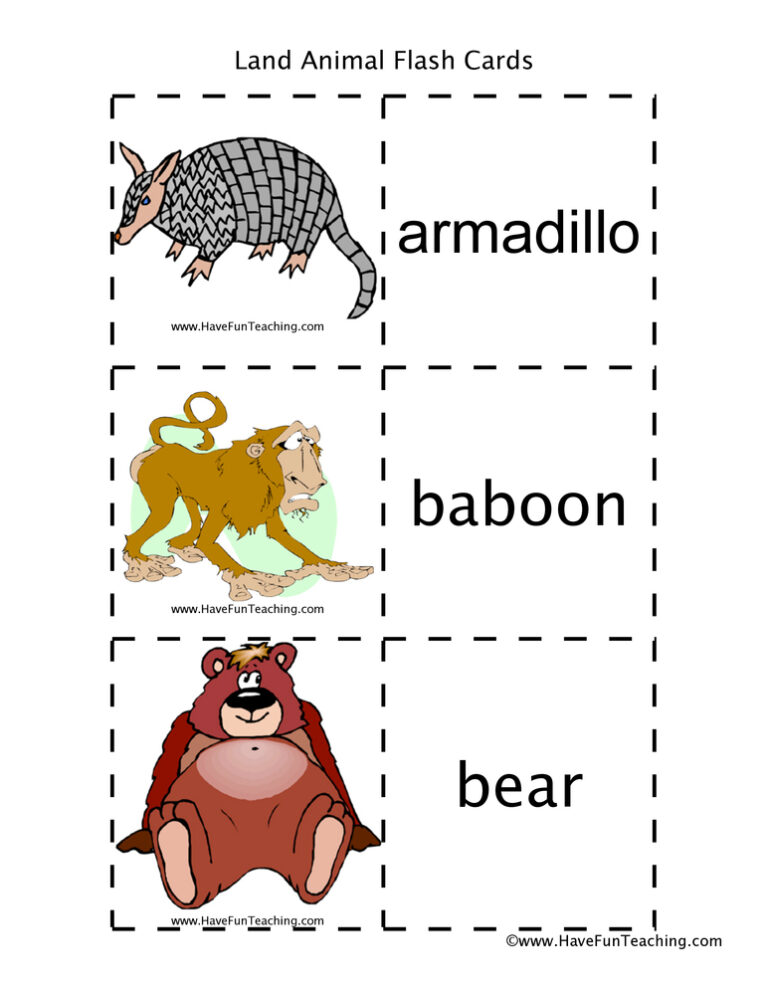
Using these Land Animal Flash Cards, students improve their Insect vocabulary by having a complete set of animal names they can use in their writing and discussions.
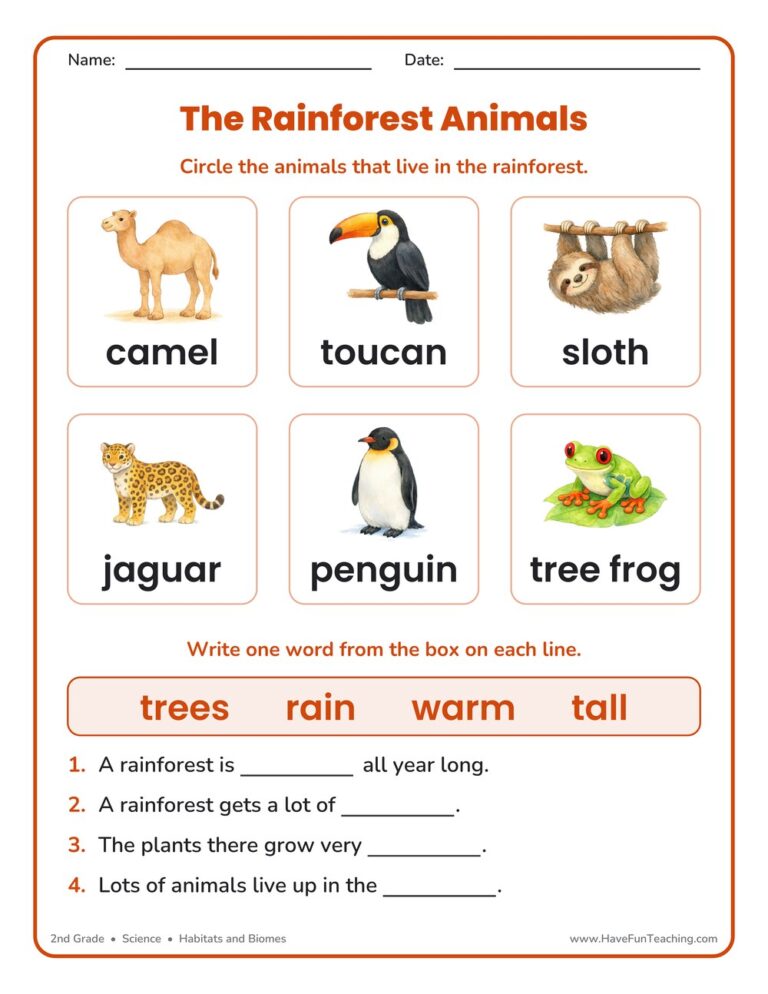
This rainforest animals worksheet asks 2nd Grade students to circle four rainforest animals and finish sentences about their habitat. Answer key included, so habitat practice takes only minutes to assign and check.
Reviews
There are no reviews yet