

Before or After Worksheet – Pictures
A picture-based before or after worksheet for Kindergarten that helps children practice sequencing everyday events like planting seeds and hatching eggs. Includes an answer key for quick, no-prep practice at home or school.
$6.97
Or free with a membership — members pay $3.33/mo for all 10,000+ resources. See plans
Want this one free?
Tell us where to send it and it’s yours — no card, no catch.
One free resource per teacher. We’ll also send free teaching ideas each week — unsubscribe anytime.
Teaching is easier with a membership
Unlimited printables, games & videos for PreK–6th — for your classroom or homeschool. Cancel anytime.
Start your 3-day free trial$0 today · cancel anytime · Instant access to 10,000+ resources
About this resource
Description
Understanding what happens before and after is one of the earliest sequencing skills young children develop, and this before or after worksheet – pictures helps kindergartners practice exactly that. By looking closely at two related pictures, children learn to recognize which event comes first and which comes next, building a foundation for reading comprehension, science observation, and everyday reasoning skills they will use throughout school. This kindergarten sequencing worksheet gives children two simple picture pairs — a seed growing into a sprout and an egg hatching into a chick — and asks them to write a 1 under the picture that happens first and a 2 under the picture that happens after. Because the activity relies entirely on pictures rather than reading, it works well for early readers, English language learners, and any child who is still building phonics skills. Print the worksheet, hand a pencil to your student, and let them talk through what they see before writing their answers.
What’s Included
- 1 print-ready PDF worksheet
- Answer key
- 2 picture-sequencing pairs (seed/sprout, egg/chick)
First, this before or after worksheet – pictures builds visual sequencing skills by asking children to compare two images and decide their correct order, a skill that transfers directly to story sequencing and science process charts. Second, the natural, real-world examples — growing plants and hatching eggs — connect the abstract idea of “before and after” to things kids already understand from daily life. Third, because there is no reading required, children build confidence completing the page independently, which encourages them to keep practicing new skills on their own. Teachers can extend this activity by acting out each sequence with real objects, such as planting a bean seed in a cup or watching a classroom egg hatch, so children physically experience the before-and-after order before returning to the worksheet. Parents can turn everyday routines — getting dressed, making a sandwich, brushing teeth — into simple before-and-after conversations, asking “what happens first?” before letting your child try the worksheet again for extra practice.
Related Resources
What teachers say
Reviews
You must be logged in to post a review.
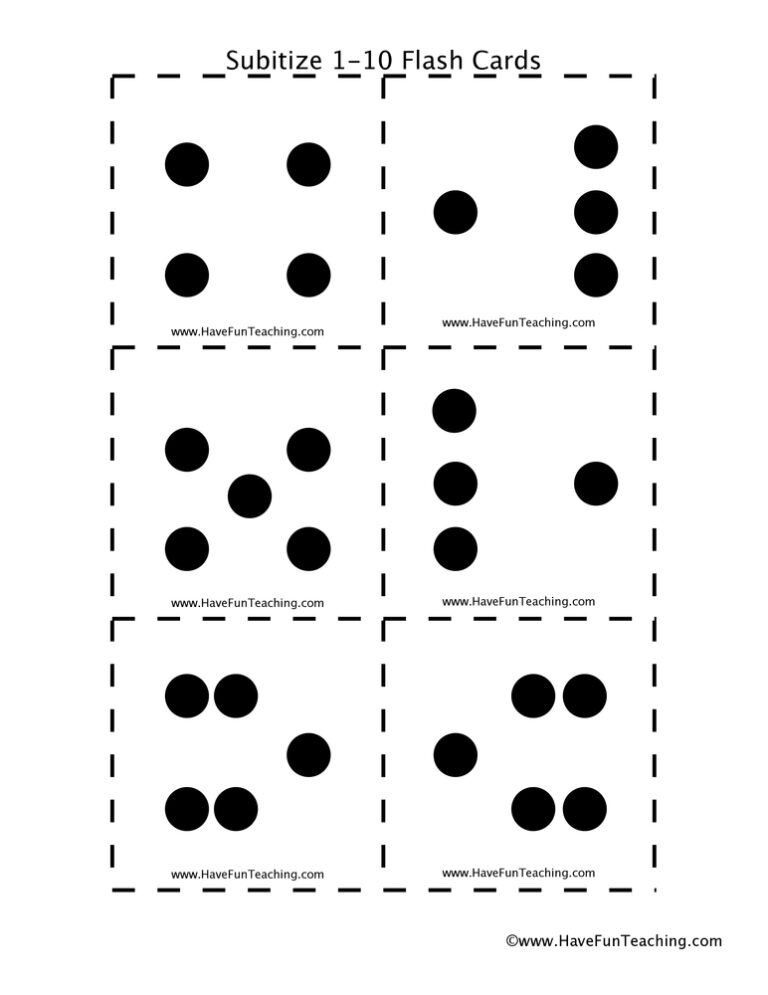
Using these Subitize 1 to 10 Flash Cards, students Learn to recognize a number of items without having to count!

These Circle Cut Outs will quickly give you templates for classroom decoration or student activities.
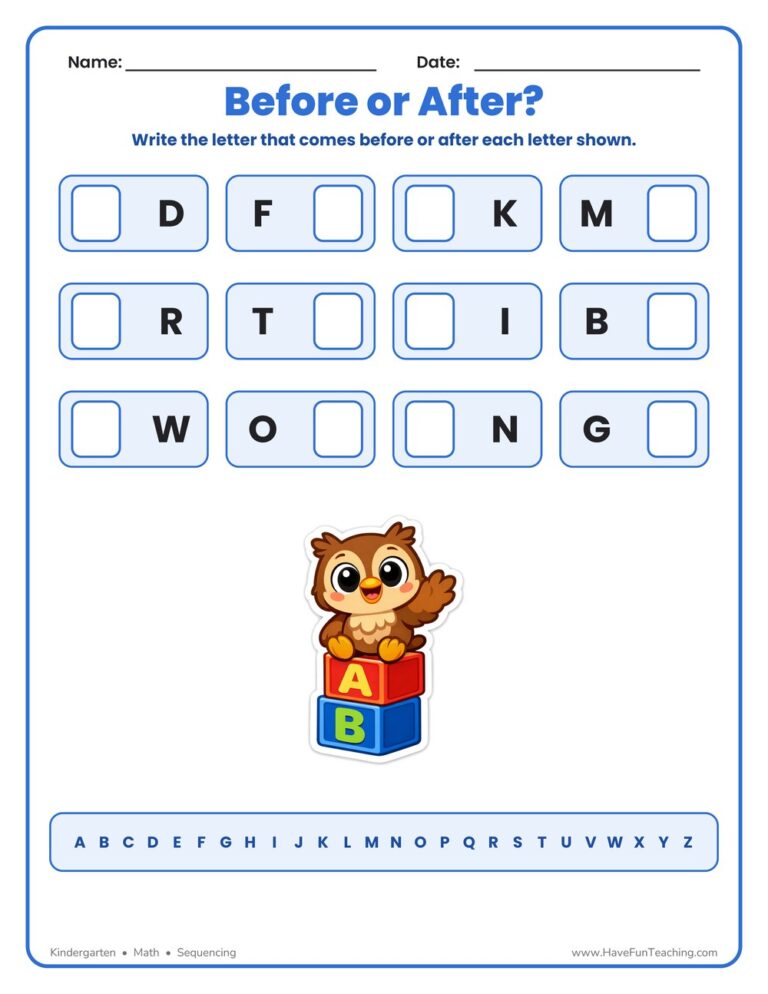
A kindergarten Before or After Letters Worksheet where students write the missing letter that comes before or after each capital letter, using a handy A–Z strip. Answer key included for quick, no-prep alphabet practice.

sequence activity, ordering activity, putting things in order, sequencing activity, sequencing pictures
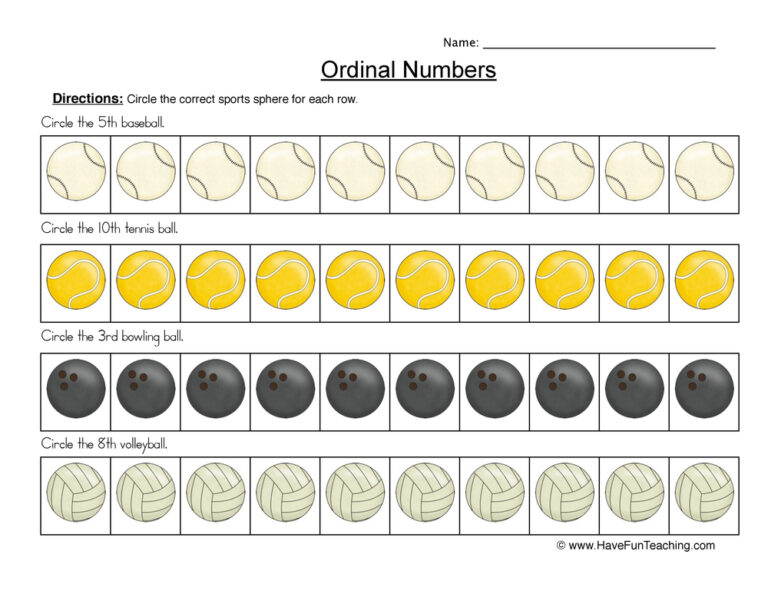
Using this Ordinal Numbers Worksheet, students circle the First, Second, Third, Fourth, and Fifth thing in each row.

This numerical order worksheet asks kindergarten students to write four mixed-up sets of numbers from 0 to 9 in order from least to greatest, with roomy boxes and an answer key included.

This smallest to biggest worksheet helps kindergarten students order cupcakes and everyday objects by size, writing 1, 2, and 3. An answer key is included for quick, easy checking.
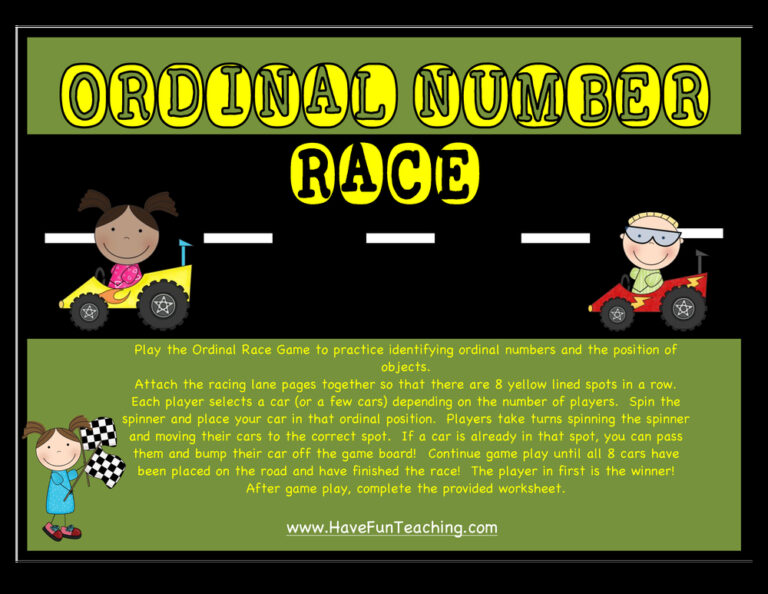
Using this Ordinal Numbers Racecar Activity, students practice identifying ordinal numbers and the position of objects.

Using this Rainy Day Skip Counting Activity, studentspractice skip counting by 2's, 5's, and 10's by putting number cards in order.
Using thisApple Themed Writing Activity, students practice their comparing, sequencing, and poem writing skills while writing all about apples!

Using thisPumpkin Themed Writing Activity, students practice their comparing, sequencing, and poem writing skills while writing all about pumpkins!




Reviews
There are no reviews yet