

Creating Producers and Consumers Worksheet
This creating producers and consumers worksheet has 4th graders sort six community situations by producer or consumer and by goods or services. An answer key is included, so it is ready for quick, no-prep social studies practice.
$6.97
Or free with a membership — members pay $3.33/mo for all 10,000+ resources. See plans
Want this one free?
Tell us where to send it and it’s yours — no card, no catch.
One free resource per teacher. We’ll also send free teaching ideas each week — unsubscribe anytime.
Teaching is easier with a membership
Unlimited printables, games & videos for PreK–6th — for your classroom or homeschool. Cancel anytime.
Start your 3-day free trial$0 today · cancel anytime · Instant access to 10,000+ resources
About this resource
Description
Producers make the goods and services that other people use, and consumers are the ones who buy and use them. Learning to tell the two apart is how students begin to understand the way a community earns, spends, and shares. This creating producers and consumers worksheet gives fourth graders a clear, hands-on way to practice that skill, because every situation on the page asks two questions at once: is this person producing or consuming, and is the exchange a good you can hold or a service that someone performs?
This 4th grade social studies worksheet works well as independent practice, as a warm-up before a lesson on community workers, or as a quick check after one. Students read six short notes about people in a neighborhood – a baker, a barber, a plumber, a furniture maker – and fill in one bubble for producer or consumer and a second bubble for goods or services. A written response at the bottom asks them to explain how one farmer can be both at the same time, which is the idea that ties the whole lesson together.
What’s Included
- 1 print-ready PDF worksheet
- Answer key
- 6 two-part classifying items and 1 written response
There are three reasons this creating producers and consumers worksheet helps students learn the skill. First, every item asks for two separate decisions, so students cannot answer by pattern; they have to read each situation and think it through. Second, the goods and services column keeps the vocabulary concrete, because a loaf of bread is something you can hold while a haircut is something a person does for you. Third, the written response moves students from recognizing the two terms to explaining them, which is the level of reasoning that fourth grade standards ask for.
Teachers and parents can extend the lesson in simple ways. Take a walk through the neighborhood and name the producers you pass, then name what each one produces. Ask students to list everything their family consumed in one day and sort that list into goods and services. Set up a classroom market where half the students produce a paper product and the other half consume it with play money, then switch the roles and run it again. You can also read the labels on lunch items and trace the goods back to the people who produced them.
Related Resources
What teachers say
Reviews
You must be logged in to post a review.
The Community Song teaches kids how to be a good citizen in the community. This is a fun citizenship song that teaches kids about being a citizen and being part of their community.

Using the Going Green Song (Animated Music Video), students learn all about ways to reduce, reuse, and recycle and so much more through a catchy video!

Using the Caring Song, students learn how to care for others at home. This song will help build confidence and your kids will want to show kindness to others. Our students need a lot of practice and examples of how to treat each other kindly. This song will help your…
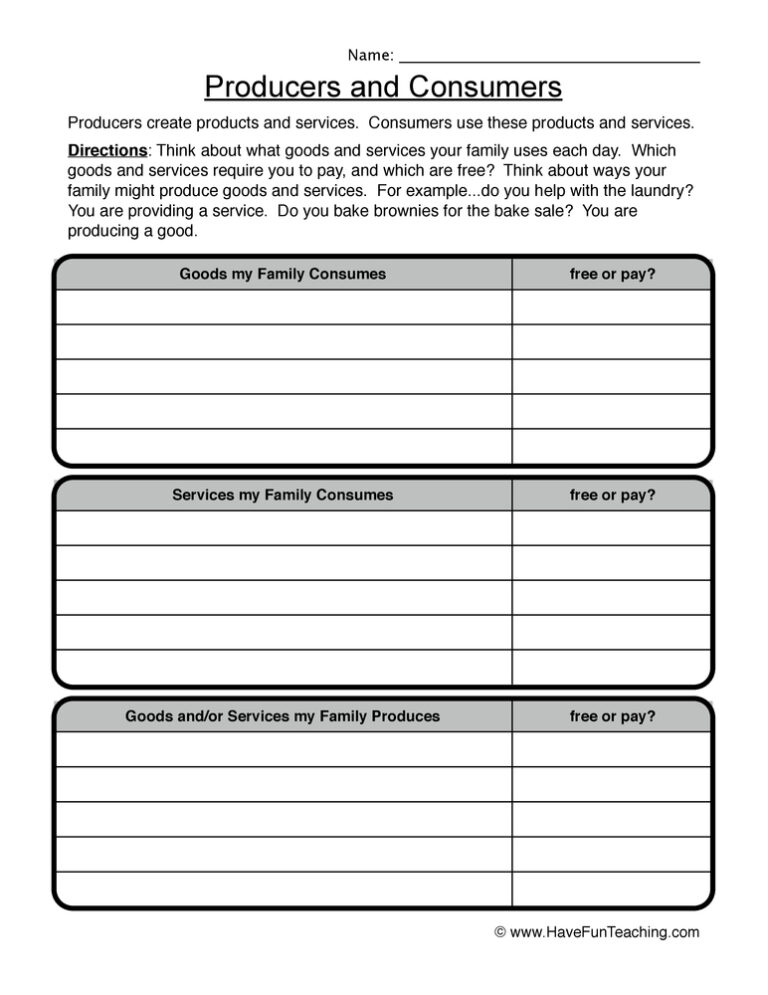
A Producers and Consumers Worksheet that has 4th graders match six everyday scenes to producer, consumer, goods, or services, then explain how a shopper pays a maker. Answer key included for quick no-prep economics practice.
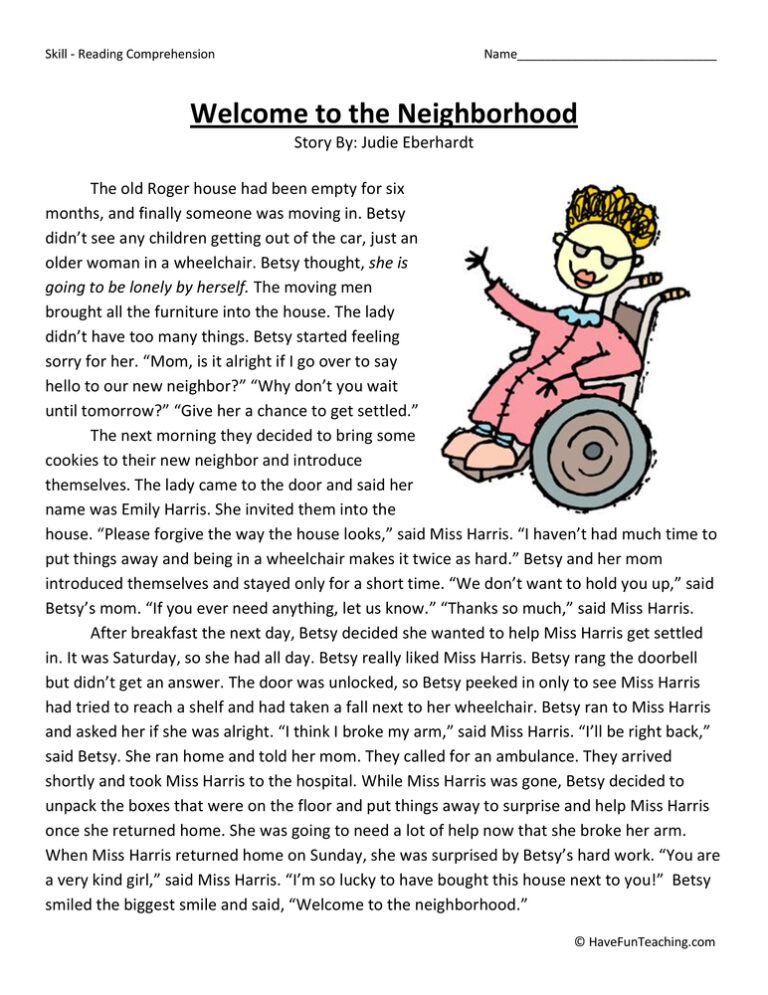
The Welcome to the Neighborhood Reading Comprehension Worksheet gives 4th grade readers a two-page community story, comprehension questions, and an answer key, so students build reading stamina and text-evidence skills in one sitting.

Using Good Citizenship Examples Worksheet, students write examples of how to be a good citizen at home, school, and in the community.
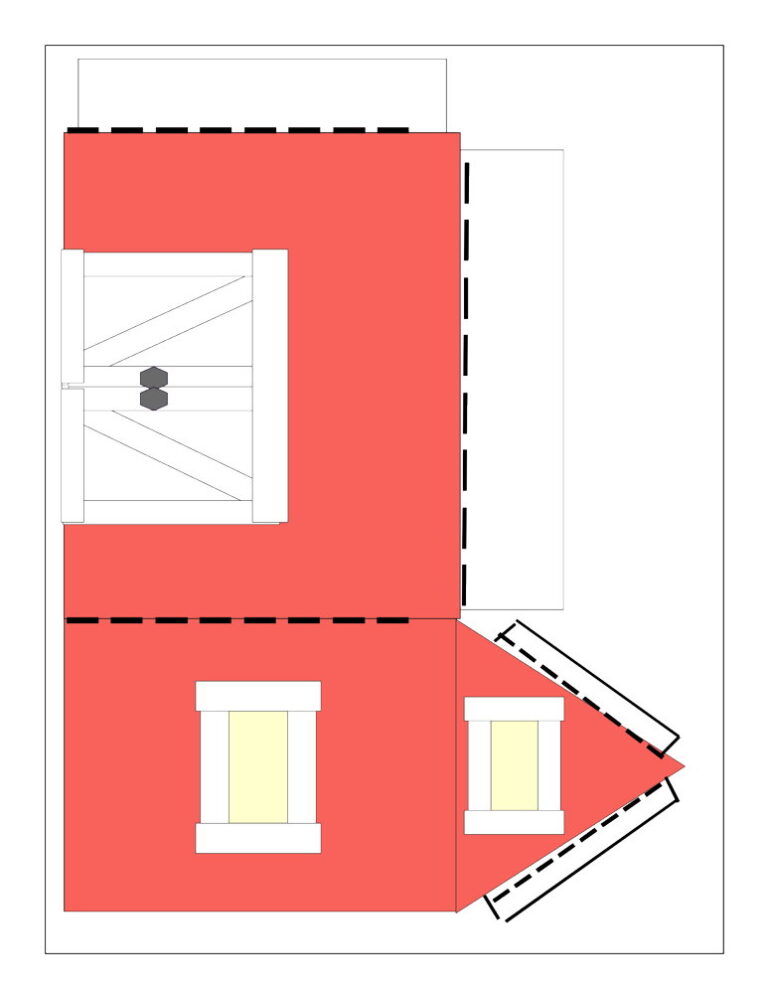
Using these Barn Cut Out, students can create a 3-D barn model by simply cutting and gluing this template.
Using Government Services Examples Worksheet, students research examples of services the government provides to its citizens.
Using School KWL Graphic Organizer, students use the graphic organizer to record what they know, want to know and then learn about schools.
Using the Community Song (MP3), students learn how to be a good citizen in the community by listening to this catchy song.

Using Fire KWL Graphic Organizer, students use the graphic organizer to record what they know, want to know and then learn about firehouses.
In this customs and cultures worksheet, 4th graders research a celebration, food, song or family custom from three American communities, cite their source, and find a custom two of them share.




Reviews
There are no reviews yet