
Skip to content
Start My 3 Free Days $0 today · cancel anytime

4th Grade Community Resources

14 4th grade community resources: 8 worksheets, 4 songs, 4 videos and more. How teachers use these

4th Grade Community Resources

14 4th grade community resources: 8 worksheets, 4 songs, 4 videos and more. How teachers use these

Video
Video4th GradeCommunity Song

The Community Song teaches kids how to be a good citizen in the community. This is a fun citizenship song that teaches kids about being a citizen and being part of their community.

Video
Video4th GradeCommunity Song (MP3)

Using the Community Song (MP3), students learn how to be a good citizen in the community by listening to this catchy song.

Video
Video4th GradeGoing Green Song (Animated Music Video)

Using the Going Green Song (Animated Music Video), students learn all about ways to reduce, reuse, and recycle and so much more through a catchy video!

Worksheet
Worksheet4th GradeGood Citizenship Examples Worksheet

This good citizenship examples worksheet has 4th graders sort helpful acts by place and judge four real-life choices, with an answer key included, so kids see citizenship at school, at home, and in town.

Video
Video4th GradeCaring Song

Using the Caring Song, students learn how to care for others at home. This song will help build confidence and your kids will want to show kindness to others. Our students need a lot of practice and examples of how to treat each other kindly. This song will help your…

4th GradeBathroom Door Signs Enter and Do Not Enter

Using these Bathroom Door Signs - Enter and Do Not Enter, students improve their bathroom procedures by using these signs to know if the bathroom is occupied or not.

Worksheet
Worksheet4th GradeCreating Producers and Consumers Worksheet

This creating producers and consumers worksheet has 4th graders sort six community situations by producer or consumer and by goods or services. An answer key is included, so it is ready for quick, no-prep social studies practice.

Assessment
Assessment4th GradeWelcome to the Neighborhood Reading Comprehension Worksheet

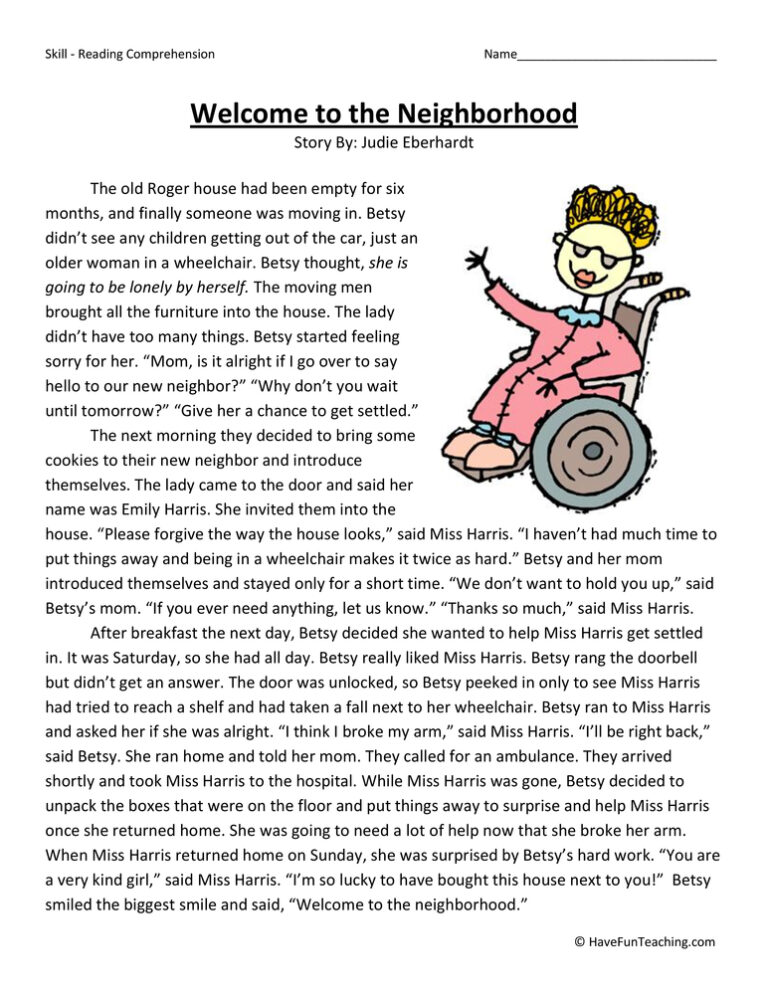
The Welcome to the Neighborhood Reading Comprehension Worksheet gives 4th grade readers a two-page community story, comprehension questions, and an answer key, so students build reading stamina and text-evidence skills in one sitting.

Worksheet
Worksheet4th GradeLake Park Reading Comprehension Worksheet

This Lake Park reading comprehension worksheet gives 4th graders a two-page non-fiction passage about a public lake park, four multiple-choice questions and a written response. Answer key included.

Worksheet
Worksheet4th GradeProducers and Consumers Worksheet

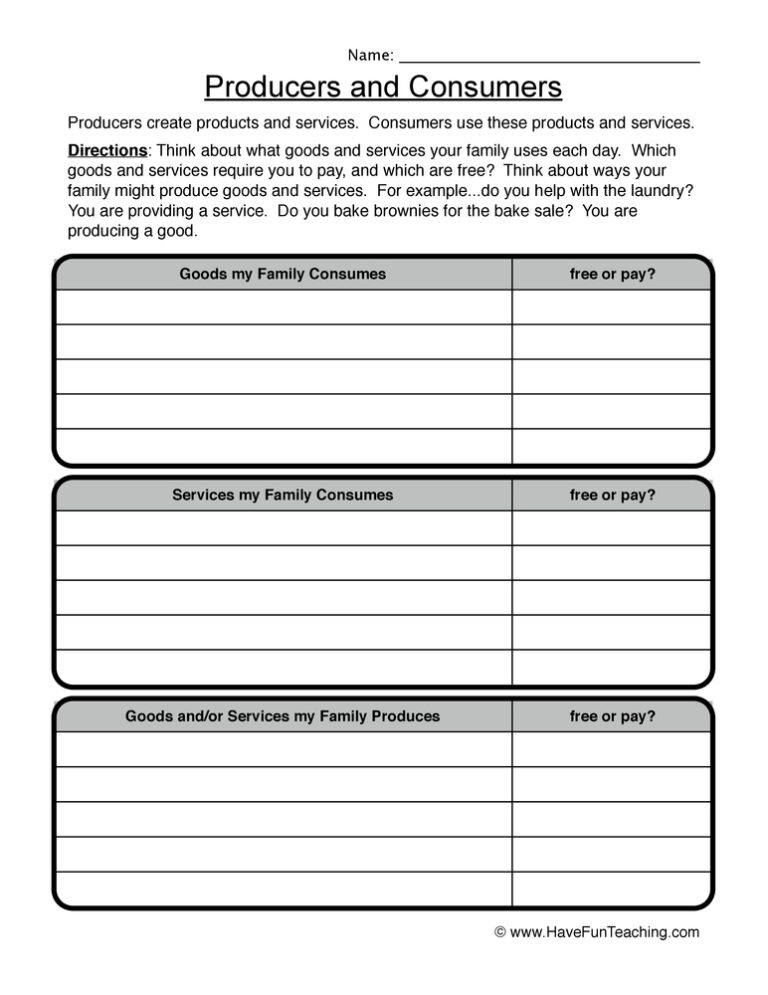
A Producers and Consumers Worksheet that has 4th graders match six everyday scenes to producer, consumer, goods, or services, then explain how a shopper pays a maker. Answer key included for quick no-prep economics practice.

Worksheet
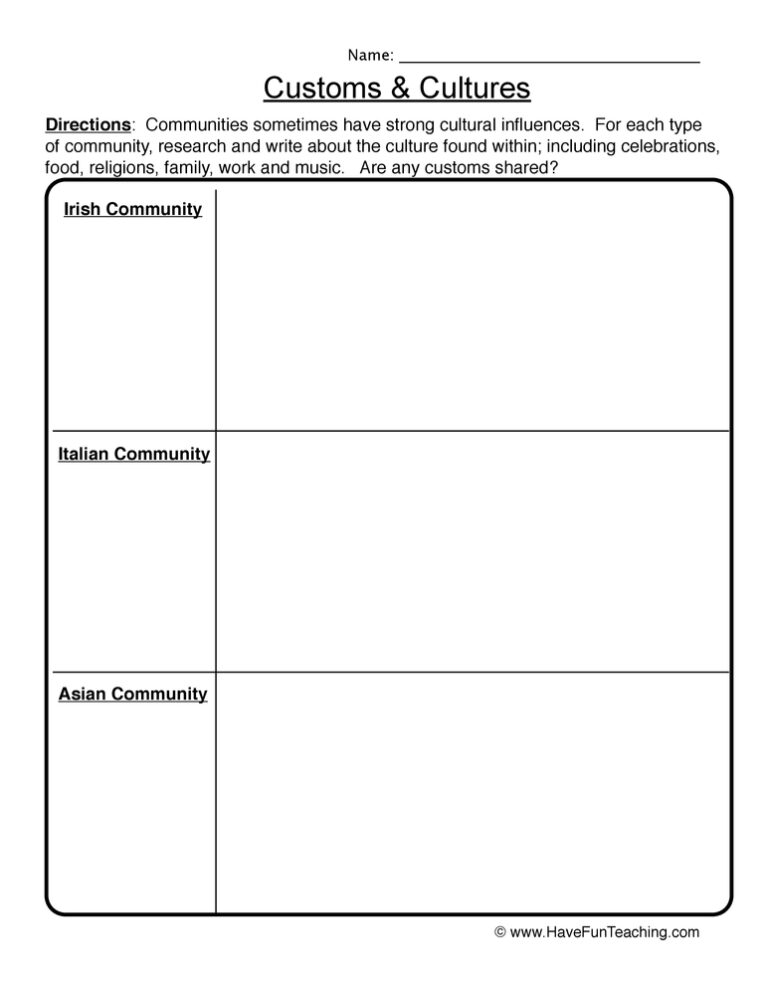
Worksheet4th GradeIrish, Italian, Asian Customs and Cultures Worksheet

With this customs and cultures worksheet, 4th graders look up a celebration, food, song or family custom from Irish, Italian and Asian American communities, note their source, and compare what they find.

Worksheet
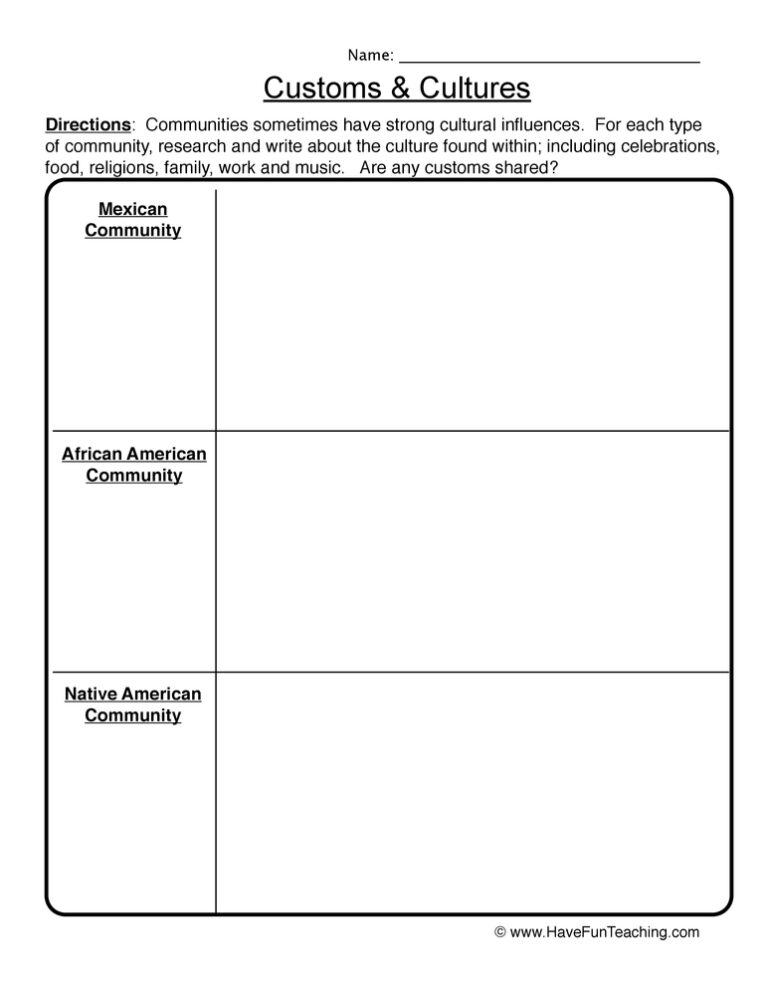
Worksheet4th GradeMexican, African American, Native American Customs and Cultures Worksheet

In this customs and cultures worksheet, 4th graders research a celebration, food, song or family custom from three American communities, cite their source, and find a custom two of them share.

Worksheet
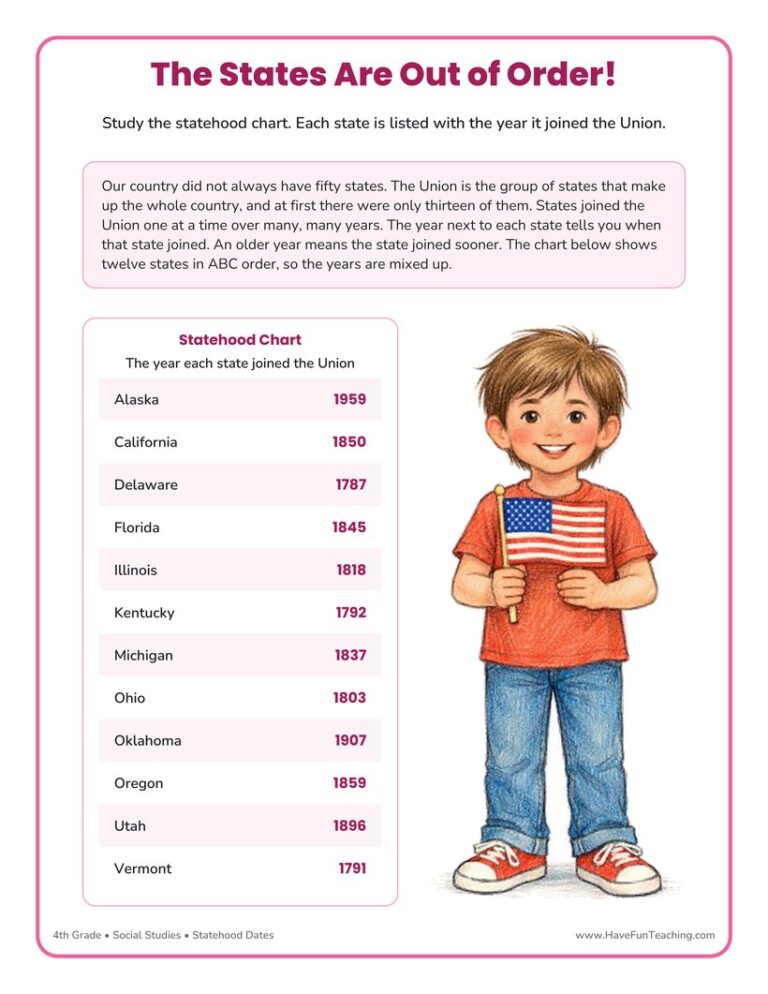
Worksheet4th GradeState Dates Worksheet

Students use a statehood chart to put six states in the order they joined the Union. This State Dates Worksheet is built for 4th grade and includes a complete answer key, so ordering historical dates becomes quick and clear.

Flash Cards
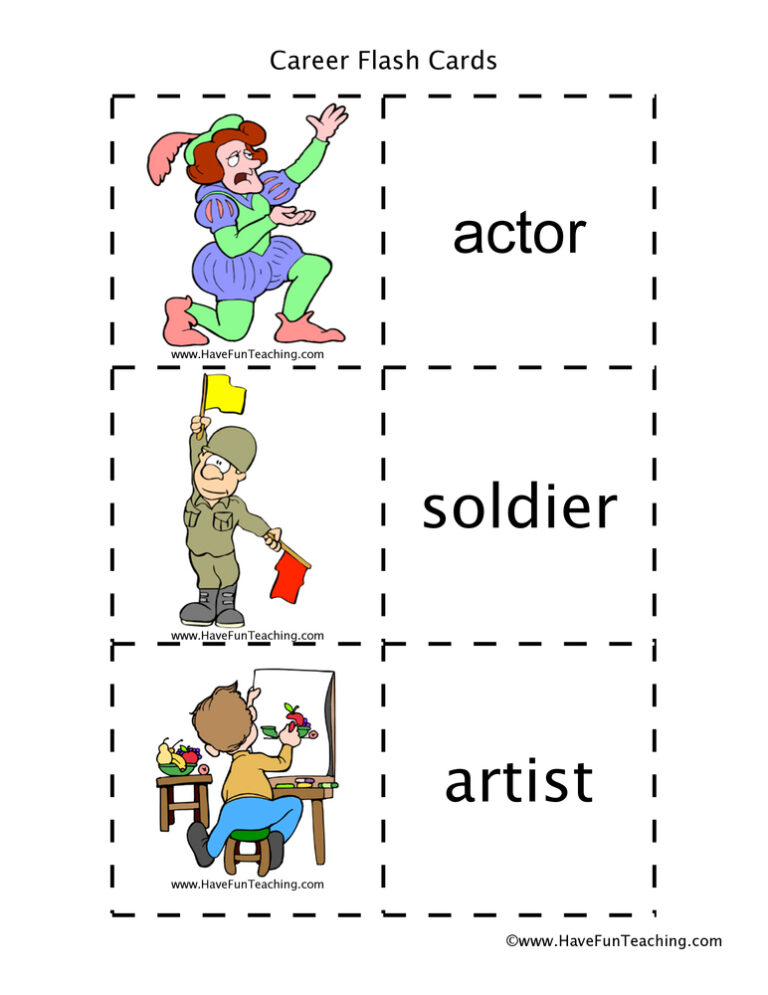
Flash Cards4th GradeCareer Flash Cards

Using these Career Flash Cards, students improve their career vocabulary by describing the colorful flash cards.

From our teachers' playbook

Neighbors, jobs and making it work together

What do 4th graders learn about community?

In 4th grade, community grows from "my neighborhood" into how whole towns, states and economies work. Kids learn about producers and consumers, goods and services, and how people depend on each other: a farmer grows wheat → a baker makes bread → a family buys it. They study the customs and cultures that make a community rich, the jobs people do, and what it means to be a responsible citizen who helps make decisions. The click moment is when kids see that their own choices, from recycling to voting for a class rule, actually shape the community around them.

Our favorite ways to teach community

Community lessons land best when kids connect them to the real people and places around them.

Start with a song

Open the unit with the Community Song and have kids jot down every community helper or place they hear. Their list becomes your word wall for the whole unit.

Why it works: words set to a repeating melody are easier to recall than the same words spoken (Wallace, 1994).

Community SongTry it withCommunity SongSongsOpen it →

Read about a real neighborhood

A short passage about a new family moving in gives kids a picture of how neighbors, services and rules fit together. After the questions, kids compare the neighborhood in the story with their own.

Why it works: pulling an answer out of memory makes it stick far better than rereading it, one of the strongest findings in learning research (Dunlosky and colleagues, 2013).

Welcome to the Neighborhood Reading Comprehension WorksheetTry it withWelcome to the Neighborhood Reading Comprehension WorksheetAssessmentsOpen it →

Open a class market

Turn the room into a tiny town. Some kids are producers who make bookmarks or drawings, others are consumers with play money. Afterward, sort every job into goods or services and talk about who depended on whom.

Why it works: the U.S. Department of Education's guide for teaching elementary math recommends moving from hands-on objects to drawings to numbers.

Creating Producers and Consumers WorksheetTry it withCreating Producers and Consumers WorksheetWorksheetsOpen it →

Questions teachers and parents ask

What do 4th graders learn about communities?

Fourth graders learn how communities work together: producers and consumers, goods and services, local government, citizenship and the cultures that shape a place. Many classes connect this to their own state's history.

What are producers and consumers?

Producers make goods or provide services. Consumers buy or use them. Most people are both, like a teacher who provides a service at school and buys groceries at the store.

How can kids help their community?

They can volunteer, recycle, follow rules, help neighbors and speak up about ideas at school. Small actions show that being a citizen is something you do, not just something you are.

How do I make a community unit hands-on?

Run a classroom market, map your town, interview a local worker or plan a small service project. Kids remember what they do far longer than what they read.



