

Drawing Light Objects Worksheet
This drawing light objects worksheet has 2nd graders read six clues, draw each light source, and circle whether it needs electricity. An answer key is included for quick checking.
$6.97
Or free with a membership — members pay $3.33/mo for all 10,000+ resources. See plans
Want this one free?
Tell us where to send it and it’s yours — no card, no catch.
One free resource per teacher. We’ll also send free teaching ideas each week — unsubscribe anytime.
Teaching is easier with a membership
Unlimited printables, games & videos for PreK–6th — for your classroom or homeschool. Cancel anytime.
Start your 3-day free trial$0 today · cancel anytime · Instant access to 10,000+ resources
About this resource
Description
Our Drawing Light Objects Worksheet helps 2nd grade students name the things that give us light and think about how each one works. Light comes from many places. Some light comes from nature, like the sun and a firefly, and some comes from things people make, like a lamp or a traffic light. This drawing light objects worksheet asks children to read short clues, figure out which light source each clue describes, draw it, and decide whether it needs electricity to work.
The page has six clue cards. In each card, students read a two-line clue with one key word underlined, draw the matching light source in the dashed drawing box, and circle yes or no to show whether that object uses electricity. Children can work on their own or with a partner, then share their drawings and explain their thinking. This light sources worksheet is a great fit for a science center, an energy unit, or a quick check after a lesson about light.
What’s Included
- One page with six clue cards about things that give us light
- A drawing box in every card for the student’s picture
- A yes or no choice for each object: does it need electricity?
- An answer key with the correct choices and a note on what each drawing shows
Why This Worksheet Helps Kids Learn
First, reading a clue and naming the object builds reading comprehension and science vocabulary at the same time. Second, drawing the light source helps children remember it, because they have to picture the real object before they draw it. Third, sorting objects by whether they need electricity pushes students to compare natural light and man-made light, which is a key idea in early physical science.
Ideas for Teachers and Parents
Before the worksheet, turn off the classroom lights and ask students what else could help them see. After the worksheet, go on a light hunt around the room or home and make a class chart of light sources that do and do not need electricity. Students can also add one more light source of their own to the list and write a clue for a partner to solve.
Related Resources
What teachers say
Reviews
You must be logged in to post a review.

These Light Bulb Cut Outs quickly give you templates that can be easily cut and applied for classroom decoration or student activities about electricity.

UsingFun with Magnets Science Activity, students determine which objects are repelled or attracted to magnets by testing it out.

Using Magnet Activity, students sort the picture cards into two categories: magnetic or non-magnetic.
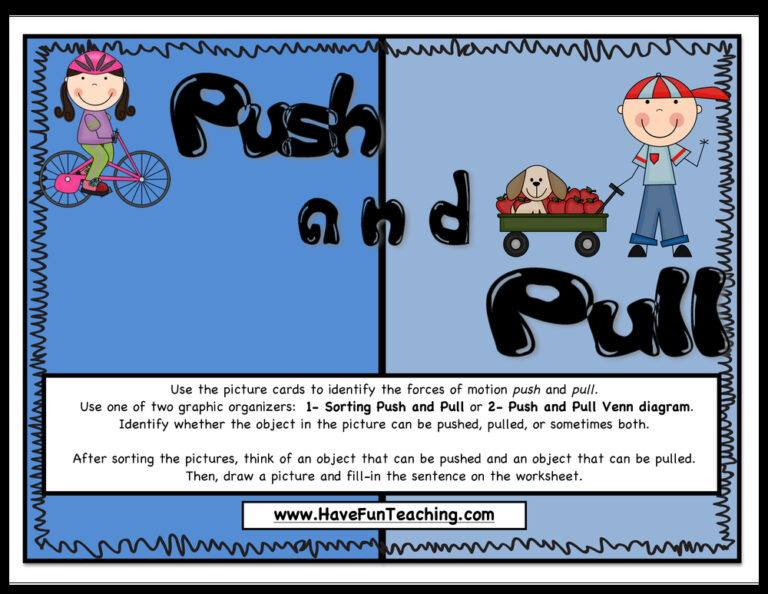
Using Motion Activity, students sort picture cards into categories of push, pull, or both to build their understanding of force.

This Food Chains Reading Comprehension Digital Worksheet is an online digital worksheet for Google Classroom & online distance learning.

UsingCircuits Conductors Worksheet. students draw pictures of circuits and conductors to build their understanding of how electricity works.

Using Some Like it Hot Heat Worksheet, students place items in direct sunlight or under a heat lamp after ten minutes record your observations.
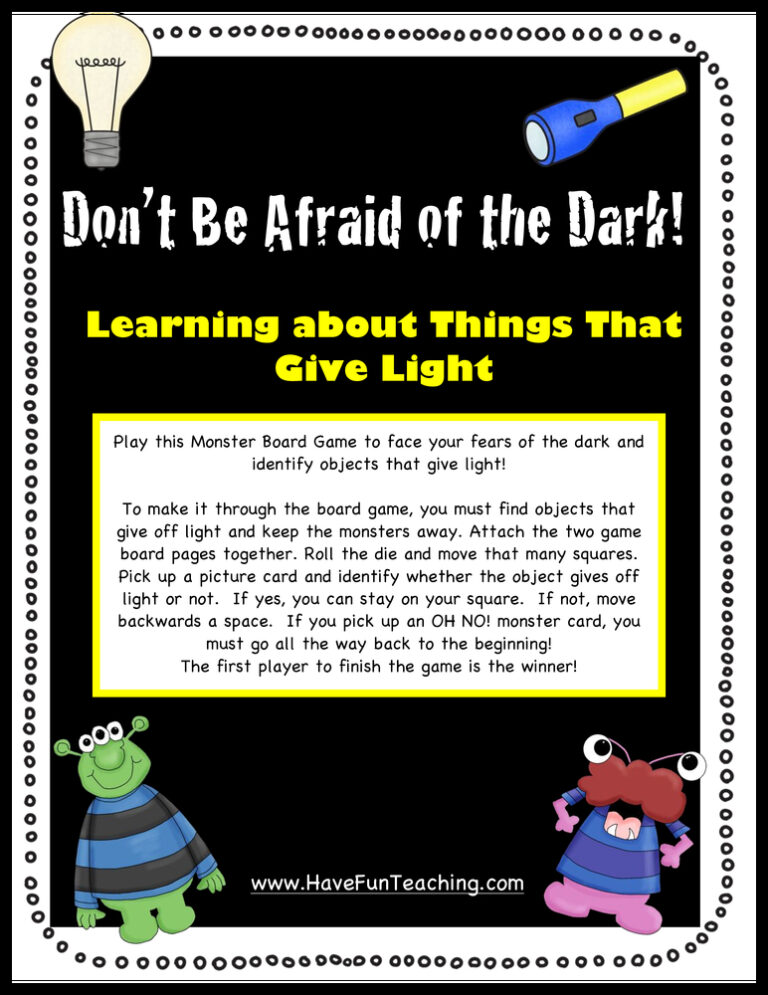
Using Things That Give Light Activity,students play this Monster Board Game to face your fears of the dark and identify objects that give light!
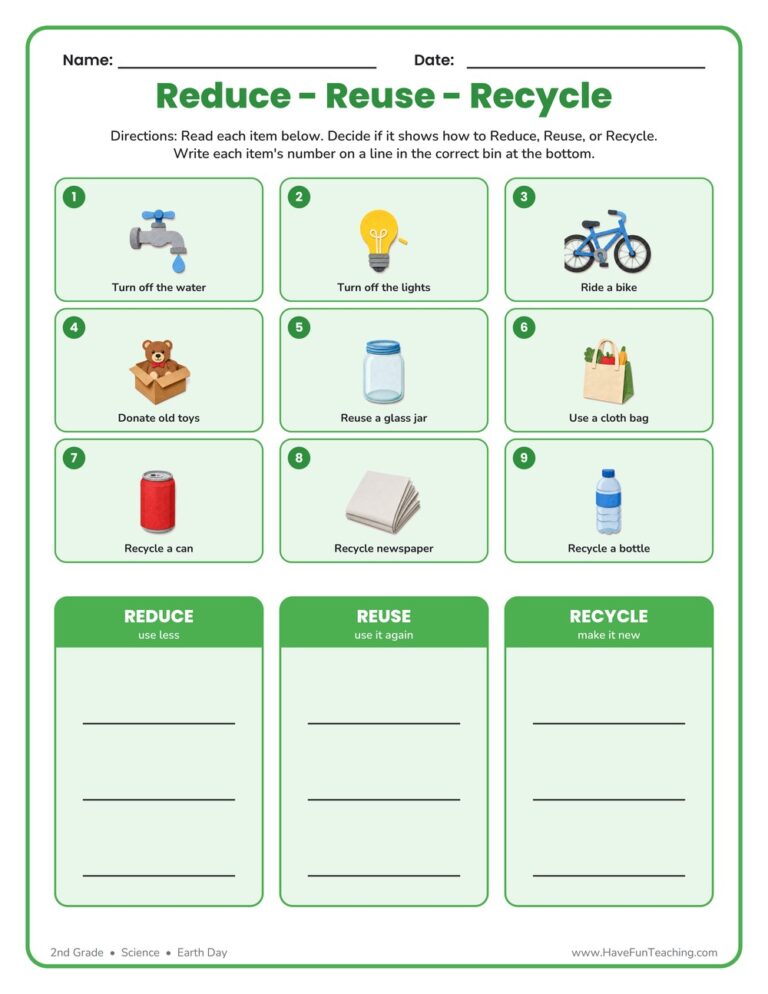
A second grade Reduce, Reuse, Recycle Sorting Worksheet where students sort nine everyday items into the correct earth-friendly bin. Answer key included — a quick, no-prep Earth Day activity for home or classroom.

The Matter Song teaches all about matter and the states of matter. With this states of matter song, students learn about solid, liquid, and gas, as well as the phases of matter, properties of matter, physical changes, chemical changes, and so much more. Matter has mass and takes up space.…
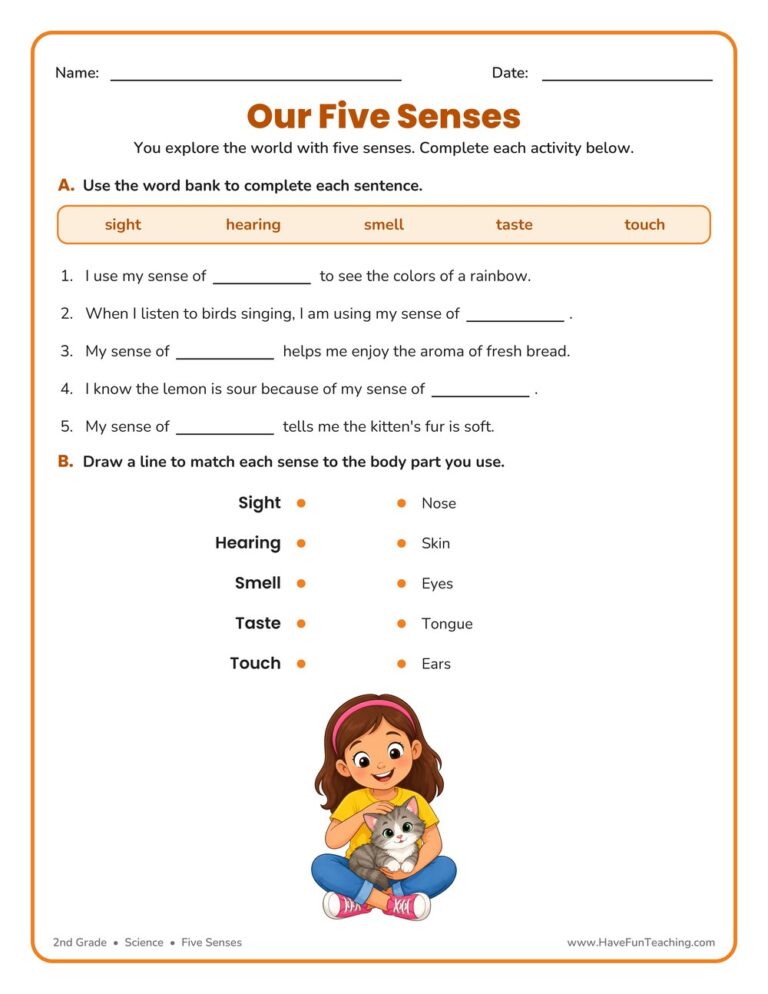
The Senses Fill in the Blanks Worksheet gives 2nd grade students word-bank practice completing sentences about sight, hearing, smell, taste, and touch, plus a sense-to-body-part match. Answer key included for quick, no-prep science review.

The Seasons Song by Have Fun Teaching is perfect for teaching and learning all about the seasons of the year. This is a fun way for kids to learn the seasons. With this seasons song, your kids can learn about Spring, Summer, Fall, and Winter. While listening to the Seasons…
Reviews
There are no reviews yet