Skip to content
Start My 3 Free Days $0 today · cancel anytime

2nd Grade Earth Science Worksheets

21 2nd grade Earth Science worksheets. Teacher favorites: Reduce, Reuse, Recycle Sorting Worksheet and Weather Fill in the Blank Worksheet. How teachers use these

2nd Grade Earth Science Worksheets

21 2nd grade Earth Science worksheets. Teacher favorites: Reduce, Reuse, Recycle Sorting Worksheet and Weather Fill in the Blank Worksheet. How teachers use these

Worksheet
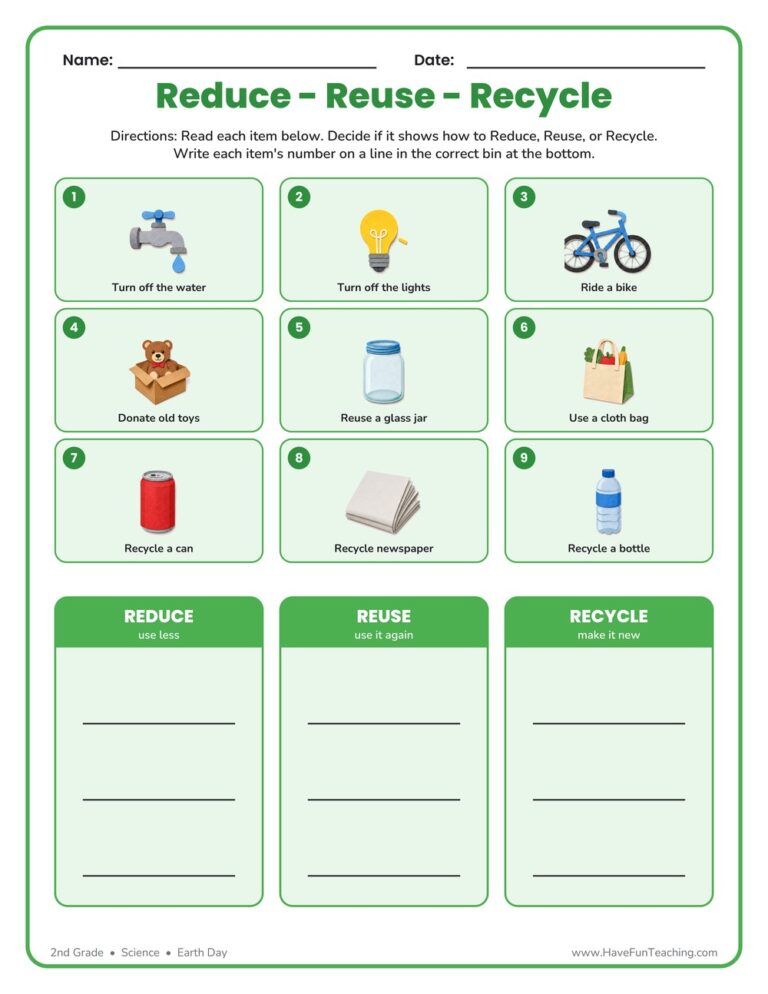
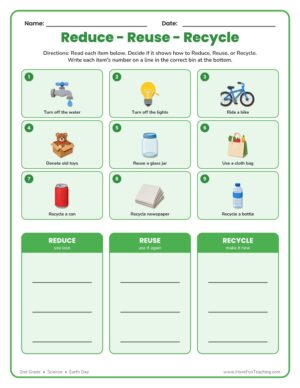
Worksheet2nd GradeReduce, Reuse, Recycle Sorting Worksheet

A second grade Reduce, Reuse, Recycle Sorting Worksheet where students sort nine everyday items into the correct earth-friendly bin. Answer key included — a quick, no-prep Earth Day activity for home or classroom.

Worksheet
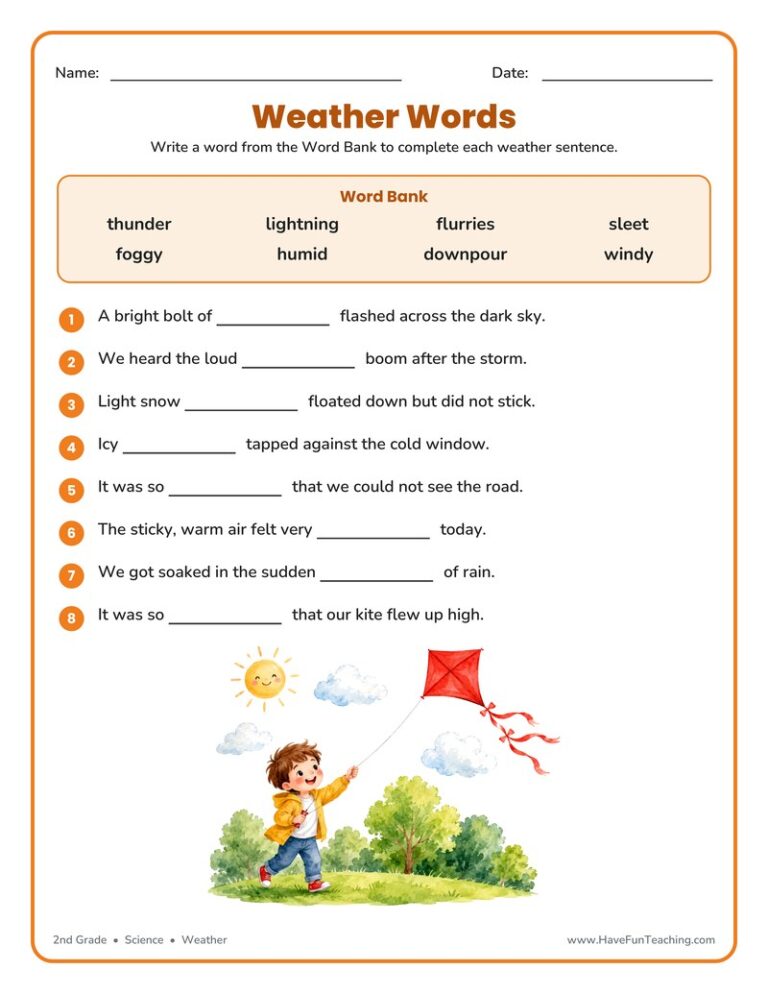
Worksheet2nd GradeWeather Fill in the Blank Worksheet

This Weather Fill in the Blank Worksheet lets 2nd graders complete eight weather sentences using a word bank of terms like thunder, sleet, and downpour. Includes an answer key for quick, no-prep science vocabulary practice.

Worksheet
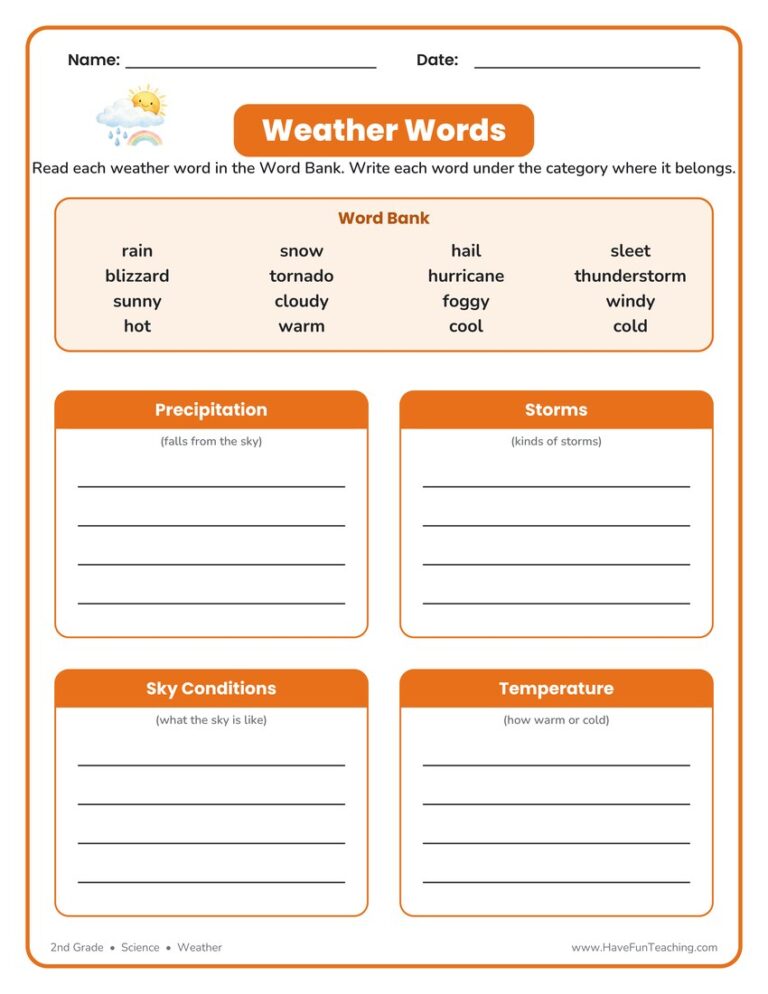
Worksheet2nd GradeWeather Words Worksheet

This Weather Words Worksheet helps 2nd graders sort sixteen weather terms into precipitation, storms, sky conditions, and temperature. Answer key included — a quick, no-prep way to grow earth science vocabulary.

Worksheet
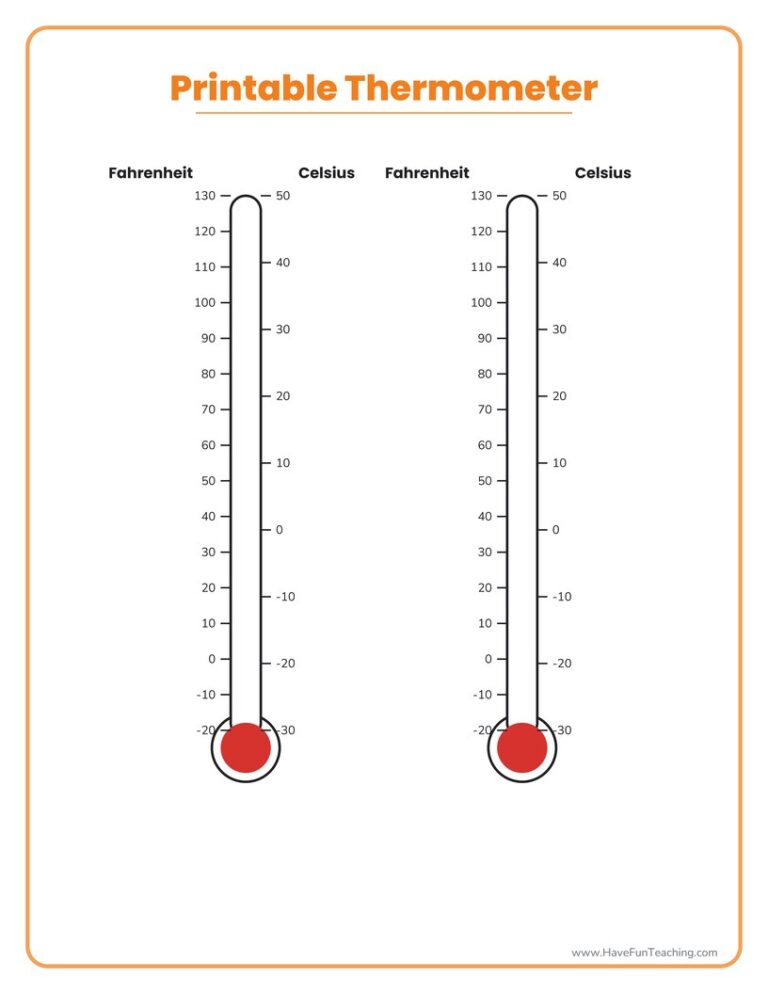
Worksheet2nd GradePrintable Thermometer

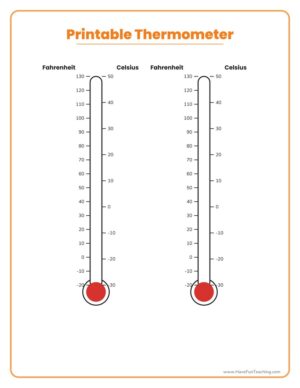
This Printable Thermometer shows Fahrenheit and Celsius scales side by side, giving 2nd grade students an easy classroom tool for tracking temperature and weather. Print, mark, and reuse all year long.

Worksheet
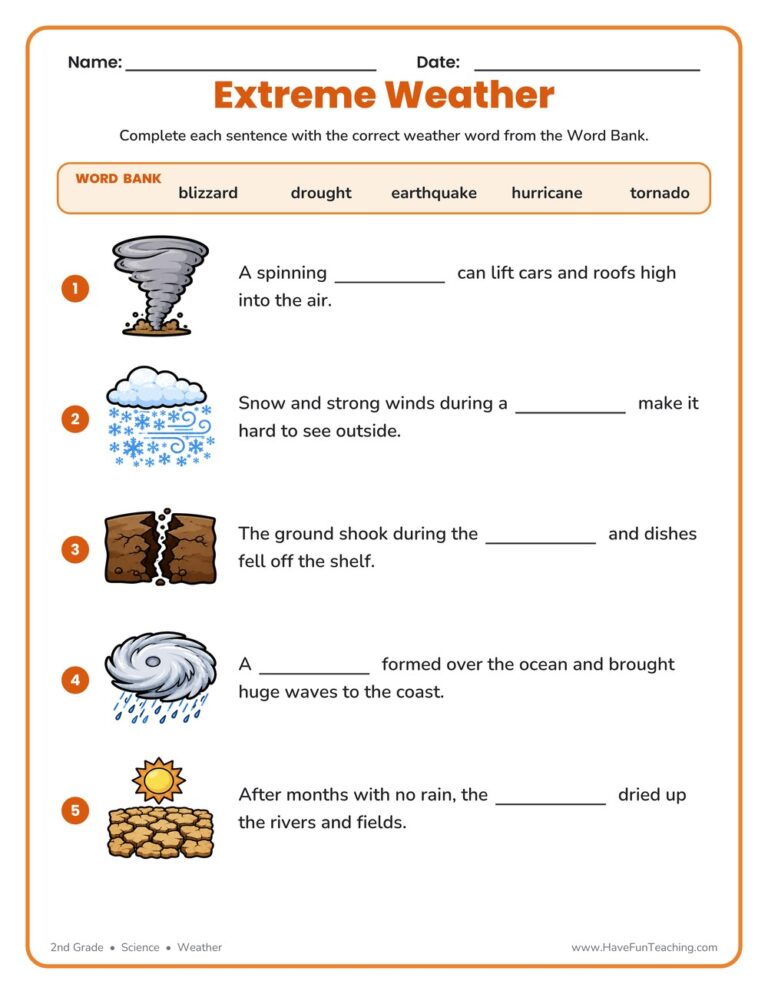
Worksheet2nd GradeNatural Disasters Fill in the Blanks Worksheet

This Natural Disasters Fill in the Blanks Worksheet has 2nd graders match blizzards, droughts, earthquakes, hurricanes, and tornadoes to picture-clue sentences. Answer key included — perfect for no-prep extreme weather vocabulary practice.

Worksheet
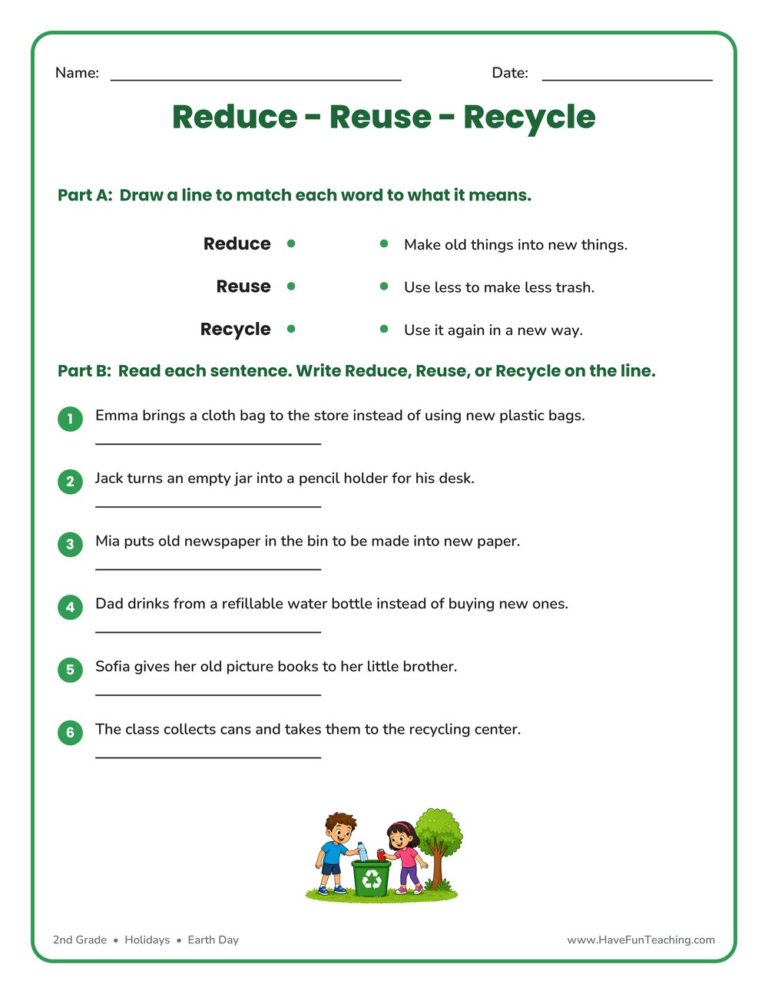
Worksheet2nd GradeReduce, Reuse, Recycle Worksheet

This Reduce, Reuse, Recycle worksheet helps 2nd grade students learn the three Rs by matching each word to its meaning and sorting Earth Day scenarios. Answer key included for quick, no-prep practice.

Worksheet
Worksheet2nd GradeErosion Writing Worksheet

This erosion writing worksheet has 2nd grade students read a short fact box, answer four questions, and explain how plants slow erosion. An answer key is included for easy checking.

Worksheet
Worksheet2nd GradeRecycling Sort Worksheet

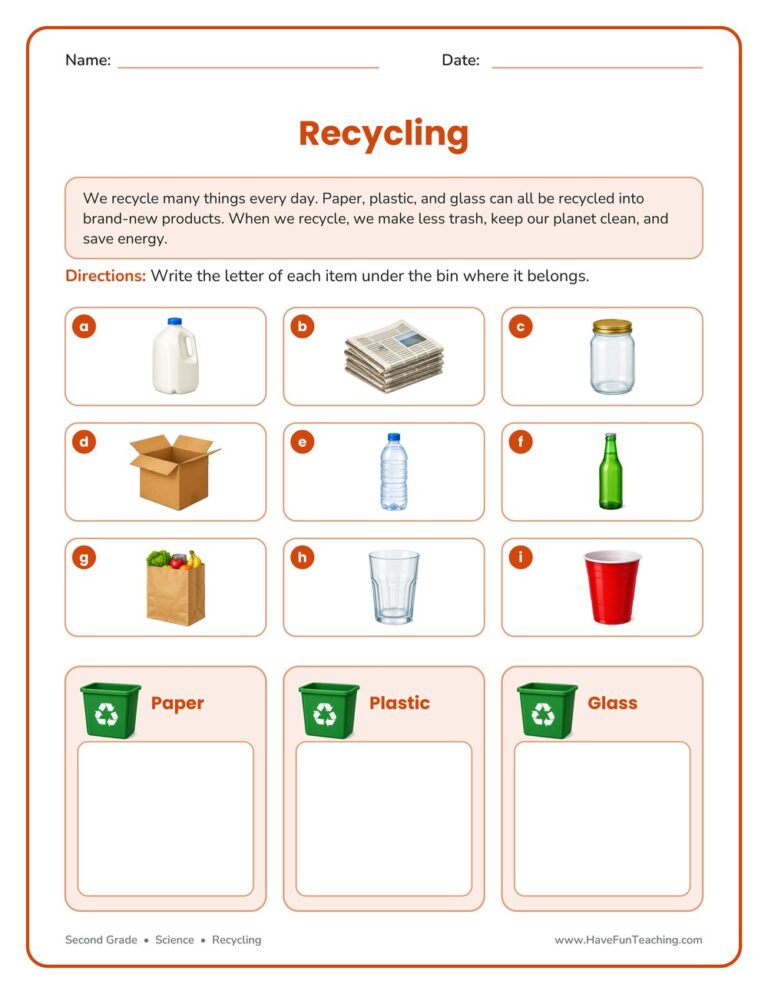
A recycling sort worksheet for second grade, where students sort paper, plastic, and glass items into the correct bins. Includes an answer key—a hands-on Earth Day science activity for classrooms and homeschool.

Worksheet
Worksheet2nd GradeNeeds and Wants Sorting Worksheet

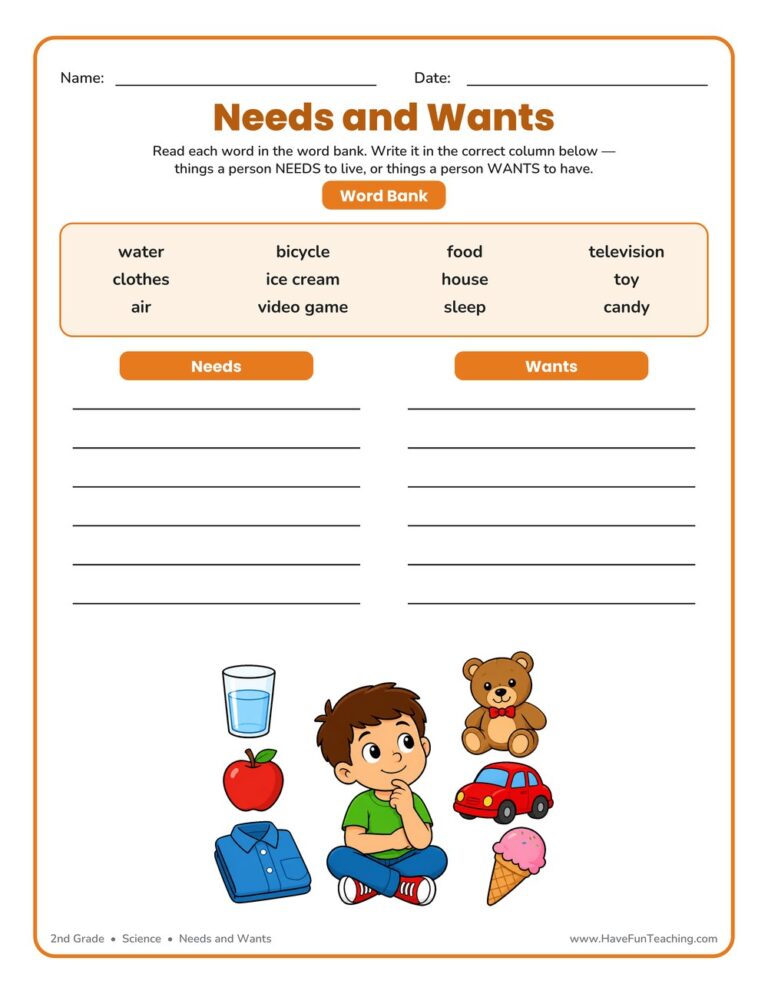
This Needs and Wants Sorting Worksheet helps 2nd graders sort a word bank of everyday items into needs and wants. A complete answer key is included—perfect for quick, no-prep practice at home or in class.

Worksheet
Worksheet2nd GradeWeather Writing Worksheet

This weather writing worksheet gives 2nd grade students a Word Bank of weather words, four sentences to complete, and lines to describe the sky outside. An answer key is included, so science writing practice is ready in minutes.

Worksheet
Worksheet2nd GradeForests Life Science Reading Comprehension Worksheet

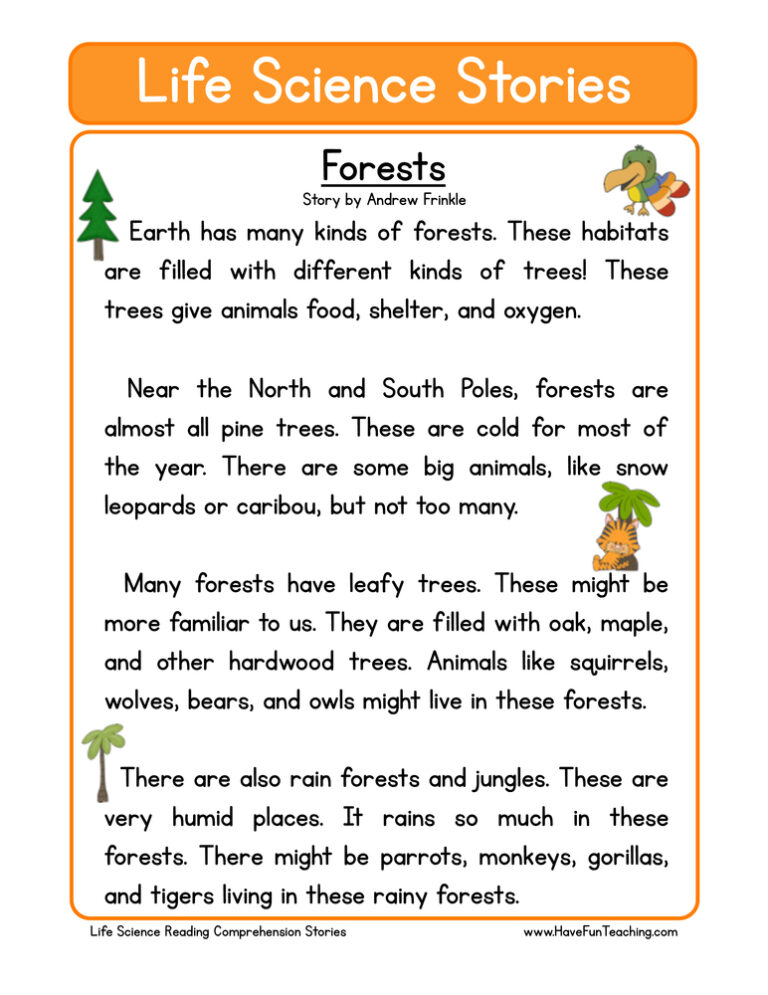
This Forests Life Science Reading Comprehension Worksheet gives 2nd graders a short non-fiction passage about pine, leafy, and rain forests, plus questions and an answer key. Great no-prep practice for main idea and key details.

Worksheet
Worksheet2nd GradeNatural Disasters Matching Worksheet

This Natural Disasters Matching Worksheet gives 2nd Grade students six weather words, six clues to match them to and an answer key, so severe-weather vocabulary is learned by its features.

Worksheet
Worksheet2nd GradeWetlands Life Science Reading Comprehension Worksheet

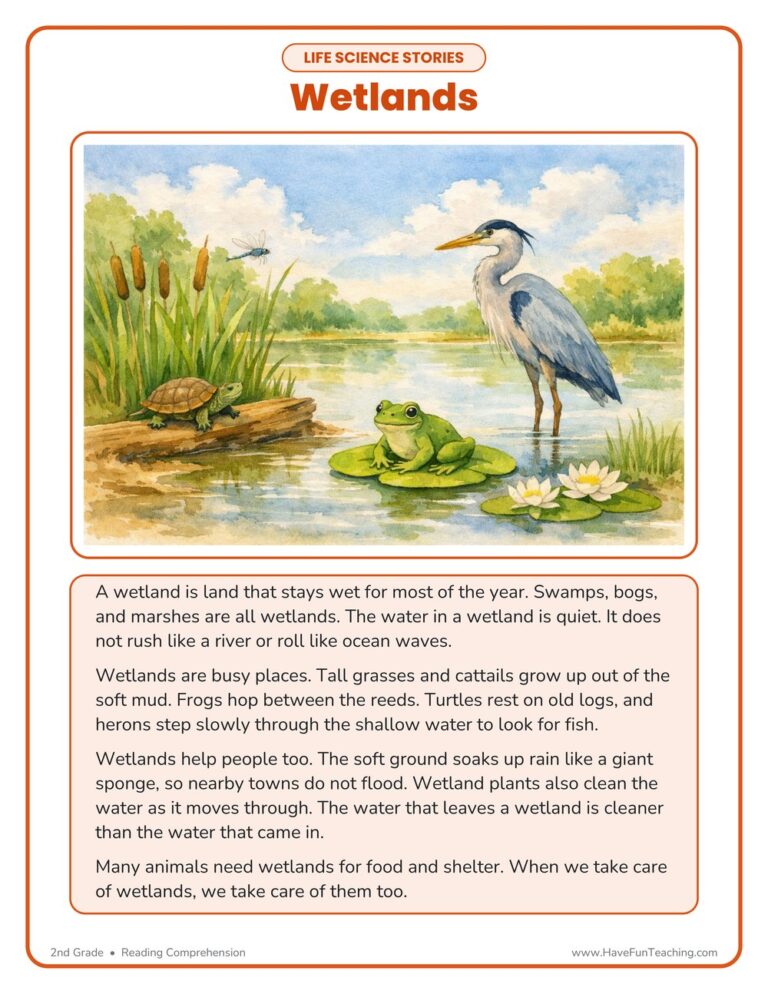
Explore swamps, bogs, and marshes with this wetlands life science reading comprehension worksheet. Second graders read a short nonfiction passage and answer six questions, and an answer key is included, so learning about habitats stays easy and fun.

Worksheet
Worksheet2nd GradeMoon Writing Worksheet

This Moon Writing Worksheet gives 2nd grade students five short facts about the Moon, four questions to answer on the lines, and space to write two sentences of their own. An answer key is included for quick checking.

Worksheet
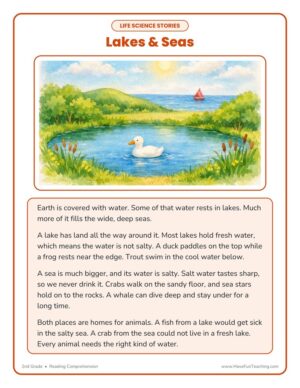
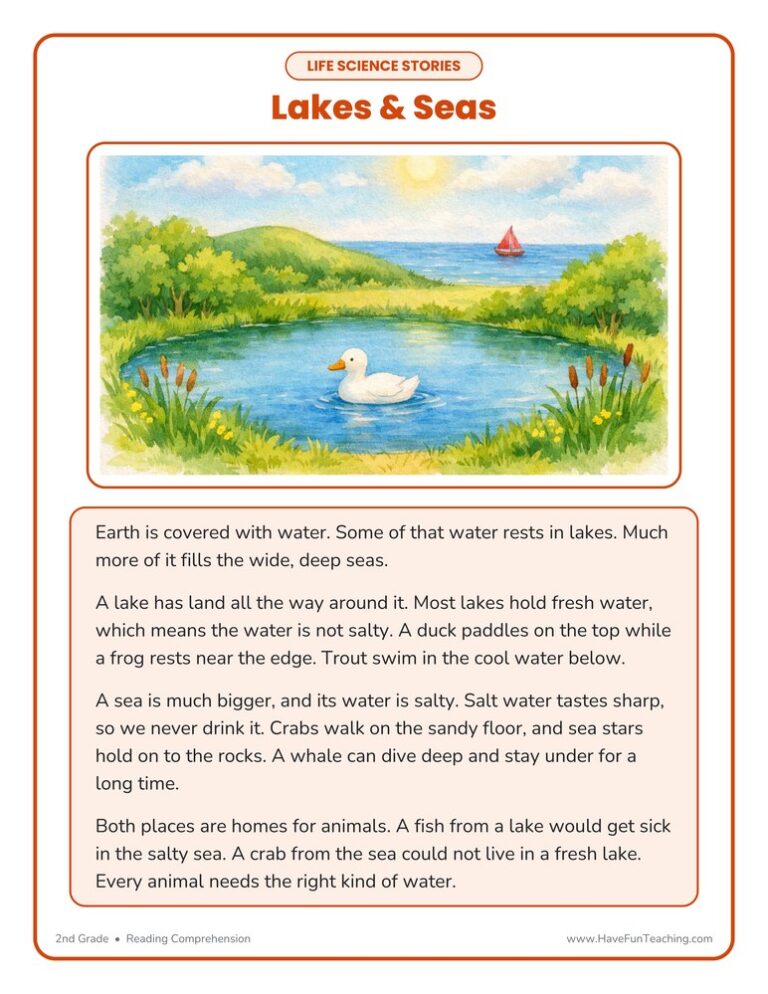
Worksheet2nd GradeLakes and Seas Life Science Reading Comprehension Worksheet

This Lakes and Seas Life Science Reading Comprehension Worksheet gives 2nd Grade students an original passage about fresh water and salt water habitats, with bubble, fill-in, and writing questions. Answer key included.

Worksheet
Worksheet2nd GradeWeather Words Matching Worksheet

The Weather Words Matching Worksheet has 1st grade students match cloud, rain, snow, sun and wind to short clues, then write each word in a sentence. An answer key is included.

Worksheet
Worksheet2nd GradeSun True or False Worksheet

This Sun True or False Worksheet gives 2nd grade students eight short sentences about the Sun to judge as true or false, with bubble answers and a full answer key included.

Worksheet
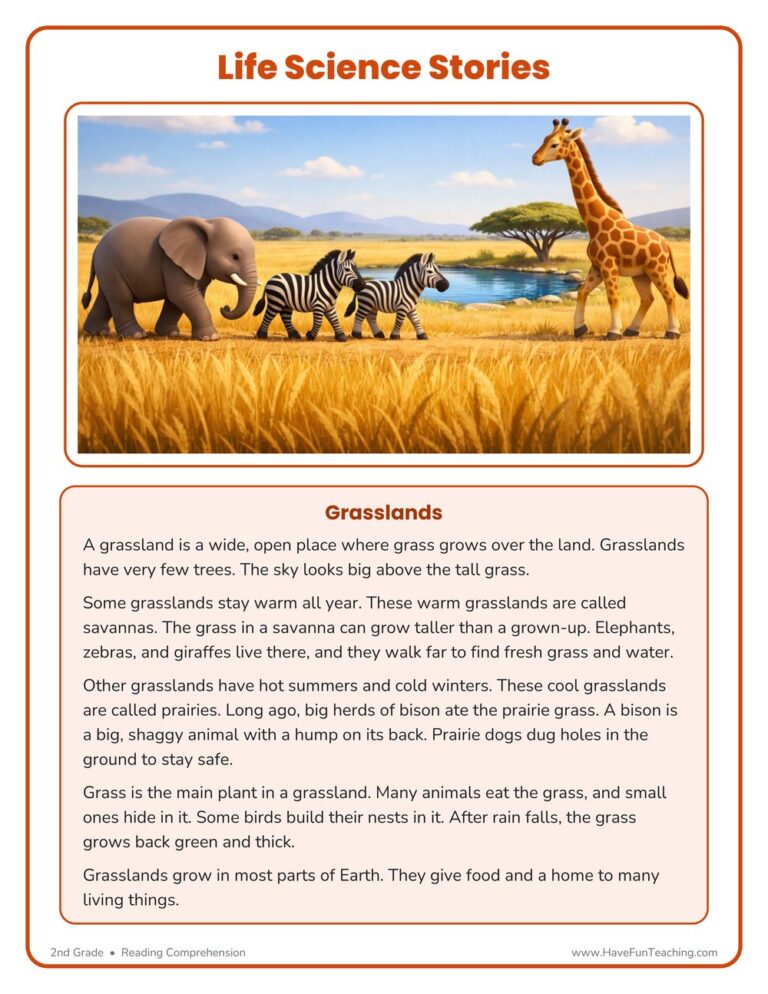
Worksheet2nd GradeGrasslands Life Science Reading Comprehension Worksheet

This Grasslands Life Science Reading Comprehension Worksheet gives 2nd Grade readers a nonfiction passage about savannas and prairies, seven text-based questions, and an answer key included for fast checking.

Worksheet
Worksheet2nd GradeReduce, Reuse, Recycle Items Worksheet

A reduce, reuse, recycle items worksheet for 2nd grade: three labelled cards where children draw their own example of each idea and write a sentence about it. A simple way to make Earth Day personal.

Worksheet
Worksheet2nd GradeDetails about Digging Up Dinosaurs Worksheet

This Details about Digging Up Dinosaurs Worksheet helps students identify the main idea and key details while reading a passage about dinosaurs.

From our teachers' playbook

Rocks, rain, sky and our planet

What do 2nd graders learn about Earth science?

Second graders explore the planet under their feet and the sky above. They learn about land and water: mountains, rivers, lakes and oceans, and how wind and water slowly change land through erosion. They track weather with thermometers, learn about events like earthquakes and floods, and observe the sun, moon and planets. They also learn to care for Earth by reducing, reusing and recycling. The click is when kids see a muddy stream after rain and realize the water is carrying soil away.

Our favorite ways to teach Earth science

Earth science is all around us. These moves get kids observing it.

Sort the trash

Bring in clean recyclables and trash and let kids sort them: reduce, reuse or recycle? Then they weigh the class trash for a week. Hands-on sorting turns caring for Earth into an action, not just a slogan.

Why it works: the U.S. Department of Education's guide for teaching elementary math recommends moving from hands-on objects to drawings to numbers.
Reduce, Reuse, Recycle Sorting WorksheetTry it withReduce, Reuse, Recycle Sorting WorksheetWorksheetsOpen it →
Be a weather watcher

Read a real thermometer each morning and record the temperature on a class chart. After a few weeks, kids look for patterns. Is it warmer in the afternoon? Data they collect themselves is the most meaningful.

Why it works: children learn more from words and pictures together than from words alone (Mayer, 2009).

Printable ThermometerTry it withPrintable ThermometerWorksheetsOpen it →

Questions parents and teachers ask

What do 2nd graders learn in Earth science?

Landforms and bodies of water, how wind and water change the land, weather, natural events like earthquakes and floods, the sun, moon and planets, and caring for the Earth.

How do I explain erosion to a 2nd grader?

Erosion is when wind or water slowly moves soil and rock from one place to another. Pour water over a sand hill outside and watch it carve a path.

What is the difference between weather and climate?

Weather is what's happening outside today. Climate is the usual weather in a place over many years.

How can I teach Earth science at home?

Collect rocks, keep a weather chart, watch the moon and visit a creek or beach. Ask "What do you notice? What do you think caused that?"