
Everyday Shapes – Reading Comprehension Worksheet
This Everyday Shapes Reading Comprehension Worksheet pairs a 2nd grade story about a shape hunt with four bubble questions and a written response. The answer key is included, so checking takes a minute.
$6.97
Or free with a membership — members pay $3.33/mo for all 10,000+ resources. See plans
Want this one free?
Tell us where to send it and it’s yours — no card, no catch.
One free resource per teacher. We’ll also send free teaching ideas each week — unsubscribe anytime.
Teaching is easier with a membership
Unlimited printables, games & videos for PreK–6th — for your classroom or homeschool. Cancel anytime.
Start your 3-day free trial$0 today · cancel anytime · Instant access to 10,000+ resources
About this resource
Description
Reading a short story and then answering questions about it is the heart of second-grade comprehension work, and this Everyday Shapes Reading Comprehension Worksheet gives students a story worth reading twice. Jude has a shape hunt for homework and is certain there is nothing to find at home, until his sister Ruby starts pointing things out. A paper plate is a circle. A window is a rectangle. By the last paragraph Jude has learned to look, and so has the reader. The passage is written on grade level so that decoding never gets in the way of thinking.
This 2nd grade shapes reading passage is followed by a full question page. Four fill-in-the-bubble questions pull details from four different parts of the story, so a student has to go back into the text rather than remember the beginning. A written response asks how Jude finds out that shapes are all around him, with two lines sized for second-grade handwriting and a prompt to use two details from the story. Use it as a guided reading page, a comprehension check, a sub day activity, or homework.
What’s Included
- 1 print-ready PDF worksheet
- Answer key
- A 158-word illustrated story, 4 multiple-choice questions, and 1 written response
This Everyday Shapes Reading Comprehension Worksheet helps children in three ways. First, every question is answerable from the text, so students practice finding evidence instead of guessing. Second, the story quietly reviews geometry vocabulary — circle, square, rectangle, triangle, and pentagon — which means one page does double duty for reading and math. Third, the written response asks a student to track a change across the whole story, which is exactly the kind of thinking that state reading assessments reward at second grade.
Keep the lesson going after the page is finished. Send students on their own shape hunt around the classroom or the house, with a clipboard and a list of five shapes to find. Ask them to draw the object they found and label it with its shape name. Read the story a second time with partners taking turns by paragraph, which builds fluency without any new prep. Families can play the same game in the car, naming the shapes on signs, wheels, and windows on the way home.
Related Resources
What teachers say
Reviews
You must be logged in to post a review.
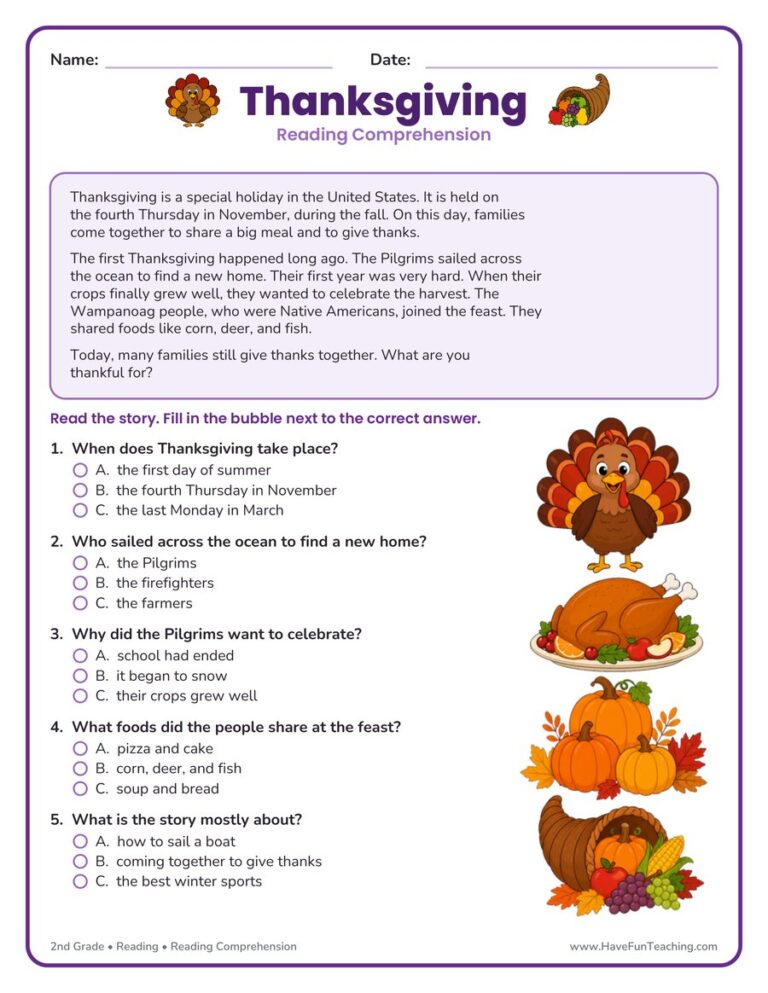
A festive Thanksgiving Reading Comprehension Worksheet where 2nd graders read a short holiday story and answer questions about the details and main idea. Answer key included — perfect for quick, no-prep comprehension practice.
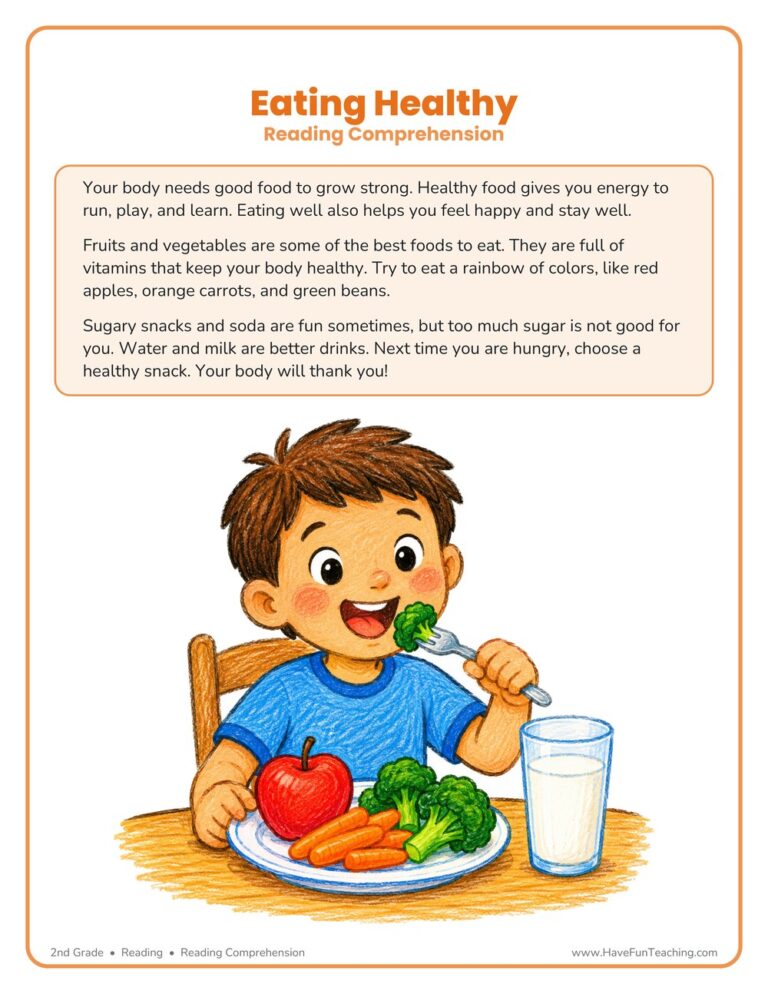
The Eating Healthy Reading Comprehension Worksheet gives 2nd graders a fun passage about healthy food plus six questions to check understanding. Answer key included—perfect for no-prep reading and nutrition practice at home or school.
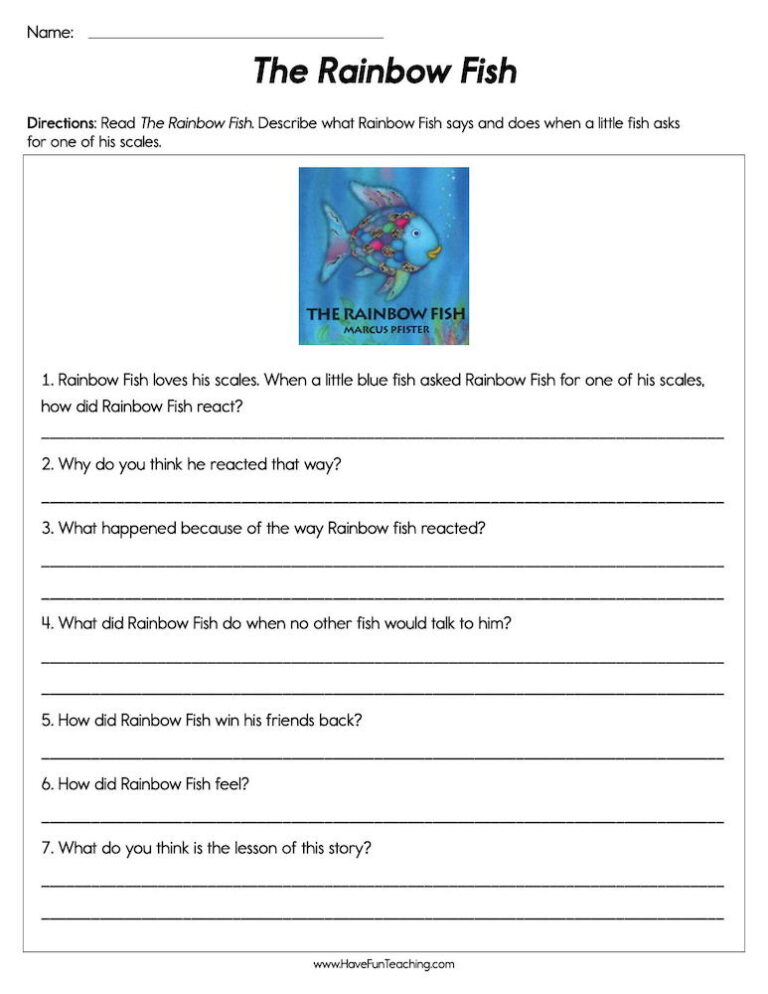
Using The Rainbow Fish Worksheet, students read The Rainbow Fish and describe what Rainbow Fish says and does when a little fish asks for one of his scales.
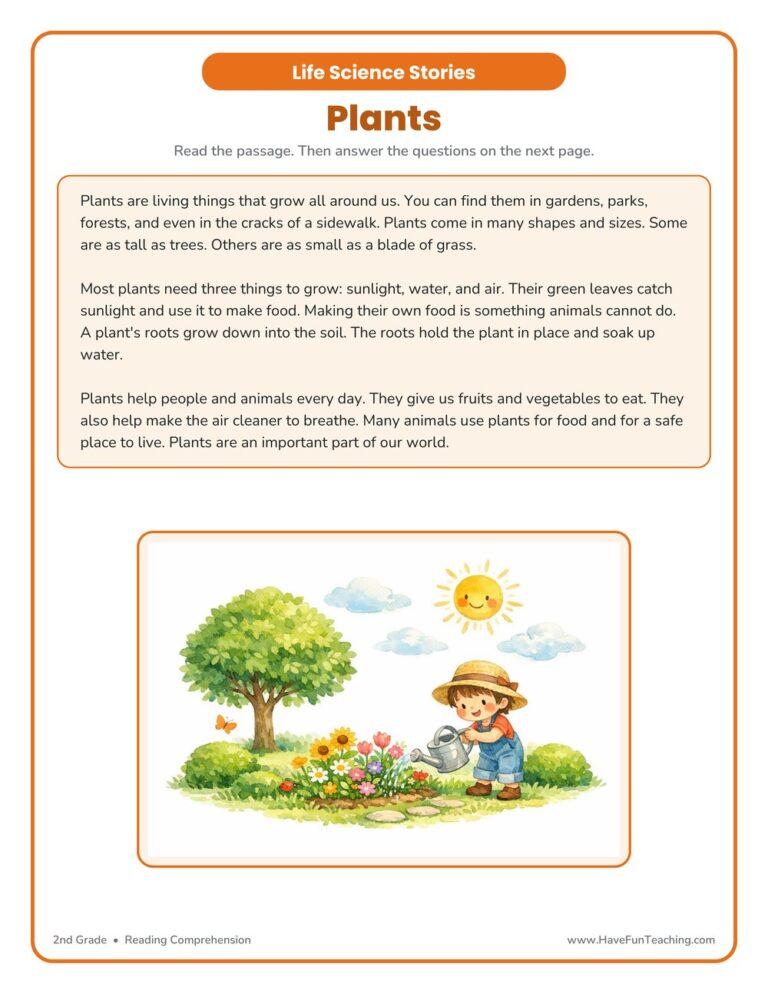
This Plants Life Science Reading Comprehension Worksheet gives 2nd graders a short nonfiction passage about plants plus questions that build reading comprehension. Includes a complete answer key — perfect for no-prep science and reading practice.

This Grandparents Day Reading Comprehension Worksheet gives 2nd grade readers an original story, four multiple-choice questions, and one written response about a boy and his grandma. An answer key is included.
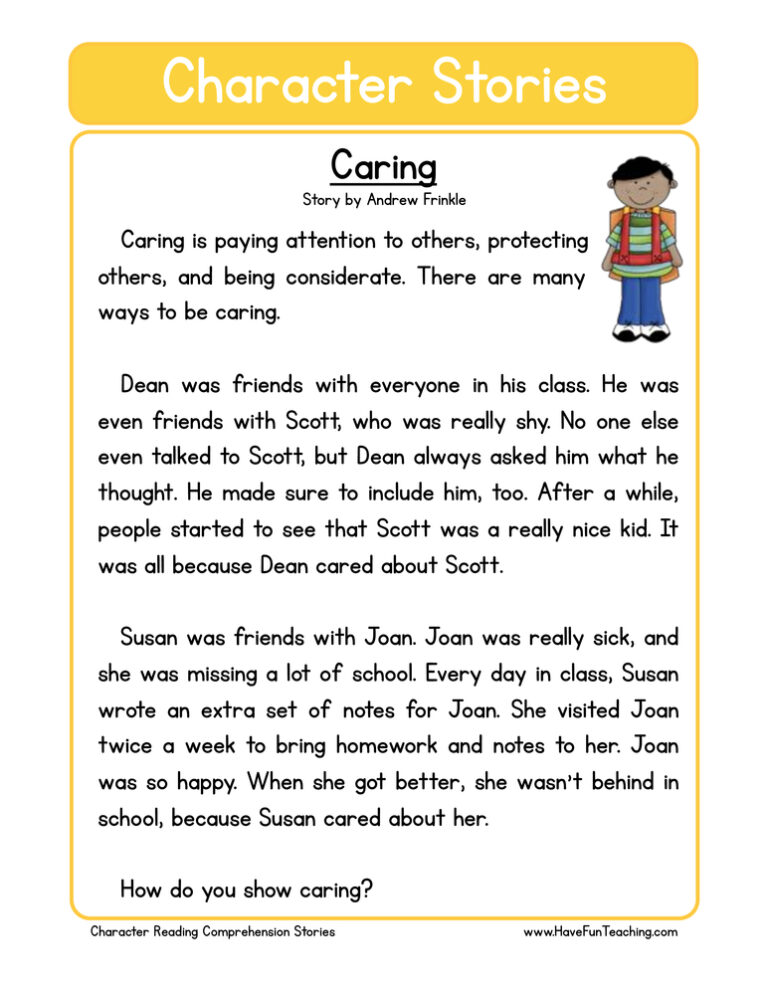
A Caring Character Reading Comprehension Worksheet built around a short lunchroom story about welcoming a new classmate. Written for 2nd grade, with an answer key included, so kindness and comprehension practice takes no prep at all.
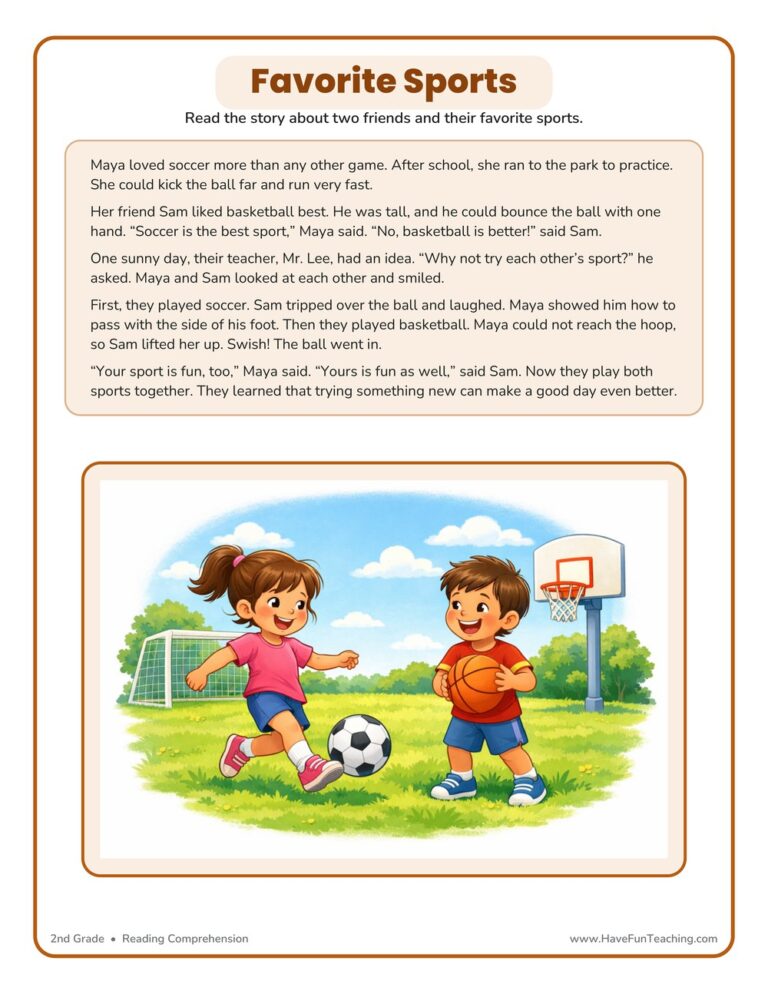
The Favorite Sports Reading Comprehension Worksheet gives 2nd grade readers a fun story about two friends and their favorite sports, plus comprehension questions and an answer key.
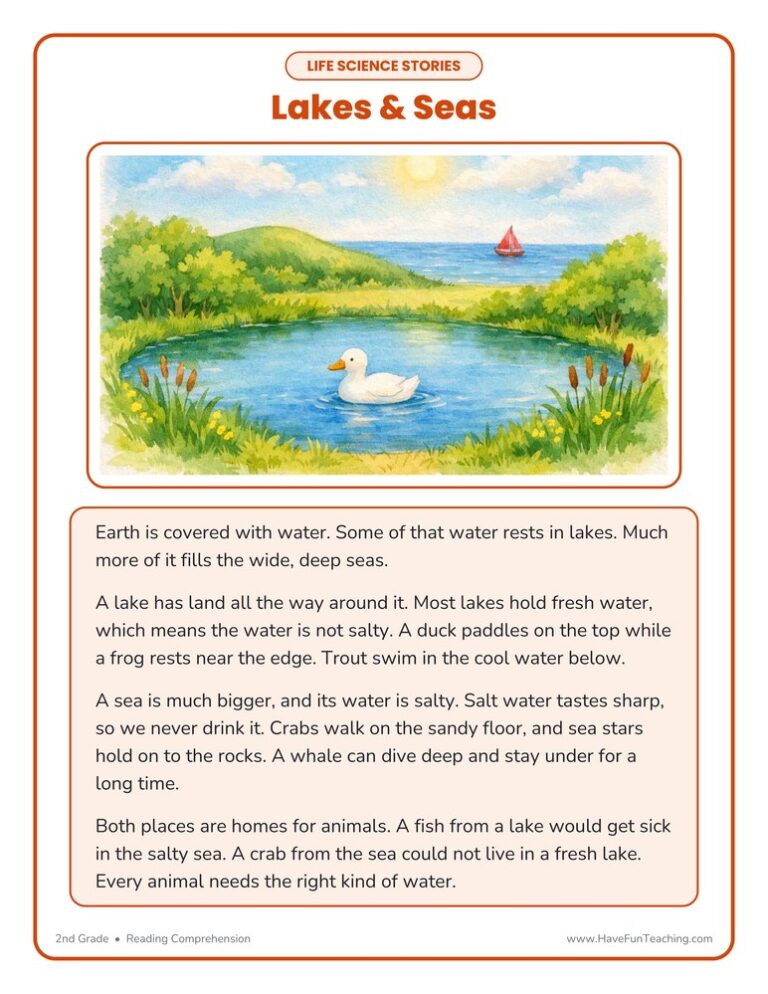
This Lakes and Seas Life Science Reading Comprehension Worksheet gives 2nd Grade students an original passage about fresh water and salt water habitats, with bubble, fill-in, and writing questions. Answer key included.
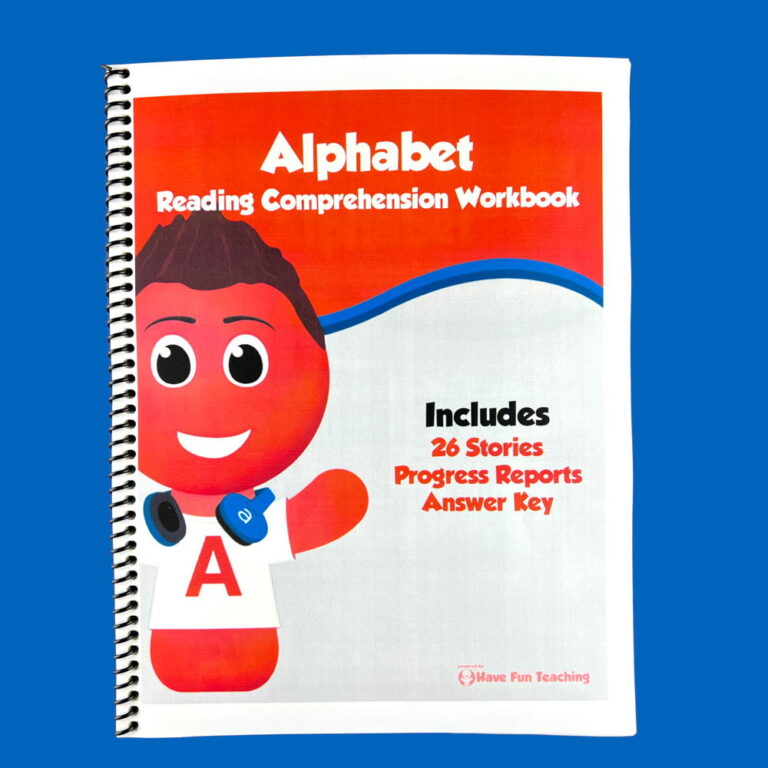
Use Alphabet Reading Comprehension Workbook Download to build student reading comprehension skills using the Alphabet Stories.
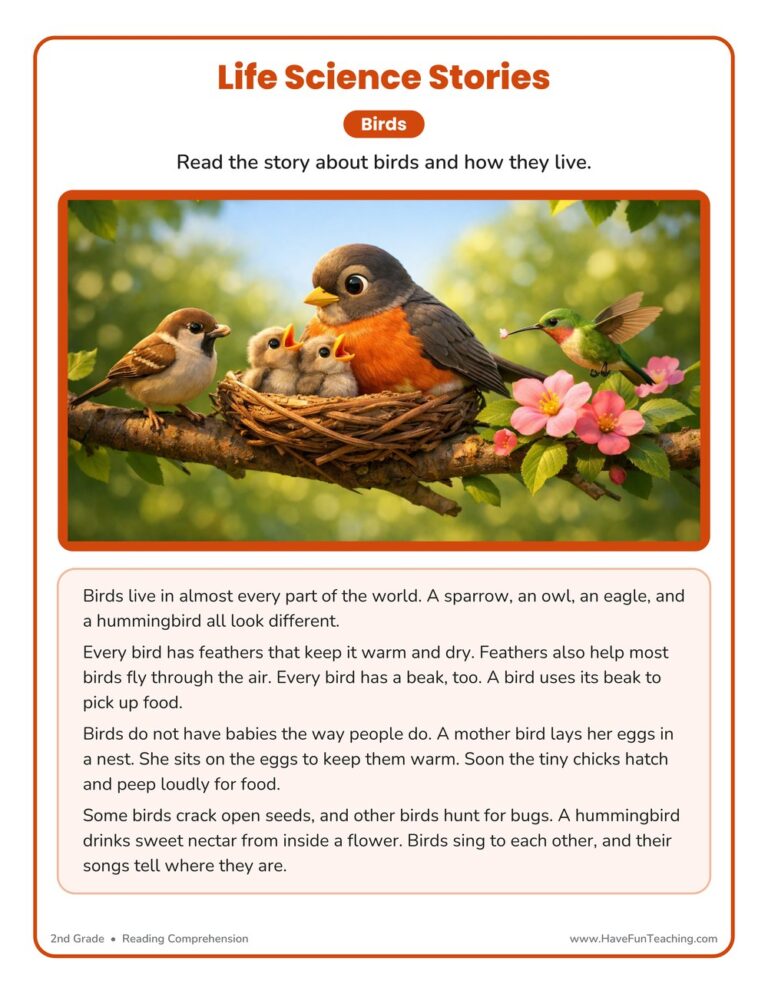
A nonfiction bird passage for 2nd graders, with questions on feathers, nests, and what birds eat. This Birds Life Science Reading Comprehension Worksheet includes an answer key for easy, no-prep science reading practice.
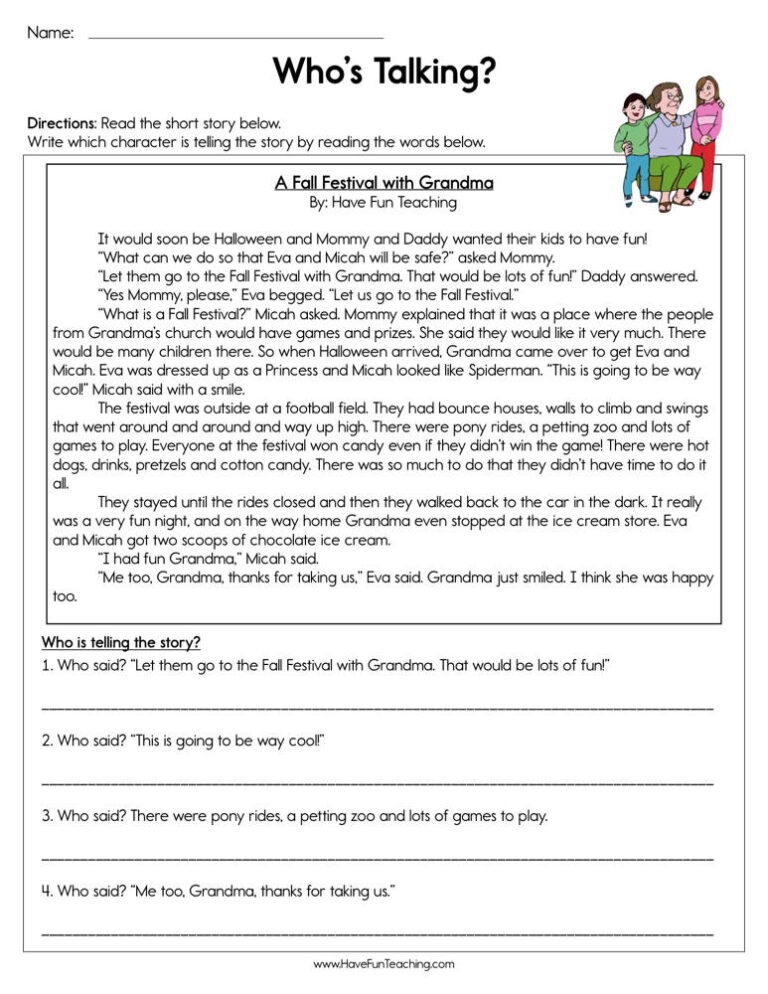
This Who's Talking Worksheet asks 2nd Grade readers to match four quoted lines back to the character who said them, then explain how they knew, with an answer key included.

This What Are Maps Worksheet gives 2nd graders a short informational passage about maps plus four questions and a written response on the main idea. An answer key is included, so checking work takes seconds.
Reviews
There are no reviews yet