Skip to content
Start My 3 Free Days $0 today · cancel anytime

2nd Grade Independent and Guided Reading Resources

79 2nd grade independent and guided reading resources: 41 activities, 31 worksheets, 13 assessments and more. How teachers use these

2nd Grade Independent and Guided Reading Resources

79 2nd grade independent and guided reading resources: 41 activities, 31 worksheets, 13 assessments and more. How teachers use these

Assessment
Assessment2nd GradeRetelling The Boy Who Cried Wolf Worksheet

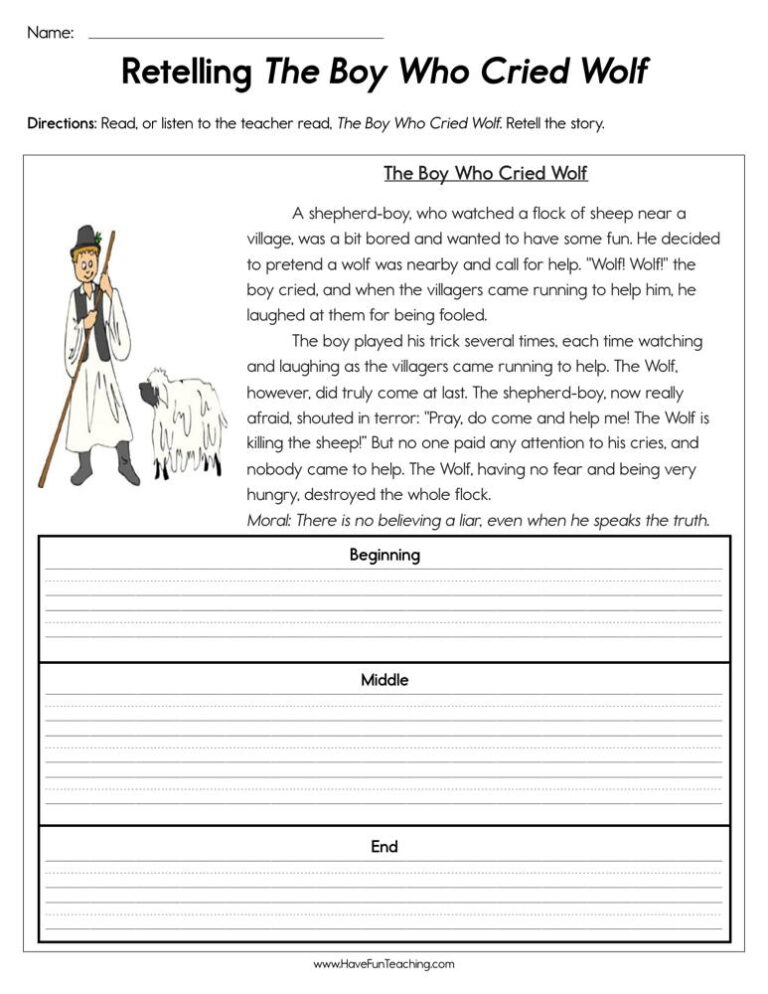
This Retelling The Boy Who Cried Wolf Worksheet gives 2nd graders an Aesop fable to read, four events to put in order, and beginning, middle, and end boxes to fill in. Answer key included for fast, no-prep retelling practice.

Assessment
Assessment2nd GradeFables The Lion and The Mouse Worksheet

This Fables The Lion and The Mouse Worksheet gives 2nd graders an original retelling of Aesop’s fable, four comprehension questions and a written item on the lesson. Answer key included for quick, no-prep practice.

Worksheet
Worksheet2nd GradeSmall Group Checklist Worksheet

This small group checklist worksheet lets 2nd grade students check off six discussion rules they followed and finish one sentence about what they learned from their group that day.

Assessment
Assessment2nd GradeWhat are Maps Worksheet

This What Are Maps Worksheet gives 2nd graders a short informational passage about maps plus four questions and a written response on the main idea. An answer key is included, so checking work takes seconds.

Worksheet
Worksheet2nd GradeReading Fluency Worksheet

This reading fluency worksheet gives 2nd Grade students a 129-word passage to read out loud in one minute, with a running word count and a six-row chart for tracking their score week by week.

Worksheet
Worksheet2nd GradeR-Controlled Vowels Word Hunt Worksheet

A second grade r-controlled vowels word hunt worksheet: students read a short farm story, circle the twelve bossy r words, then sort them by ar, or, and er/ir/ur. Answer key included for fast, no-prep phonics practice.

Activity
Activity2nd GradeCompare and Contrast Across Cultures Activity

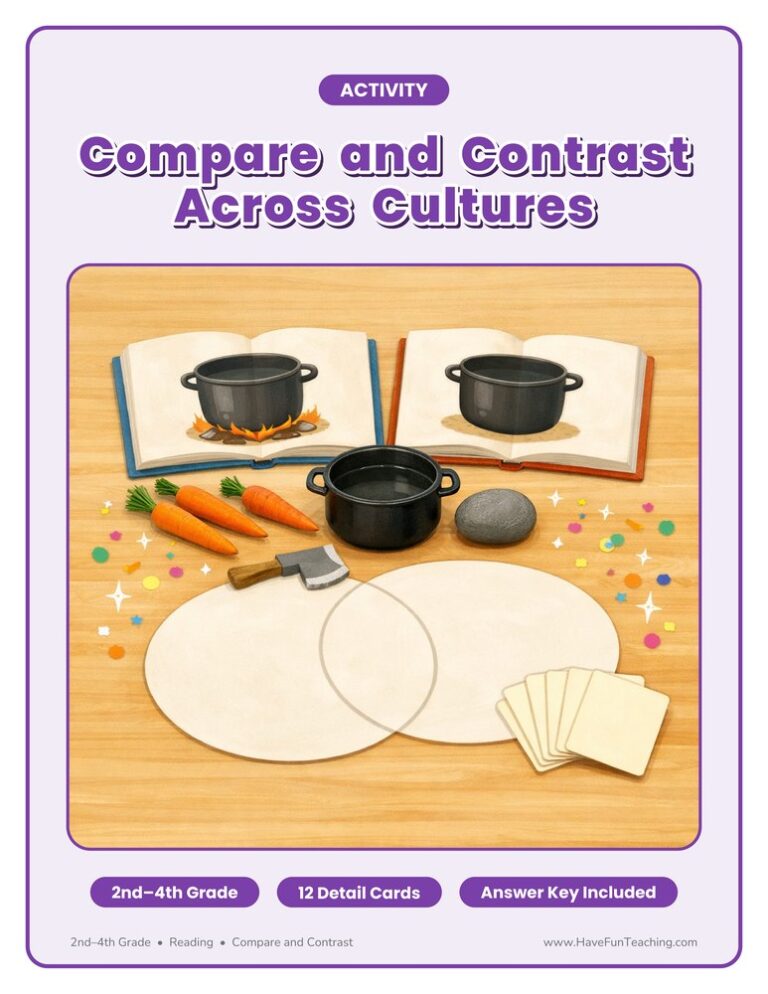
This compare and contrast across cultures activity helps 2nd-4th grade readers sort story details from two folk tales onto a Venn diagram. Answer key included.

Activity
Activity2nd GradeFables and Folktales Activity

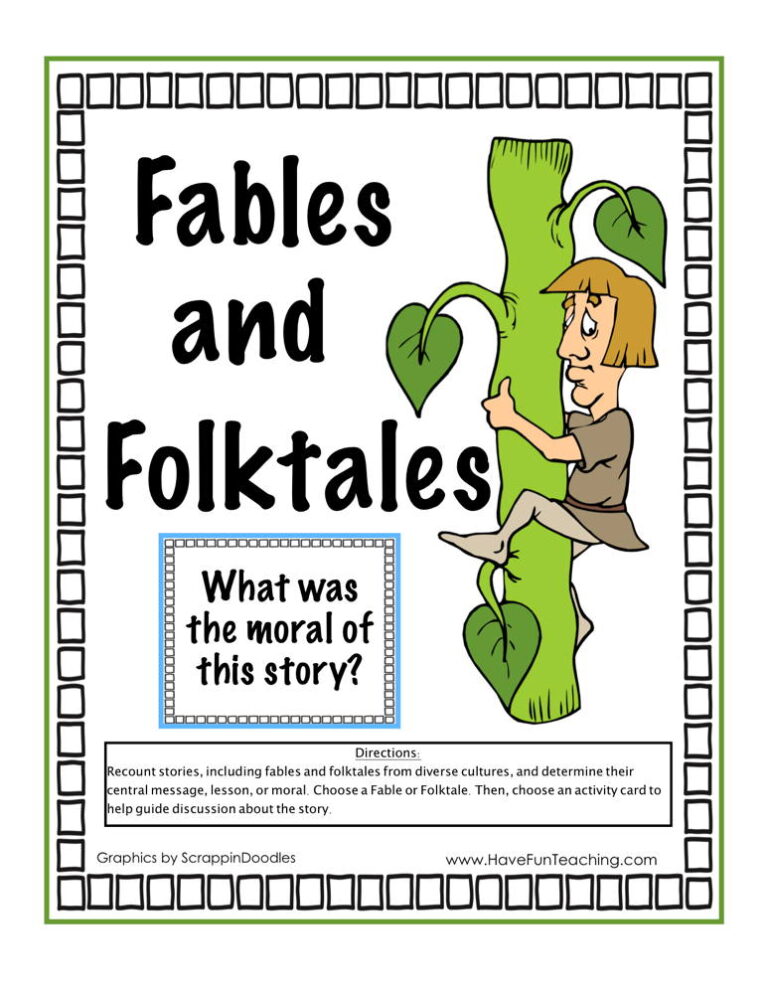
Read, retell and find the moral with this fables and folktales activity for 2nd and 3rd grade: story cards, moral cards, talk cards and a Story Map, with an answer key included.

Worksheet
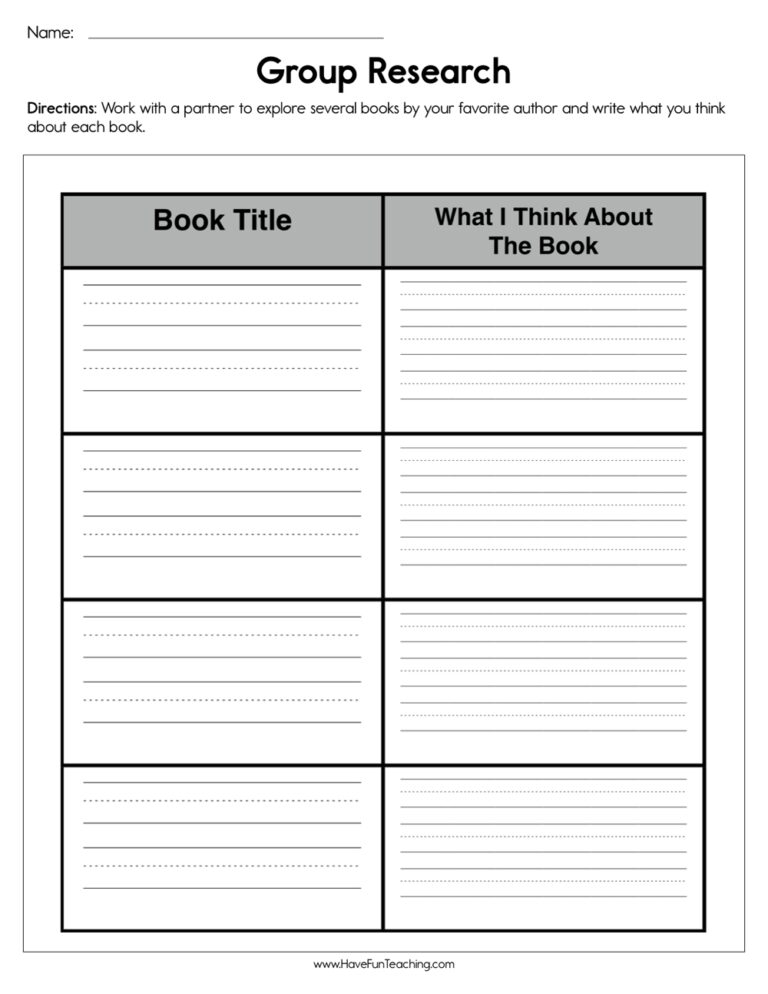
Worksheet2nd GradeGroup Research Worksheet

The Group Research Worksheet lets 2nd grade partners read books by one author, list each title, and write what they think, building reading response and teamwork skills.

Activity
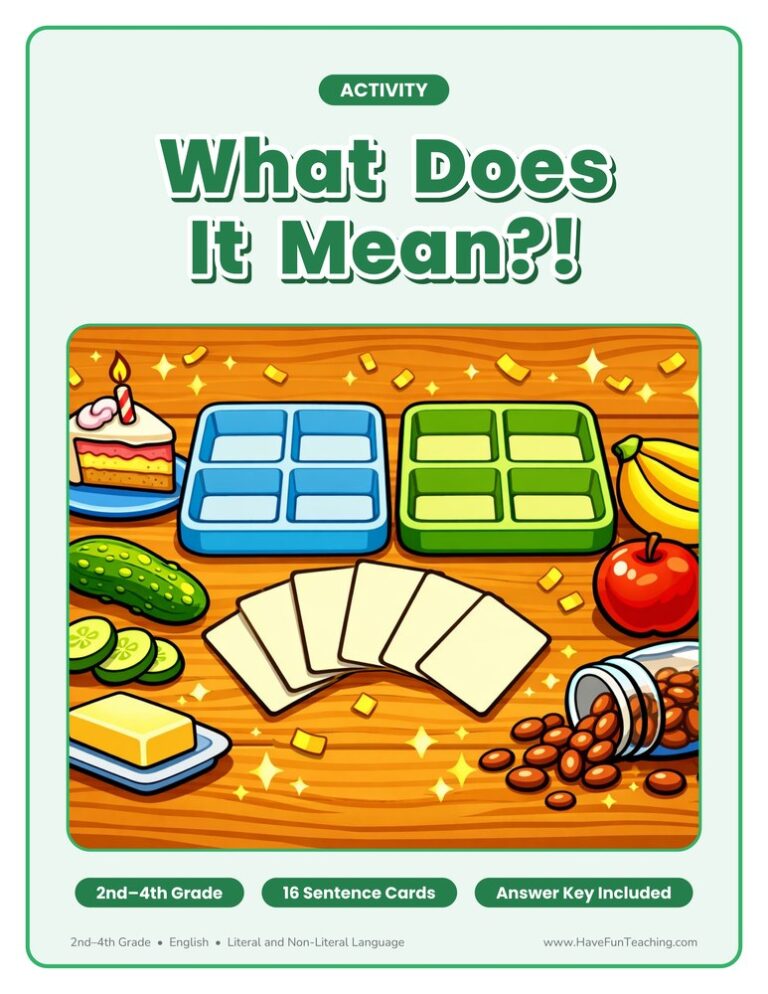
Activity2nd GradeWhat Does it Mean Literal Non-Literal Language Activity

This what does it mean literal non-literal language activity has 2nd to 4th grade students sort 16 food sentence cards and explain idioms. A practice page and answer key are included.

Worksheet
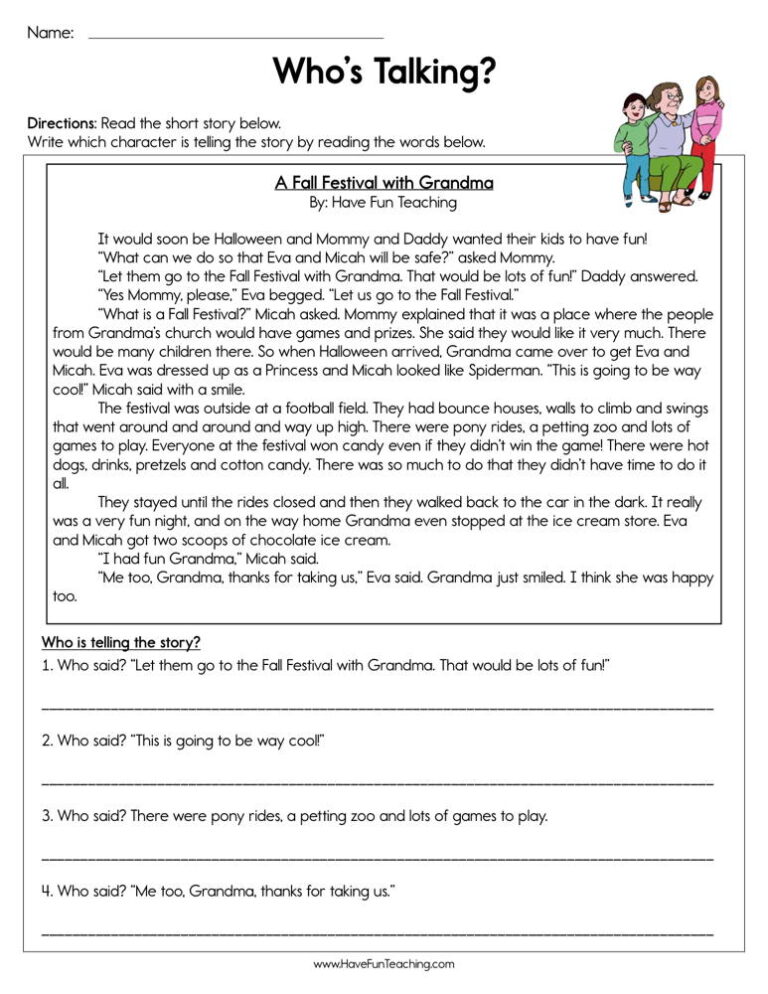
Worksheet2nd GradeWho's Talking Worksheet

This Who's Talking Worksheet asks 2nd Grade readers to match four quoted lines back to the character who said them, then explain how they knew, with an answer key included.

Assessment
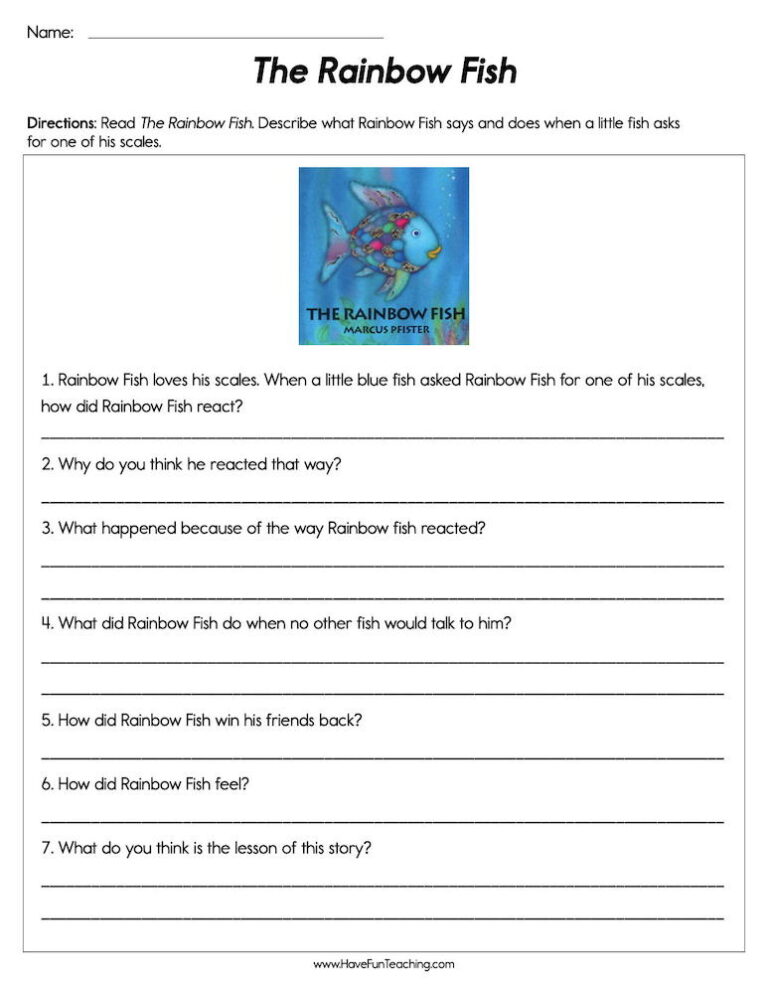
Assessment2nd GradeThe Rainbow Fish Worksheet

Using The Rainbow Fish Worksheet, students read The Rainbow Fish and describe what Rainbow Fish says and does when a little fish asks for one of his scales.

Assessment
Assessment2nd GradeGiraffes Reading Comprehension Worksheet

This Giraffes Reading Comprehension Worksheet gives 2nd graders an original informational passage about giraffes with four multiple-choice questions and a written response. An answer key is included, so nonfiction practice takes no prep.

Worksheet
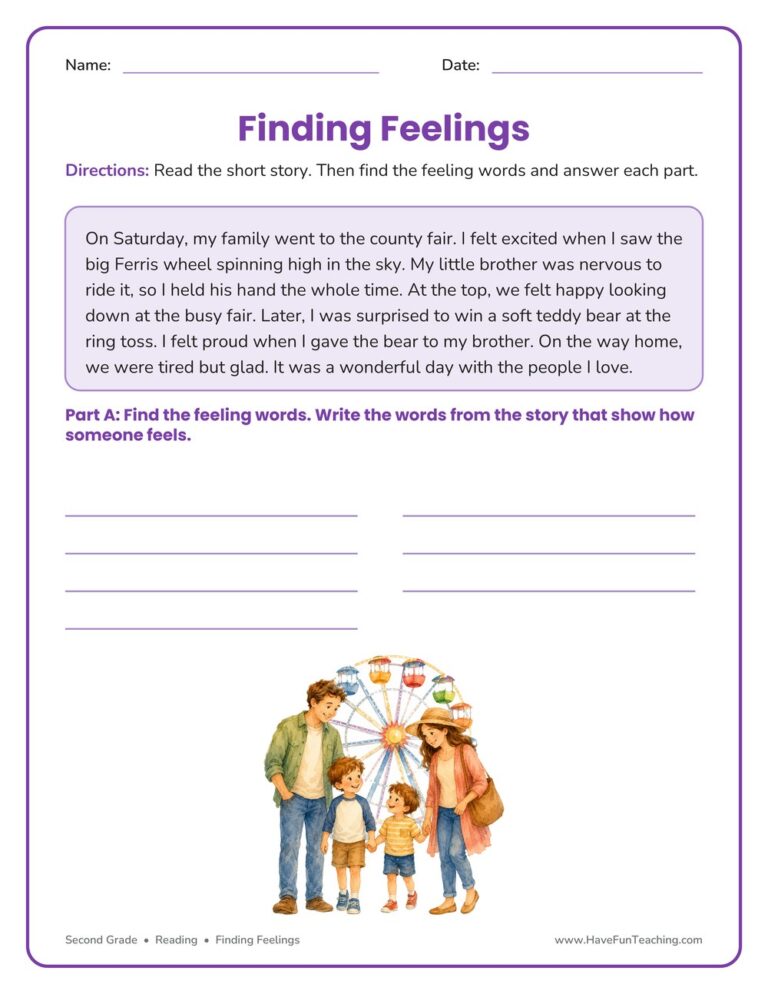
Worksheet2nd GradeFinding Feelings Worksheet

This Finding Feelings Worksheet has second graders read a short story, find the feeling words, and match story moments to emotions. Answer key included — a no-prep way to build reading comprehension and empathy.

Activity
Activity2nd GradeFeeling Words Activity

This feeling words activity has 1st to 3rd graders read a story, match clue cards to feeling words, and practice naming how characters feel. An answer key is included.

Activity
Activity2nd GradeWhat's the Moral of the Story Activity

This what's the moral of the story activity helps 2nd and 3rd graders read short fables, retell them, and match each one to its lesson. Answer key included for quick checking.

Assessment
Assessment2nd GradeCircus Reading Comprehension Worksheet

A circus reading comprehension worksheet that gives 2nd graders a short big-top story, four bubble questions, and a written-response prompt. Answer key included for fast, no-prep reading practice at school or home.

Assessment
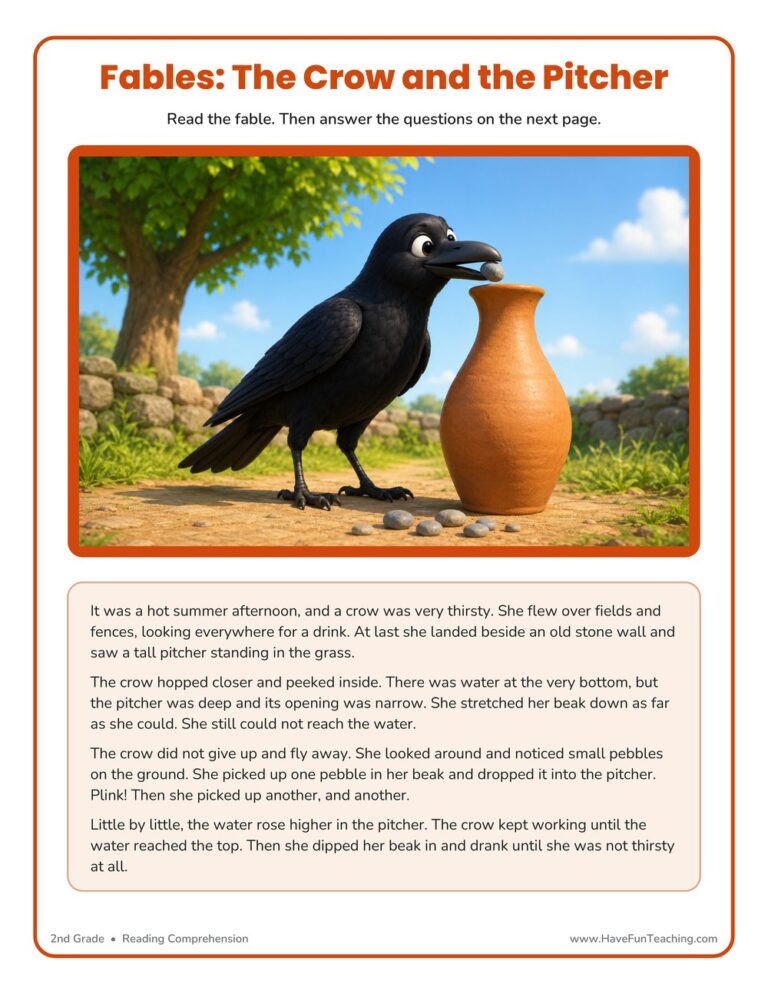
Assessment2nd GradeFables The Crow and The Pitcher Worksheet

This Fables The Crow and The Pitcher Worksheet gives 2nd Grade readers an illustrated Aesop fable, comprehension questions, a sequencing activity, and a lesson response. Answer key included for quick, no-prep reading practice.

Activity
Activity2nd GradeRetelling Using Key Details Activity

This retelling using key details activity helps kindergarten to 3rd grade students sort key events, put them in order, and retell a story, with an answer key included.

Worksheet
Worksheet2nd GradeUnderstanding a Text Worksheet

This Understanding a Text Worksheet helps second graders ask a who, what, where, when, why or how question about any story, write the answer, and draw a picture that shows it.

From our teachers' playbook

Small groups, big reading growth

What do 2nd graders learn in independent and guided reading?

In second grade, guided reading is where kids practice reading on their own, with a teacher right there to help. In small groups they read books at their just-right level, ask and answer questions about the text, retell stories in order and figure out the lesson in fables. During independent reading they build stamina, reading longer on their own every week, and work on fluency: reading smoothly, at a good pace and with expression. The click moment is when a child finishes a chapter, looks up and says "Wait, I need to know what happens next!"

Our favorite ways to run guided and independent reading

Small groups work best with clear routines. These moves make every reading block count.

Model your questions

Before a group reads, think aloud as you preview the cover: "I wonder why the mouse looks so worried." Have each child write one question they hope the book answers. Afterward, they check if it was answered. It turns reading into a hunt.

Why it works: showing first, practicing together, then letting kids try alone is the "gradual release" model teachers have relied on for decades (Pearson and Gallagher, 1983).

Anticipating Ask and Answer Questions WorksheetTry it withAnticipating Ask and Answer Questions WorksheetWorksheetsOpen it →

Reread for fluency

Have kids reread the same short passage three times over a week, timing or recording themselves. Each read gets smoother, and kids can hear their own progress. Repeated reading is one of the simplest fluency builders there is.

Why it works: the brain holds on to what it meets again and again over time; spaced practice was rated among the very best methods (Dunlosky and colleagues, 2013).

Reading Fluency WorksheetTry it withReading Fluency WorksheetWorksheetsOpen it →

Check with a fable

After reading a fable together, use a quick comprehension sheet to check understanding: Who are the characters? What happened? What's the lesson? You'll see right away who needs to reread and who's ready to move up a level.

Why it works: researchers who compared ten study methods found practice testing is one of the two that work best (Dunlosky and colleagues, 2013).

Fables The Lion and The Mouse WorksheetTry it withFables The Lion and The Mouse WorksheetAssessmentsOpen it →

Questions parents and teachers ask us

What is the difference between guided and independent reading?

Guided reading happens in a small group with a teacher, using books that are a little challenging. Independent reading is when kids read on their own, usually with books that are easy enough to read without help.

How long should a 2nd grader read each day?

Many teachers suggest about 20 minutes of reading at home each day. In class, independent reading often grows from 10 to 20 minutes or more as stamina builds.

What should a 2nd grader be able to do after reading?

They should be able to retell the story in order, answer who, what, where, when, why and how questions, and describe the lesson or main idea. They should also read smoothly with expression.

How can I help my 2nd grader read more fluently?

Read the same page together a few times, taking turns. Read aloud with expression so your child hears what fluent reading sounds like. Rereading favorite books is great practice.