
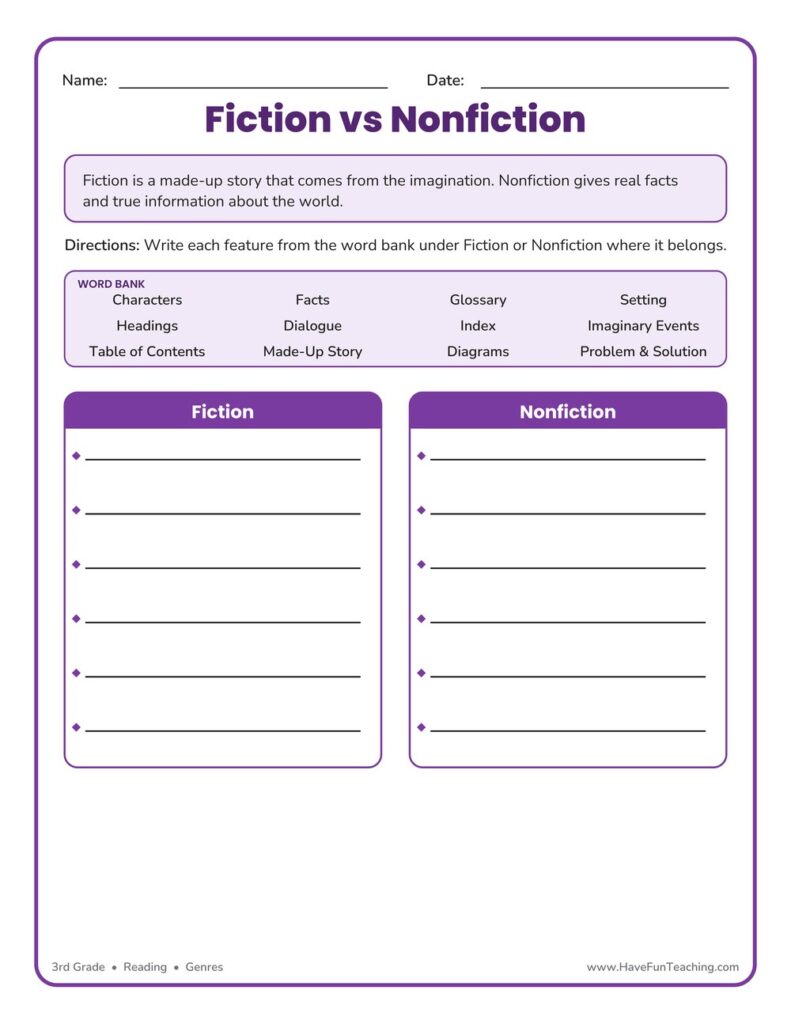
Fiction and Nonfiction Features Worksheet
This fiction and nonfiction features worksheet has 3rd graders sort twelve text features into Fiction and Nonfiction columns. An answer key is included, making it a quick, no-prep way to build genre awareness.
$6.97
Or free with a membership — members pay $3.33/mo for all 10,000+ resources. See plans
Want this one free?
Tell us where to send it and it’s yours — no card, no catch.
One free resource per teacher. We’ll also send free teaching ideas each week — unsubscribe anytime.
Teaching is easier with a membership
Unlimited printables, games & videos for PreK–6th — for your classroom or homeschool. Cancel anytime.
Start your 3-day free trial$0 today · cancel anytime · Instant access to 10,000+ resources
About this resource
Description
This Fiction and Nonfiction Features Worksheet helps 3rd grade readers tell the difference between made-up stories and true information by sorting common text features into two groups. Understanding fiction and nonfiction features is a key reading skill: it helps students set a purpose for reading, predict what a book will be about, and know whether they are reading for fun or to learn facts. With this Fiction and Nonfiction Features Worksheet, learners build that awareness through a hands-on sorting activity.
The page opens with a clear definition of fiction and nonfiction, followed by a word bank of twelve text features. Students read each feature and write it in the Fiction column or the Nonfiction column where it belongs. Because this fiction vs nonfiction worksheet uses a word bank and roomy writing lines, it works well as independent practice, a literacy-center task, guided-reading follow-up, or a quick review. The included answer key makes checking fast.
What’s Included
- 1 print-ready PDF worksheet
- Answer key
- 12 text features to sort into Fiction and Nonfiction
This Fiction and Nonfiction Features Worksheet helps kids in three ways. First, sorting features into categories makes the abstract idea of genre concrete and memorable. Second, the word bank supports developing readers and spellers, so students focus on thinking rather than getting stuck on writing. Third, the answer key gives immediate feedback, letting learners confirm their choices and correct any mix-ups right away.
To extend the lesson, have students hunt through classroom books to find real examples of each feature, or challenge them to add their own features to each column. You can also pair the worksheet with a read-aloud, pausing to ask whether the book is fiction or nonfiction and how they know. Sorting a stack of familiar titles into two piles is another quick, playful way to reinforce the difference.
Related Resources
What teachers say
Reviews
You must be logged in to post a review.
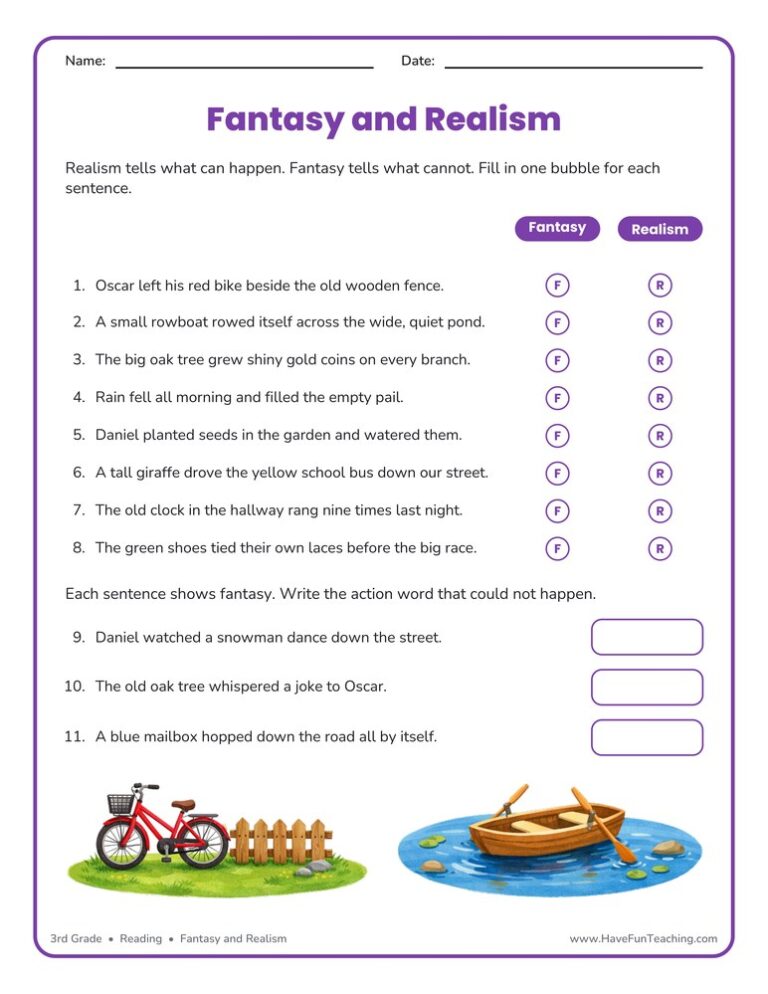
The Identifying Fantasy and Realism Worksheet has 3rd graders sort eleven sentences into real and not real, then write the word that could not happen. An answer key is included for quick checking.
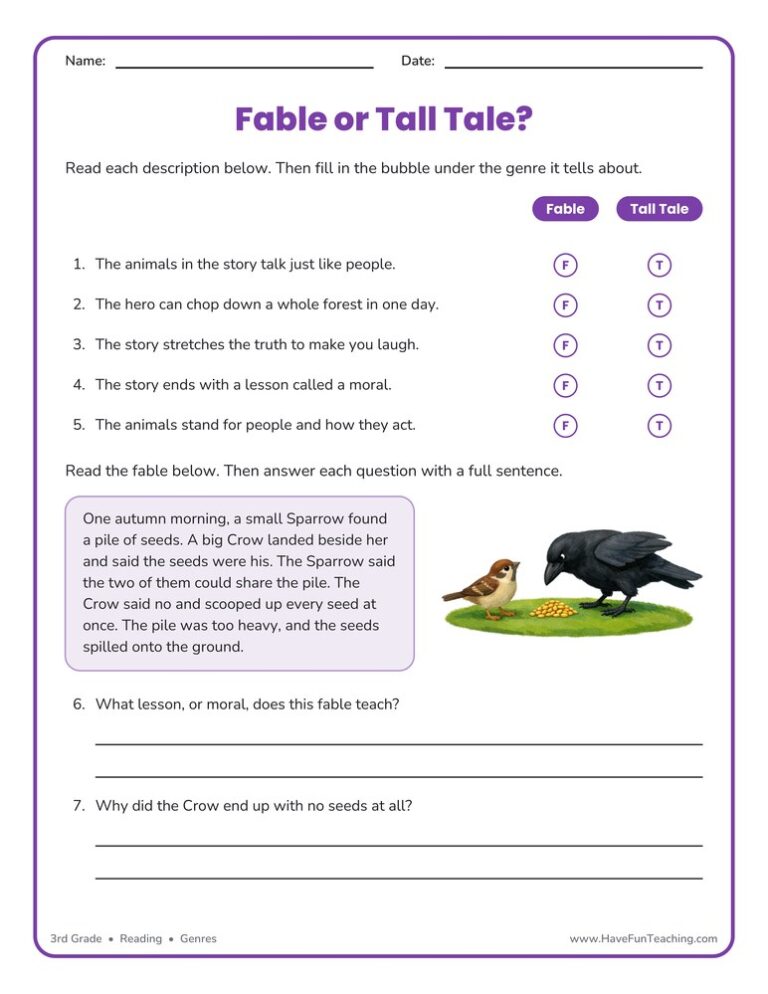
This Fables Tall Tales Worksheet helps 3rd graders sort genre clues and read an original fable about a greedy crow. An answer key is included, so folklore practice takes no prep at all.
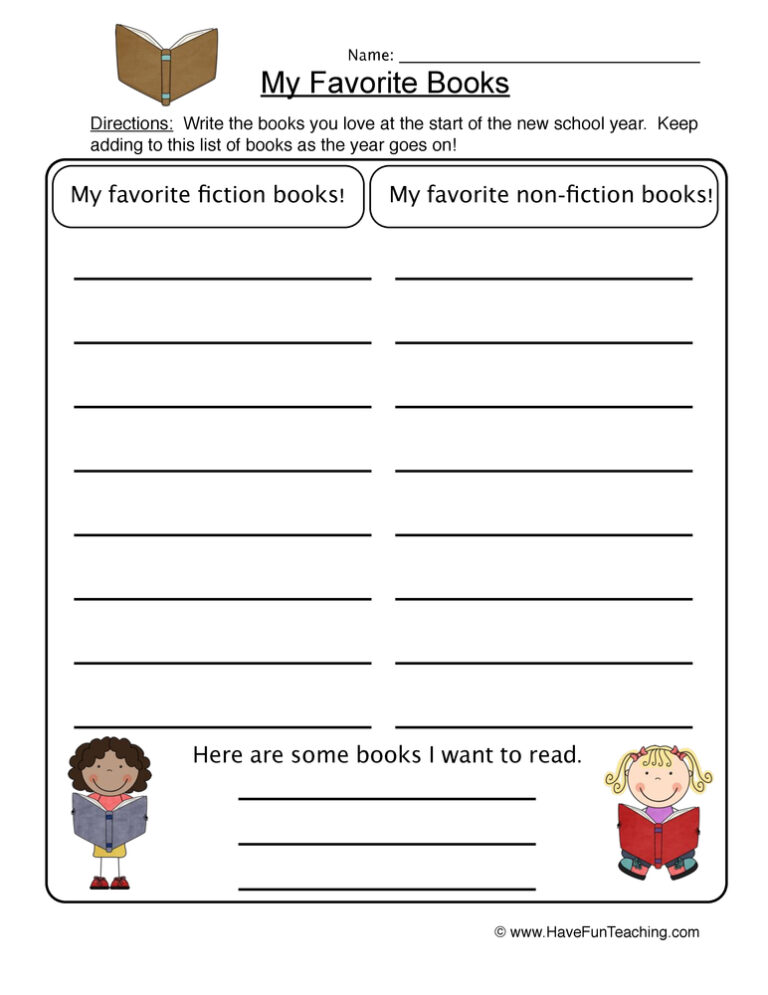
Using Fiction and Non-Fiction Favorite Books Worksheet, students create a list of their favorite fiction and non-fiction books that they have read.
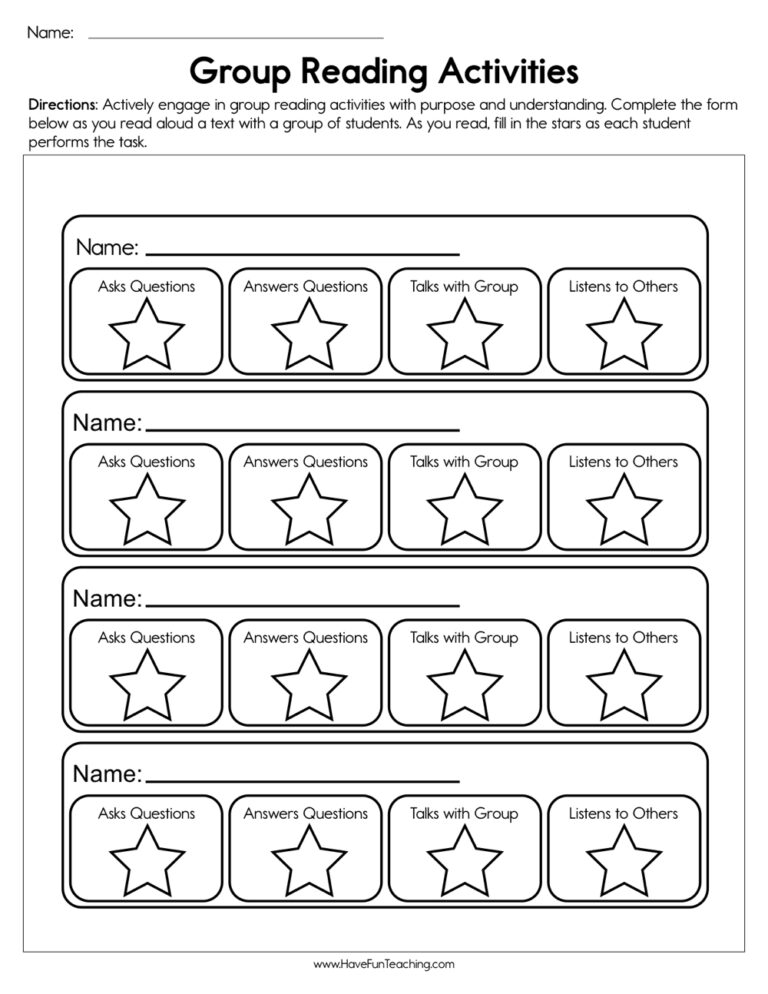
This group reading activities worksheet helps 2nd grade teachers record how each student asks, answers, shares, and listens during a small reading group, with lines to log the text and genre.

Using Fiction and Nonfiction List Worksheet, students create a list of their favorite fiction and non-fiction books that they have read by themselves or with the class.
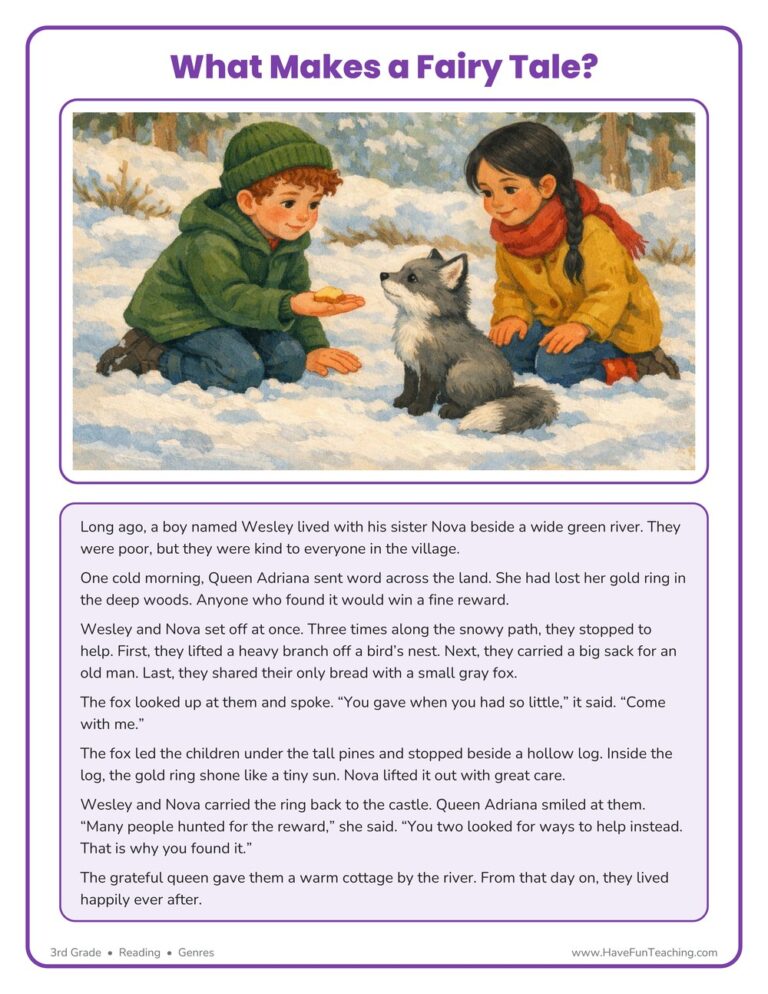
The Fairy Tales Elements Worksheet gives 3rd Grade readers an original fairy tale, a six-row elements chart, and two written responses, with an answer key included, so a genre lesson is ready to hand out.

Using Reading Prose and Poetry Worksheet, students keep track of the stories they read this year by writing the title and the rating each book.
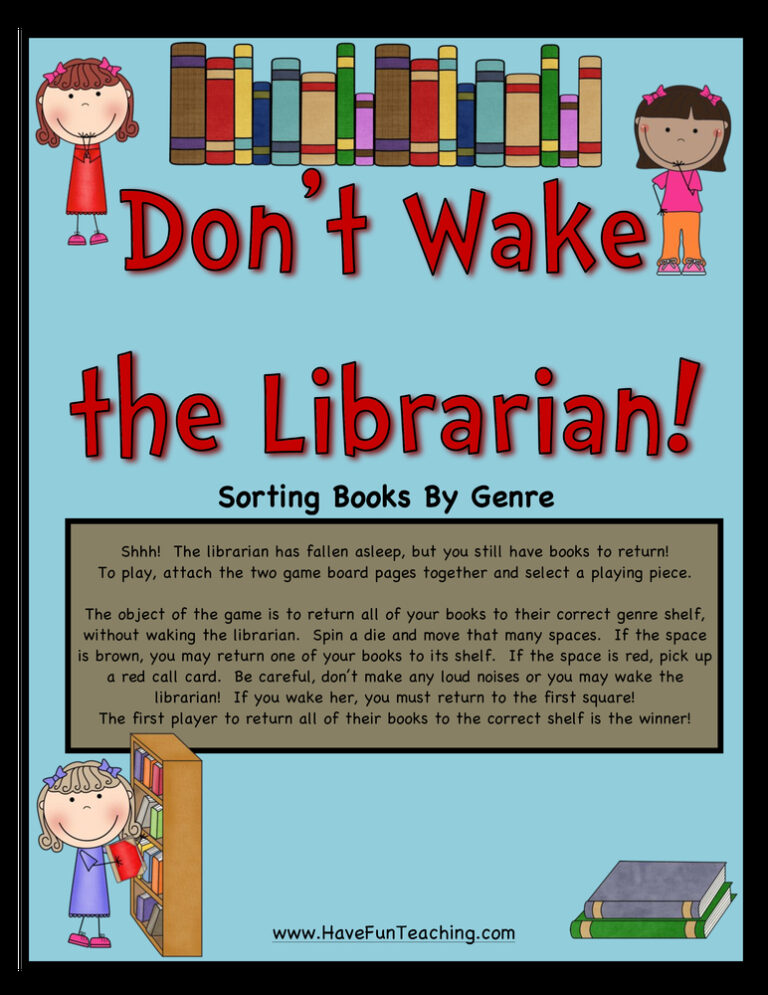
UsingDon't Wake the Librarian Sorting Books by Genre Activity, students will "return" books to the library based on genre type without waking the librarian!

Using Informational Books Reading Log Activity, studentsread informational texts to build reading comprehension skills and their understanding of informational texts.

Using Reading Informational Texts Worksheet, students keep track of the stories they read this year by writing the title and the rating each book.

Using this Three Amigos Poetry Drama Prose Activity, students sort the word cards by genre (prose, poetry, and drama). Use the sorted cards to label and fill out a Venn Diagram.

Using Tracking Reading at Grade Level Nonfiction Worksheet, students keep track of the stories they read this year by writing the title and the date the book was completed.
Reviews
There are no reviews yet