
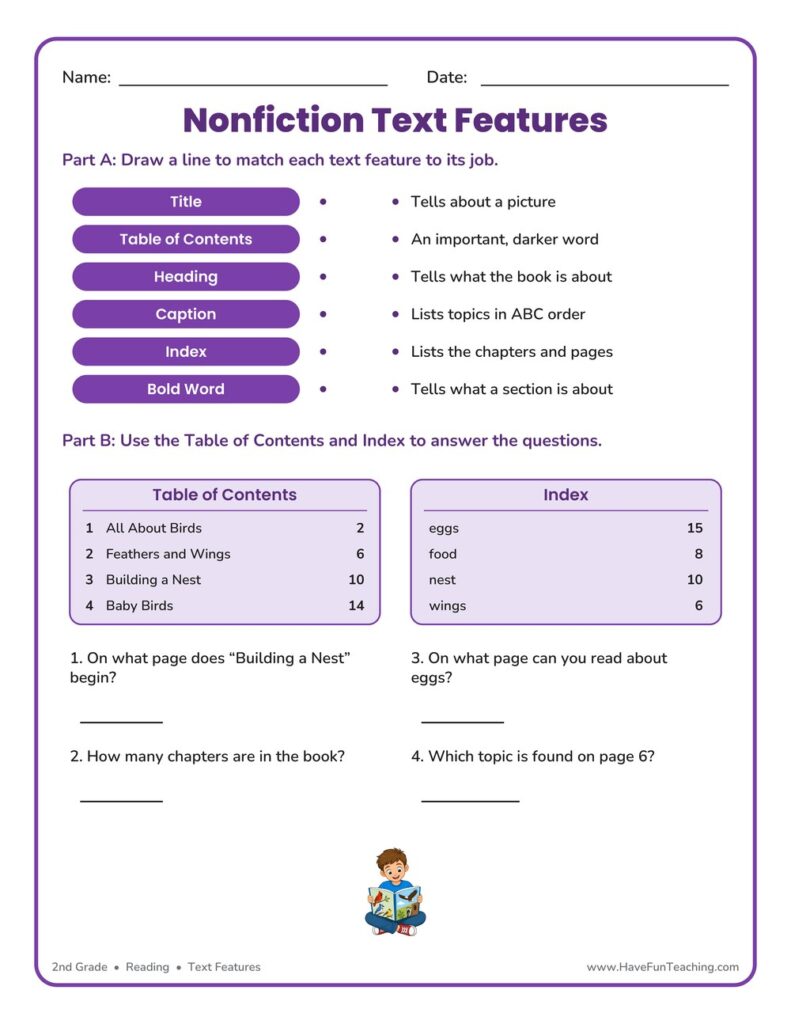
Nonfiction Text Features Worksheet
This Nonfiction Text Features Worksheet helps 2nd graders match key text features and use a Table of Contents and Index to find information. An answer key is included for quick, no-prep reading practice.
$6.97
Want this one free?
Tell us where to send it and it’s yours — no card, no catch.
One free resource per teacher. We’ll also send free teaching ideas each week — unsubscribe anytime.
Free teacher account · no credit card
Membership
Get every game, song, & printable
- Every game, on any device
- 10,000+ printables
- Assign online with HFT Classroom
Then $39.97/year · cancel anytime · See plans
- Instant digital download
- Printable PDF + answer key
- Made by real teachers
Teacher / Family membership
Teaching is easier with every resource
One membership for your whole year: 10,000+ worksheets, games, songs and videos for Preschool–6th, for your classroom or homeschool.
- Unlimited printables & downloads
- Every game, on any device
- Assign online with HFT Classroom
- Cancel anytime
Teacher / Family membership · 3 days free
Yearly
Monthly would be $119.64 a year
$3.33/month
Billed $39.97 once a year
You save $79.67 every year
Start My 3 Free Days$0 today · cancel anytime
Monthly
$9.97/month
Flexible, month to month
Yearly is just $3.33/mo. Switch and save $79.67
Start My 3 Free Days$0 today · cancel anytime
About this resource
Description
This Nonfiction Text Features Worksheet helps second graders learn how nonfiction books are organized. Nonfiction text features—like the title, headings, captions, bold words, a table of contents, and an index—give readers clues about where to find information. When students know how to use these features, they can locate facts quickly and read informational texts with confidence.
This printable 2nd grade text features worksheet gives students hands-on practice with the parts of a nonfiction book. First, kids match each text feature to the job it does. Then they use a sample Table of Contents and Index to answer real questions about page numbers and topics. Simply print the page and have students complete it independently, with a partner, or as a guided reading warm-up.
What’s Included
- 1 print-ready PDF worksheet
- Answer key
- A text feature matching activity plus 4 Table of Contents and Index questions
There are three big reasons this nonfiction text features worksheet helps kids learn. First, the matching activity builds vocabulary by connecting each feature to its purpose. Second, using a real table of contents and index teaches students to search for information instead of guessing. Third, the clean, colorful layout keeps young readers focused so they can practice the skill without feeling overwhelmed.
Teachers and parents can extend this skill in fun ways. Take a nonfiction library book and go on a text feature scavenger hunt, pointing out headings, captions, and bold words. Ask your child to use the index to find a favorite animal, or create a simple table of contents for a book about their own day. The more students explore real nonfiction, the more natural these features become.
Related Resources
What teachers say
Reviews
Write a review, earn store credit
Get 25¢ in credit for every approved review of a resource you’ve downloaded, played or purchased — up to 15 a month. Credit applies automatically to your membership payments, so your reviews can help pay for your membership.
Honest reviews only — any star rating earns the same. Program rules
Log in to write a review and earn store credit.

This Using Non-Fiction Text Features Worksheet helps 2nd graders spot the title, subheadings, captions, bold words, and glossary on a real nonfiction page. Answer key included for quick, no-prep reading practice.
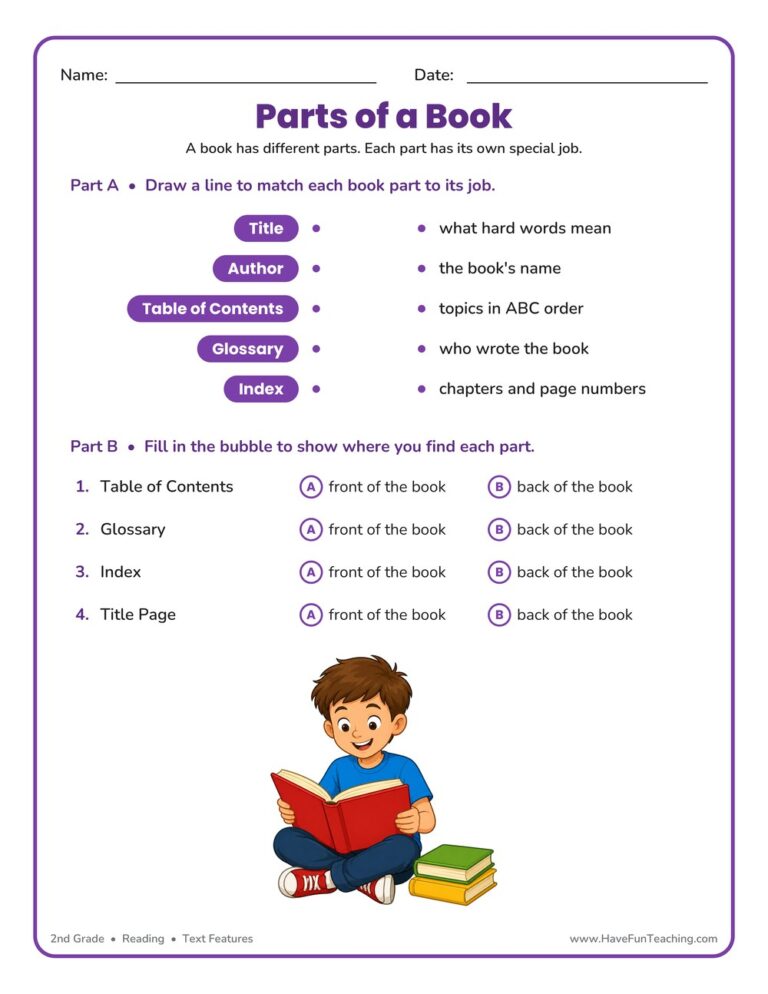
This Book Parts Worksheet helps 2nd graders identify the title, table of contents, glossary, and index, and where to find each part of a book. An answer key is included for quick, no-prep reading practice.

Use this understanding meaning worksheet to help 2nd graders learn new words with context clues from a short text about the desert cactus. An answer key is included for quick checking.

This Using Text or Pictures to Find Information Worksheet asks 2nd graders to decide whether each fact came from the words or the picture. An answer key is included, so nonfiction practice takes no prep.
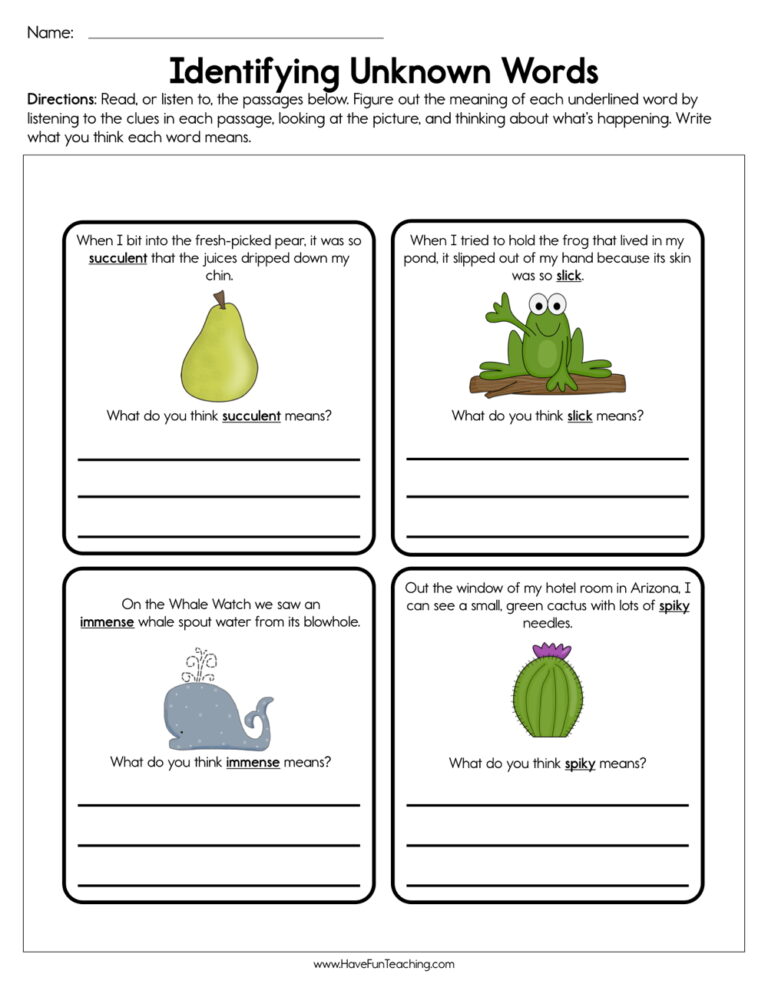
This Identifying Unknown Words Worksheet gives 2nd graders four illustrated passages and asks them to use context clues to choose what each underlined word means. Answer key included for fast, confident vocabulary practice.
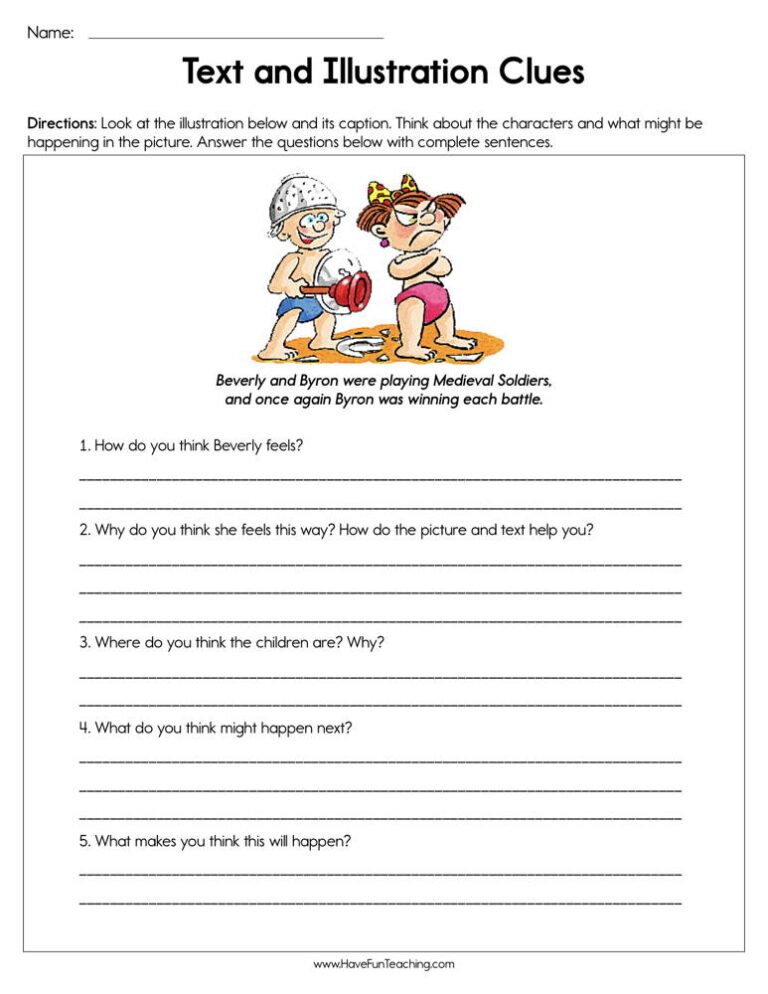
This Text and Illustration Clues Worksheet asks 2nd graders to read one picture and its caption together, then answer four questions with evidence. An answer key is included for quick checking.

This informational text vocabulary worksheet gives 2nd grade students a short passage about how a seed grows, four bubble questions and one written response. An answer key is included.

Use this images to understand the information worksheet to help 2nd graders name a photograph, diagram, and drawing and find the facts each one shows. An answer key is included for quick checking.
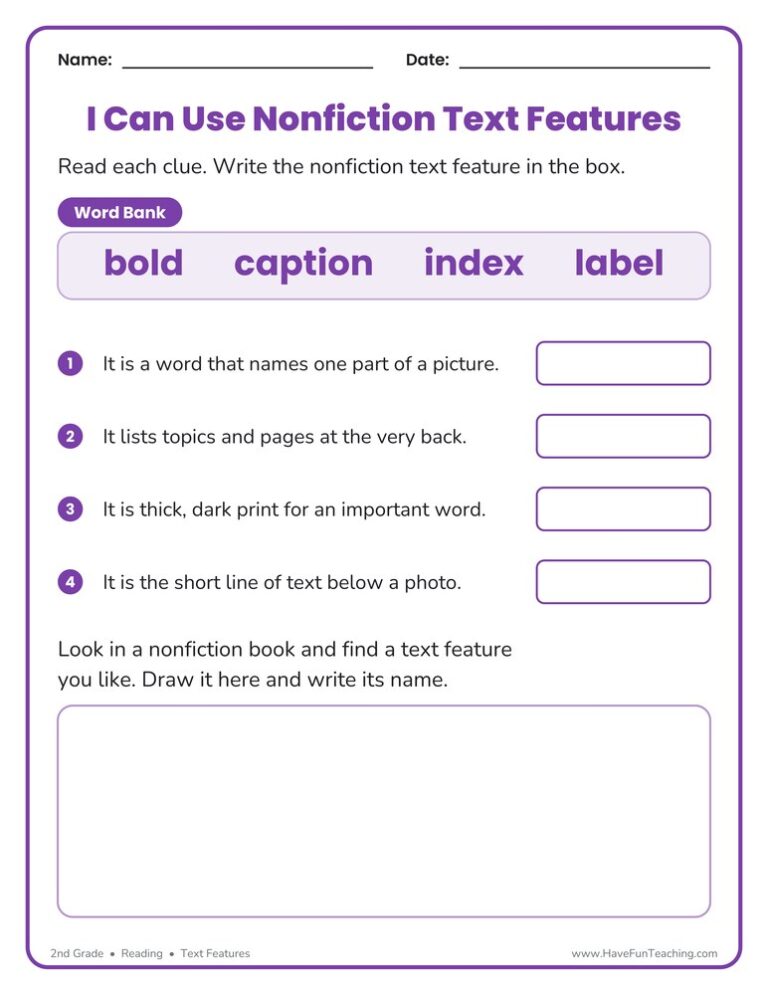
This I Can Use Nonfiction Text Features worksheet helps 2nd grade students name bold print, captions, labels, and the index, then find one in a real book. An answer key makes checking easy.

A locating nonfiction text features examples worksheet that has 2nd graders name the heading, caption, index, and bold word in four real book snippets. Answer key included for fast, no-prep nonfiction reading practice.

Using Compare Contrast Book Covers Worksheet, students compare two books using information from the book cover to determine how they are alike and different.

This Images in Text Worksheet gives 2nd graders a short lighthouse passage with a full-width picture, then four questions on detail, text features, vocabulary and main idea. Answer key included.




Reviews
There are no reviews yet