
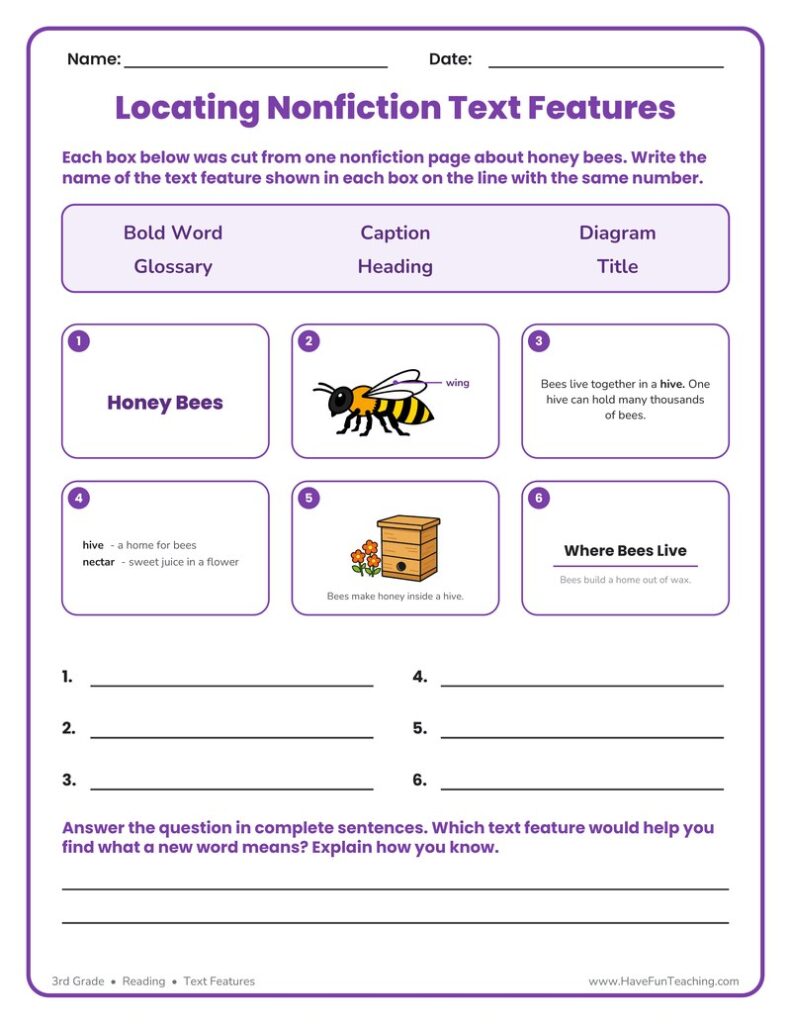
Locating Nonfiction Text Features Worksheet
The Locating Nonfiction Text Features Worksheet asks 3rd Grade readers to name six features cut from one nonfiction page about honey bees, then explain one choice. Answer key included for fast, confident nonfiction reading.
$6.97
Or free with a membership — members pay $3.33/mo for all 10,000+ resources. See plans
Want this one free?
Tell us where to send it and it’s yours — no card, no catch.
One free resource per teacher. We’ll also send free teaching ideas each week — unsubscribe anytime.
Teaching is easier with a membership
Unlimited printables, games & videos for PreK–6th — for your classroom or homeschool. Cancel anytime.
Start your 3-day free trial$0 today · cancel anytime · Instant access to 10,000+ resources
About this resource
Description
Nonfiction books do not just talk to readers in paragraphs. They also use titles, headings, bold words, captions, diagrams, and glossaries to organize information and point readers to what matters most. Learning to name and locate those parts is what turns a student from someone who reads every page in order into someone who can find an answer fast. This Locating Nonfiction Text Features Worksheet teaches third graders to recognize six common nonfiction text features and to explain what each one does.
Six numbered boxes on the page were all cut from the same nonfiction page about honey bees. One box holds the title, another holds a heading, another a sentence with a bold word, another a labeled diagram, another a picture with a caption, and the last a short glossary. Students study each box, choose the matching feature name from the word bank, and write it on the numbered line below. A final question asks them to decide which feature would help them find the meaning of a new word and to explain their thinking in complete sentences. Use this 3rd grade text features worksheet during a nonfiction unit, as a guided reading warm-up, in a literacy center, or as review before a reading test. It pairs well with any nonfiction book already in your classroom.
What’s Included
- 1 print-ready PDF worksheet
- Answer key
- 6 numbered text-feature example boxes, a 6-word word bank, 6 answer lines, and 1 written-response question
This Locating Nonfiction Text Features Worksheet helps children in three ways. First, it makes an abstract vocabulary list concrete, because students see a real example of every feature instead of memorizing definitions. Second, it builds the habit of using features as tools: once a reader knows a glossary defines words and a diagram shows parts, that reader stops rereading the whole page hunting for an answer. Third, the closing written response moves students past matching and asks them to justify a choice, which is the kind of thinking a reading assessment expects at this grade.
Teachers and parents can keep the skill going long after the page is finished. Hand out a stack of magazines or nonfiction library books and go on a text-feature scavenger hunt, tallying how many of each feature the group can find. Ask students to add a caption to a photograph, or to turn one paragraph into a labeled diagram. Have children write a short glossary for three words from a chapter they just read. Play a quick game where you call out a feature and students race to point to one in a book on their desk.
Related Resources
What teachers say
Reviews
You must be logged in to post a review.
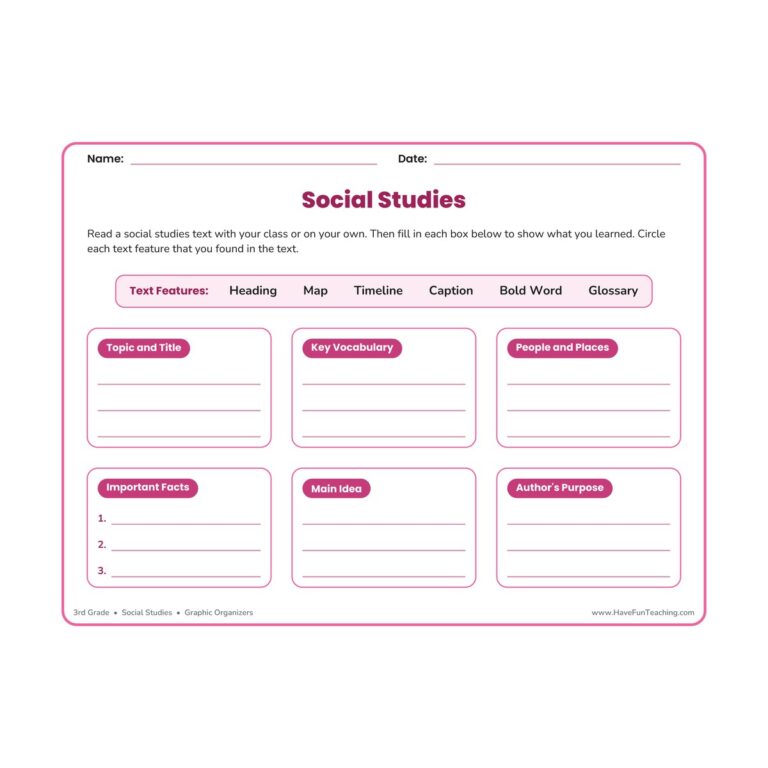
A one-page social studies graphic organizer worksheet for 3rd graders to capture the topic, key vocabulary, people, three facts, main idea, and author's purpose from any nonfiction text.
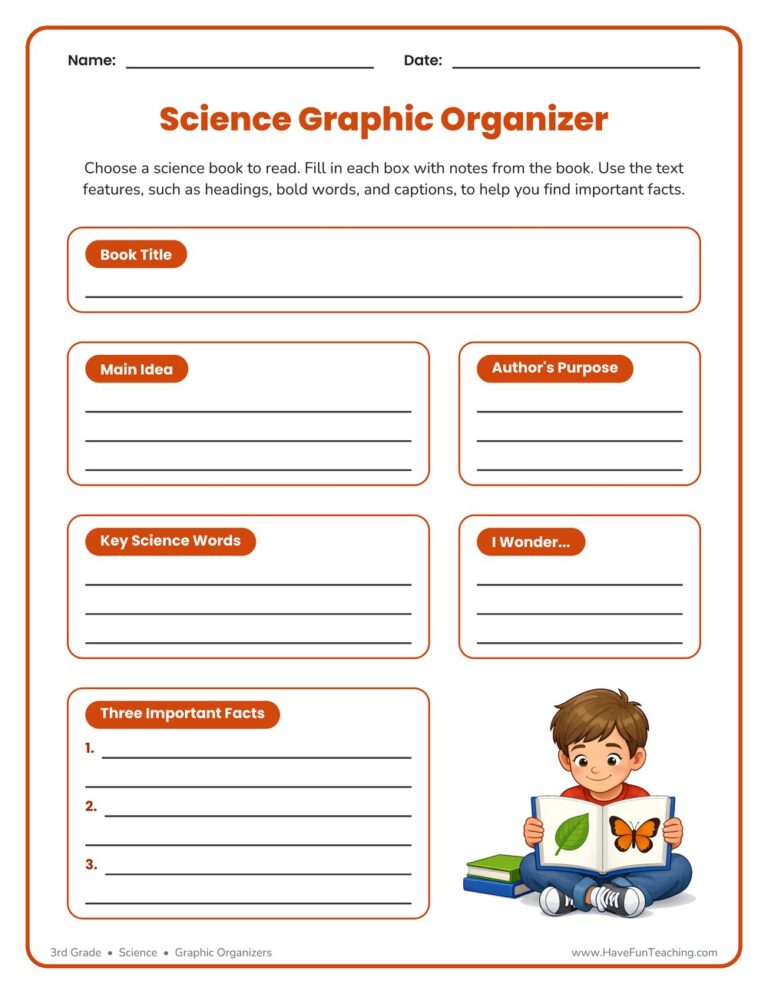
This science graphic organizer worksheet helps 3rd graders take notes on any nonfiction science book, from main idea and author’s purpose to key science words and three important facts. A reusable page that turns reading into real understanding.

This Using Text or Pictures to Find Information Worksheet asks 2nd graders to decide whether each fact came from the words or the picture. An answer key is included, so nonfiction practice takes no prep.

Using Identifying Literary Elements Activity, students find examples of text features and story elements to build their reading comprehension.
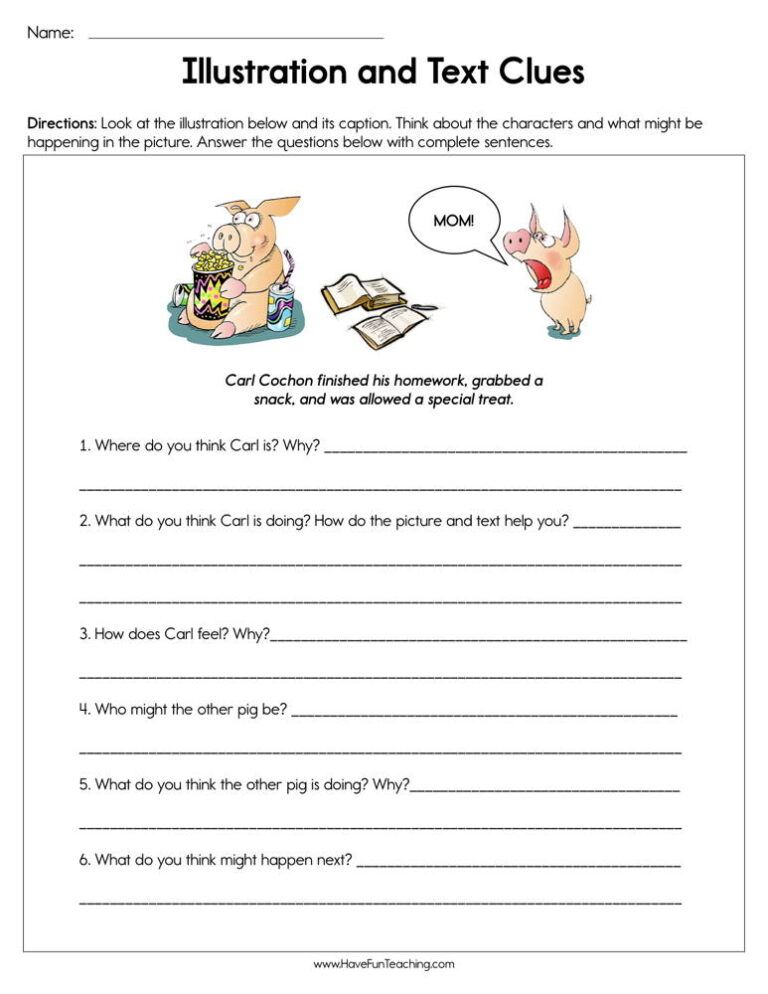
This illustration and text clues worksheet has 3rd graders combine a garden picture with its caption to answer five inference questions in full sentences, with an answer key included for quick checking.

Using Vocabulary Jeopardy Activity, students determine the meaning of words and phrases as they are used in a text to build their use of vocabulary.

Using Text Features Scavenger Hunt Activity, studentsidentify text features in the books they are reading to gather information about what they will read.

Using Images to Understand the Information Worksheet, students explain how the illustrations contribute and clarify a text to build their understanding of what has been read.
Using Greek Mythology Activity, students determine the meaning of words and phrasesincluding those that allude to significant characters found in mythology.
Using Character Setting Plot Activity, studentsfind examples of story elements as they read to build their reading comprehension.

This text or pictures worksheet asks 3rd grade students to answer six questions about beavers, then mark whether each answer came from the passage or the illustration. An answer key is included, so checking work takes only a moment.

Using this Finding Story Elements Activity, students help three superheroes defeat the evil villain Story Weaver and crack the code in a story. Use the boxes on the next pages to help them do their job!
Reviews
There are no reviews yet