
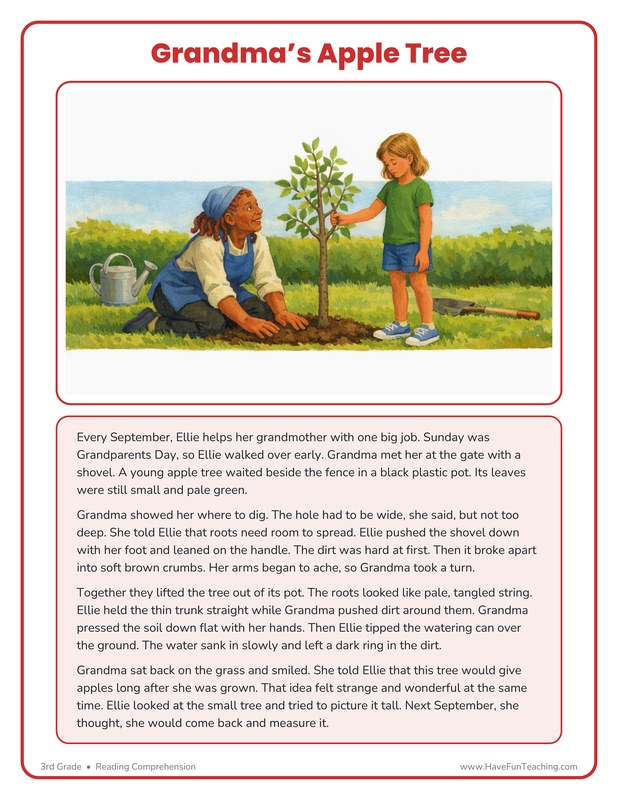
Grandma’s Apple Tree Reading Comprehension Worksheet
This Grandparents Day reading comprehension worksheet gives 3rd graders an original story about a girl and her grandmother planting an apple tree, plus four questions and a written response. A full answer key makes checking quick.
$6.97
Want this one free?
Tell us where to send it and it’s yours — no card, no catch.
One free resource per teacher. We’ll also send free teaching ideas each week — unsubscribe anytime.
Free teacher account · no credit card
Membership
Get every game, song, & printable
- Every game, on any device
- 10,000+ printables
- Assign online with HFT Classroom
Then $39.97/year · cancel anytime · See plans
- Instant digital download
- Printable PDF + answer key
- Made by real teachers
Teacher / Family membership
Teaching is easier with every resource
One membership for your whole year: 10,000+ worksheets, games, songs and videos for Preschool–6th, for your classroom or homeschool.
- Unlimited printables & downloads
- Every game, on any device
- Assign online with HFT Classroom
- Cancel anytime
Teacher / Family membership · 3 days free
Yearly
Monthly would be $119.64 a year
$3.33/month
Billed $39.97 once a year
You save $79.67 every year
Start My 3 Free Days$0 today · cancel anytime
Monthly
$9.97/month
Flexible, month to month
Yearly is just $3.33/mo. Switch and save $79.67
Start My 3 Free Days$0 today · cancel anytime
About this resource
Description
Reading comprehension is the work a child does after the words are decoded: holding a story in mind, going back to find the detail that answers a question, and drawing a conclusion the text supports without stating it outright. By third grade, students are expected to do all three with a passage they read on their own. This Grandparents Day reading comprehension worksheet gives them a warm seasonal story to practise on, so the skill is built on something a child actually wants to read rather than a paragraph about nothing in particular.
The sheet opens with an original Grandparents Day reading passage called Grandma’s Apple Tree, written and measured to the third-grade band. Ellie spends Grandparents Day helping her grandmother plant a young apple tree, and the story follows the pair from the hard first shovelful of dirt to the moment they sit back on the grass and try to picture the tree tall. The questions live on their own page, so students can keep the story in front of them while they answer. Read it aloud together the first time, then let students reread it quietly before they pick up a pencil.
What’s Included
- 1 print-ready PDF worksheet
- Answer key
- 1 original 227-word third-grade story with a full-colour illustration
- 4 multiple choice questions and 1 written response
Three things make this Grandparents Day reading comprehension worksheet work. First, every question is answerable from the passage, so a student who goes back and rereads is rewarded, which is the habit the sheet is really teaching. Second, the questions climb: two ask for a stated detail, one asks why something happened, and the last asks what will most likely happen to the tree, so the page moves from recall into inference the way a state assessment does. Third, the written response asks for two details rather than one, which pushes students to gather evidence instead of settling for the first thing they remember.
Once the page is finished, keep the story working. Ask students to retell it in four steps and check their order against the text. Have them write a short thank-you note to a grandparent or an older friend, borrowing one detail from the story to make it specific. Plant something together — a bean in a cup on the windowsill will do — and start a measuring chart, which ties the last question to something the class can actually watch happen. Students can also interview a grandparent about a tree, a garden or a house they remember, and read the answers back to the group.
Related Resources
What teachers say
Reviews
You must be logged in to post a review.
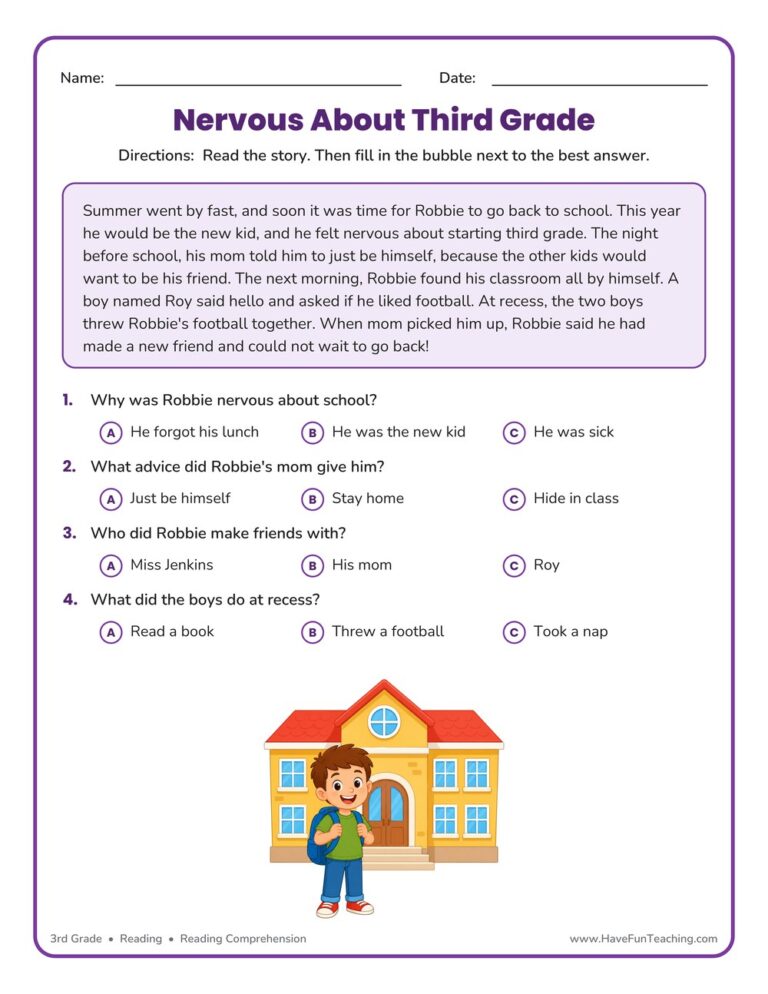
The Nervous About Third Grade Reading Comprehension Worksheet lets 3rd graders read a relatable back-to-school story about Robbie and answer multiple-choice questions. Answer key included — a no-prep way to build reading comprehension confidence.
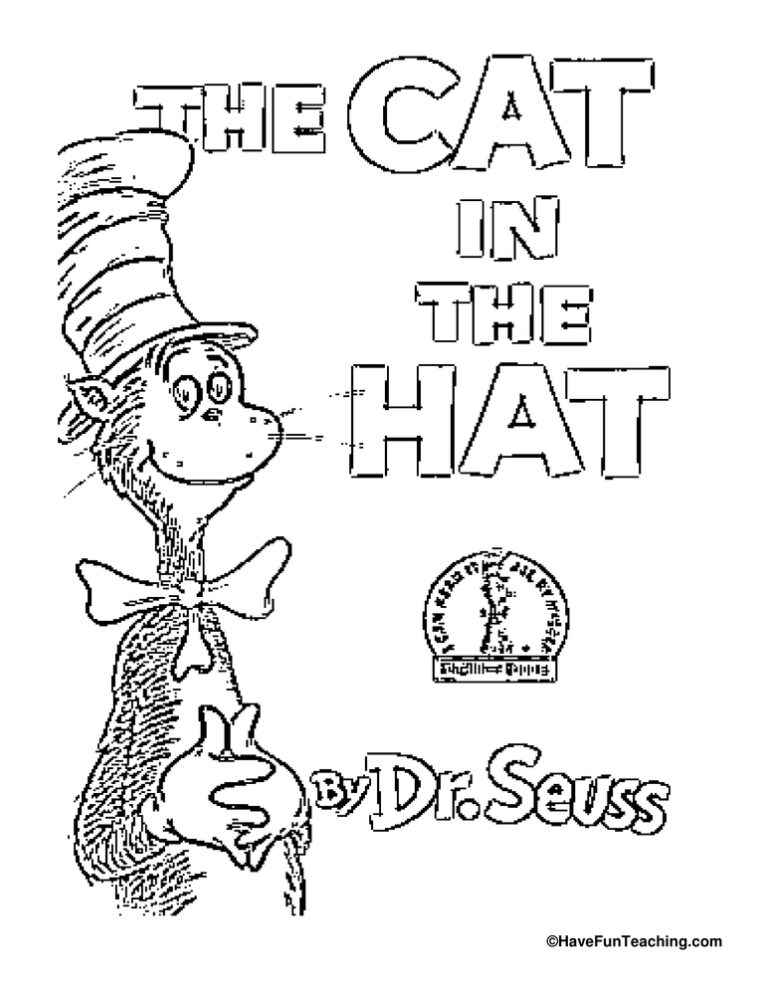
Using this Cat in the Hat Coloring Page, students can color a picture of the Cat in the Hat as they learn about Dr. Seuss.
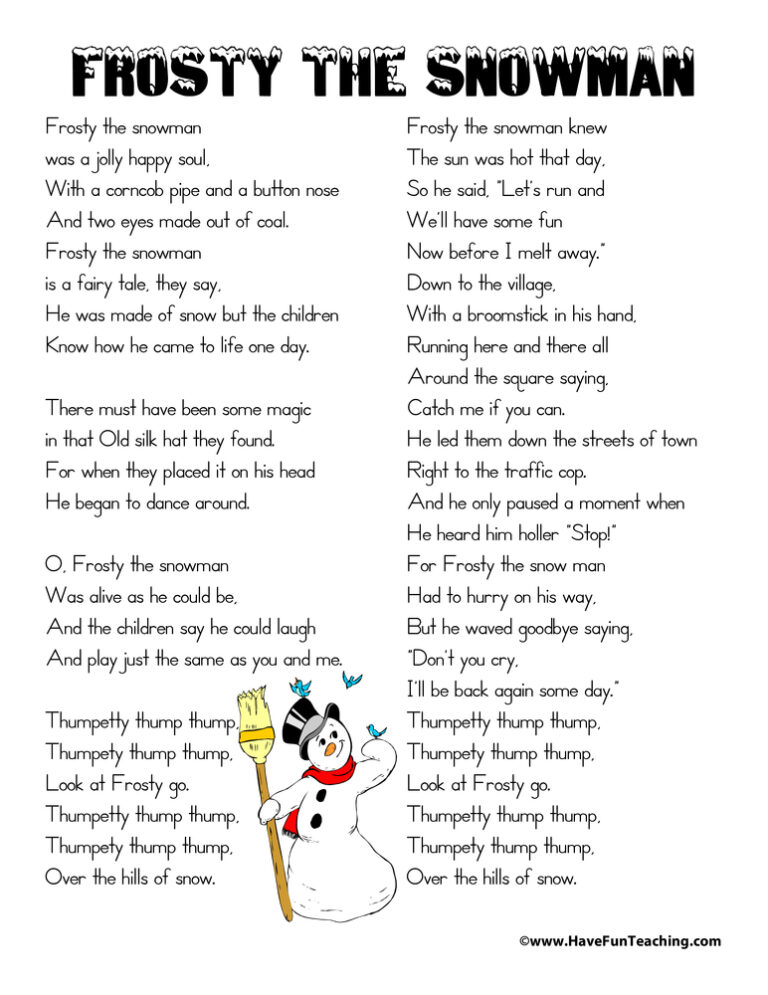
UsingFrosty the Snowman Lyrics, students can follow along with the memorable song in order to know the which words to sing!
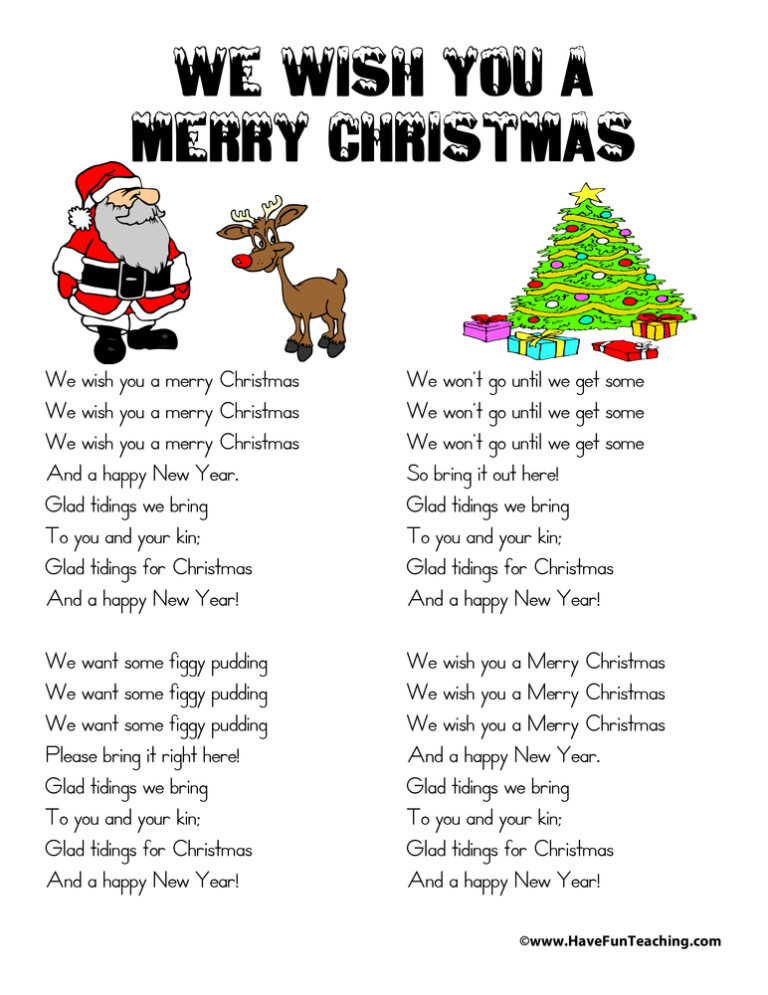
Using We Wish You A Merry Christmas Lyrics, students can follow along with the memorable song in order to know the which words to sing!

This Memorial Day Nouns Verbs Adjectives Worksheet has 3rd graders sort twelve holiday words, label bold words in sentences, and write two of their own. Answer key included for quick, no-prep grammar practice.

Using the Going Green Song (Animated Music Video), students learn all about ways to reduce, reuse, and recycle and so much more through a catchy video!
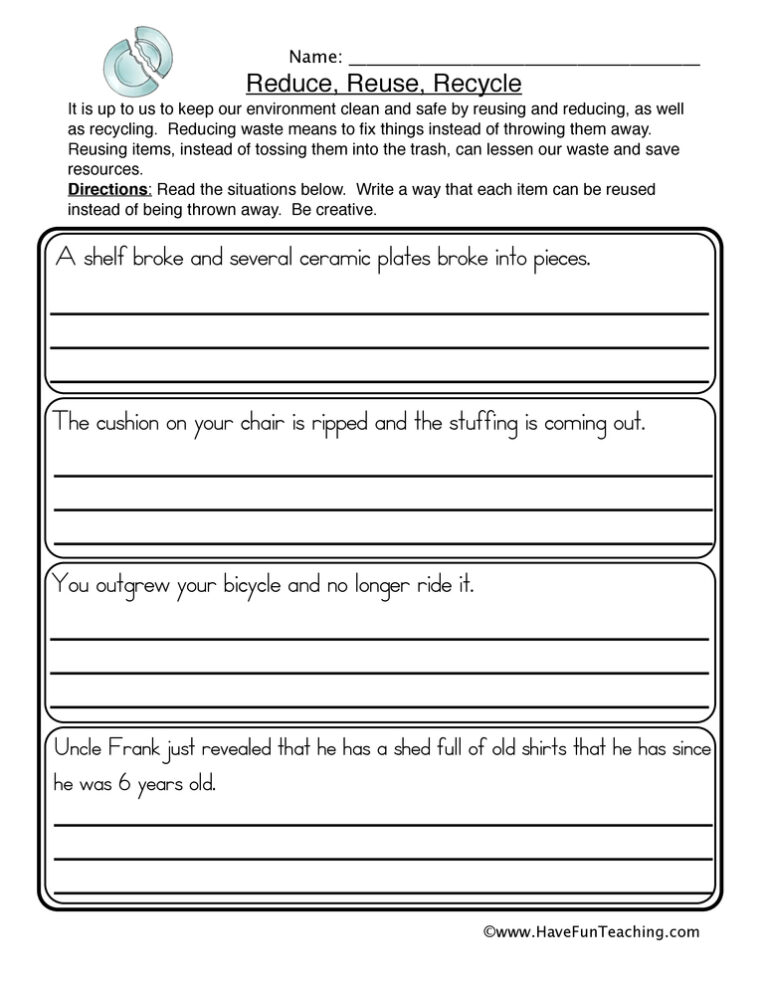
Read six real-life situations and decide whether each one shows reducing, reusing, or recycling on this reduce, reuse, recycle scenarios worksheet for 3rd grade. Answer key included, so Earth Day science practice takes no prep.

Using Jingle Bells Lyrics, students can follow along with the memorable song in order to know the which words to sing!
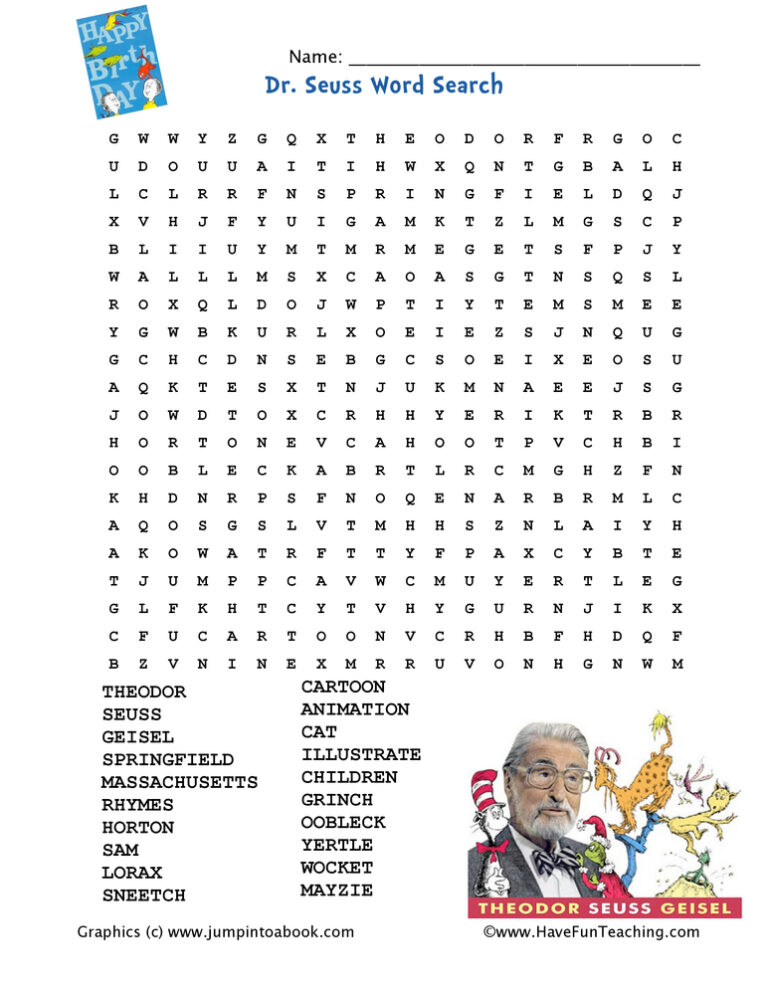
This Dr. Seuss Word Search is a fun way for students to learn about Dr. Seuss vocabulary and celebrate Read Across America Day!
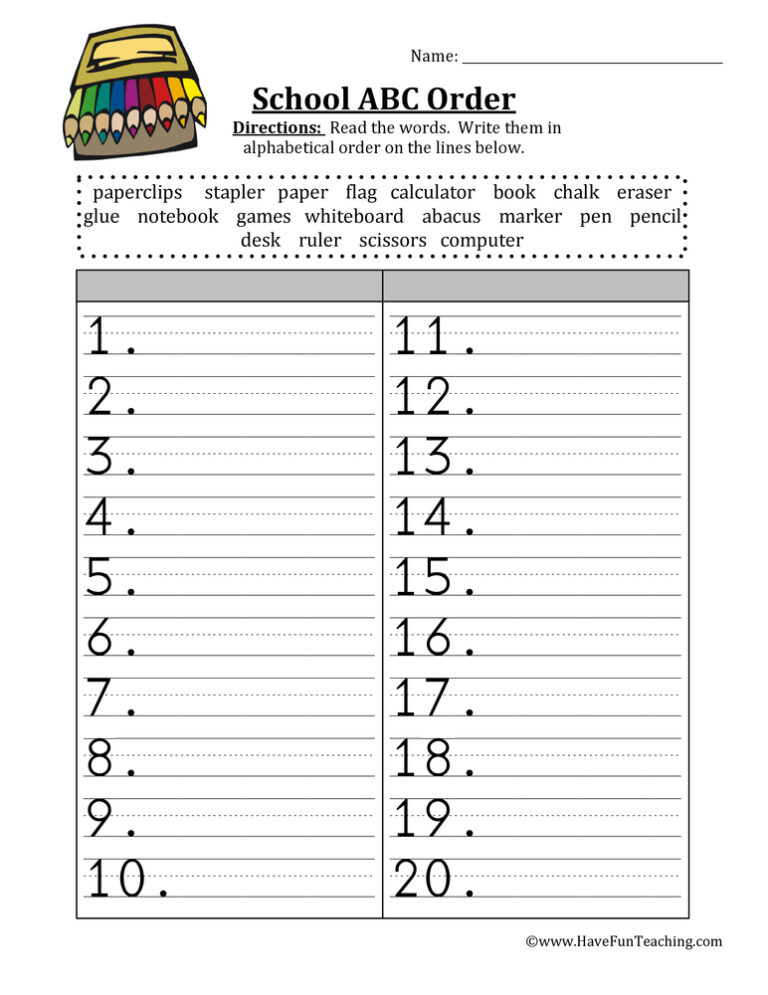
This school alphabetical order worksheet gives 3rd grade students ten classroom words to put in ABC order, plus four pairs to compare and explain. An answer key is included, so it is ready to print and teach.

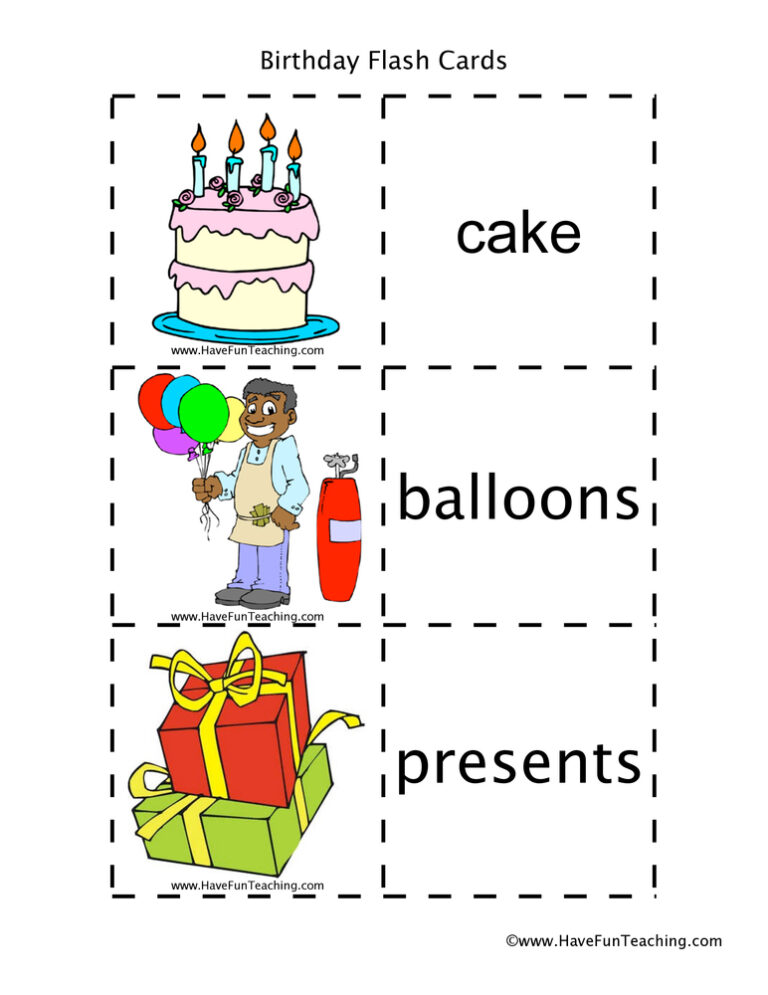
These birthday flash cards help preschool to 4th grade students learn 24 party words like cake, candles and presents. Fold-over picture cards, a practice page and an answer key are included.




Reviews
There are no reviews yet