

Identify Real Life Shapes Worksheet
This identify real life shapes worksheet has 1st grade students sort nine everyday objects into circle, square and triangle columns, then finish three sentences. An answer key is included.
$6.97
Or free with a membership — members pay $3.33/mo for all 10,000+ resources. See plans
Want this one free?
Tell us where to send it and it’s yours — no card, no catch.
One free resource per teacher. We’ll also send free teaching ideas each week — unsubscribe anytime.
Teaching is easier with a membership
Unlimited printables, games & videos for PreK–6th — for your classroom or homeschool. Cancel anytime.
Start your 3-day free trial$0 today · cancel anytime · Instant access to 10,000+ resources
About this resource
Description
Children learn shape names long before they start seeing shapes in the world around them, and closing that gap is what this identify real life shapes worksheet is for. A first grader can point to a triangle on a flashcard and still not notice that the tent in the back yard is one. Naming the flat shape a real object has is the step that turns four vocabulary words into something a child uses all day.
This identify real life shapes worksheet gives nine everyday things in a word box and asks the student to file each one under the shape it has: Circle, Square or Triangle. Every object belongs in exactly one column, so the task rewards picturing the thing rather than guessing. A picture sits under each column heading to show the match: a ball for Circle, a cracker for Square, a tent for Triangle. Part B then turns the skill around, with three sentences about objects the box never mentions, each finished by writing the shape name. An answer key is included on the final page.
What’s Included
- A nine-word box of everyday objects in alphabetical order
- Three labelled shape columns, three writing lines each
- One illustrated example object beneath every column
- Three fill-in-the-blank sentences about new objects
- A full answer key page and a print-ready PDF
Three Reasons This Helps Kids
- It moves geometry off the flashcard. Sorting real objects is the standard’s own language: identify shapes in the environment, not just on a page.
- It makes the child picture the object. No object is drawn in the word box, so the student has to bring the thing to mind before deciding on its shape.
- It ends in writing. Part B asks for the shape word in a sentence, which is where naming has to hold up once the sorting columns are gone.
Teacher and Parent Ideas
- Read the word box aloud first and let students act out or draw one object each.
- Walk the room before writing and have the class call out a circle, a square and a triangle they can see.
- Challenge fast finishers to add one object of their own to each column.
- Follow this 1st grade geometry worksheet with a page on solid figures so students compare flat shapes to three-dimensional ones.
Related Resources
What teachers say
Reviews
You must be logged in to post a review.

Using the Shapes Song, students learn all about shapes, including Shape Names and Shape Recognition. The Shapes Song by Have Fun Teaching is a song that teaches the shapes. Shapes have names their made of angles and lines, there are flat shapes and solid shapes we see them all the…

Using the Circle Song, students will learn all about circles. A circle is a shape that goes around and around. It's like a pizza, and a cookie, a ring, and a coin. A circle is a shape that goes around and around. In this song, your kids will also draw…
Using the Shape Song (MP3), students learn all about shapes, including Shape Names and Shape Recognition through a catchy song!

Using the Square Song (MP3), students learn all about squares, including Shape Names and Shape Recognition through a catchy song!

Using the Shape Songs (MP3 Album), students learn all about shapes, including Shape Names and Shape Recognition through a catchy song!

This Making Composite Shapes Worksheet helps 1st Grade students build and break apart shapes using squares, triangles, trapezoids and half-circles. An answer key is included, so shape practice takes no prep.
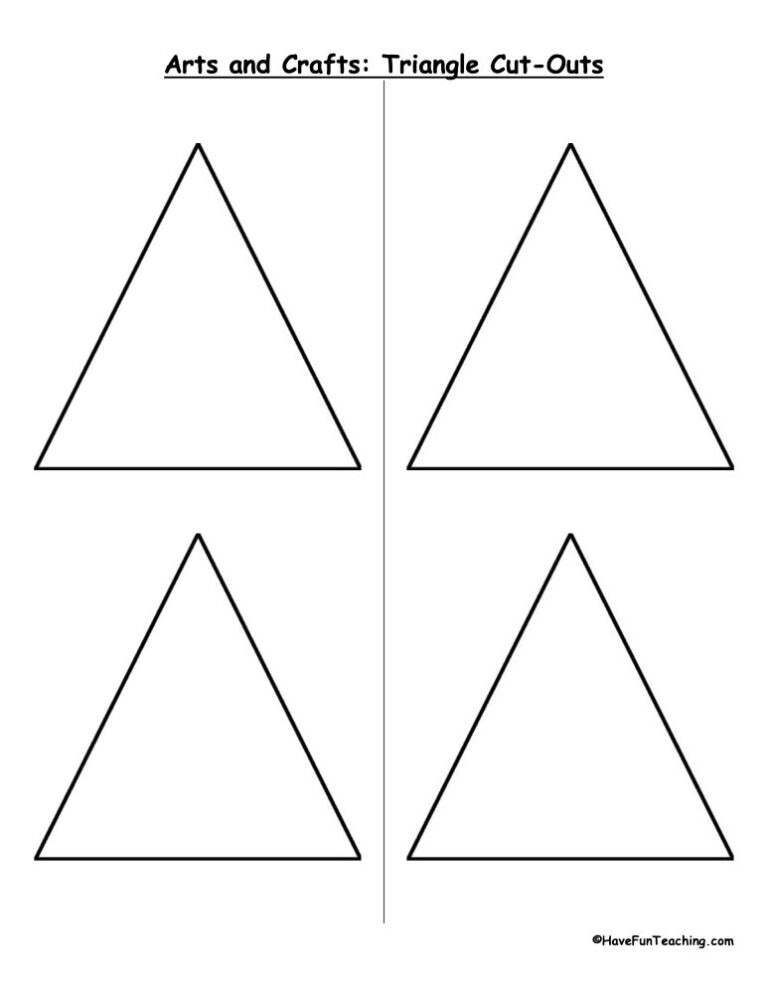
These Triangle Cut Outs will quickly give you templates for classroom decoration or student activities.
Using the Circle Song (MP3), students learn all about circles, including Shape Names and Shape Recognition through a catchy song!

This Looking at Composite Shapes Worksheet gives 1st graders four pictures built from squares and triangles and asks how many of each shape they see. Answer key included for quick, no-prep geometry practice.
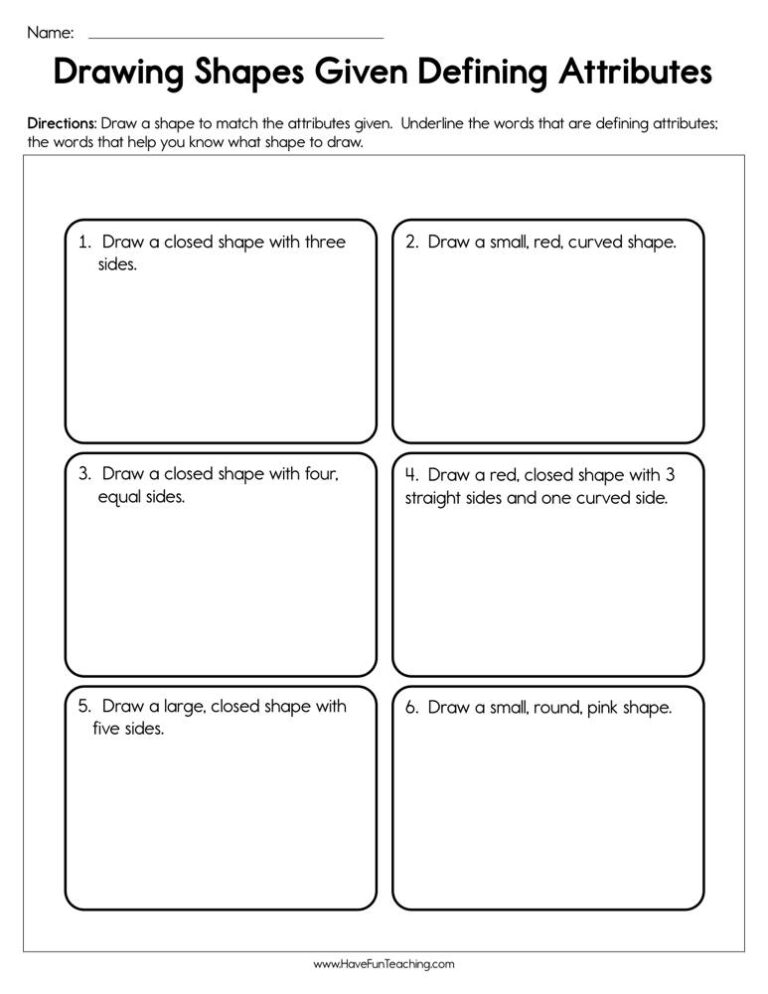
This Drawing Shapes Given Defining Attributes Worksheet gives 1st grade students four attribute clues to read and four shapes to draw, with an answer key included, so shape rules finally stick.

Using the Triangle Song (MP3), students learn all about triangles, including Shape Names and Shape Recognition through a catchy song!
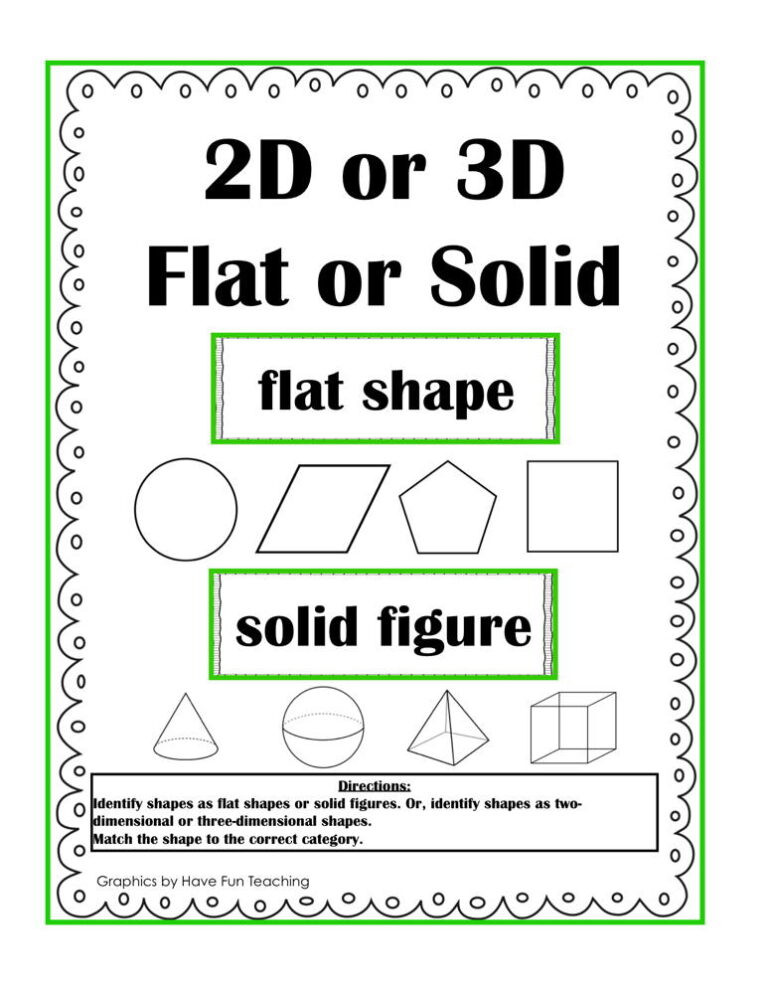
Using this 2D 3D Flat Shapes Solid Figures Activity, students sort pictures of 2D and 3D shapes into flat shapes and solid figure categories.
Reviews
There are no reviews yet