
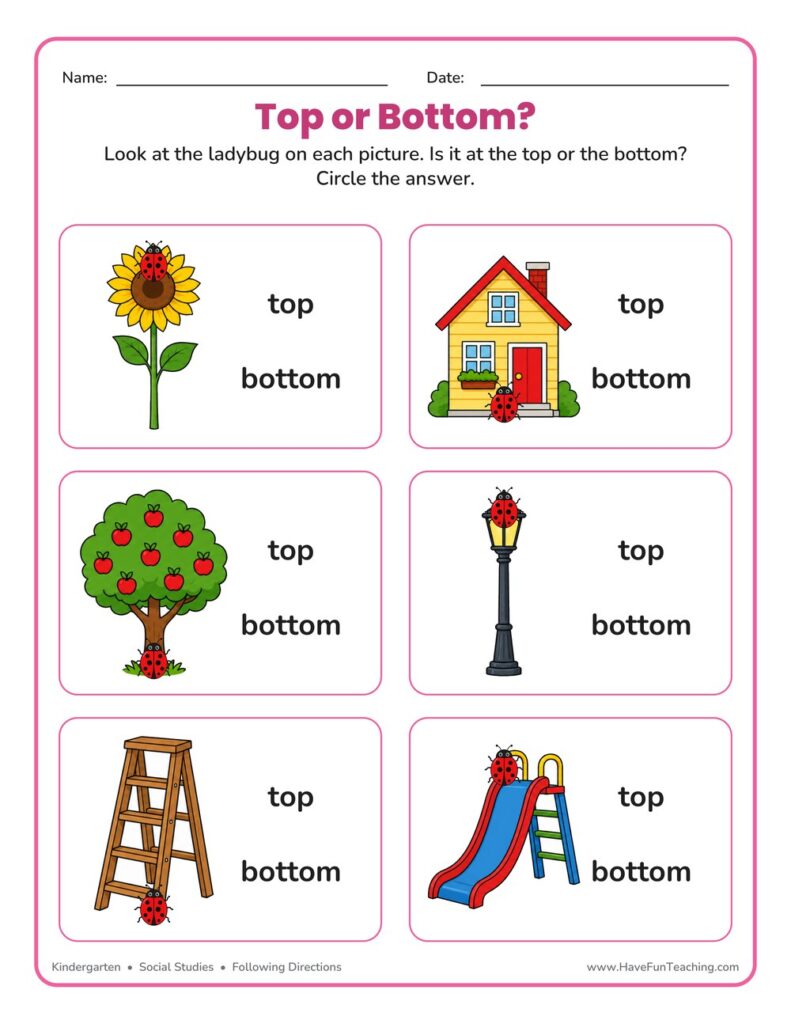
Identifying Top or Bottom Worksheet
This Identifying Top or Bottom Worksheet helps kindergarten students practice position words by finding a ladybug and circling whether it sits at the top or the bottom. Includes an answer key for fast, no-prep practice.
$6.97
Or free with a membership — members pay $3.33/mo for all 10,000+ resources. See plans
Want this one free?
Tell us where to send it and it’s yours — no card, no catch.
One free resource per teacher. We’ll also send free teaching ideas each week — unsubscribe anytime.
Teaching is easier with a membership
Unlimited printables, games & videos for PreK–6th — for your classroom or homeschool. Cancel anytime.
Start your 3-day free trial$0 today · cancel anytime · Instant access to 10,000+ resources
About this resource
Description
Learning to tell whether something is at the top or the bottom is one of the first position skills young children build, and the Identifying Top or Bottom Worksheet gives them a fun, hands-on way to practice it. Understanding position words like top and bottom helps children follow directions, describe where things are, and grow the spatial vocabulary they use every day.
This kindergarten following directions worksheet shows six friendly pictures, each with a little ladybug resting somewhere on the object. Children look closely at each picture, decide whether the ladybug is at the top or the bottom, and circle the correct word. To use it, print the page and read the directions aloud together, then let children work through each picture at their own pace. A complete answer key is included so checking work is quick and easy.
What’s Included
- 1 print-ready PDF worksheet
- Answer key
- 6 look-and-circle top or bottom picture activities
The Identifying Top or Bottom Worksheet helps children learn in three important ways. First, it strengthens their understanding of position words by pairing each word with a clear, colorful picture. Second, it builds careful observation, because children must look closely to find the ladybug before answering. Third, it reinforces following directions, since each item asks them to look, decide, and circle in order. Together these steps turn an abstract idea into something children can see and do.
Teachers and parents can extend this skill in playful ways. Try a scavenger hunt around the room, asking children to point to something at the top of a shelf and something at the bottom. Stack blocks and talk about which one is on top and which is on the bottom. During story time, pause to notice where characters or objects sit on the page. These simple moments help children use top and bottom words naturally throughout the day.
Related Resources
What teachers say
Reviews
You must be logged in to post a review.
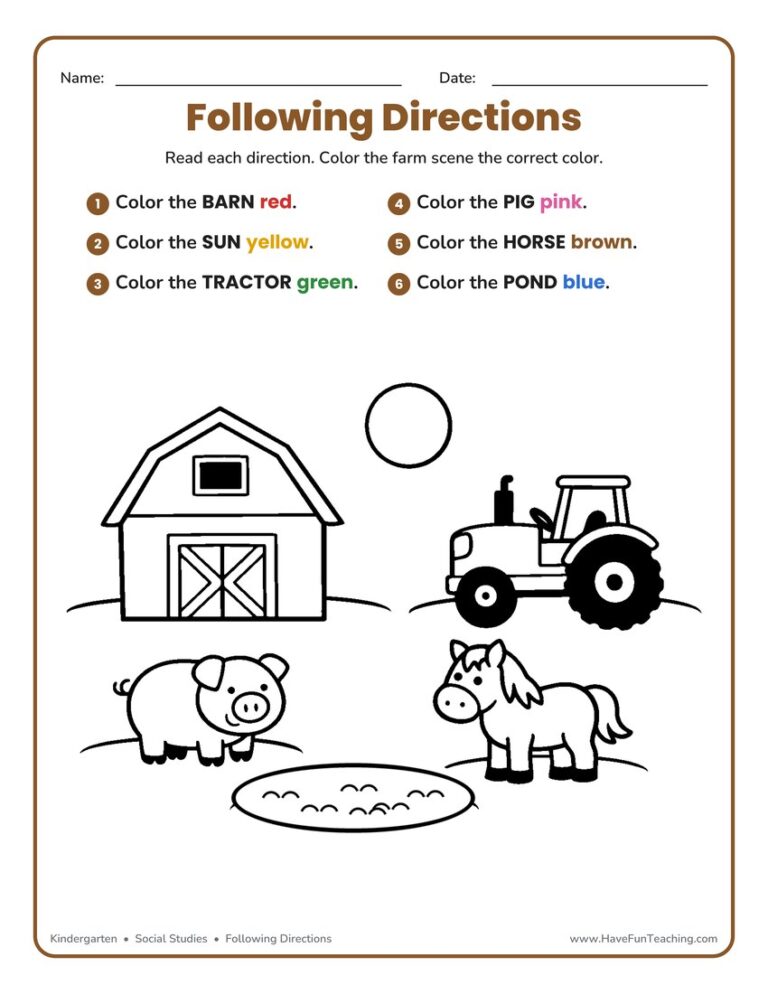
This Following Directions Coloring Worksheet has Kindergarten students color a farm scene by reading six simple color directions. Includes an answer key — a no-prep way to build listening and direction-following skills.

The Wheels on the Bus Song will help students learn in a fun way. This is the classic nursery rhyme that kids love to sing and do the motions.

This Following Directions Tasks Worksheet gives Kindergarten students four short one-step directions to read and carry out, using animals, shapes, letters, and numbers. An answer key is included, so checking is quick.

Students name where each object is on this Between Below Above Next To Fill in Blank Worksheet, writing above, below, between, or next to on the line. Kindergarten, answer key included, and picture support on every item.
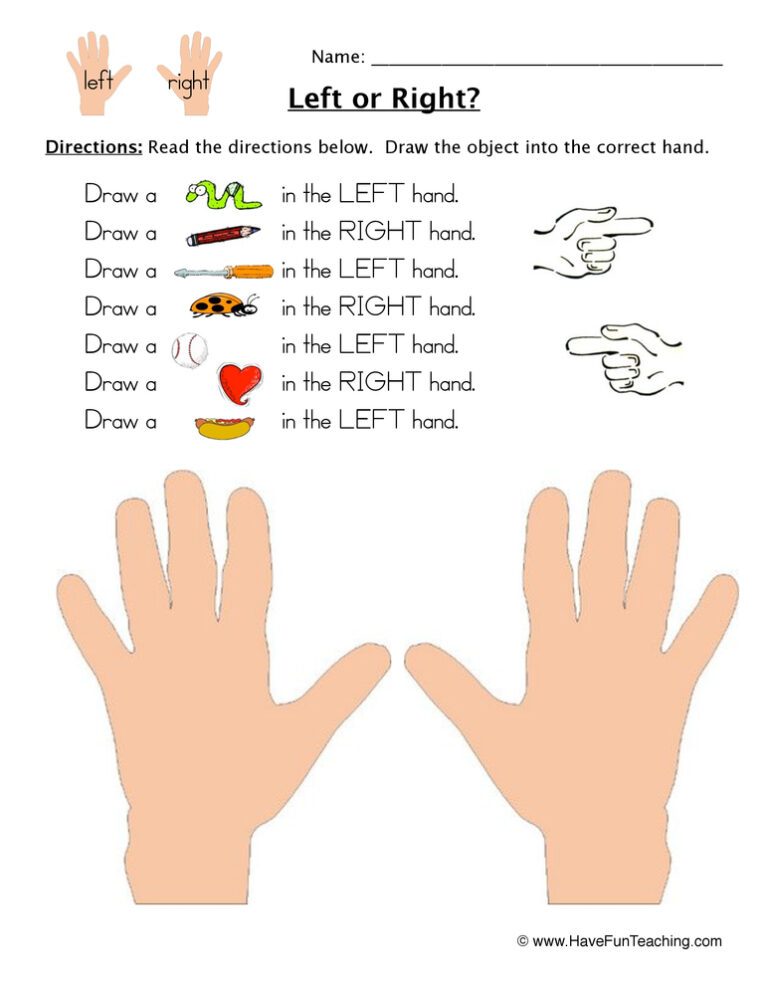
This Left or Right Drawing Worksheet gives Kindergarten students four picture directions to follow and two boxes to draw in. An answer key is included, so left and right practice takes no prep at all.

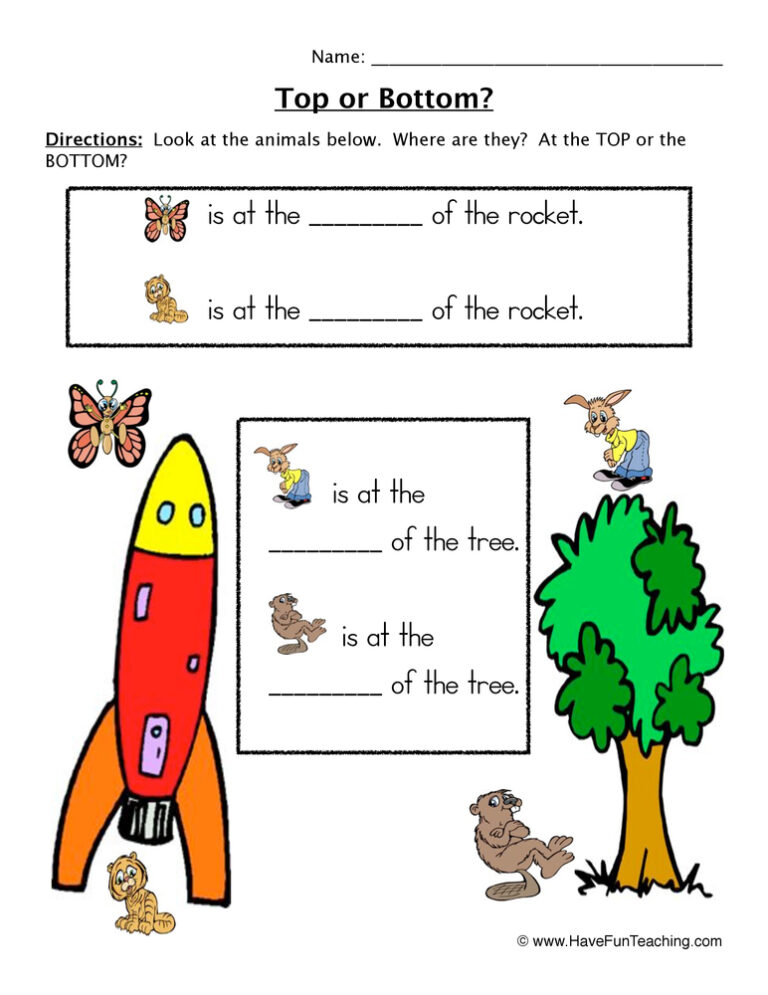
The Top or Bottom Pictures Worksheet gives kindergarten students six picture cards with a box split into a top half and a bottom half. They circle the word that tells where each object is. Answer key included.
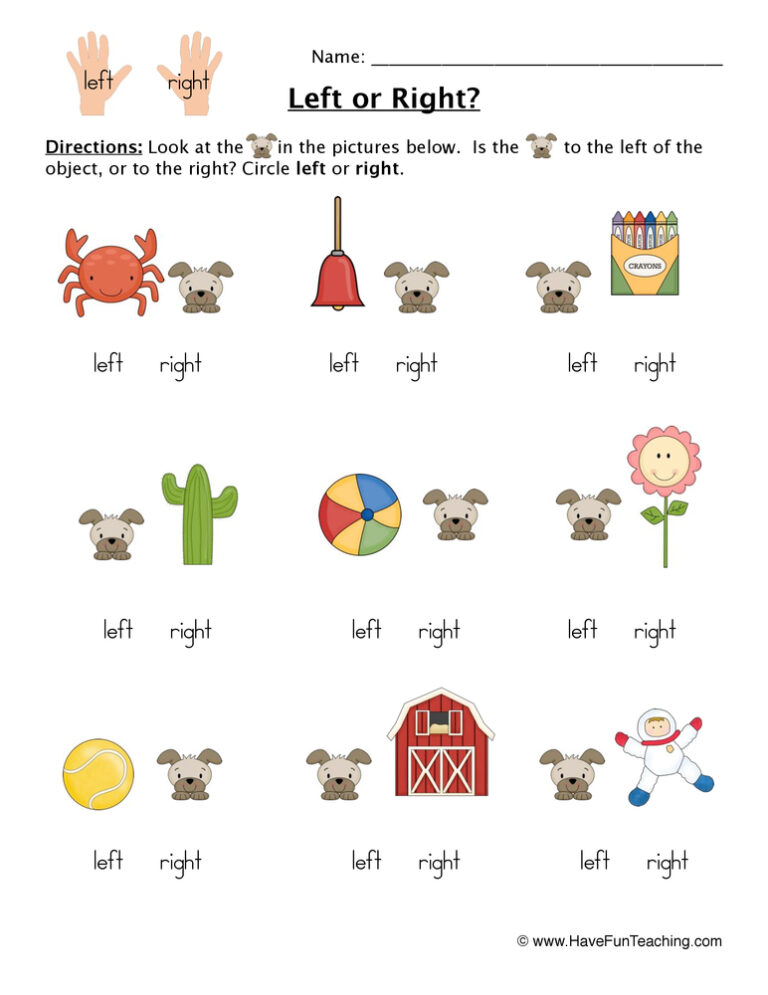
This circle left or right worksheet gives Kindergarten students eight picture cards for practicing left and right, with an answer key included so checking work is quick.

Using Position Words Activity, students place apples based on position cards to build their ability to give clear directions.
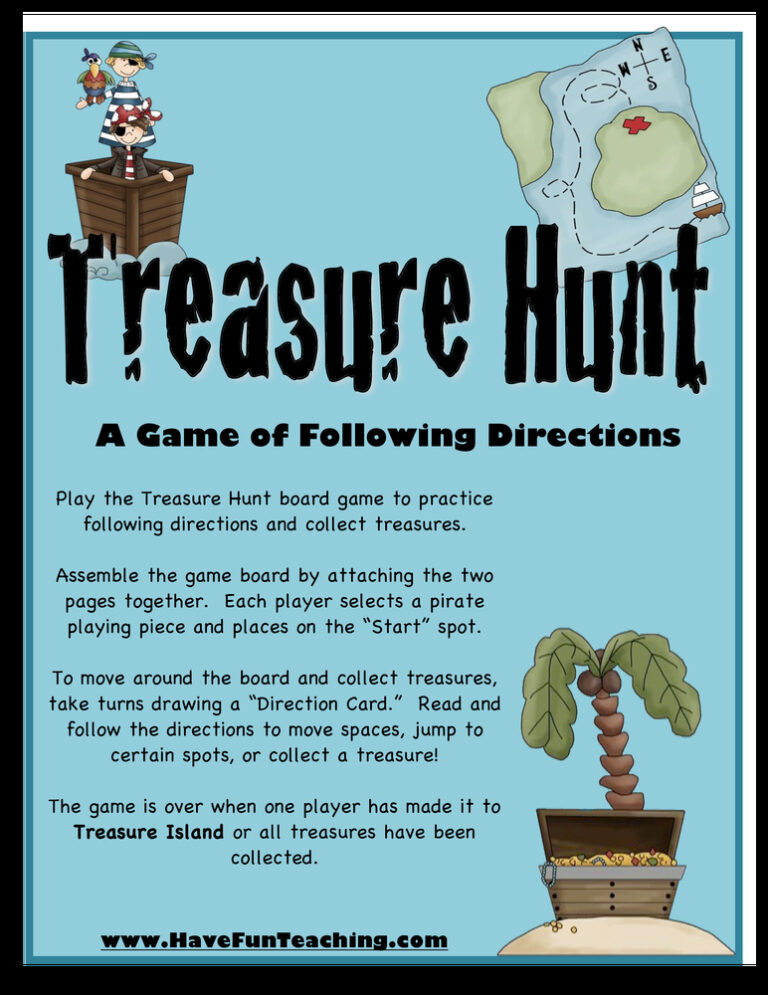
board games, following directions, directions activities, following board games, following directions activities

This location words worksheet has kindergarten students circle on, above, beside, or behind to show where a ball is. An answer key is included, making it a quick way to build position vocabulary.

This take your positions worksheet helps kindergarten students practice left and right by circling where each picture sits in its box. An answer key is included for fast, easy checking.




Reviews
There are no reviews yet