
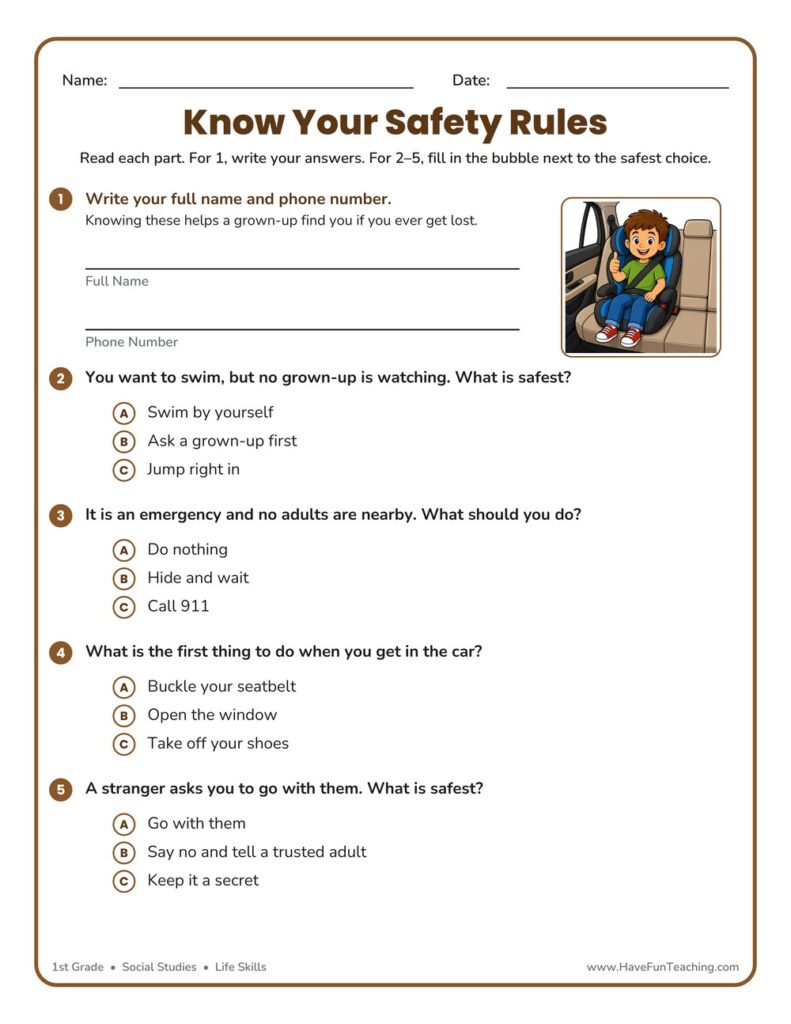
Know Your Safety Rules Worksheet
The Know Your Safety Rules Worksheet helps 1st graders make smart choices for swimming, emergencies, car rides, and strangers. Answer key included—a no-prep way to build real-life safety confidence.
$6.97
Or free with a membership — members pay $3.33/mo for all 10,000+ resources. See plans
Want this one free?
Tell us where to send it and it’s yours — no card, no catch.
One free resource per teacher. We’ll also send free teaching ideas each week — unsubscribe anytime.
Teaching is easier with a membership
Unlimited printables, games & videos for PreK–6th — for your classroom or homeschool. Cancel anytime.
Start your 3-day free trial$0 today · cancel anytime · Instant access to 10,000+ resources
About this resource
Description
Teaching children the simple rules that keep them safe is one of the most important parts of early social studies, and the Know Your Safety Rules Worksheet gives first graders a friendly, hands-on way to practice. Young learners think about real, everyday moments—swimming, emergencies, riding in the car, and meeting strangers—and decide on the safest choice. Building this awareness early helps kids feel calm, confident, and prepared wherever they go.
This printable following directions worksheet begins by asking students to write their full name and phone number, key information every child should know by heart. Next, students read four short safety situations and fill in the bubble next to the best and safest choice. Read the directions aloud for beginning readers, then let children work on their own or with a partner. The included answer key makes it quick to review and talk through each safety rule together.
What’s Included
- 1 print-ready PDF worksheet
- Answer key
- 5 safety activities (write-in name and phone number, plus 4 fill-in-the-bubble situations)
The Know Your Safety Rules Worksheet helps children learn in three important ways. First, it connects safety to familiar, real-life moments, so the lessons feel meaningful and easy to remember. Second, the fill-in-the-bubble format builds early following-directions and test-taking skills while keeping the activity low-pressure and fun. Third, writing their own name and phone number gives children a practical safety tool they can use right away.
Extend the learning beyond the page in simple, playful ways. Role-play each situation at home or in the classroom so children can rehearse what to say and do. Take a “safety walk” to spot helpers like crossing guards, signs, and fire alarms. Make a family safety poster together, or invite a local firefighter or police officer to visit and share tips. Revisiting these safety rules often helps them become second nature.
Related Resources
What teachers say
Reviews
You must be logged in to post a review.

The Wheels on the Bus Song will help students learn in a fun way. This is the classic nursery rhyme that kids love to sing and do the motions.
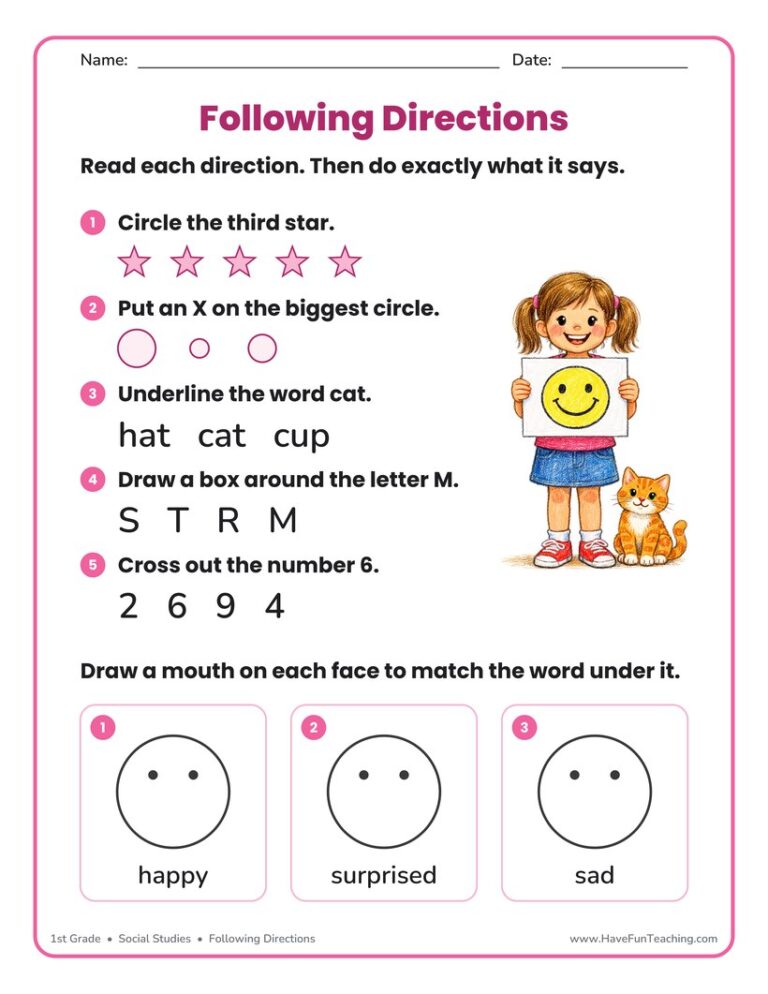
This Smilies Follow Directions Worksheet gives 1st graders five read-and-do directions plus three faces to finish. An answer key is included, so students build careful reading habits with no prep for you.
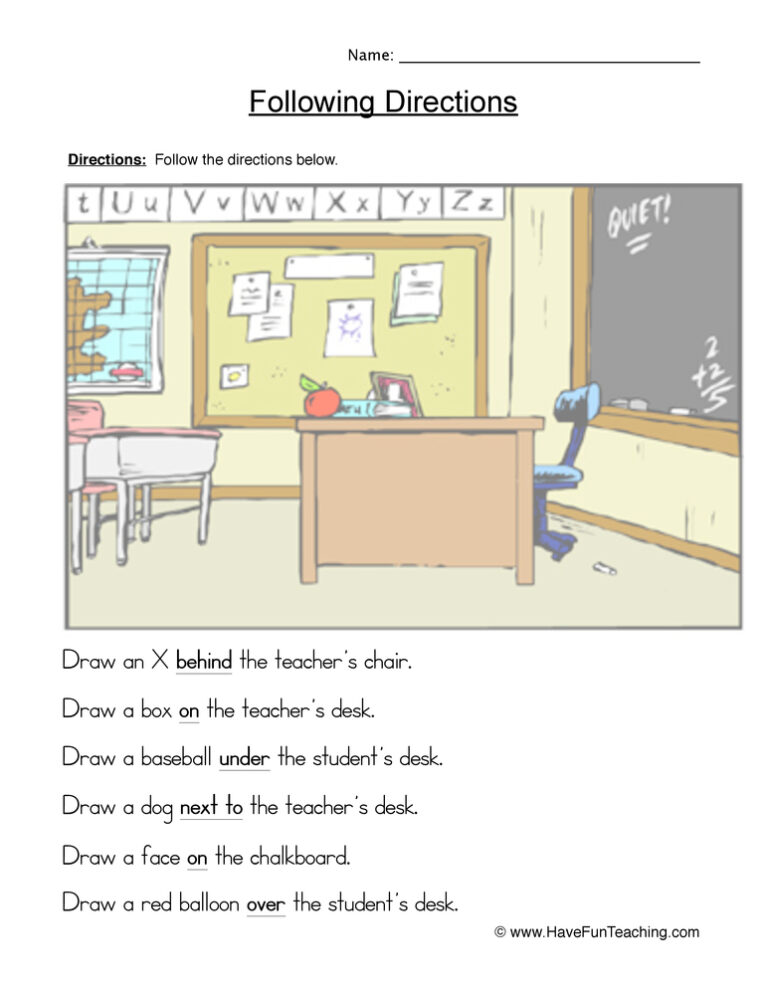
This drawing follow directions worksheet asks 1st Grade children to read six directions and draw each shape in the right box, with an answer key included, so position words become something they can do.


Using Position Words Activity, students place apples based on position cards to build their ability to give clear directions.
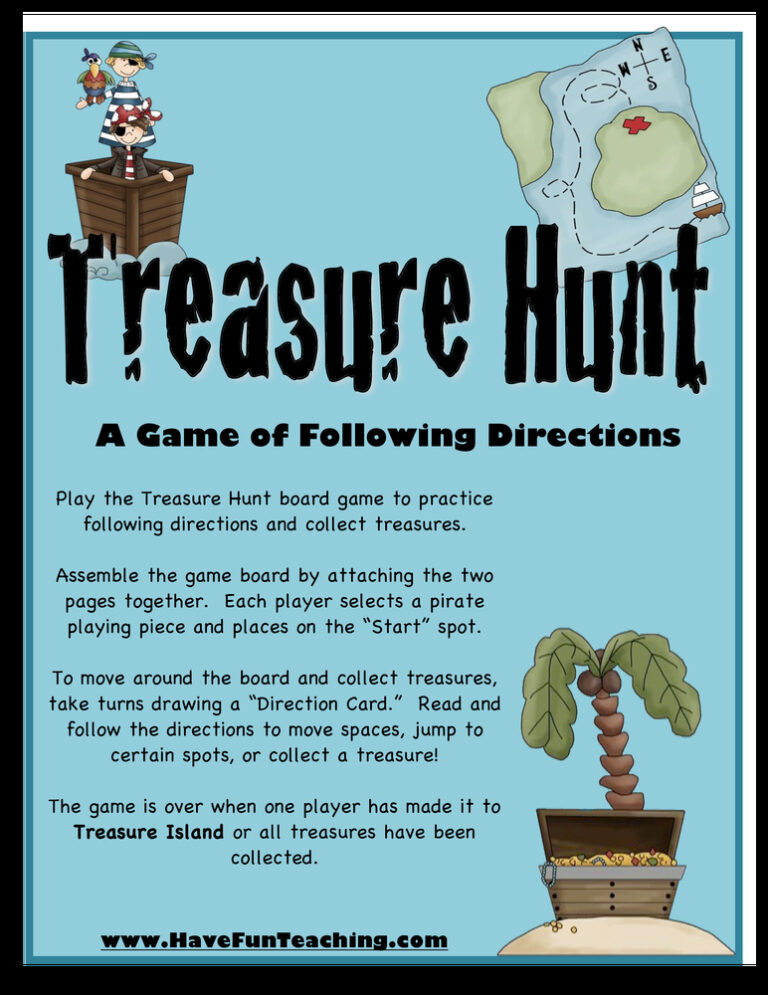
board games, following directions, directions activities, following board games, following directions activities
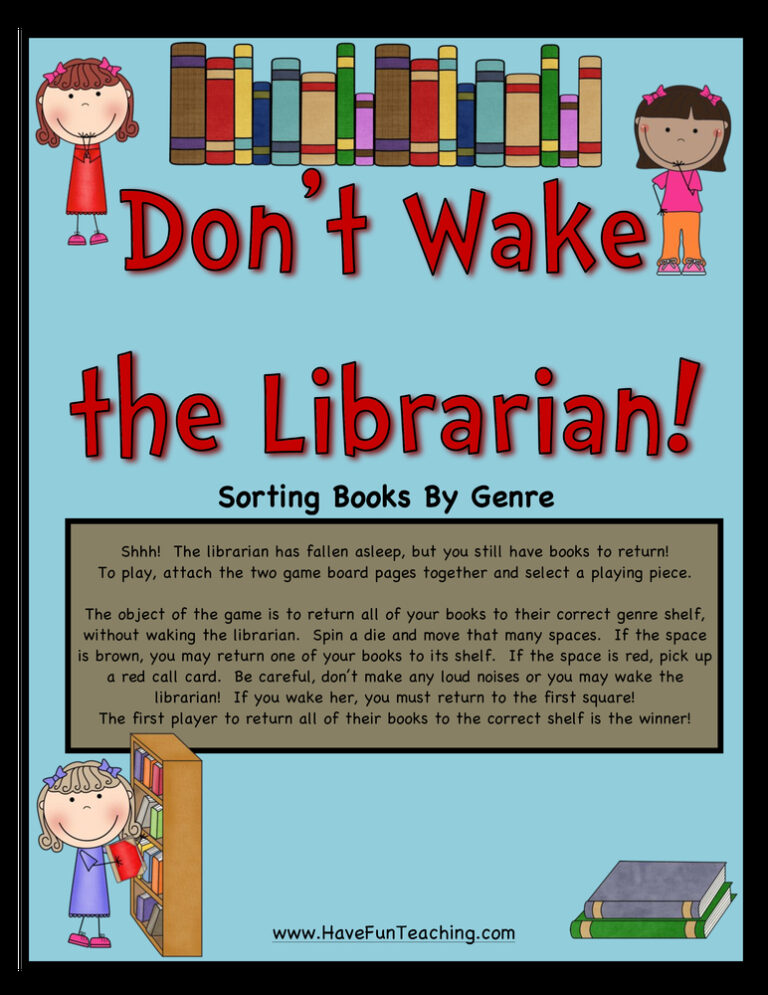
UsingDon't Wake the Librarian Sorting Books by Genre Activity, students will "return" books to the library based on genre type without waking the librarian!
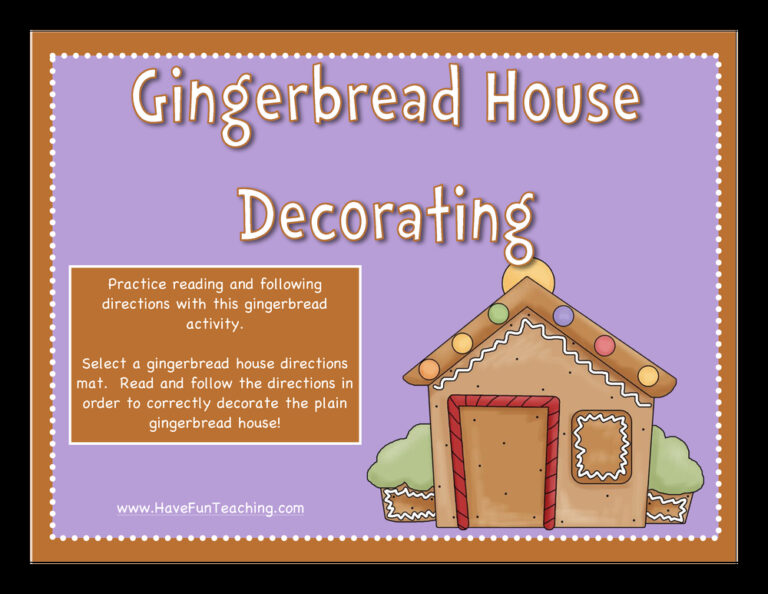
UsingGingerbread House Decorating Following Directions Activity, students practice reading and following directions with this gingerbread activity.

UsingLeft and Right Simon Says Opposites Activity, studentsplay this fun game to practice identifying left and right.

Using this On the Road to Gold Prepositions Activity, students demonstrate their understanding of the function of prepositions in general and their function in particular sentences.

Using Drawing to Add Details Activity, students add drawings or other visual displays to descriptions to provide additional detail.
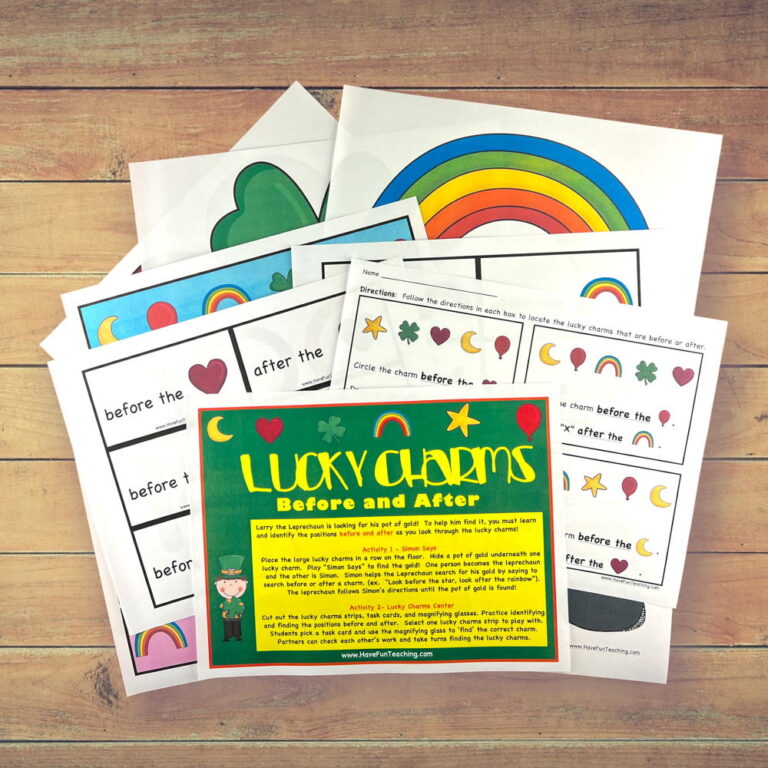
Using Lucky Charms Before and After Activity, studentsplay this fun game to practice identifying before and after.




Reviews
There are no reviews yet