

Partitioning a Whole Worksheet
Students partition six shapes into equal parts and shade the fraction shown, then solve a pizza word problem on this partitioning a whole worksheet for 3rd grade. Answer key included for fast, no-prep fraction practice.
$6.97
Or free with a membership — get this and 10,000+ resources. See plans
Teaching is easier with a membership
Unlimited printables, games & videos for PreK–6th — for your classroom or homeschool. Cancel anytime.
Start your 3-day free trialNo commitment · Cancel anytime · Instant access to 10,000+ resources
About this resource
Description
Partitioning a whole means splitting one shape into equal parts, and it is the doorway to every fraction a student will ever meet. Before a child can compare, add, or reduce fractions, they have to see that one whole can become 2 halves, 3 thirds, 4 fourths, 6 sixths, or 8 eighths — and that those parts must be exactly the same size. This partitioning a whole worksheet gives third graders the hands-on practice that makes the idea stick, moving them from simply counting parts to naming the fraction that describes them.
On this 3rd grade fractions worksheet, students work through six shapes — two rectangles, a square, two circles, and a hexagon — and partition each one into the number of equal parts its denominator calls for. Then they shade the fraction printed beneath the shape, so they build the model themselves instead of only reading one. A two-part word problem finishes the page: students write the fraction of a pizza that was eaten, then explain in their own words why three eighths is less than half. Print it, hand it out, and use the included answer key to check the work in seconds.
What’s Included
- 1 print-ready PDF worksheet
- Answer key
- 6 partition-and-shade shape activities using halves, thirds, fourths, sixths, and eighths
- 1 two-part fraction word problem with a written explanation
This partitioning a whole worksheet helps kids in three ways. First, it makes the denominator meaningful: a child who has to draw the cuts themselves quickly discovers that eight parts have to be eight equal parts, which is the single idea most fraction mistakes come back to. Second, it links the picture to the symbol, so a shaded model and a written fraction become two ways of saying the same thing. Third, the closing word problem asks for reasoning rather than a bare answer, which is exactly the kind of explaining that state assessments reward.
Teachers and parents can keep the learning going away from the page. Fold paper strips into halves, thirds, and fourths, then lay them side by side and compare the pieces. Cut a real sandwich, pancake, or apple into equal parts at snack time and name the fraction out loud. Cover a pattern-block hexagon with triangles and rhombuses and ask how many of each it takes. Draw a big shape on the sidewalk with chalk and let kids partition it with their own lines, then shade a fraction of it and challenge a friend to name it.
Related Resources
What teachers say
Reviews
You must be logged in to post a review.

This Fractions of a Whole worksheet lets 3rd graders name the fraction for each shaded shape and color shapes to match a fraction. Answer key included for fast, no-prep fraction practice.

A 3rd grade fractions on a number line worksheet where students name points and plot fractions between 0 and 1 on equal-part number lines. Includes a complete answer key for quick, no-prep fraction practice.

This Comparing Fractions Worksheet gives 3rd graders eleven problems to compare fractions using , and = symbols, including visual fraction bars. Answer key included for quick, no-prep fraction practice.

This Matching Fractions on a Number Line Worksheet gives 3rd graders practice naming points on number lines split into halves through eighths by matching each one to the right fraction. Includes an answer key for fast, no-prep fraction practice.
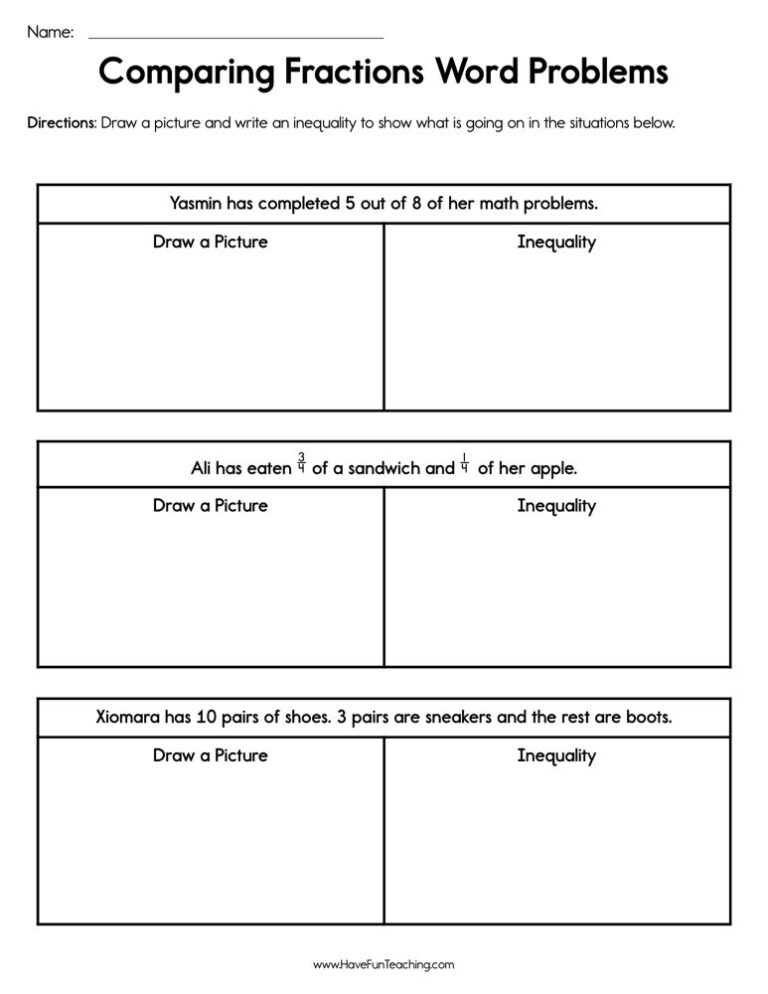
In this Comparing Fractions Word Problems Worksheet, students solve word problems to compare fractions in real life situations.
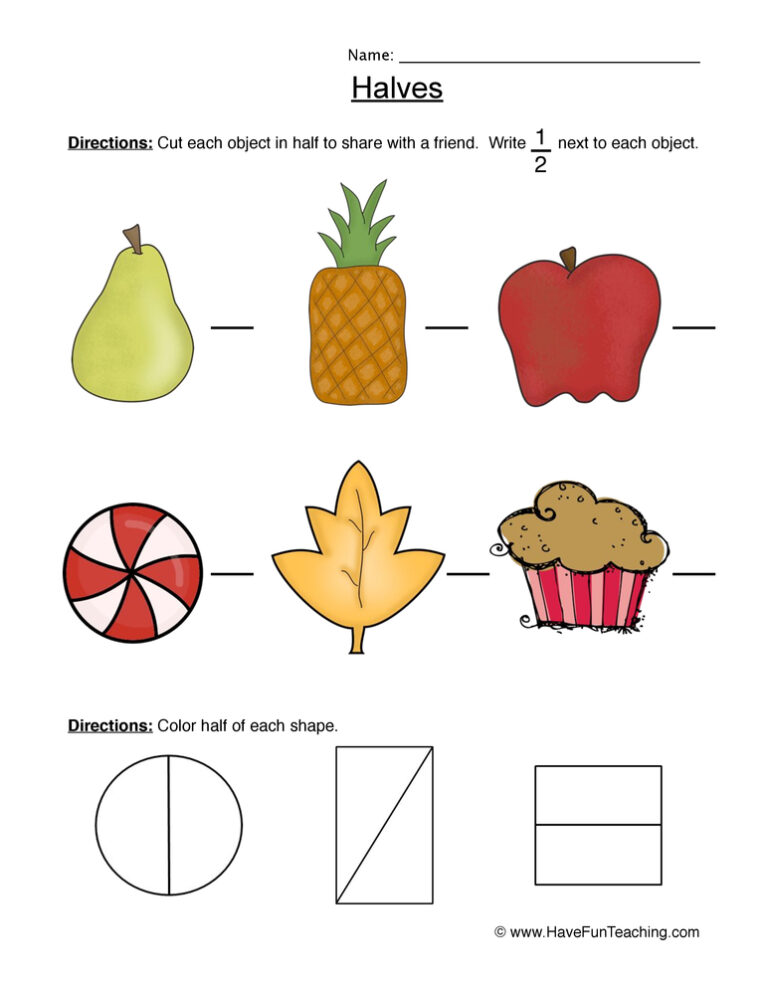
Using Fractions Half Worksheet, students represent halves on real life objects and templates in order to build their understanding of fractions.
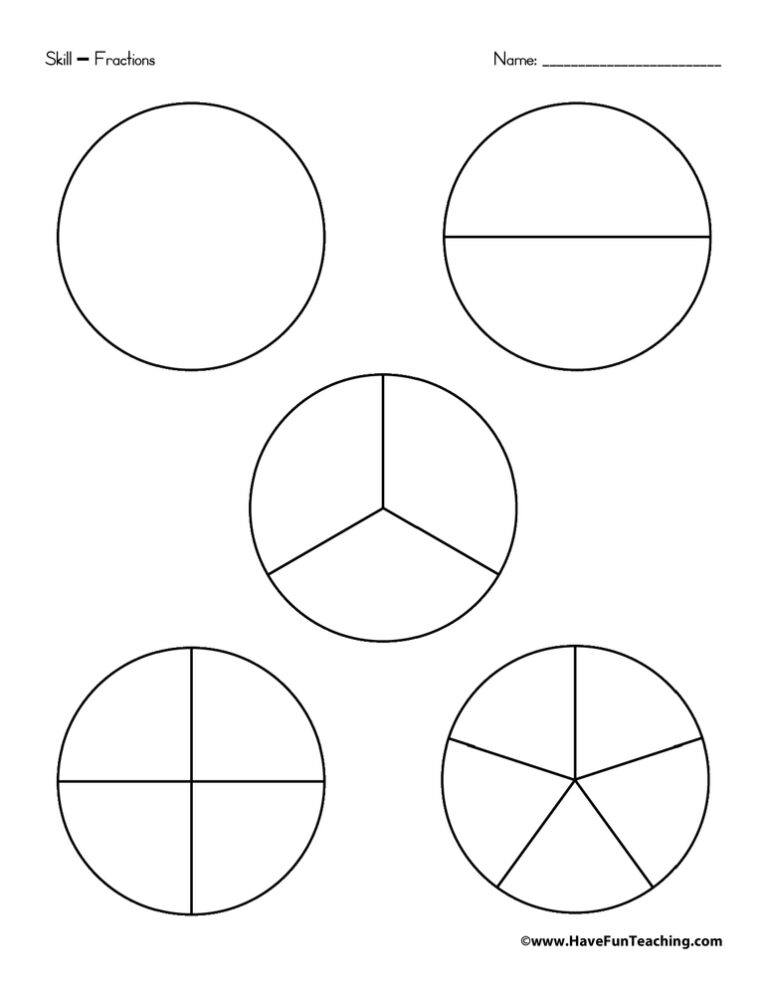
Using Fraction Circles, students use these halves, thirds, fourths, and fifths fraction circles to practice learning fractions.

This Comparing Visual Fractions Worksheet helps 3rd graders shade fraction models and compare them using <, >, and =. Answer key included—perfect for hands-on, no-prep fraction practice at home or school.
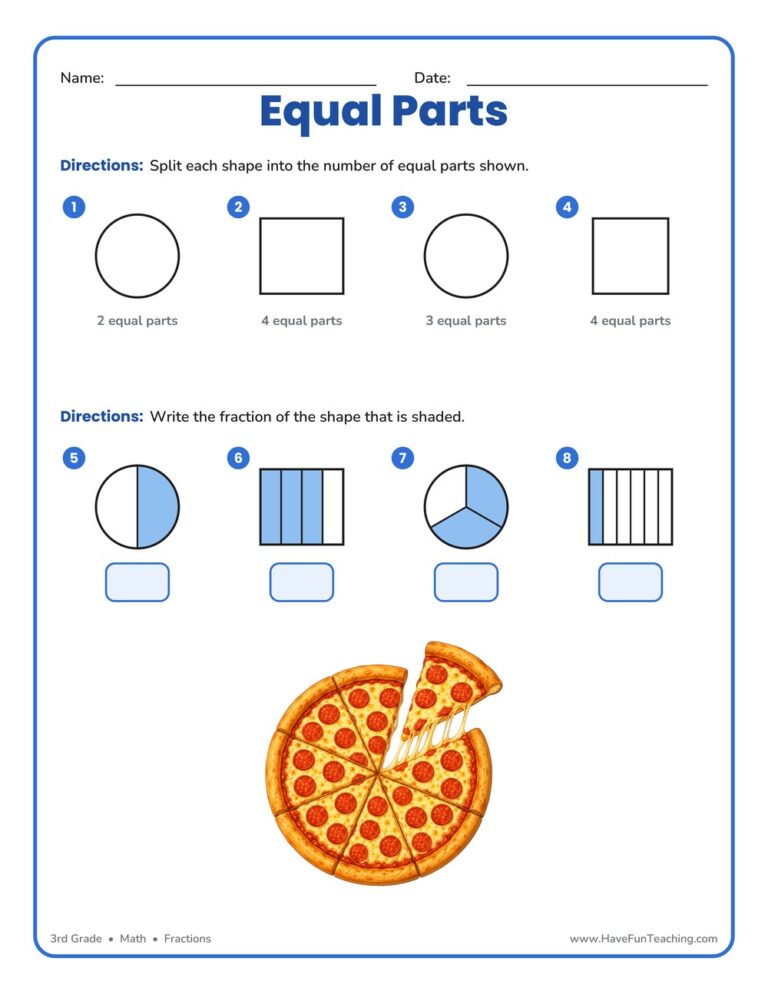
This equal parts fractions worksheet helps 3rd graders split shapes into equal parts and write the fraction for the shaded part. Includes a complete answer key—perfect for hands-on, no-prep fraction practice.

Using Fraction Problem Solving Worksheet, students solve word problems relating to fraction using strategies of their choice.
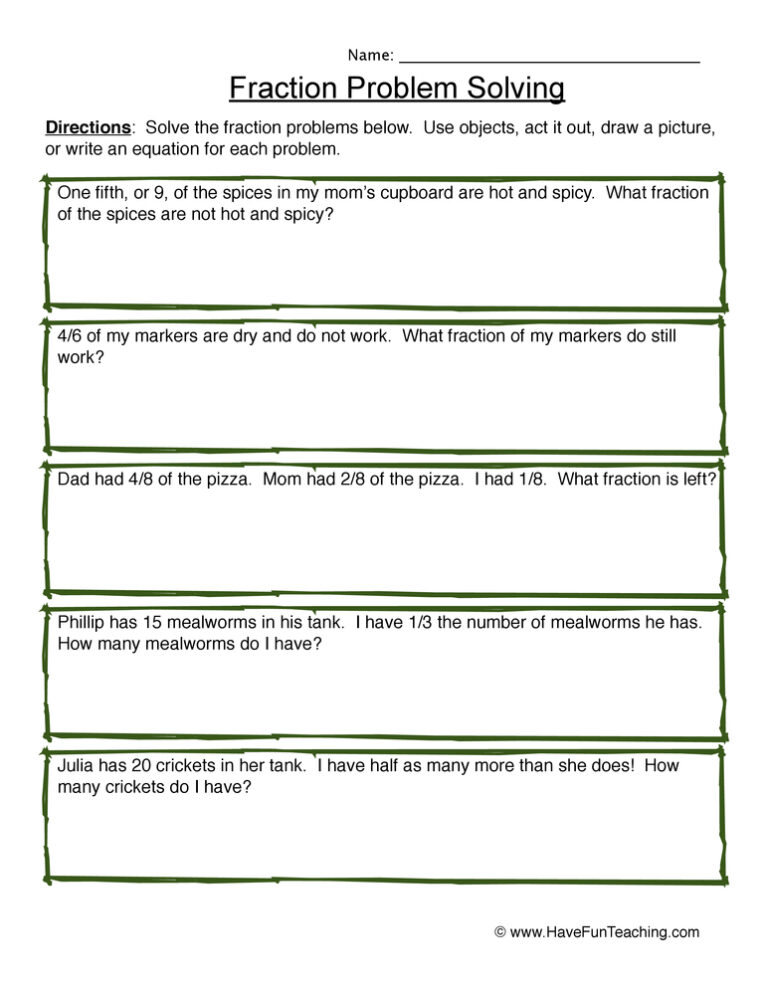
Using Fraction Word Problem Solving Worksheet, students solve five word problems relating to fractions using strategies of their choice.

Using Fraction Word Problems Worksheet, students solve word problems relating to fraction using strategies of their choice.
Reviews
There are no reviews yet