

Odd and Even Worksheet
This odd and even worksheet gives 2nd graders six number cards to label and six equations that split an even number into two equal parts. An answer key is included, so practice is quick and no-prep.
$6.97
Or free with a membership — members pay $3.33/mo for all 10,000+ resources. See plans
Want this one free?
Tell us where to send it and it’s yours — no card, no catch.
One free resource per teacher. We’ll also send free teaching ideas each week — unsubscribe anytime.
Teaching is easier with a membership
Unlimited printables, games & videos for PreK–6th — for your classroom or homeschool. Cancel anytime.
Start your 3-day free trial$0 today · cancel anytime · Instant access to 10,000+ resources
About this resource
Description
Every whole number is either odd or even, and learning to tell them apart is one of the first big number patterns second graders meet. This odd and even worksheet gives students steady practice deciding whether a two-digit number is odd or even by looking at the digit in the ones place. Once children notice that numbers ending in 0, 2, 4, 6, or 8 are always even, and that numbers ending in 1, 3, 5, 7, or 9 are always odd, they can sort any number quickly and explain how they know.
This 2nd grade even and odd worksheet is built in two short parts, so it works as a warm-up, as independent practice, or as a quick check for understanding. In the first part, students read the number printed on each card and fill in the bubble for even or for odd, which is the same answer format used on most classroom tests. In the second part, students take an even number and write it as the sum of two equal numbers, linking the idea of even to fair sharing and to doubles facts they already know.
What’s Included
- 1 print-ready PDF worksheet
- Answer key
- 6 fill-in-the-bubble number cards to label odd or even
- 6 equations that break an even number into two equal parts
Three things make this odd and even worksheet useful for building the skill. First, the numbers were chosen so that the tens digit often disagrees with the answer, which stops guessing and pushes students to check the ones place every single time. Second, the bubble format gives children practice recording an answer the way a test will ask for it, so the format is familiar long before it matters. Third, the equal-number equations turn a rule into a reason: a number is even when it can be split into two equal groups, and the page lets students prove that for themselves.
Teachers and parents can keep the skill going away from the page. Line up counters or buttons in pairs and see whether one is left over, since a leftover always means the number is odd. Count shoes, socks, and hands around the house and talk about why those totals are even. On a walk, read house numbers out loud and call out odd or even. Skip count by twos to hear the even numbers in order, then start at one and skip count by twos again to hear the odd ones. Play a quick game where one player says a number and the other answers odd or even before a count of three.
Related Resources
What teachers say
Reviews
You must be logged in to post a review.

Color your way through a grid of two-digit numbers on this even number maze worksheet, then circle the evens and cross out the odds. Built for 2nd Grade, with an answer key included and no prep needed.

This monster odd even worksheet asks 2nd grade students to count each monster's eyes, write the total, and mark it even or odd, with an answer key so the whole page can be checked at a glance.
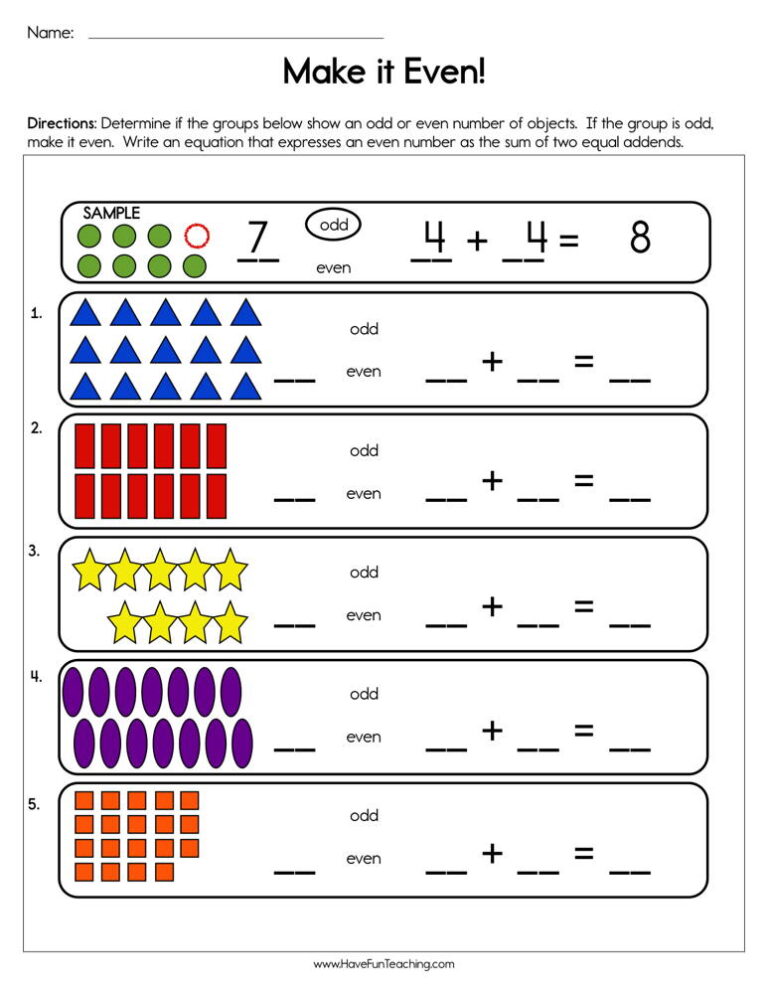
A Make it Even Worksheet where 2nd graders count groups of shapes, mark each total even or odd, then write even numbers as two equal addends. Answer key included for quick checking.

The Odd Number Bee Maze Worksheet asks 2nd graders to color a path of odd numbers so a bee can reach her hive, then sort six more numbers. An answer key is included for quick, no-prep number practice.
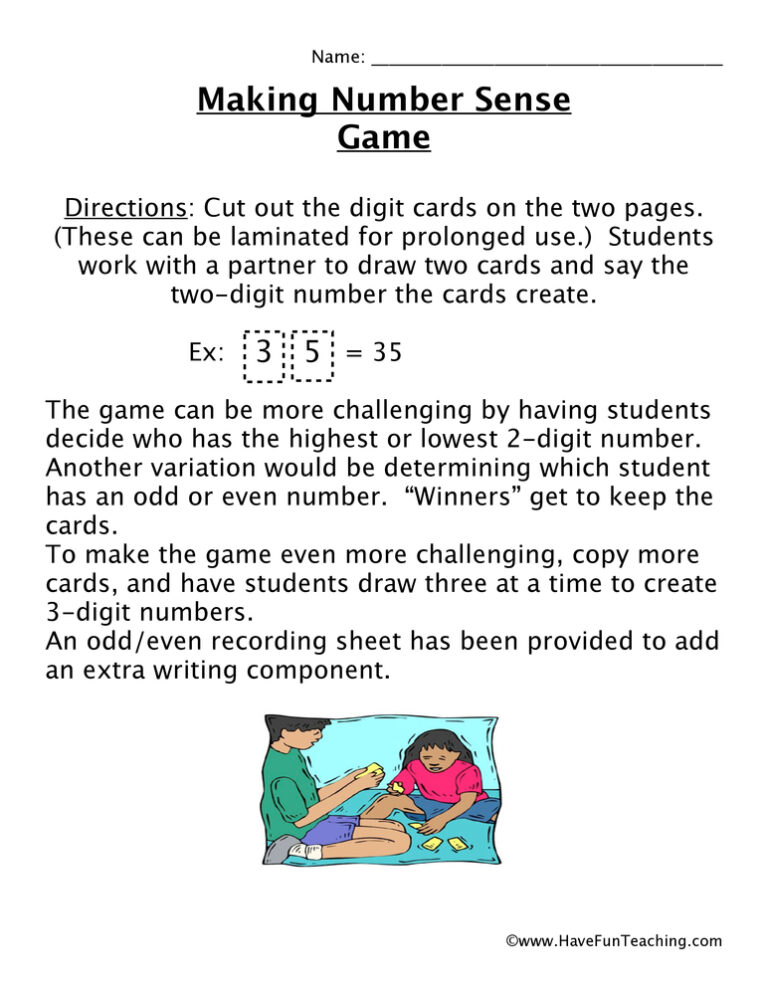
Using Number Sense Game, students work with a partner to draw two cards and say the two-digit number the cards create.
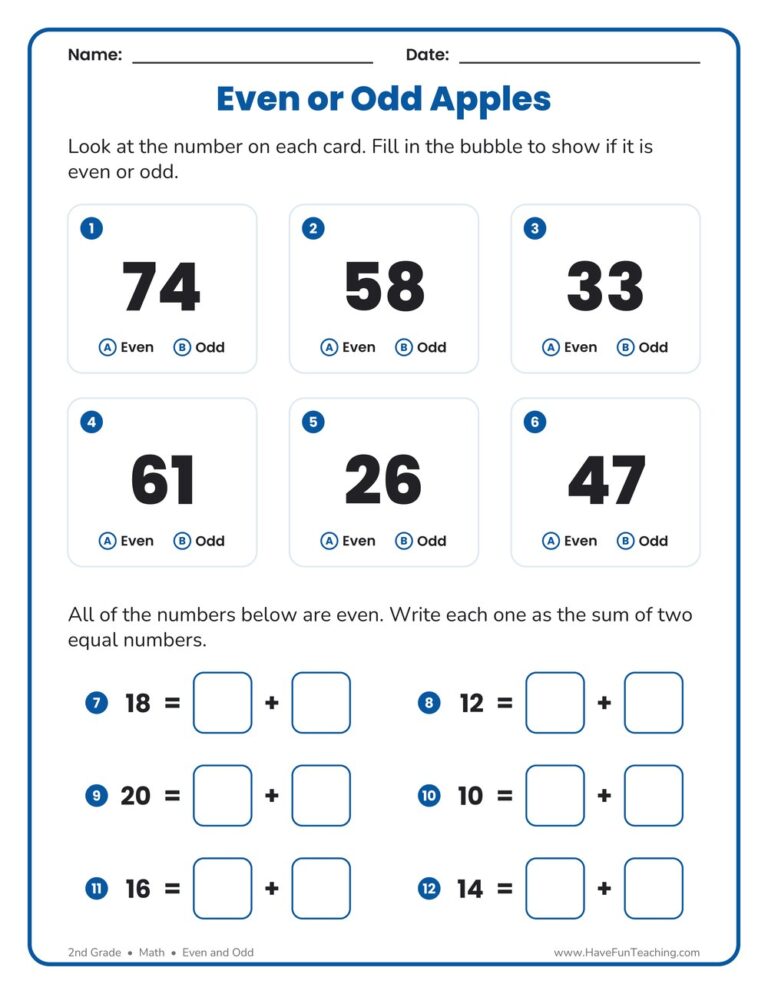
This Even and Odd Apples Worksheet gives 2nd graders six two-digit numbers to label even or odd, plus six equal-addend equations. An answer key is included for fast, no-prep checking.

The Odd Number Spider Maze Worksheet asks 2nd grade students to color a path of odd numbers and guide the spider to his web. An answer key is included, so practice is quick to check.
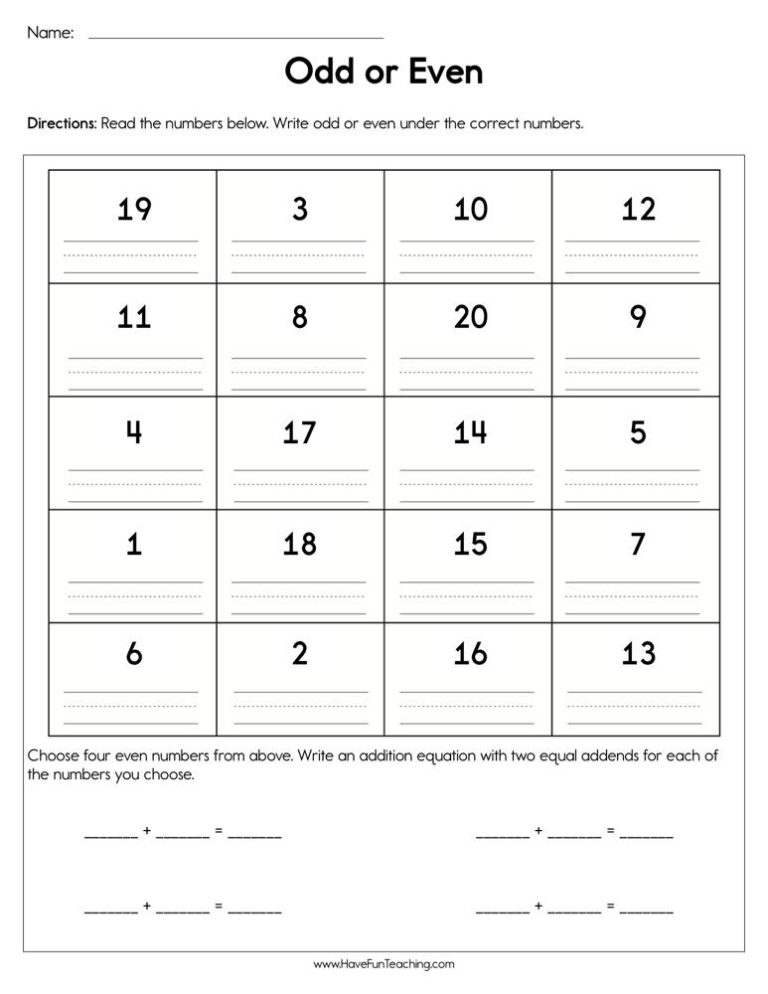
This Odd or Even Worksheet has 2nd graders label six two-digit numbers as odd or even, then split even numbers into two equal addends. An answer key is included for quick grading.
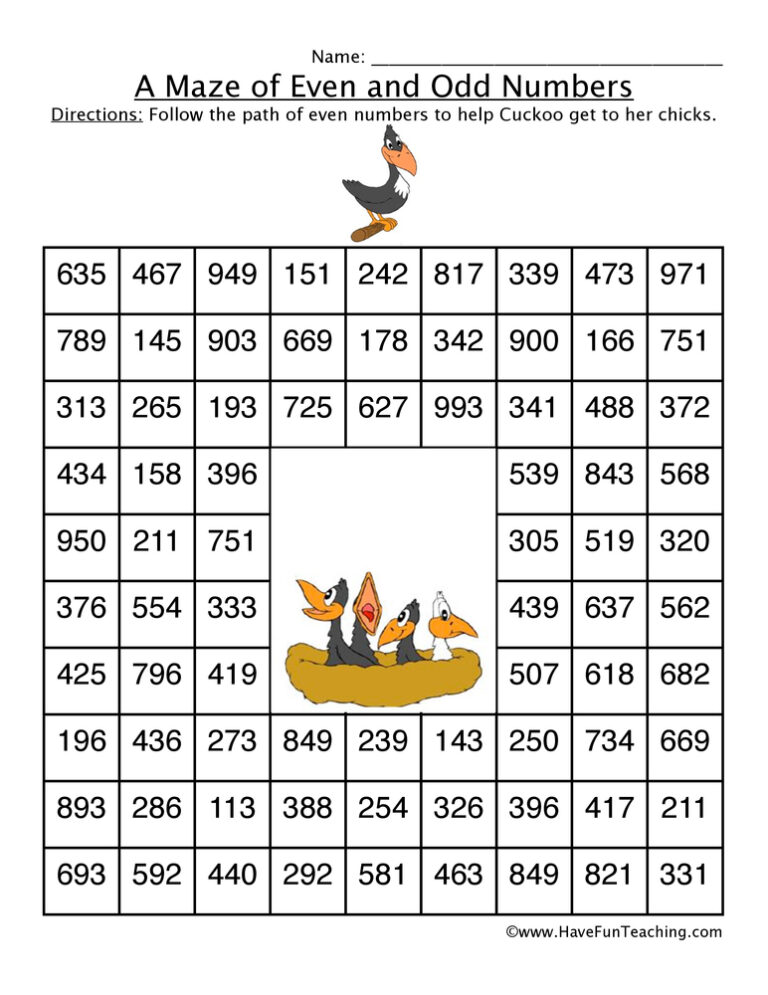
Students color a path of even numbers in this even number maze worksheet, then sort six more numbers as even or odd. Made for 2nd grade, with an answer key for fast checking.
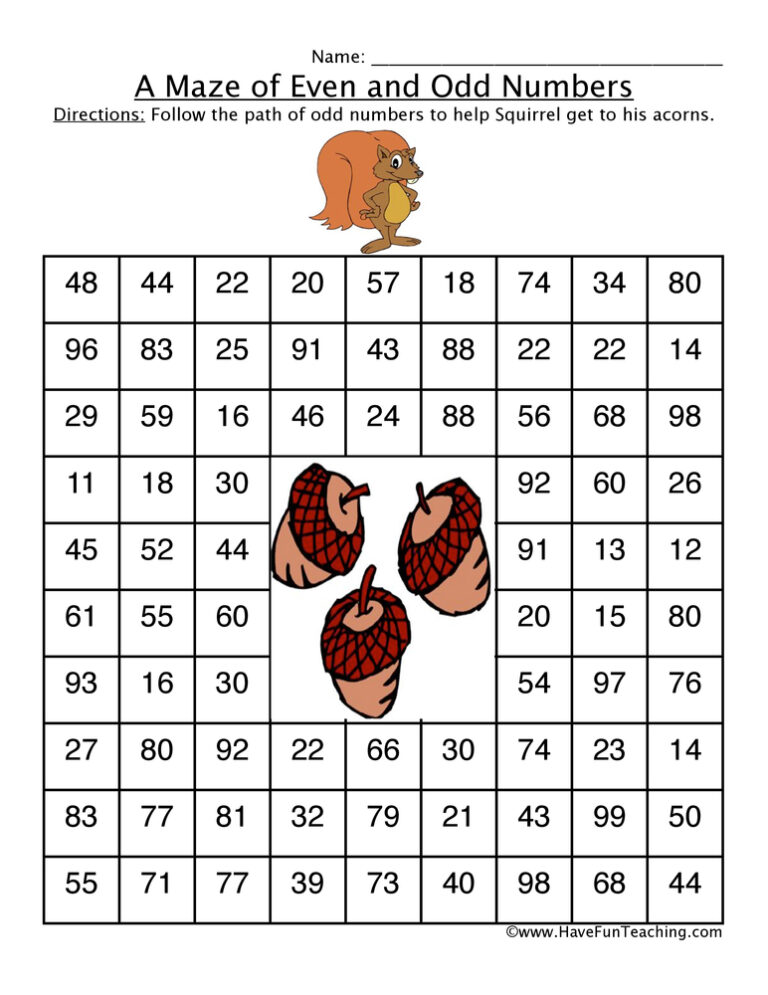
The Odd Number Squirrel Maze Worksheet has 2nd graders color a path of odd numbers so a squirrel can reach his acorns, then sort six more numbers. An answer key makes checking fast.
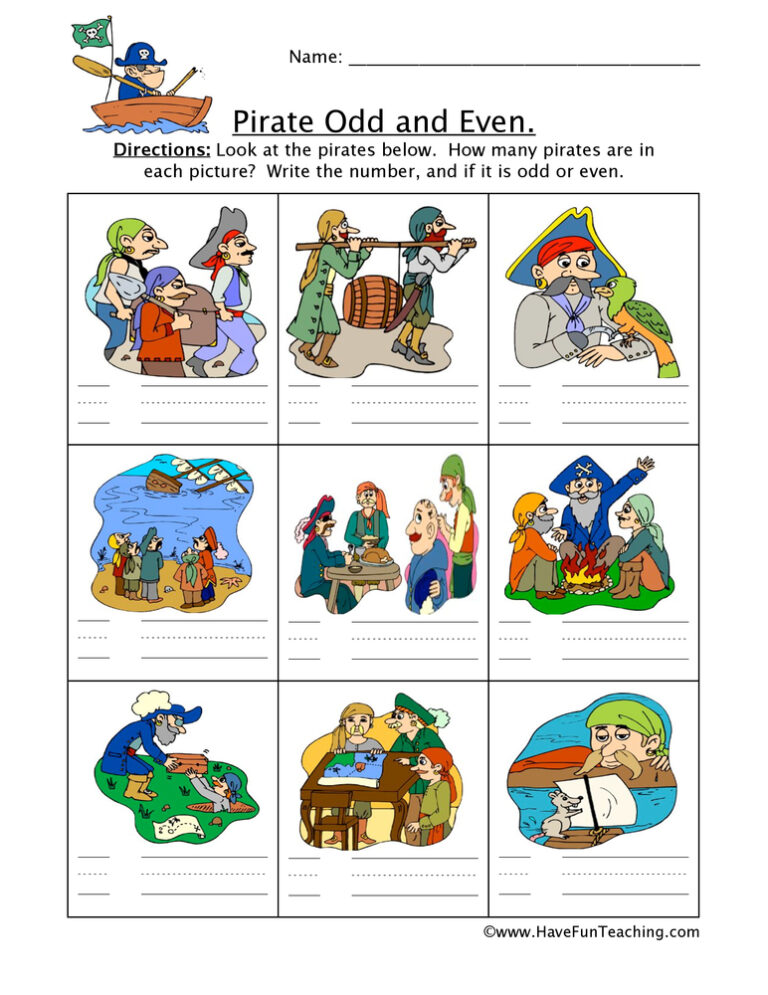
Using Pirate Odd Even Worksheet, students write even and odd under each number to build their number sense skills.
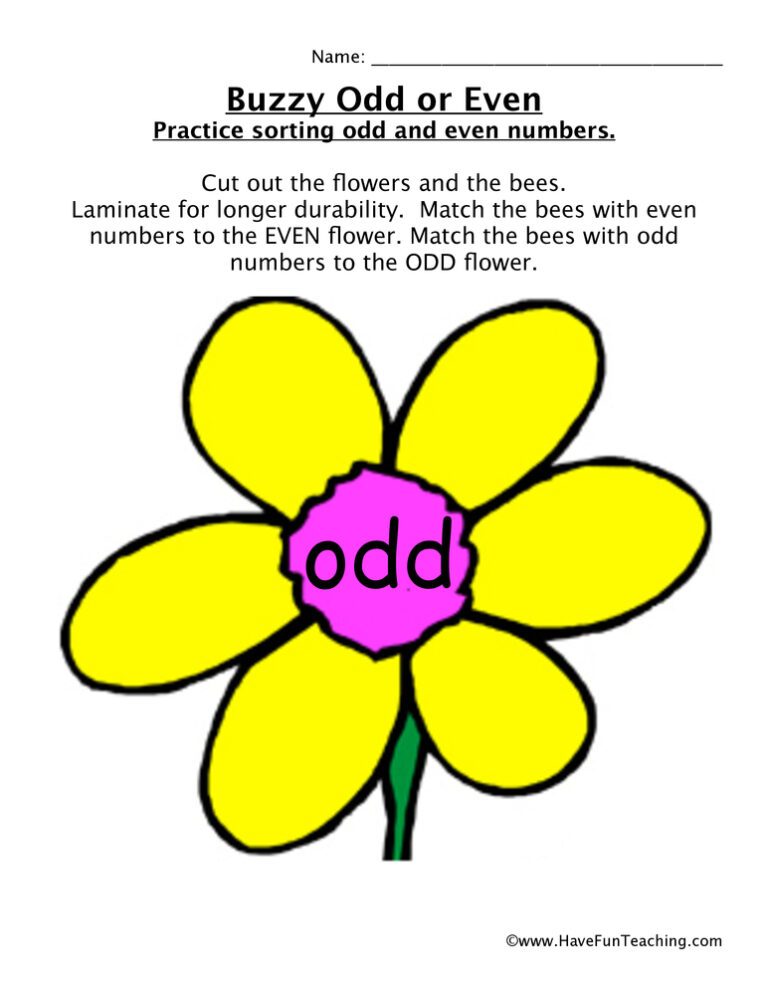
Using this Buzzy Odd or Even Activity, your students will be able to determine which three-digit numbers are even or odd.




Reviews
There are no reviews yet