

Odd or Even Worksheet
This Odd or Even Worksheet has 2nd graders label six two-digit numbers as odd or even, then split even numbers into two equal addends. An answer key is included for quick grading.
$6.97
Or free with a membership — members pay $3.33/mo for all 10,000+ resources. See plans
Want this one free?
Tell us where to send it and it’s yours — no card, no catch.
One free resource per teacher. We’ll also send free teaching ideas each week — unsubscribe anytime.
Teaching is easier with a membership
Unlimited printables, games & videos for PreK–6th — for your classroom or homeschool. Cancel anytime.
Start your 3-day free trial$0 today · cancel anytime · Instant access to 10,000+ resources
About this resource
Description
Telling whether a number is odd or even is a key second-grade skill because it asks students to think about how a number is built, not just how big it is. An even number splits into two equal groups with nothing left over, while an odd number always has one left. This Odd or Even Worksheet gives students focused practice with two-digit numbers, so they learn to check the digit in the ones place and explain their thinking with confidence.
This 2nd grade even and odd worksheet has two parts. In the first part, students read the number on each of six cards and fill in the bubble for Even or Odd. Many of the numbers have a tens digit that does not match the answer, so students must look closely at the ones place rather than the first digit they see. In the second part, students write six even numbers as the sum of two equal numbers, filling in both boxes of each equation. Use it for morning work, math centers, homework, or a quick check after a lesson on number patterns.
What’s Included
- 1 print-ready PDF worksheet
- Answer key
- 6 odd-or-even bubble cards and 6 equal-addend equations
Here are three reasons this Odd or Even Worksheet helps children learn. First, the fill-in-the-bubble format mirrors the way students answer on classroom tests, so they build test-taking confidence while they practice. Second, the two-digit numbers move students beyond a memorized list of small numbers and toward a rule they can apply to any number. Third, the equal-addend section gives the word “even” a real meaning: a number is even because it can be made from two equal parts, which is exactly what the standard asks students to show.
Teachers and parents can extend the lesson with simple hands-on activities. Grab a handful of beans, blocks, or crayons and pair them up, then decide whether the total is odd or even by checking for a leftover. Skip count by twos aloud and notice that every number you say is even. Write numbers on sticky notes and sort them into two columns on a door, or play a quick game where one player calls out a number and the other says odd or even before the count of three.
Related Resources
What teachers say
Reviews
You must be logged in to post a review.

This odd and even worksheet gives 2nd graders six number cards to label and six equations that split an even number into two equal parts. An answer key is included, so practice is quick and no-prep.

Color your way through a grid of two-digit numbers on this even number maze worksheet, then circle the evens and cross out the odds. Built for 2nd Grade, with an answer key included and no prep needed.

This monster odd even worksheet asks 2nd grade students to count each monster's eyes, write the total, and mark it even or odd, with an answer key so the whole page can be checked at a glance.
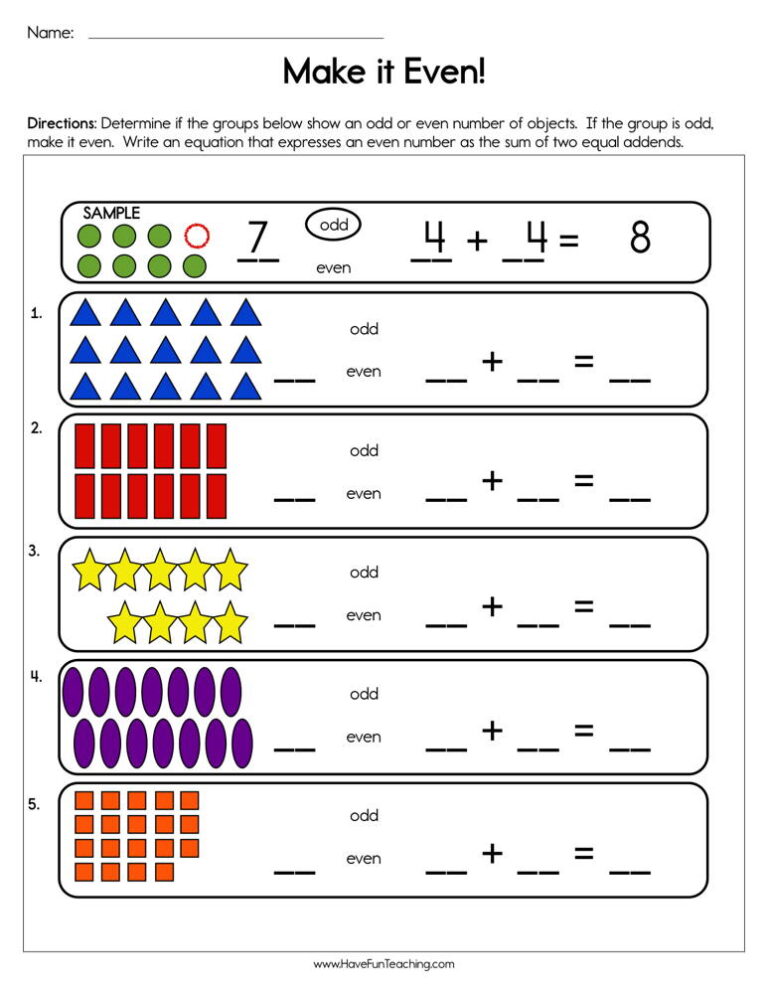
A Make it Even Worksheet where 2nd graders count groups of shapes, mark each total even or odd, then write even numbers as two equal addends. Answer key included for quick checking.
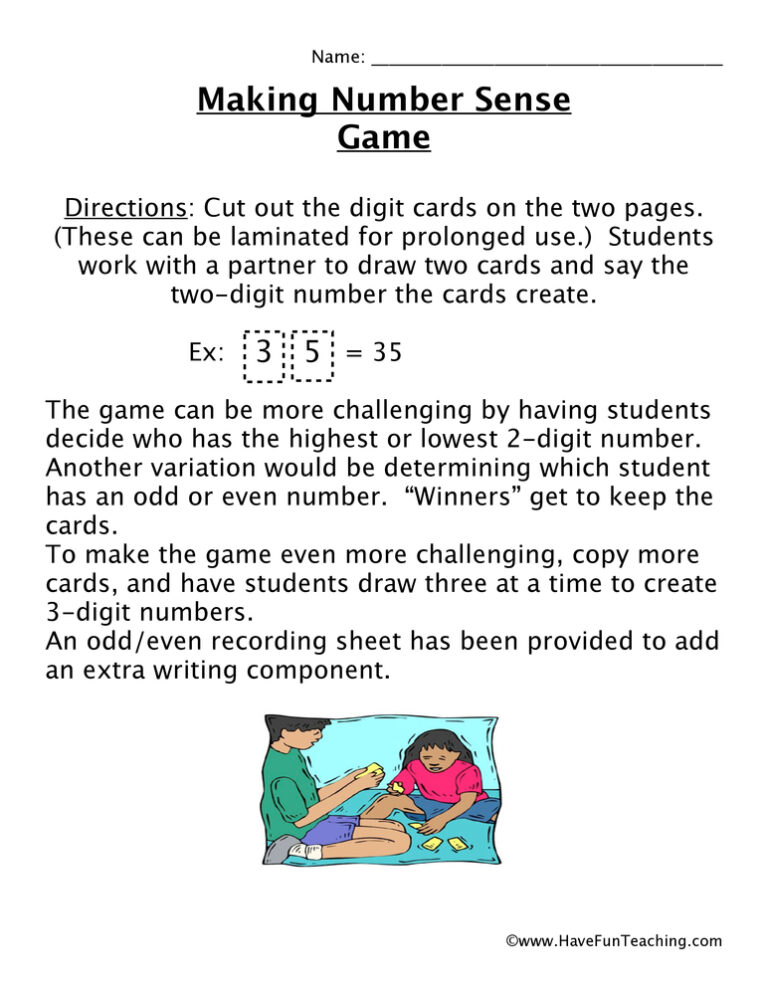
Using Number Sense Game, students work with a partner to draw two cards and say the two-digit number the cards create.

The Odd Number Bee Maze Worksheet asks 2nd graders to color a path of odd numbers so a bee can reach her hive, then sort six more numbers. An answer key is included for quick, no-prep number practice.
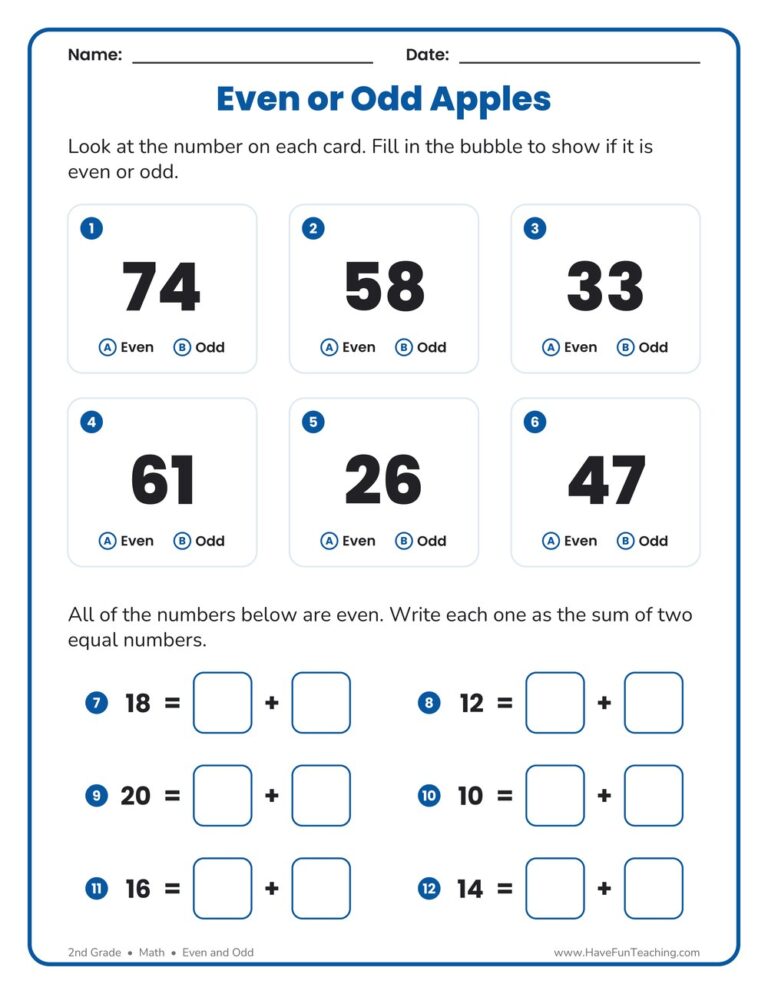
This Even and Odd Apples Worksheet gives 2nd graders six two-digit numbers to label even or odd, plus six equal-addend equations. An answer key is included for fast, no-prep checking.

The Odd Number Spider Maze Worksheet asks 2nd grade students to color a path of odd numbers and guide the spider to his web. An answer key is included, so practice is quick to check.
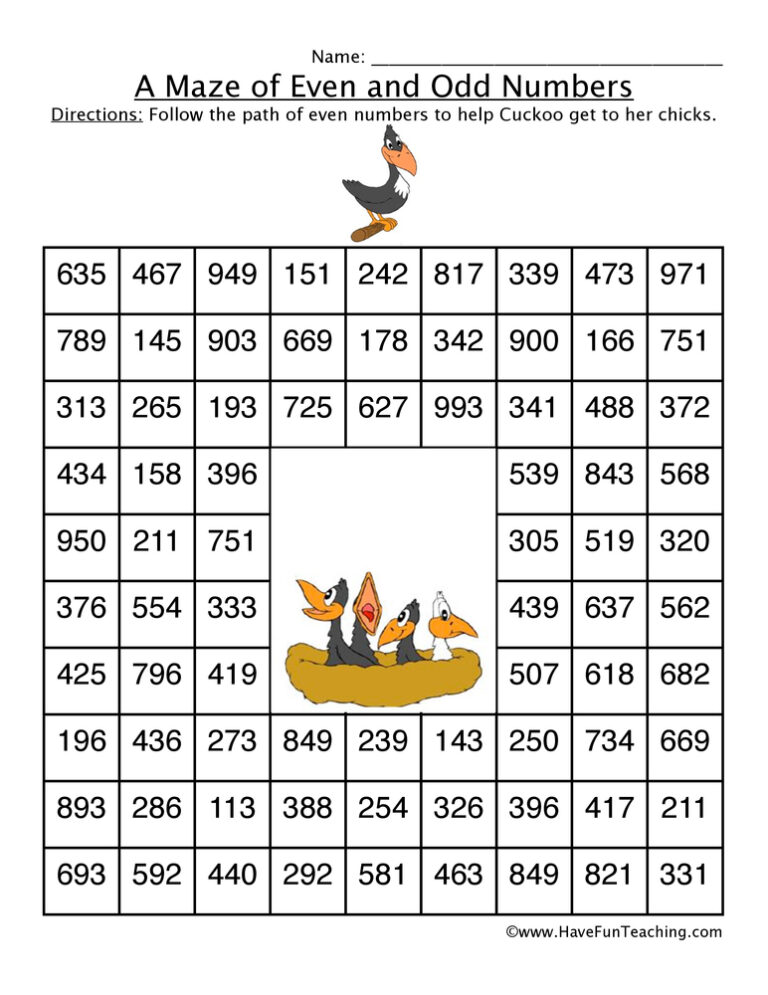
Students color a path of even numbers in this even number maze worksheet, then sort six more numbers as even or odd. Made for 2nd grade, with an answer key for fast checking.
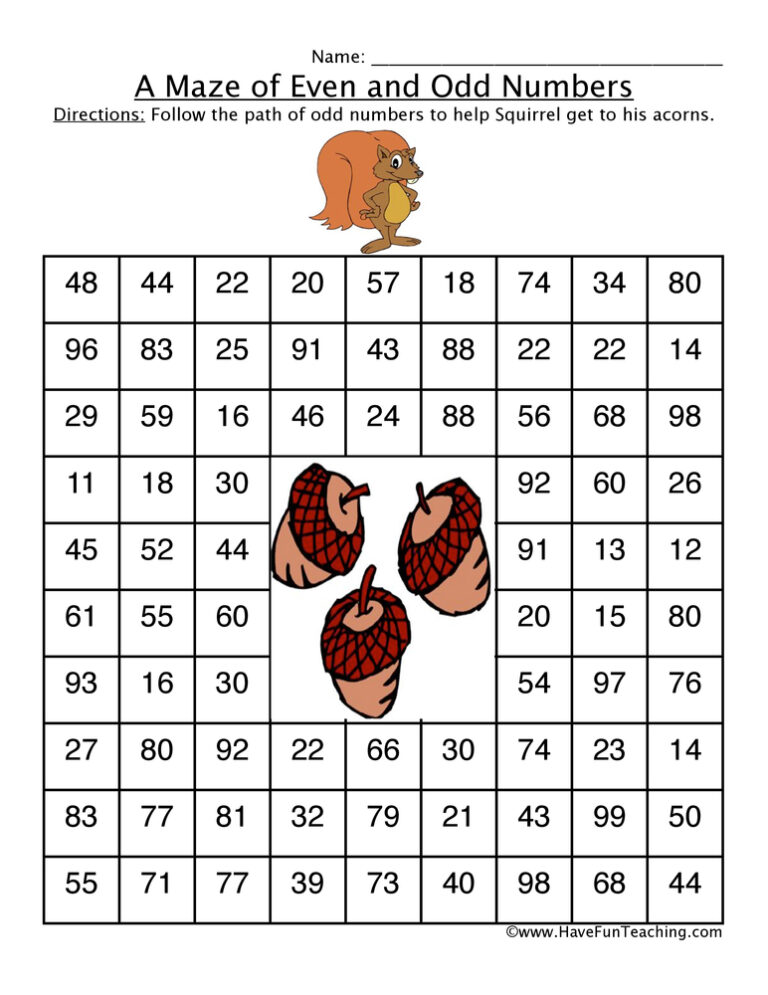
The Odd Number Squirrel Maze Worksheet has 2nd graders color a path of odd numbers so a squirrel can reach his acorns, then sort six more numbers. An answer key makes checking fast.
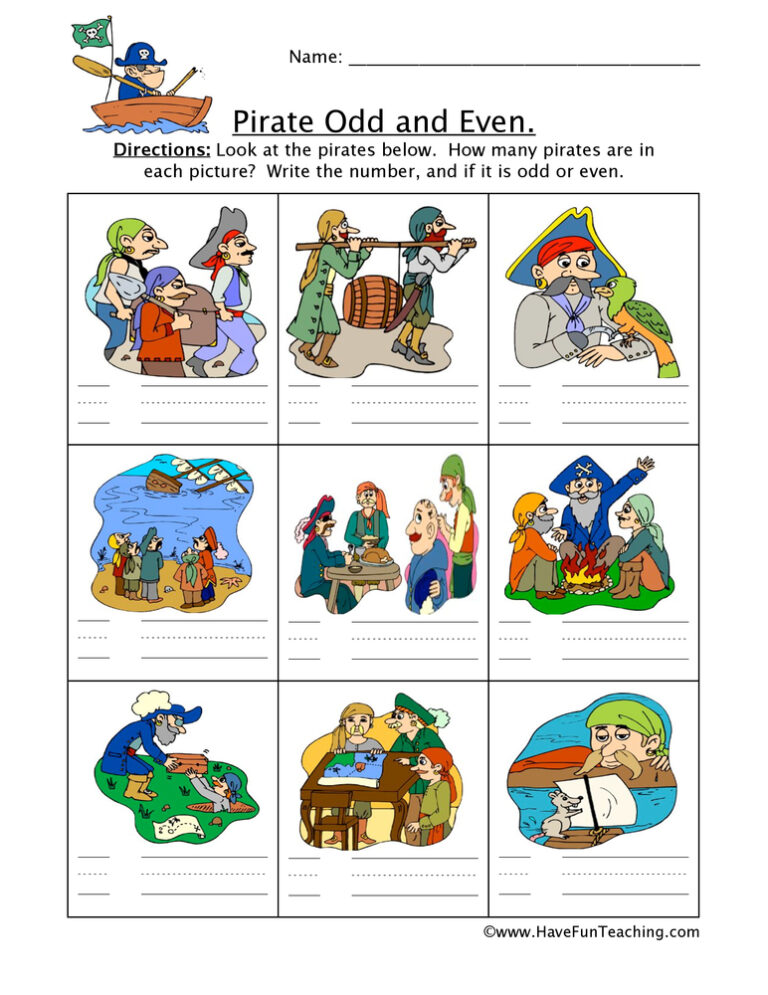
Using Pirate Odd Even Worksheet, students write even and odd under each number to build their number sense skills.

The Even Number Ants Maze Worksheet has 2nd grade students color even three-digit numbers to lead an ant home, then sort six more numbers as even or odd. An answer key is included.

Reviews
There are no reviews yet