

Partitioning Equal Parts Worksheet
The Partitioning Equal Parts Worksheet has 2nd graders count and draw rows and columns of equal squares in rectangles. An answer key shows every line and total for quick checking.
$6.97
Or free with a membership — members pay $3.33/mo for all 10,000+ resources. See plans
Want this one free?
Tell us where to send it and it’s yours — no card, no catch.
One free resource per teacher. We’ll also send free teaching ideas each week — unsubscribe anytime.
Teaching is easier with a membership
Unlimited printables, games & videos for PreK–6th — for your classroom or homeschool. Cancel anytime.
Start your 3-day free trial$0 today · cancel anytime · Instant access to 10,000+ resources
About this resource
Description
How to Teach Partitioning into Equal Parts
This Partitioning Equal Parts Worksheet helps second graders see that a rectangle can be cut into rows and columns of same-size squares. When every small square is the same size, the parts are equal, and counting them tells how many squares make up the whole rectangle. This idea builds the foundation for arrays, area, and fractions in later grades.
About This Worksheet
The Partitioning Equal Parts Worksheet has two parts. In Part A, students count the small squares inside three rectangles that are already partitioned and write the total in the box. In Part B, students draw straight lines to connect the dots on the edges of three rectangles, which splits each one into equal rows and columns, and then they count the squares they made. Use it for independent practice, a small-group lesson, a math center, or homework.
What’s Included
- One page of partitioning and counting practice
- Three partitioned rectangles to count
- Three rectangles with guide dots to partition
- An answer key with the drawn lines and totals
Why This Worksheet Helps Kids
First, it gives children a clear picture of what equal parts look like, since every square on the page is the same size. Second, drawing their own lines builds careful fine motor control and shows how rows and columns work together. Third, counting by rows or by columns prepares students for repeated addition and multiplication.
Ideas for Teachers and Parents
Ask children to count each rectangle two ways, first by rows and then by columns, and check that both totals match. Use square tiles or sticky notes to build the same rectangles on a table. This 2nd grade fractions worksheet also pairs well with a quick skip-counting warm-up by twos.
Related Resources
What teachers say
Reviews
You must be logged in to post a review.

A halves thirds and fourths worksheet that has 2nd graders name the equal parts in circles, squares, and rectangles, then shade the amount named. Answer key included for fast, no-prep fraction practice.
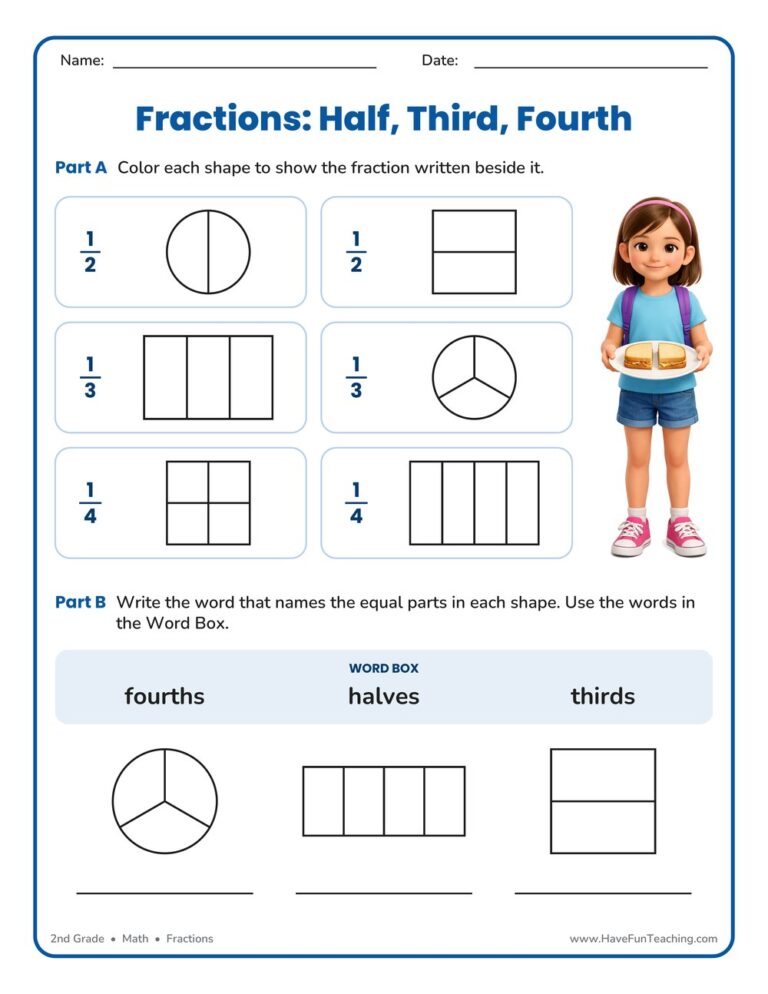
This halves, thirds, fourths fractions worksheet gives 2nd graders six shapes to color and three to name, building equal-share sense. Answer key included for fast, no-prep fraction practice.
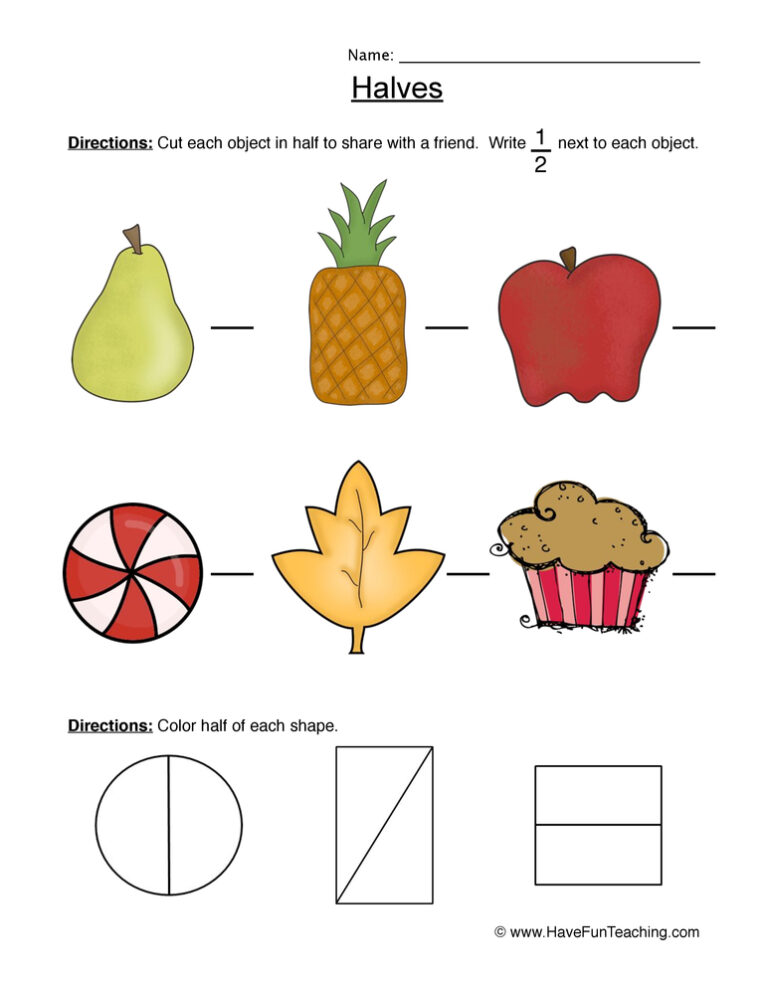
This Fractions Half Worksheet asks 2nd graders to spot which shapes are cut into two equal halves, then partition and color halves of their own. An answer key is included for fast, no-prep checking.

Using these Fraction Flash Cards, students identifying the fraction which represents the picture provide in order toimprove their fraction skills.
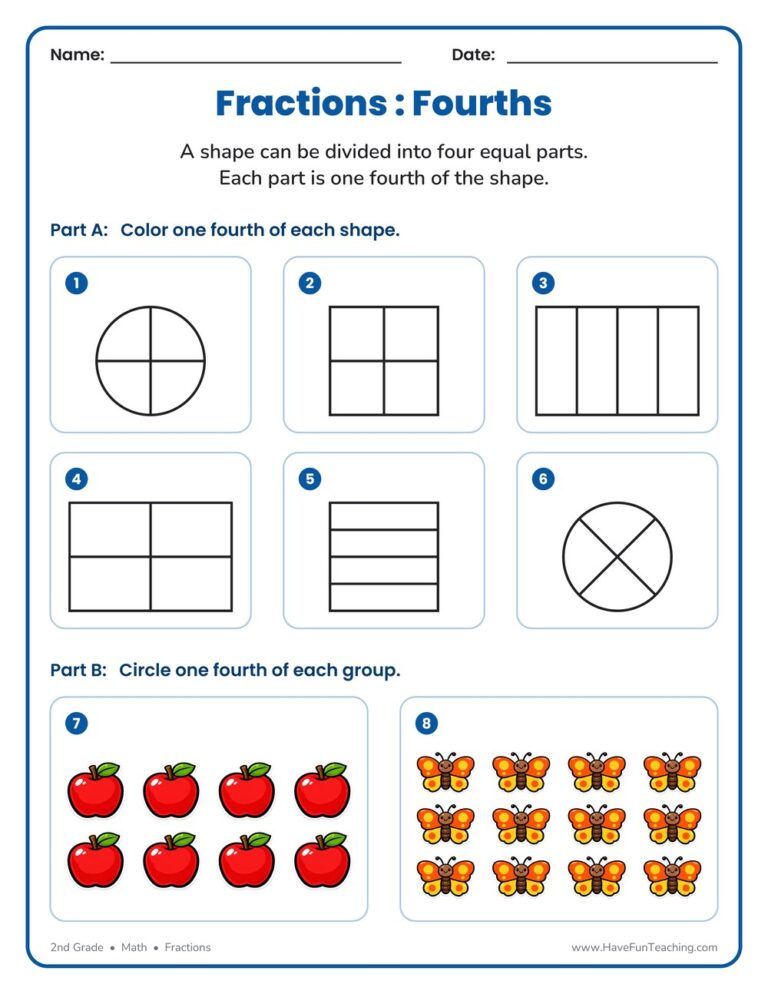
A shading fractions fourths worksheet for 2nd grade: color one fourth of six differently divided shapes, then circle one fourth of two picture groups. Answer key included, so fraction practice takes no prep.

Practice equal parts with the Is it Equal? Fractions Worksheet. Second graders decide if shapes show equal or unequal parts, then divide shapes into equal parts themselves. An answer key is included to make fraction practice simple and fun.
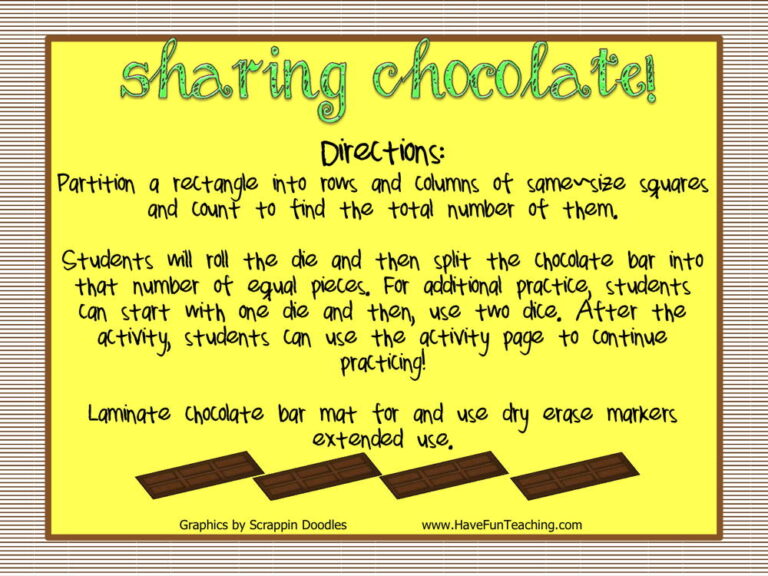
Using this Sharing Chocolate Rows and Columns Activity, students partition a rectangle into rows and columns of same-size squares and count to find the total number of them.
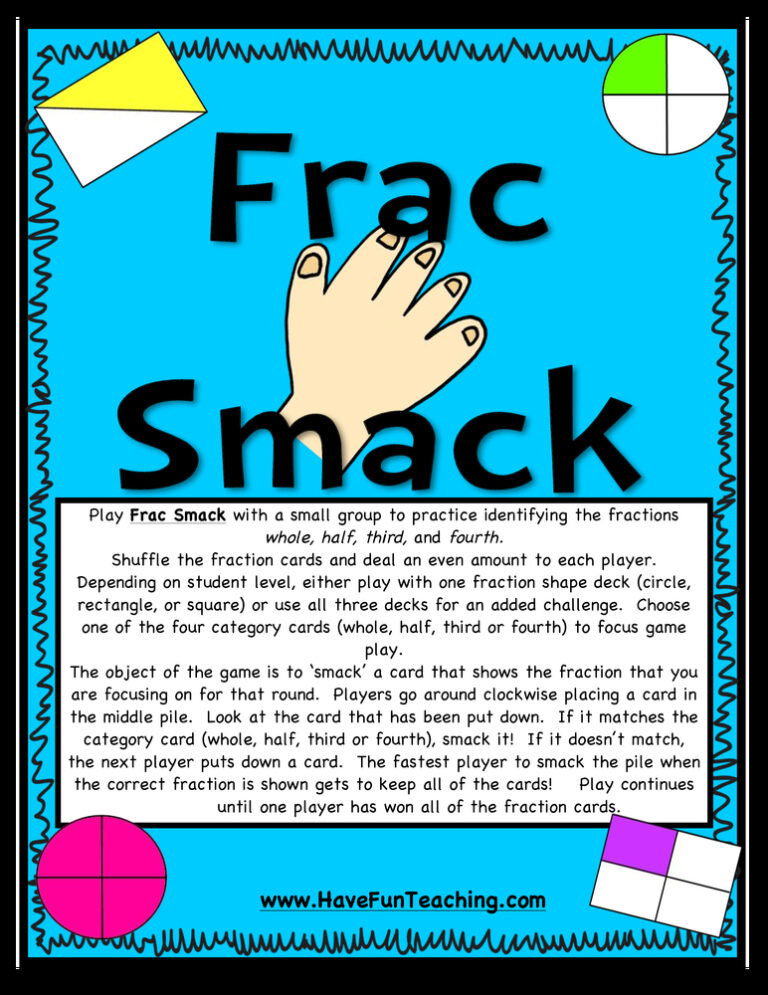
UsingFrac Smack Fractions Activity, students playwith a small group to practice identifying the fractions whole, half, third, and fourth.
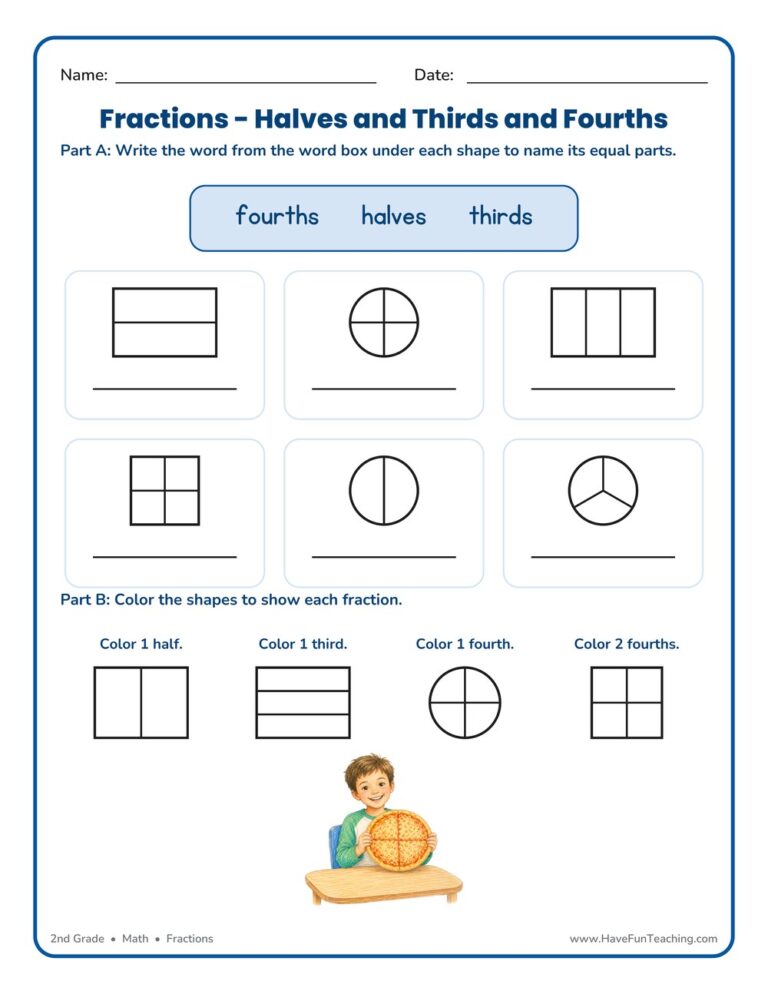
This Color Halves Thirds Fourths Worksheet gives 2nd grade students hands-on practice naming and coloring equal parts of shapes. An answer key is included to build early fraction confidence fast.
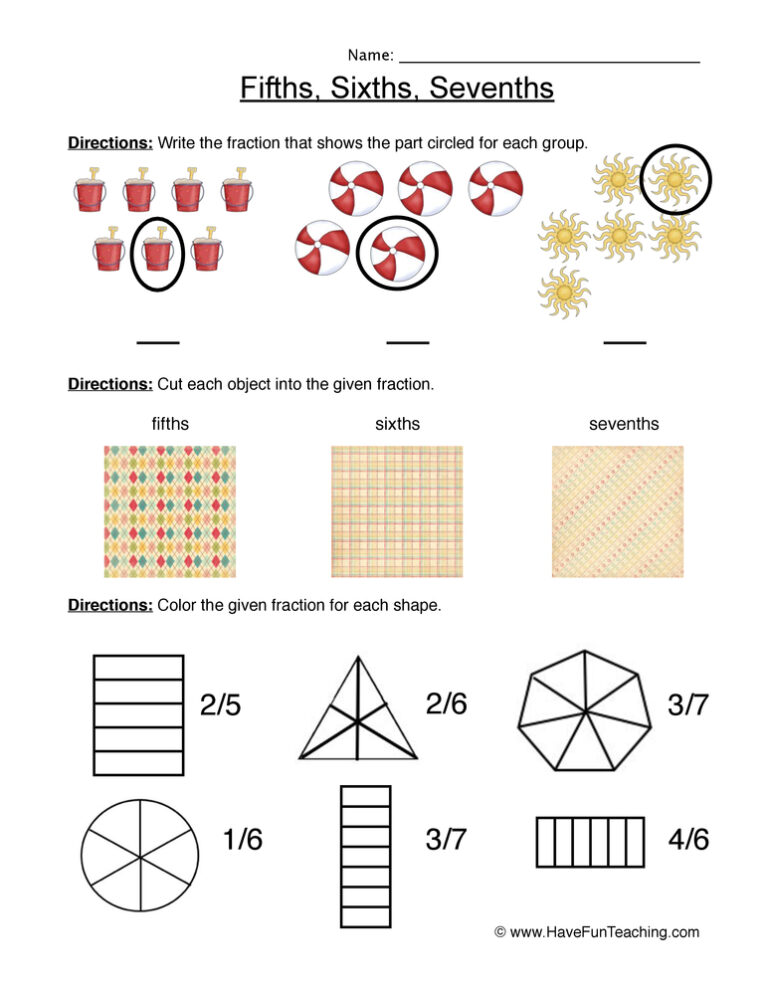
Using Fractions Fifth Sixth Seventh Worksheet, students represent fifths, sixths, and sevenths using objects and templates in order to build their understanding of fractions.

Using this Sweet Rectangular Arrays Addition Activity, students use addition to find the total number of objects arranged in rectangular arrays with up to 5 rows and up to 5 columns; write an equation to express the total as a sum of equal addends.
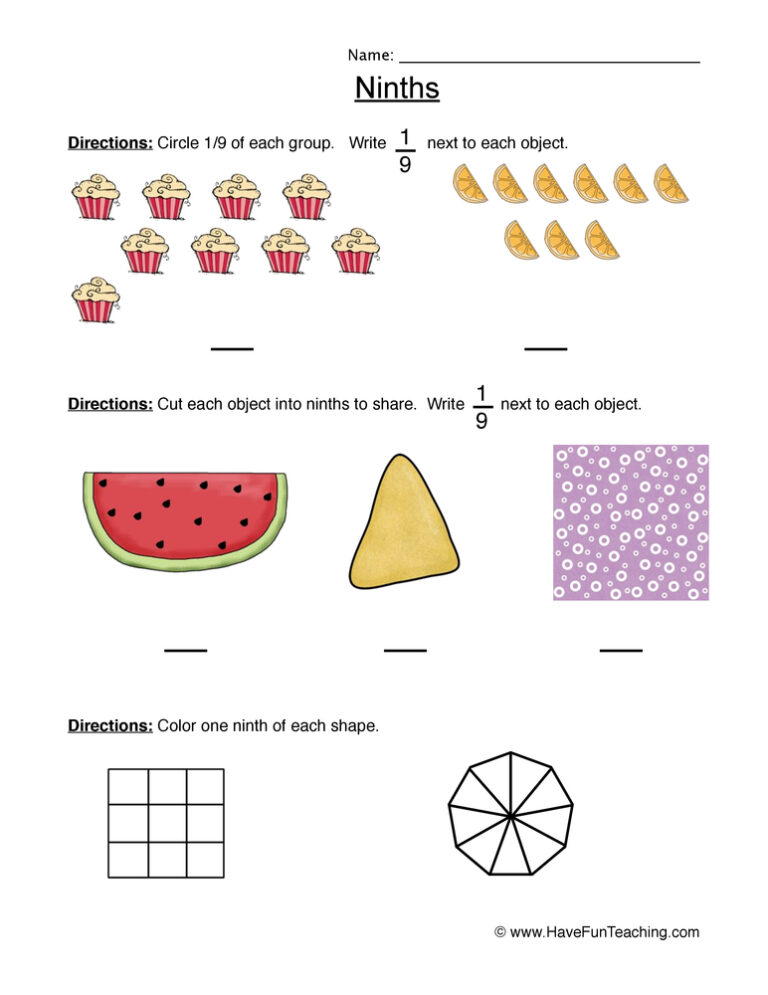
Using Fractions Ninth Worksheet, students represent ninths on real life objects and templates in order to build their understanding of fractions.
Reviews
There are no reviews yet