
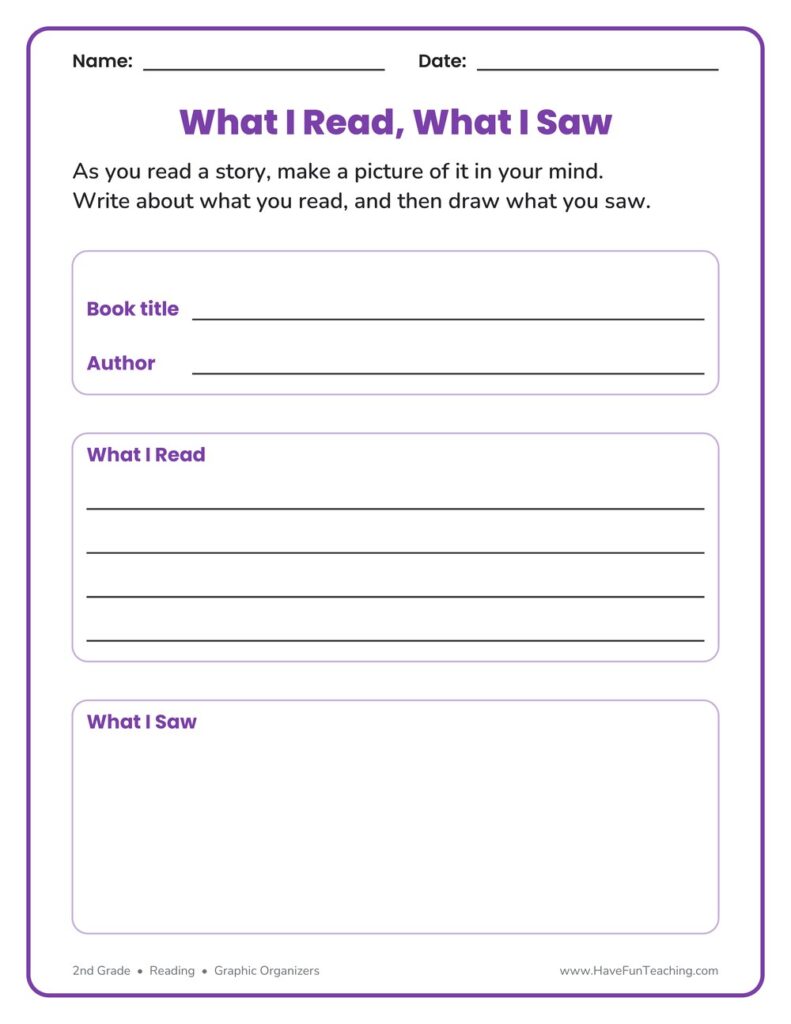
Reading Comprehension What I Read What I Saw Graphic Organizer Worksheet
This what I read what I saw graphic organizer lets 2nd grade readers write about any book and draw the picture it made in their minds, building strong visualizing and comprehension skills.
$6.97
Or free with a membership — members pay $3.33/mo for all 10,000+ resources. See plans
Want this one free?
Tell us where to send it and it’s yours — no card, no catch.
One free resource per teacher. We’ll also send free teaching ideas each week — unsubscribe anytime.
Teaching is easier with a membership
Unlimited printables, games & videos for PreK–6th — for your classroom or homeschool. Cancel anytime.
Start your 3-day free trial$0 today · cancel anytime · Instant access to 10,000+ resources
About this resource
Description
Good readers make pictures in their minds as they read, and this what I read what I saw graphic organizer worksheet helps 2nd grade students practice that skill with any book they choose. Visualizing is one of the strongest reading comprehension strategies, because a child who can see the characters, the setting and the action in their head understands and remembers far more of the story.
Students begin by writing the book title and the author. In the What I Read box they use four writing lines to tell what happened in the part they read. In the large What I Saw frame they draw the picture the words made in their mind. Because every child picks their own book, this what I read what I saw graphic organizer works for independent reading, guided reading groups, read-alouds, literacy centers and homework all year long.
What’s Included
- A book title and author form
- A What I Read box with four roomy writing lines
- A large What I Saw drawing frame for the mental picture
- A clean single-page printable PDF
Why It Helps Kids
First, it slows readers down so they notice details instead of racing to the last page. Second, pairing words with a drawing gives every learner a second way to show understanding, which supports visual learners and English language learners. Third, as a visualizing graphic organizer it builds the habit of checking whether the picture in their mind still matches the text.
Ideas for Teachers and Parents
Read a short picture book aloud with the illustrations hidden, then compare the children’s drawings with the real pictures. Keep a stack of copies at the classroom library so students can respond to their weekly book, or send one home as a simple reading log with a creative twist. Partners can also trade sheets and guess which part of the story each drawing shows.
Related Resources
What teachers say
Reviews
You must be logged in to post a review.
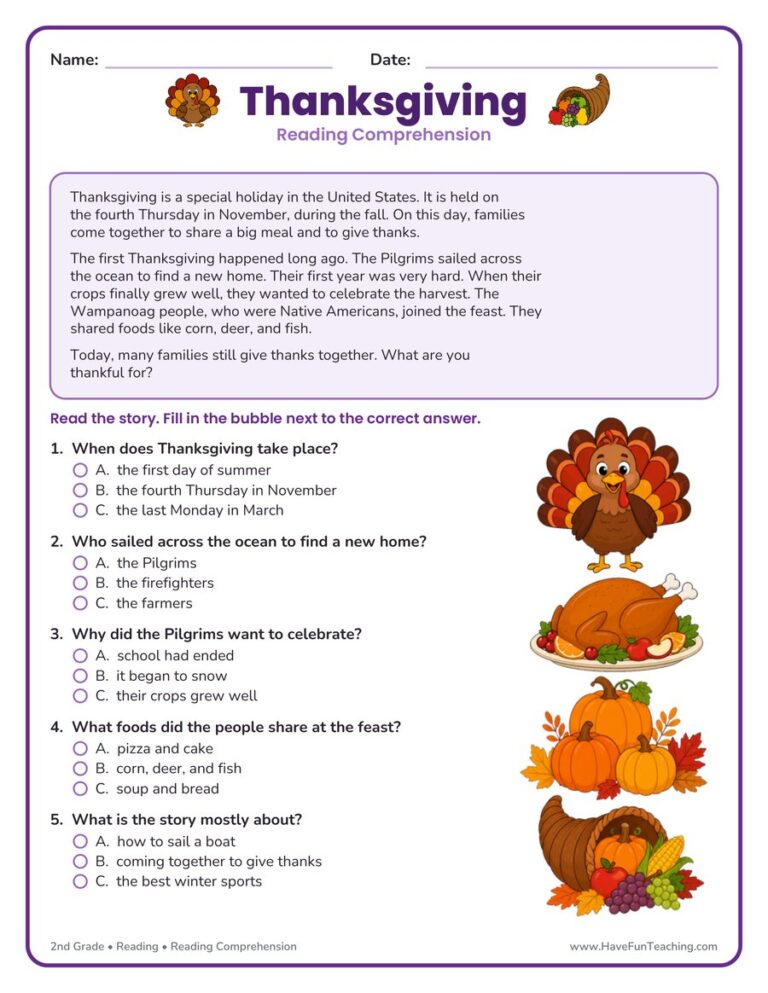
A festive Thanksgiving Reading Comprehension Worksheet where 2nd graders read a short holiday story and answer questions about the details and main idea. Answer key included — perfect for quick, no-prep comprehension practice.
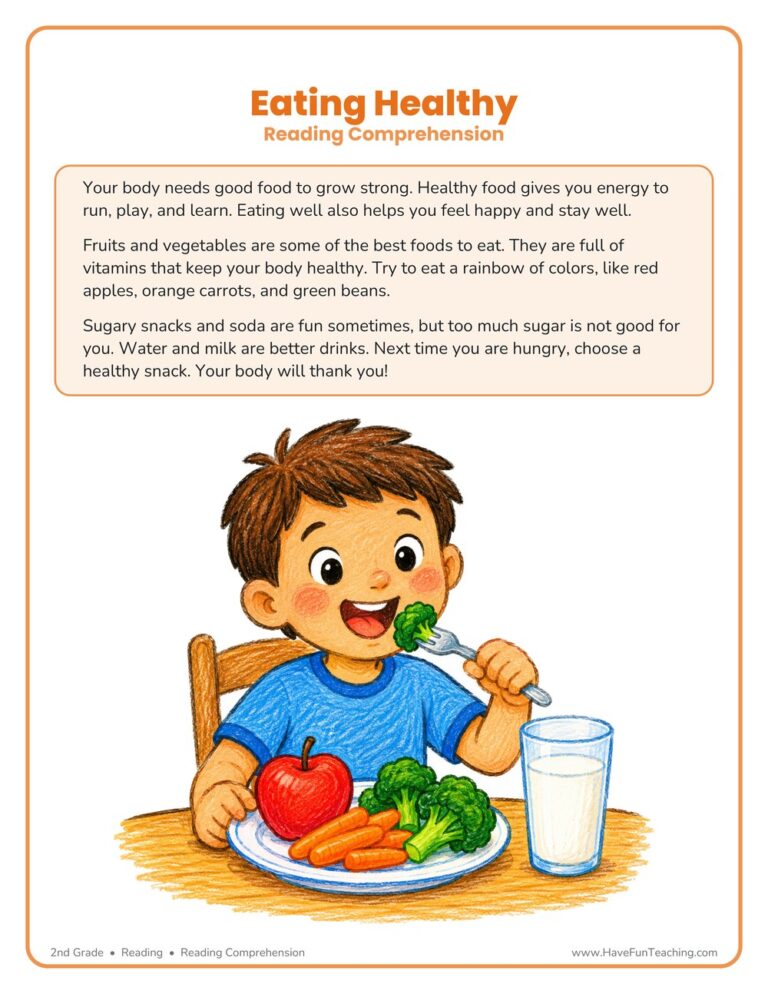
The Eating Healthy Reading Comprehension Worksheet gives 2nd graders a fun passage about healthy food plus six questions to check understanding. Answer key included—perfect for no-prep reading and nutrition practice at home or school.
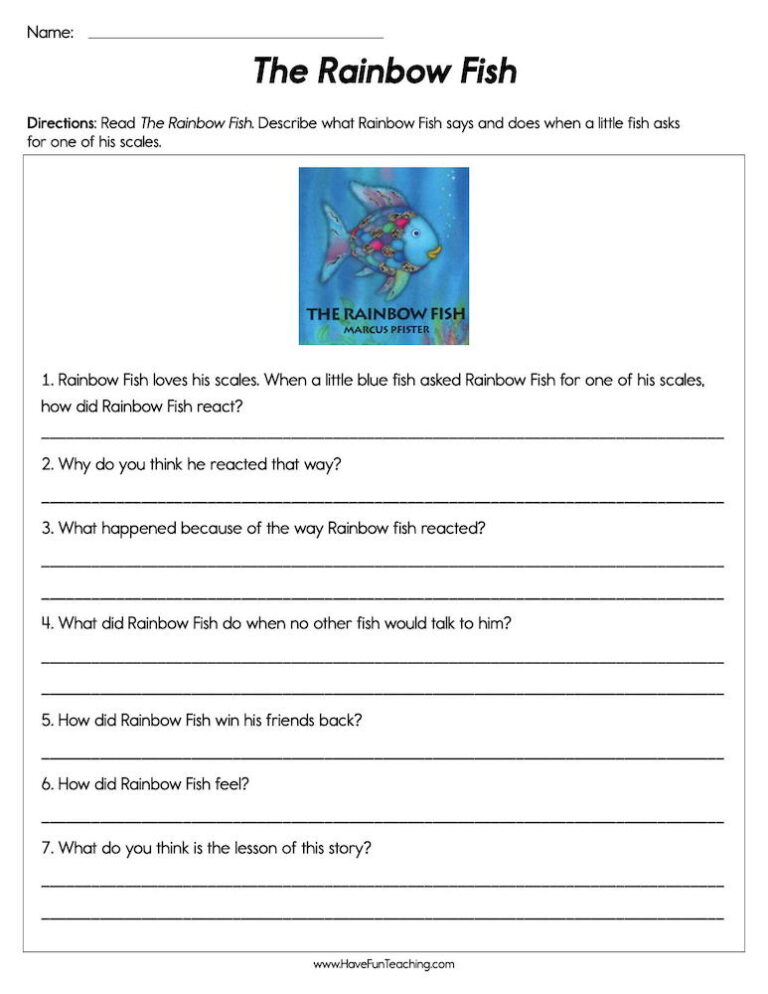
Using The Rainbow Fish Worksheet, students read The Rainbow Fish and describe what Rainbow Fish says and does when a little fish asks for one of his scales.
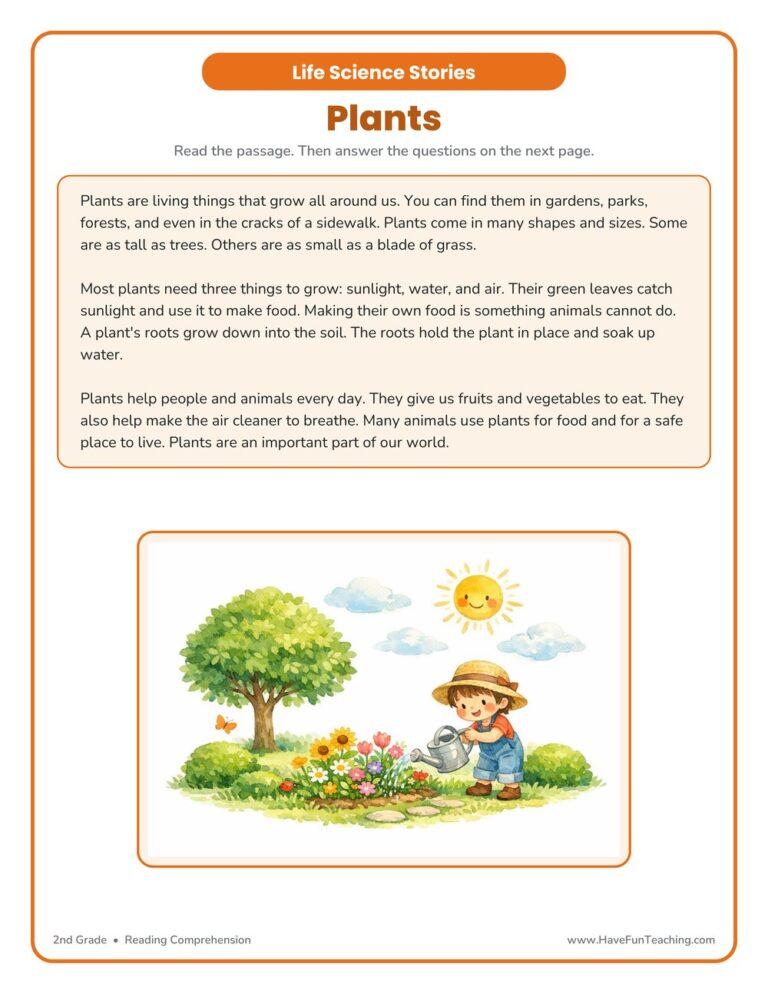
This Plants Life Science Reading Comprehension Worksheet gives 2nd graders a short nonfiction passage about plants plus questions that build reading comprehension. Includes a complete answer key — perfect for no-prep science and reading practice.

This Grandparents Day Reading Comprehension Worksheet gives 2nd grade readers an original story, four multiple-choice questions, and one written response about a boy and his grandma. An answer key is included.
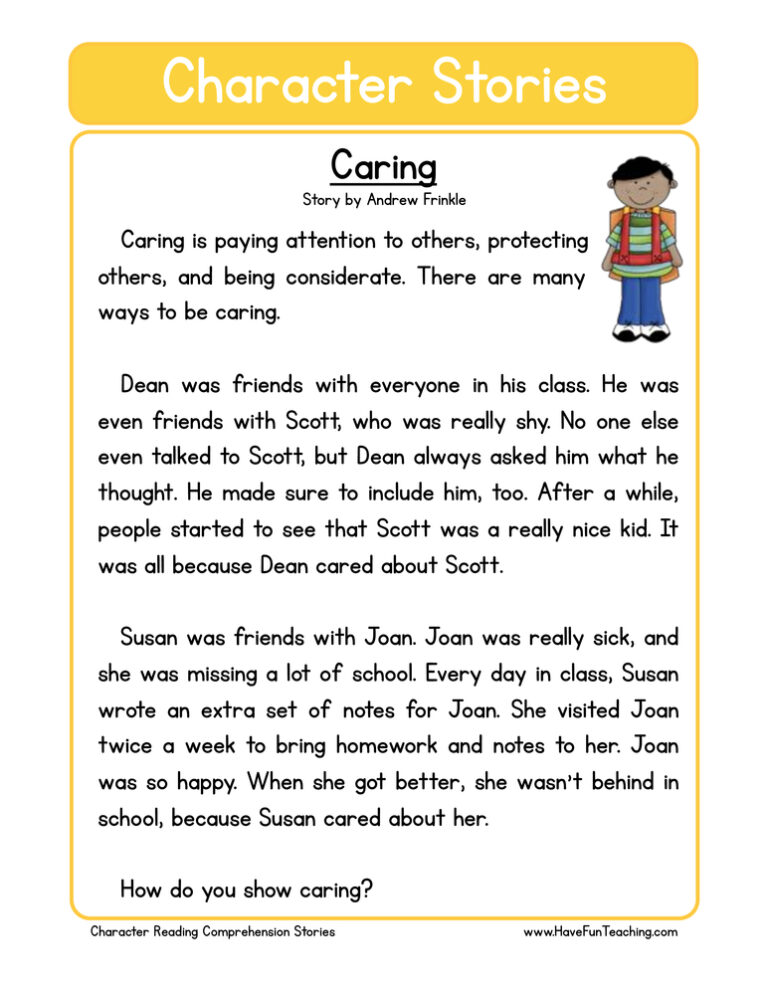
A Caring Character Reading Comprehension Worksheet built around a short lunchroom story about welcoming a new classmate. Written for 2nd grade, with an answer key included, so kindness and comprehension practice takes no prep at all.
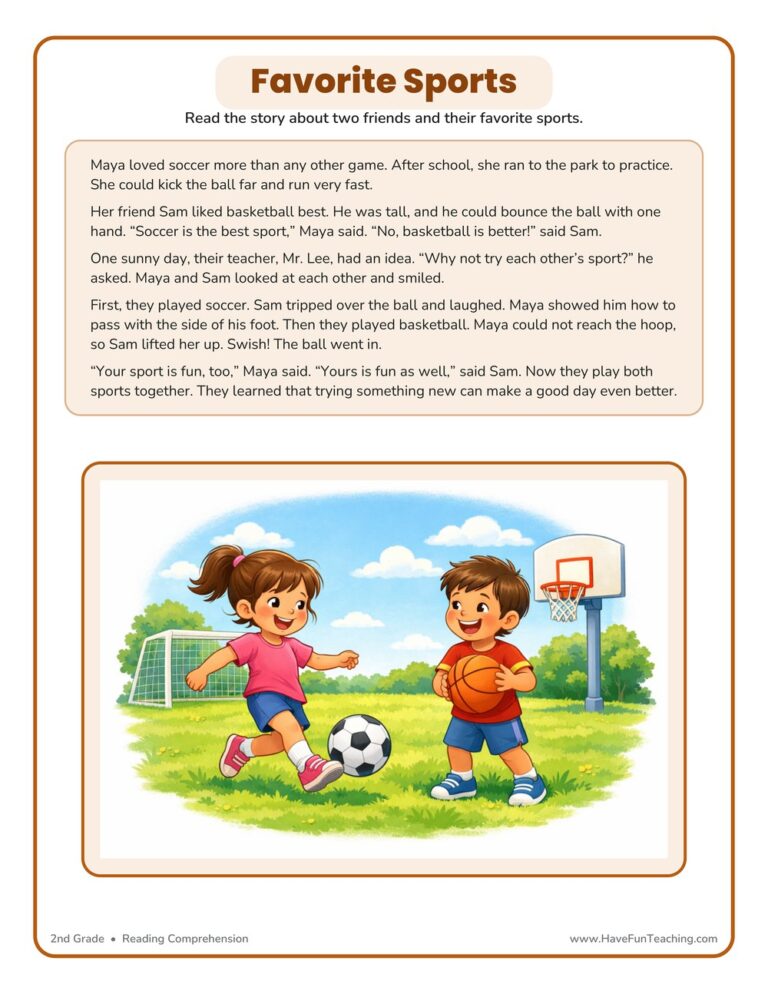
The Favorite Sports Reading Comprehension Worksheet gives 2nd grade readers a fun story about two friends and their favorite sports, plus comprehension questions and an answer key.
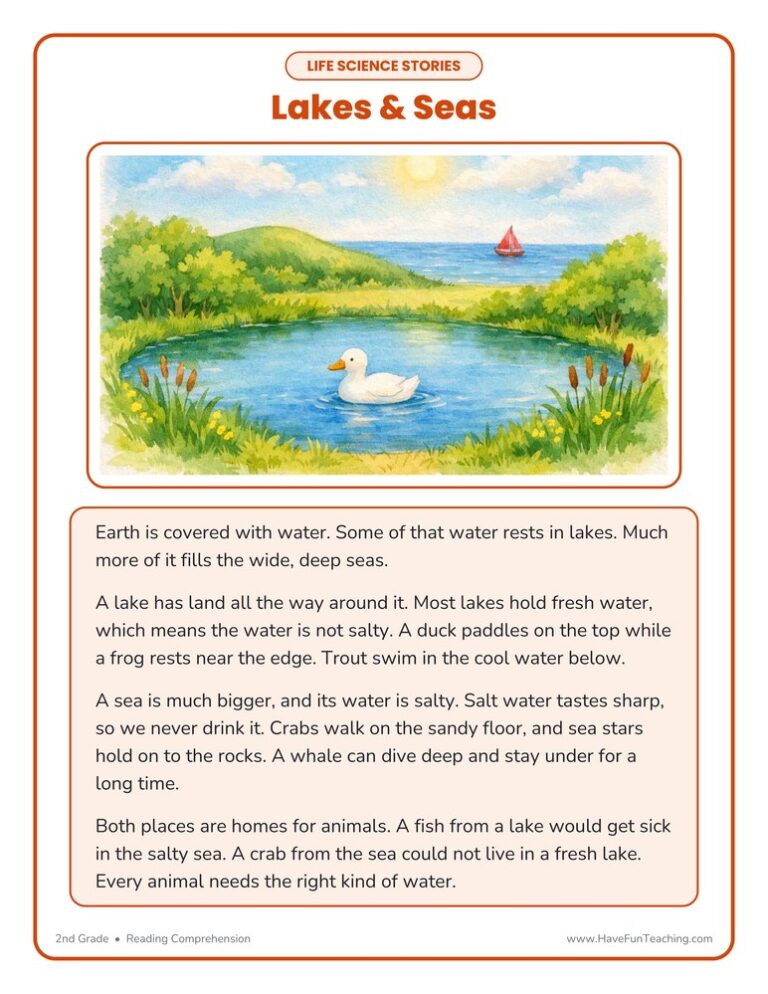
This Lakes and Seas Life Science Reading Comprehension Worksheet gives 2nd Grade students an original passage about fresh water and salt water habitats, with bubble, fill-in, and writing questions. Answer key included.
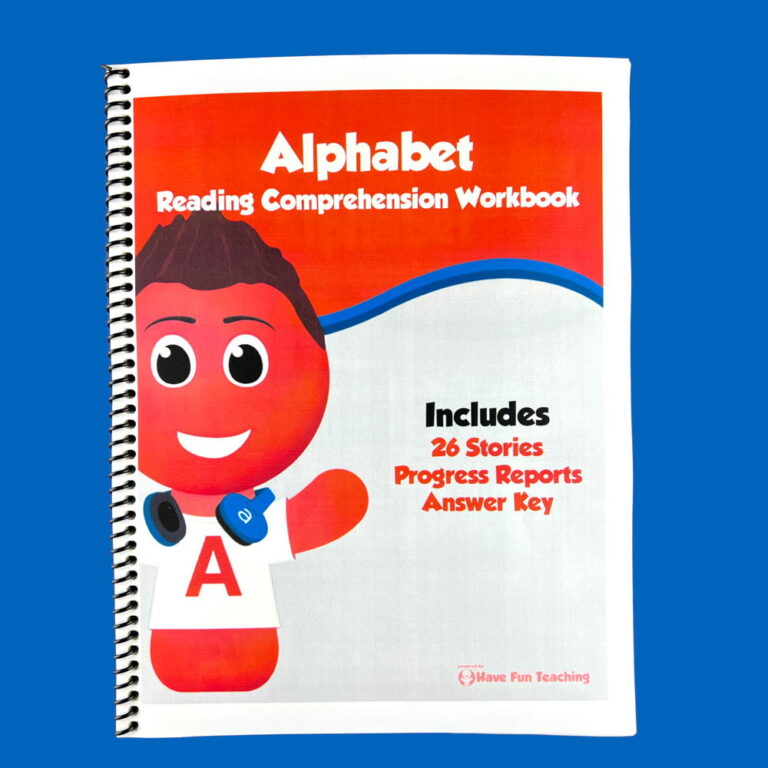
Use Alphabet Reading Comprehension Workbook Download to build student reading comprehension skills using the Alphabet Stories.
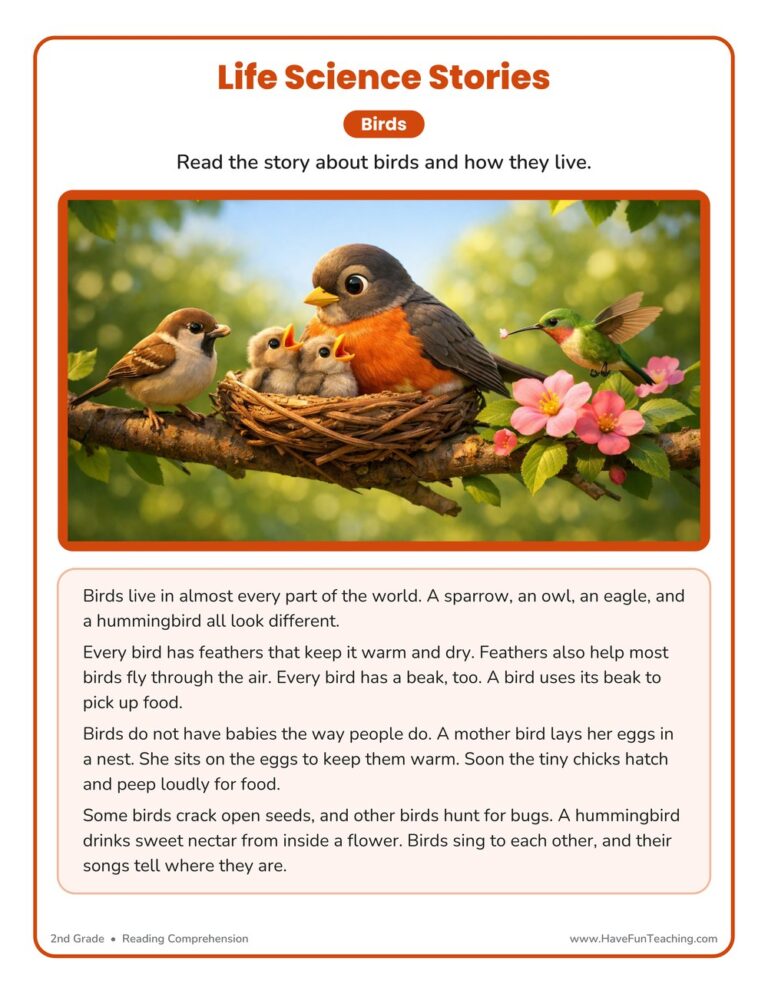
A nonfiction bird passage for 2nd graders, with questions on feathers, nests, and what birds eat. This Birds Life Science Reading Comprehension Worksheet includes an answer key for easy, no-prep science reading practice.
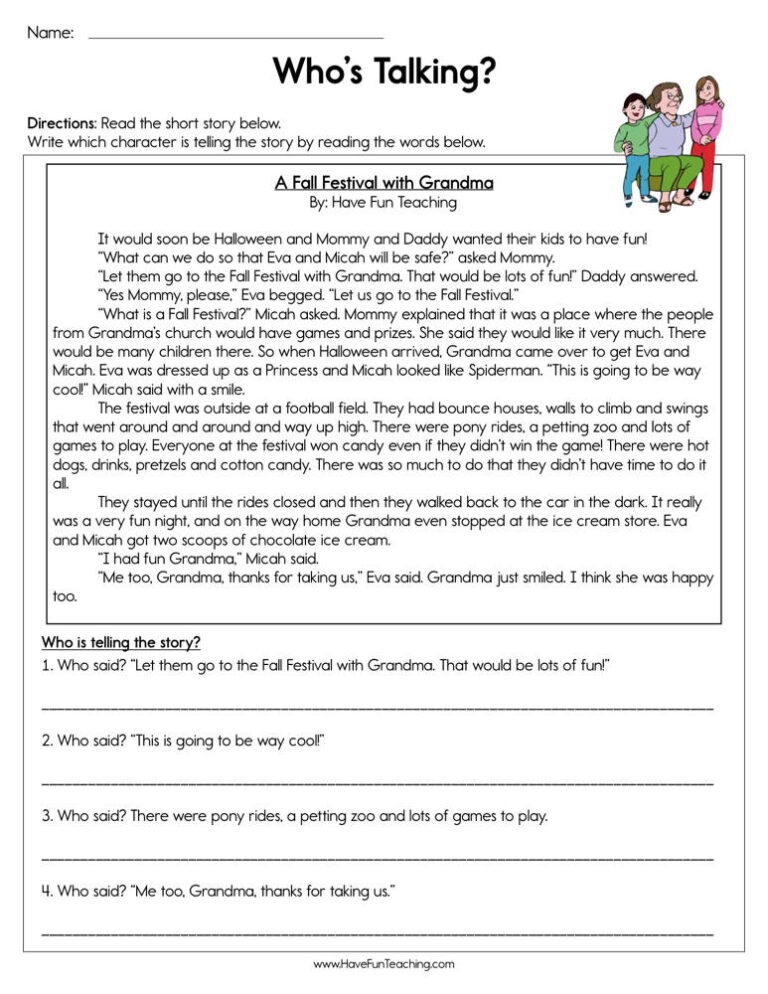
This Who's Talking Worksheet asks 2nd Grade readers to match four quoted lines back to the character who said them, then explain how they knew, with an answer key included.

This What Are Maps Worksheet gives 2nd graders a short informational passage about maps plus four questions and a written response on the main idea. An answer key is included, so checking work takes seconds.




Reviews
There are no reviews yet