

Customs and Cultures Comparison Worksheet
This Customs and Cultures Comparison Worksheet has 3rd graders read about three communities, then chart the food, party, and season for each one. Answer key included — an easy, no-prep way to practice comparing traditions.
$6.97
Or free with a membership — members pay $3.33/mo for all 10,000+ resources. See plans
Want this one free?
Tell us where to send it and it’s yours — no card, no catch.
One free resource per teacher. We’ll also send free teaching ideas each week — unsubscribe anytime.
Teaching is easier with a membership
Unlimited printables, games & videos for PreK–6th — for your classroom or homeschool. Cancel anytime.
Start your 3-day free trial$0 today · cancel anytime · Instant access to 10,000+ resources
About this resource
Description
Every community has its own customs — the foods families cook, the parties they hold, and the music they play together. Learning to notice those customs, and to compare them side by side, helps children see that people around the world do many of the same things in their own special ways. This Customs and Cultures Comparison Worksheet gives 3rd graders a short, friendly reading passage about three communities and a simple chart for lining up what they learn.
Students begin by reading three short paragraphs about people in Mexico, Japan, and Italy. Each paragraph names a favorite food, a special party, and the season when that party happens. Then they fill in a nine-box comparison chart, writing the food, the party, and the season for each community. Two short-answer questions finish this 3rd grade community worksheet by asking students to compare across the chart rather than copy a single line. Use it as an independent social studies center, a partner activity, or a quick review before a unit test on communities and traditions.
What’s Included
- 1 print-ready PDF worksheet
- Answer key
- 1 on-grade reading passage about three communities
- 1 nine-box comparison chart to fill in
- 2 compare-and-explain short-answer questions
Three things make this customs and cultures comparison worksheet work well in a 3rd grade classroom. First, the passage is written on grade level, so students can read it independently and still meet real content vocabulary like customs, harvest, and fiesta. Second, the chart turns reading into organizing — students have to find each fact and place it in the right box, which is exactly the skill a comparison question on a state test asks for. Third, the closing questions reward students who look across all three columns, so finishing the chart carefully actually pays off.
Keep the conversation going after the page is done. Invite students to add a fourth column for their own family or community and fill in the same three rows. Bring in a world map and put a pin in Mexico, Japan, and Italy, then talk about what the weather is like when each party happens. Ask families to share one food, one celebration, and one song from home, and build a class chart on chart paper. You can also play the instruments shown on the page — a trumpet, a bamboo flute, and an accordion — in short listening clips so students hear how each one sounds.
Related Resources
What teachers say
Reviews
You must be logged in to post a review.

This my culture worksheet gives 3rd graders a six-part chart for their own family's food, language, songs, and celebrations, plus two writing prompts about sharing culture in their community.
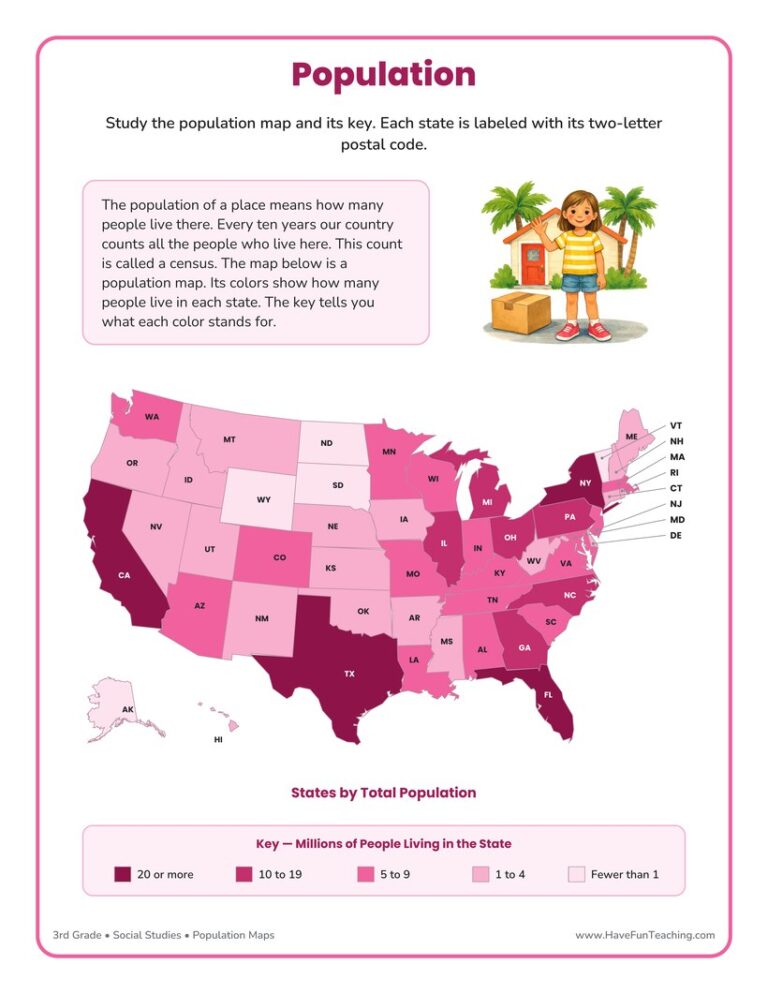
Students read a full-color U.S. population map worksheet, use the map key to compare states, and explain their thinking. Built for 3rd grade with a complete answer key - no-prep geography practice.
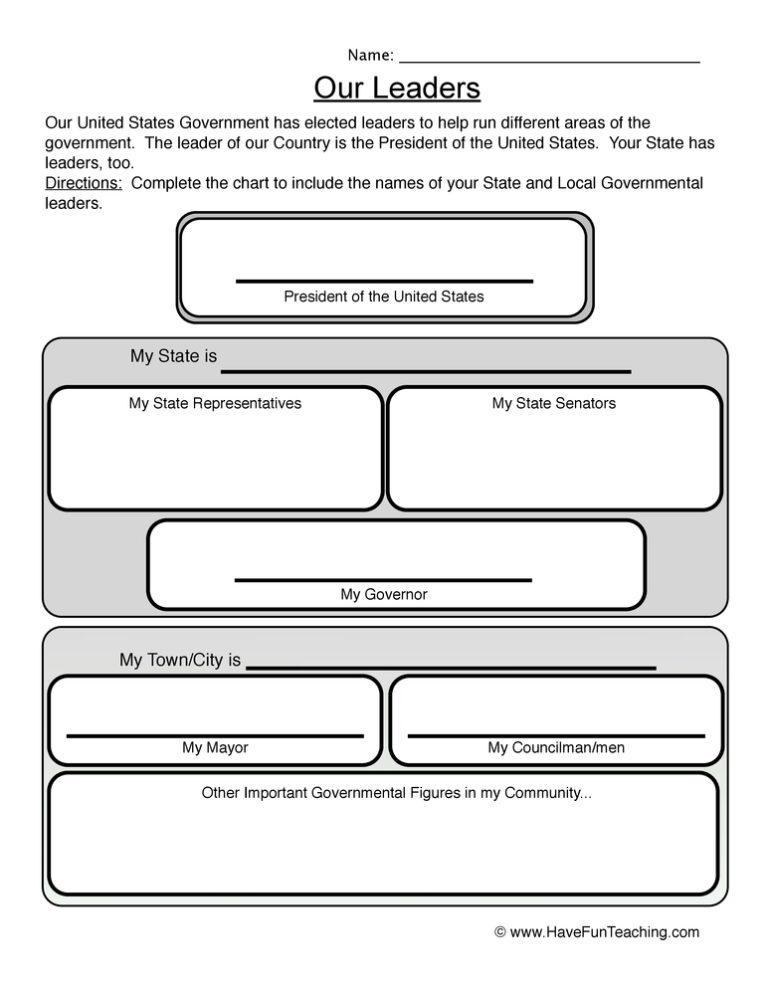
This Our Leaders Worksheet has 3rd graders match the President, governor, mayor, senator and judge to the people each one serves, then apply it to real situations. Answer key included for fast, no-prep civics practice.
The Community Song teaches kids how to be a good citizen in the community. This is a fun citizenship song that teaches kids about being a citizen and being part of their community.

Using the Going Green Song (Animated Music Video), students learn all about ways to reduce, reuse, and recycle and so much more through a catchy video!

This good citizenship worksheet has 3rd graders match six citizenship traits to their meanings, name the trait in three illustrated people examples, and explain their thinking. Answer key included for fast, no-prep character education practice.

Using the Caring Song, students learn how to care for others at home. This song will help build confidence and your kids will want to show kindness to others. Our students need a lot of practice and examples of how to treat each other kindly. This song will help your…

My Neighborhood Worksheet gives 3rd Grade students an on-level passage about neighborhoods, landmarks, and community workers, plus matching and writing practice. Answer key included, so checking work takes seconds.

This economy worksheet helps 3rd graders sort out producers, consumers, goods, and services with a word bank and a short town story. Answer key included, so it is ready for no-prep social studies practice.

Using Good Citizenship Examples Worksheet, students write examples of how to be a good citizen at home, school, and in the community.
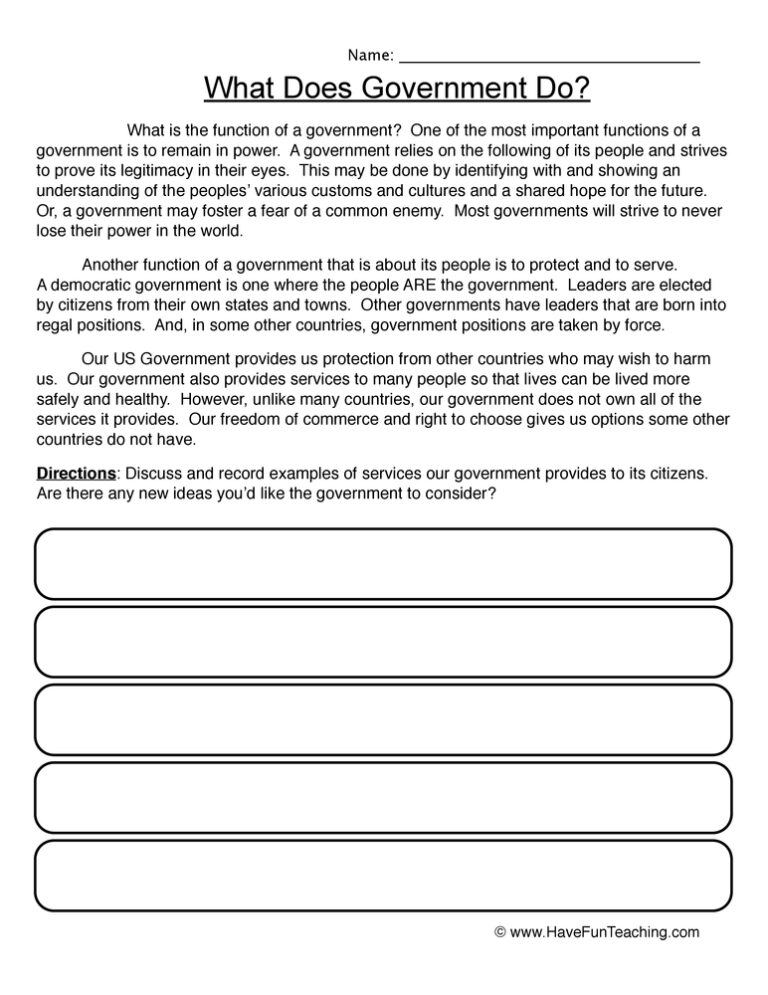
This Government Functions Worksheet asks 3rd grade students to finish four sentences about town services, then circle the three things a town pays for. An answer key is included for quick marking.
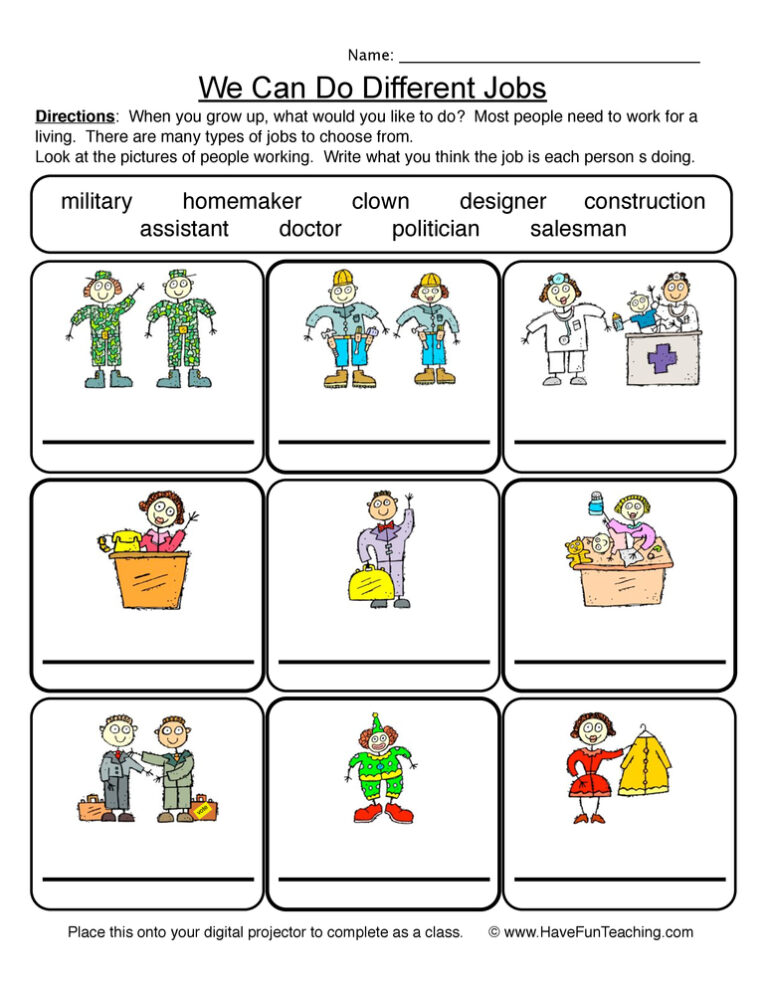
This identifying careers worksheet has 3rd grade students match community workers to the jobs they do using a word box and clue lines. An answer key is included for quick, easy checking.




Reviews
There are no reviews yet