
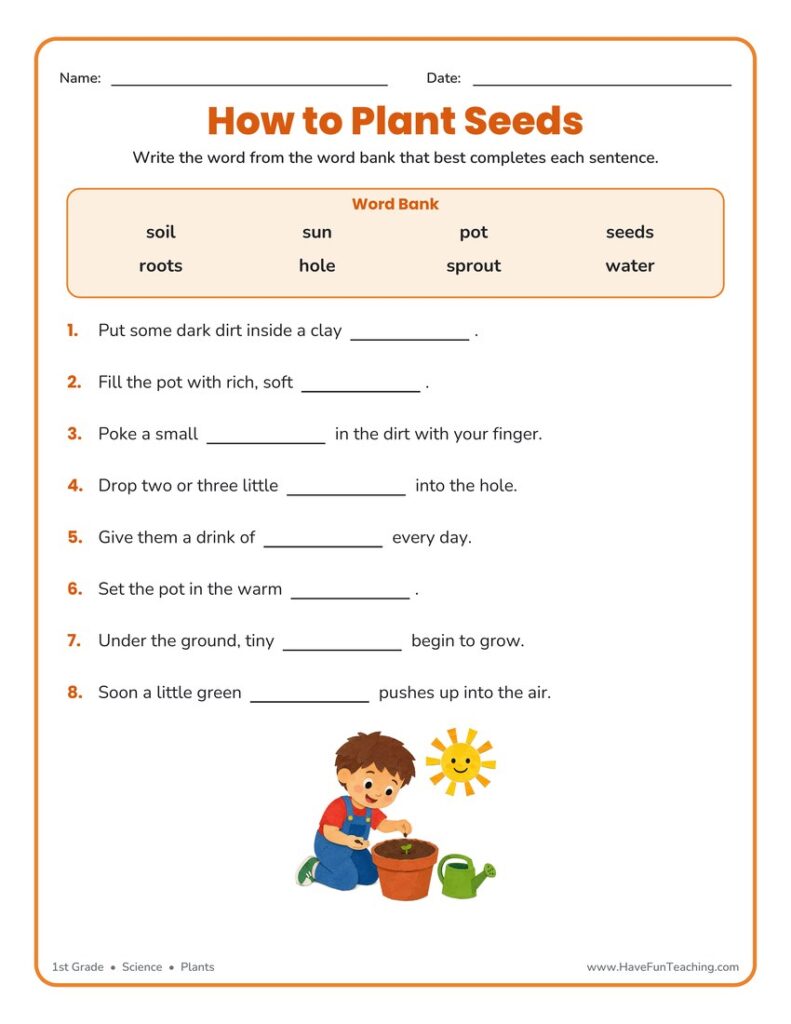
Seeds Plants Fill in the Blanks Worksheet
This Seeds Plants Fill in the Blanks Worksheet lets 1st graders use a word bank to complete eight sentences about how to plant a seed and help it grow. An answer key is included for quick, no-prep science practice.
$6.97
Or free with a membership — members pay $3.33/mo for all 10,000+ resources. See plans
Want this one free?
Tell us where to send it and it’s yours — no card, no catch.
One free resource per teacher. We’ll also send free teaching ideas each week — unsubscribe anytime.
Teaching is easier with a membership
Unlimited printables, games & videos for PreK–6th — for your classroom or homeschool. Cancel anytime.
Start your 3-day free trial$0 today · cancel anytime · Instant access to 10,000+ resources
About this resource
Description
The Seeds Plants Fill in the Blanks Worksheet introduces first graders to the simple steps of planting a seed and watching it grow. From filling a pot with soil to giving a brand-new sprout water and sunshine, this worksheet turns a favorite science topic into an easy reading and vocabulary activity that builds early life science understanding and a love of nature.
This how to plant seeds worksheet gives students a word bank of eight science words and eight short, friendly sentences to complete. Children read each sentence, choose the word that best fits the blank, and write it neatly on the line. Use it during a plants or life cycle unit, pair it with a hands-on seed-planting project, set it up as a quiet literacy center, or send it home for extra at-home science practice.
What’s Included
- 1 print-ready PDF worksheet
- Answer key
- A word bank plus 8 fill-in-the-blank sentences about planting seeds
There are three big reasons the Seeds Plants Fill in the Blanks Worksheet works so well in the classroom and at home. First, it connects new science vocabulary—words like soil, roots, and sprout—to a real-world process children can picture and try themselves. Second, the word bank gives just enough support so beginning readers can complete the page with confidence and independence. Third, the built-in answer key makes checking work quick and stress-free for busy teachers and parents.
For even more fun, plant real seeds in a clear cup so students can watch the roots and sprout appear over time, then have them label each stage they see. Encourage children to draw and caption their own planting steps, act out the sequence with motions, or start a classroom garden journal. Reading the sentences aloud together also builds reading fluency while reinforcing the correct order of how a plant grows.
Related Resources
What teachers say
Reviews
You must be logged in to post a review.
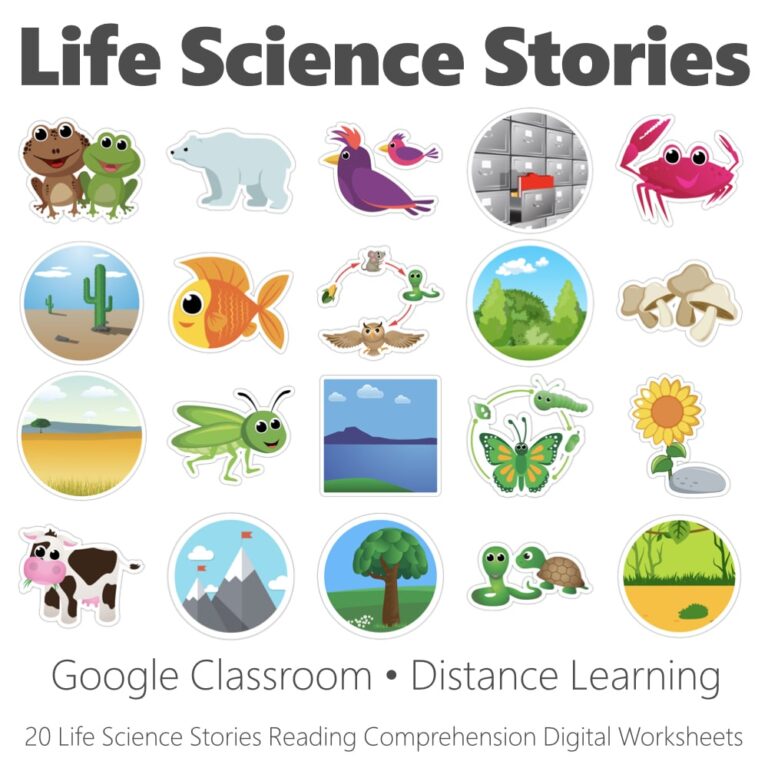
The Life Science Stories Reading Comprehension Digital Worksheet Collection has online digital worksheets for Google Classroom & online distance learning.
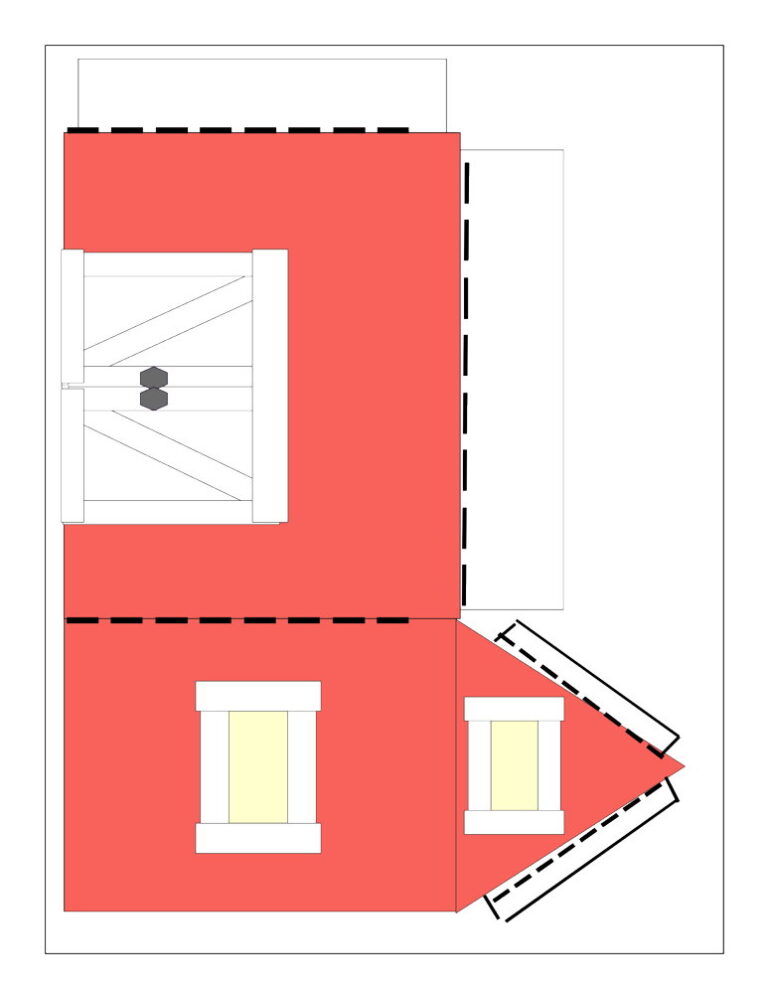
Using these Barn Cut Out, students can create a 3-D barn model by simply cutting and gluing this template.
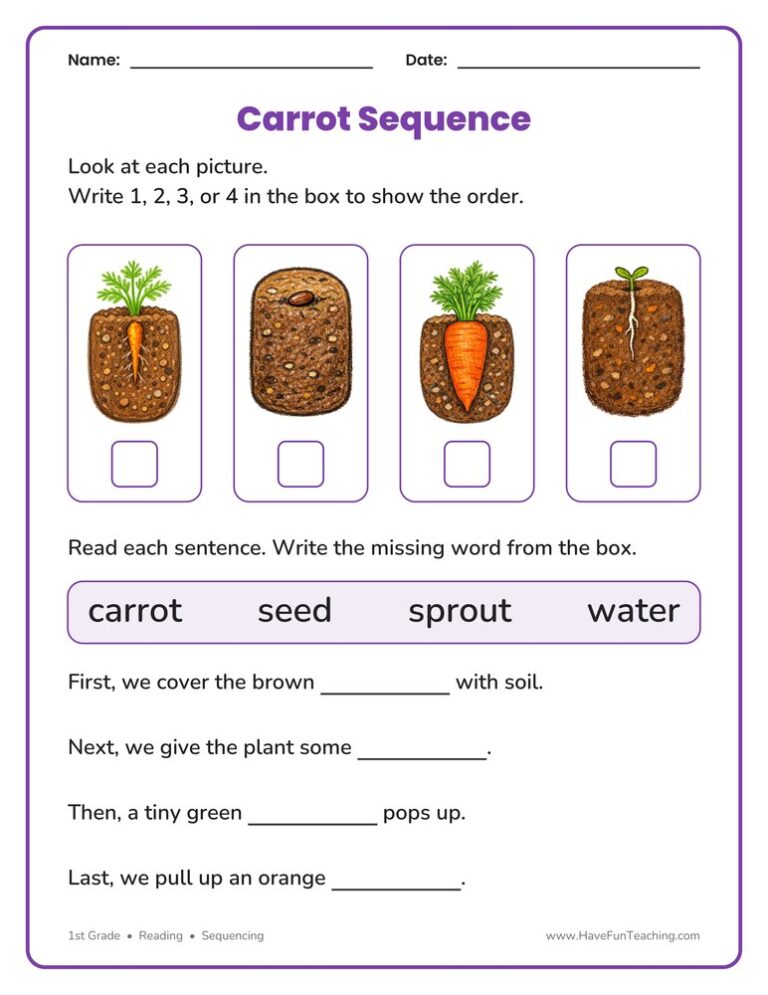
The Planting A Carrot Seed Sequencing Worksheet gives first grade students four carrot pictures to put in order and four sentences to finish from a word box. Answer key included, so it marks in seconds.
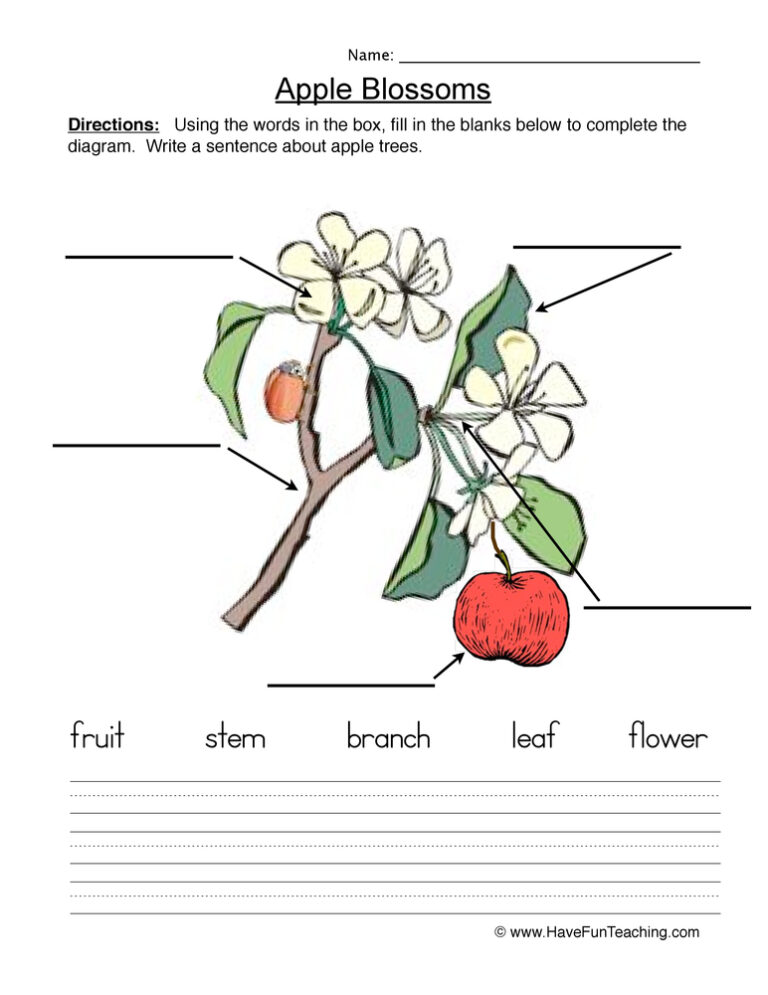
A label a plant worksheet for 1st grade: students name the branch, leaf, stem, flower, and fruit on an apple branch, then write a sentence. Answer key included for quick checking.
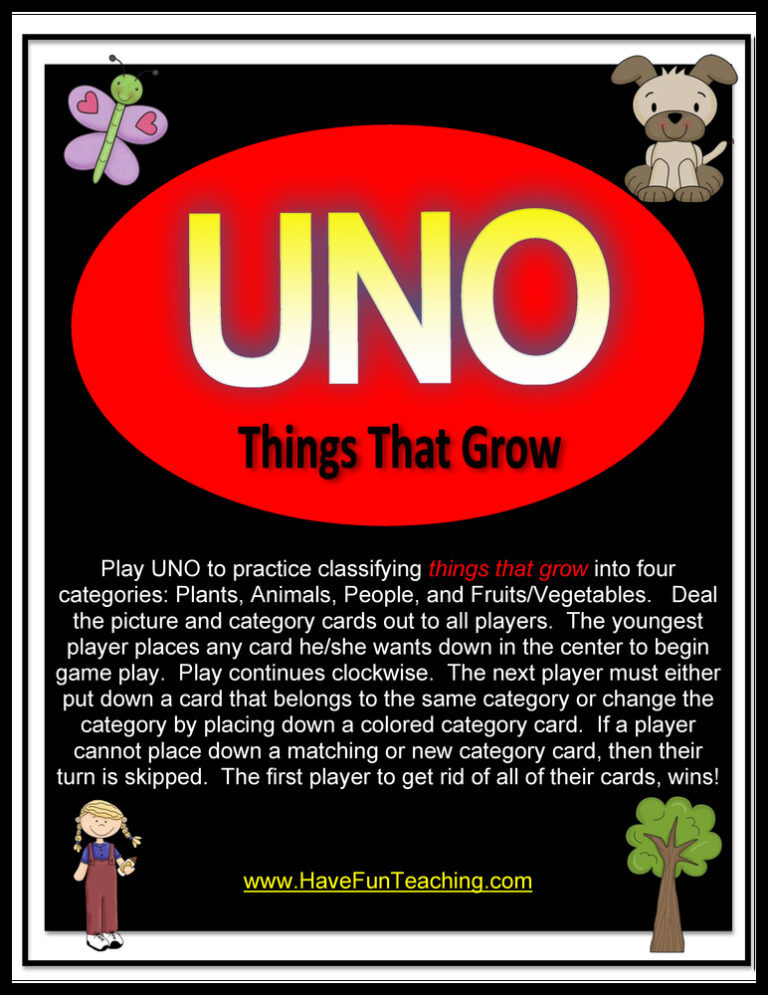
Using Things That Grow Activity, students play UNO to practice classifying things that grow into four categories.
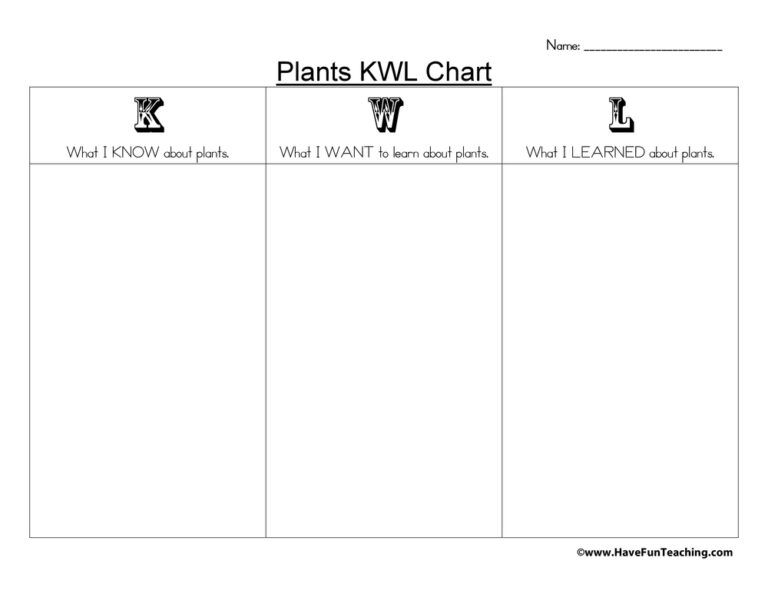
Using Plants KWL Graphic Organizer, students use the graphic organizer to record what they know, want to know and then learn about plants.

This Life Cycles Reading Comprehension Digital Worksheet is an online digital worksheet for Google Classroom & online distance learning.

Using this Labeling Life Cycles Worksheet, students label the stages of the life cycle of a frog and a chicken.

Using Seeds Draw and Write Worksheet, students draw the seeds and plants, then write about the process for growing a plant.
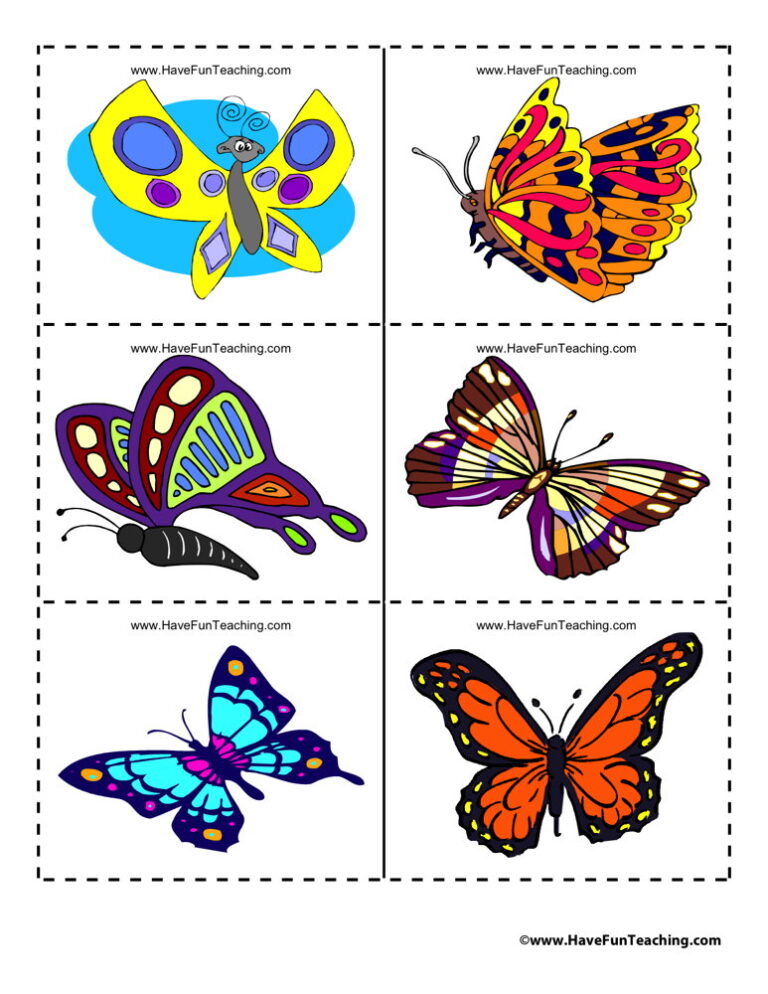
This Butterfly Clip Art is a perfect addition to any bulletin board, flyer, or other printable that you use in your classroom while learning about butterflies.

UsingEarth Day Writing Activity, students brainstorm the sequence of events of a growing seed, then publish using them Earth Day themed writing.

UsingLife Cycle Three Pack Science Life Cycles Activity, students sequence the life cycles of three animals.




Reviews
There are no reviews yet