

Life Cycle of Plants Matching Worksheet
This life cycle of plants matching worksheet has 3rd grade students match four pictures to the seed, sprout, seedling, and adult plant stages, then answer three questions in writing. Answer key included.
$6.97
Or free with a membership — members pay $3.33/mo for all 10,000+ resources. See plans
Want this one free?
Tell us where to send it and it’s yours — no card, no catch.
One free resource per teacher. We’ll also send free teaching ideas each week — unsubscribe anytime.
Teaching is easier with a membership
Unlimited printables, games & videos for PreK–6th — for your classroom or homeschool. Cancel anytime.
Start your 3-day free trial$0 today · cancel anytime · Instant access to 10,000+ resources
About this resource
Description
Every flowering plant travels the same four-step road: a seed, a sprout, a seedling, and an adult plant that flowers and makes seeds of its own. Third graders can often recite that list and still stumble when they are shown the stages out of order, because reciting a sequence and recognizing one are different skills. This life cycle of plants matching worksheet asks for the second one. Four pictures sit at the top of the page in scrambled order, and the student has to look at each one, decide which stage it shows, and prove it by writing the letter beside the right description.
Part A gives the four stages down the page in true life-cycle order — seed, sprout, seedling, adult plant — each with a one-sentence description and a box to write a picture letter in. The pictures are deliberately not in that order, so position never gives the answer away and the student has to read. Each description also carries the vocabulary in context: germinates is defined right in the sentence that uses it, and seedling is described rather than assumed. Part B then turns the matching into thinking. Three short questions ask what a seed needs before it grows, how a seedling differs from an adult plant, and why an adult plant makes new seeds — each with two full writing lines, and each with a model answer on the key. That written half is what makes this a 3rd grade life cycle worksheet rather than a picture-labeling page.
What’s Included
- 1 print-ready PDF worksheet
- Answer key with the four matches and a model answer for every question
- 4 picture matches plus 3 written-response questions, 7 items in all
Three things make this page work for third graders. First, the pictures carry the science: each one shows a single clear stage — a whole seed, a split seed with its first white root, a young plant with its first leaves, a grown plant in flower — so a student who cannot yet spell germination can still show what he knows. Second, only one picture can honestly answer each description, so the matching has real answers a teacher can grade quickly. Third, the three questions move the lesson from naming to explaining, which is exactly the step third-grade science standards ask for when students describe how organisms grow and change. Used beside a bean-sprouting unit or a science notebook, this life cycle of plants matching worksheet gives students a short, concrete page they can finish in about fifteen minutes.
Try a few other ways to make the plant life cycle concrete at home or in the classroom. Soak a dry bean overnight, split it open, and let students find the tiny plant folded inside. Start beans in a clear cup lined with a damp paper towel so the root and shoot are visible from day one, and photograph the cup every morning for a week. Have students arrange the four picture cards from this page into a circle rather than a line, then talk about why the cycle has no ending. Walk the schoolyard and hunt for one plant at each stage. Finish by having each student draw the four stages of a plant they chose themselves and label every one.
Related Resources
What teachers say
Reviews
You must be logged in to post a review.
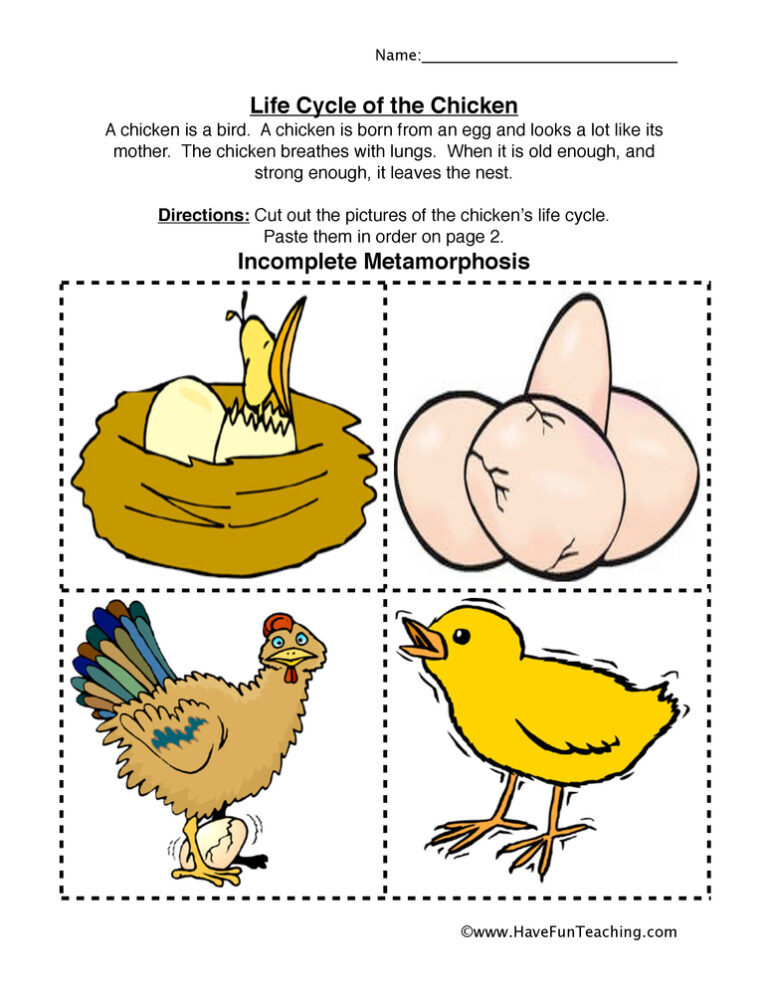
This chicken life cycle worksheet has 3rd grade students match pictures to the egg, hatching, chick, and hen stages and explain each change in writing. An answer key is included.
The Life Science Stories Reading Comprehension Digital Worksheet Collection has online digital worksheets for Google Classroom & online distance learning.
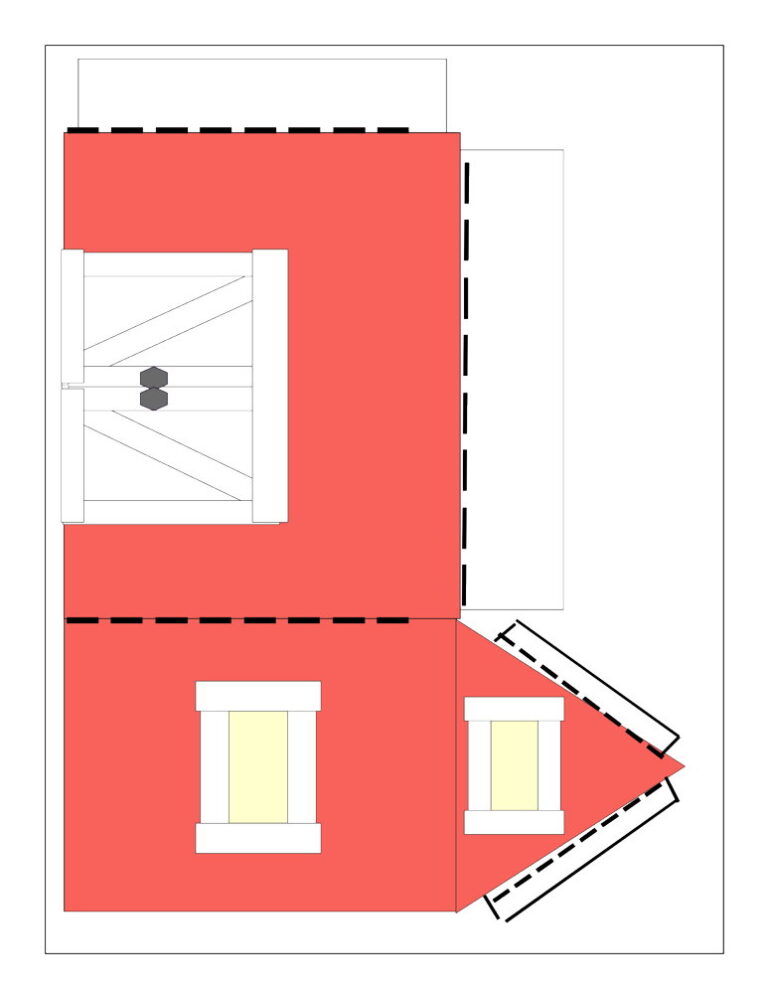
Using these Barn Cut Out, students can create a 3-D barn model by simply cutting and gluing this template.
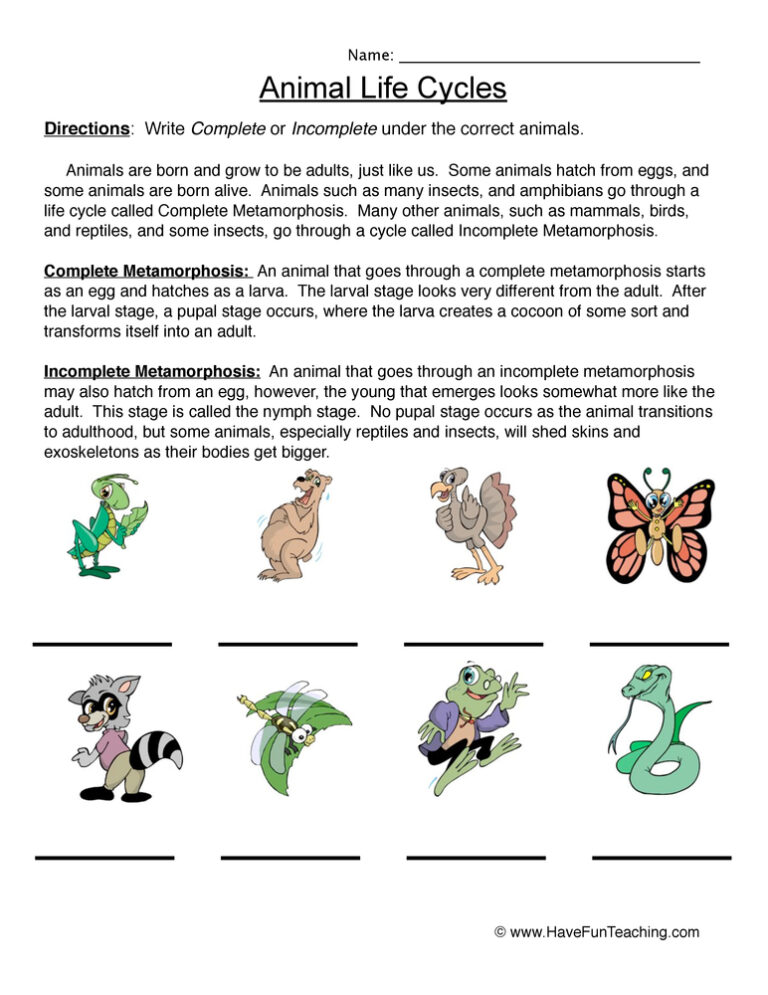
This animal life cycles worksheet has 3rd graders order a butterfly's four stages, sort six insects by complete or incomplete metamorphosis, and explain the difference. Answer key included for fast, no-prep life science practice.

Using this Insect Life Cycles Worksheet, students drawand research the life cycle of two different insects; one that undergoes a complete metamorphosis and incomplete metamorphosis.
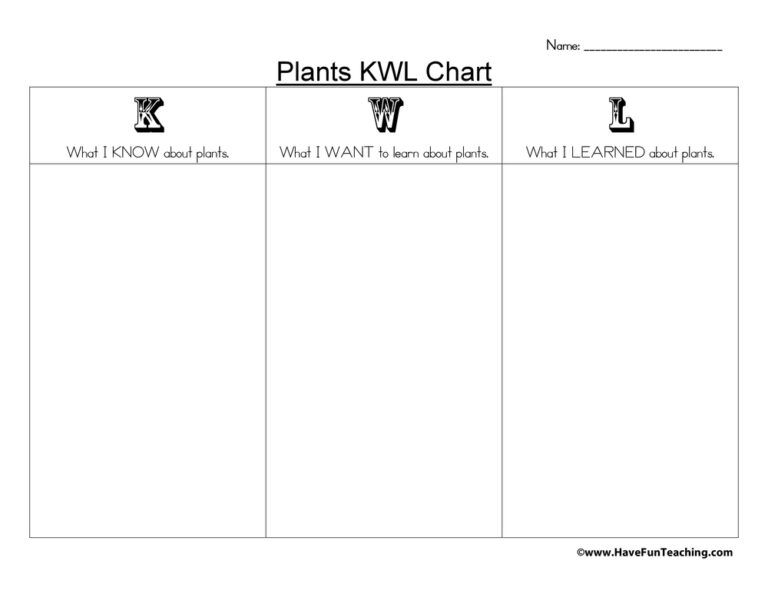
Using Plants KWL Graphic Organizer, students use the graphic organizer to record what they know, want to know and then learn about plants.

This Life Cycles Reading Comprehension Digital Worksheet is an online digital worksheet for Google Classroom & online distance learning.

Using this Labeling Life Cycles Worksheet, students label the stages of the life cycle of a frog and a chicken.
This Butterfly Clip Art is a perfect addition to any bulletin board, flyer, or other printable that you use in your classroom while learning about butterflies.

UsingEarth Day Writing Activity, students brainstorm the sequence of events of a growing seed, then publish using them Earth Day themed writing.
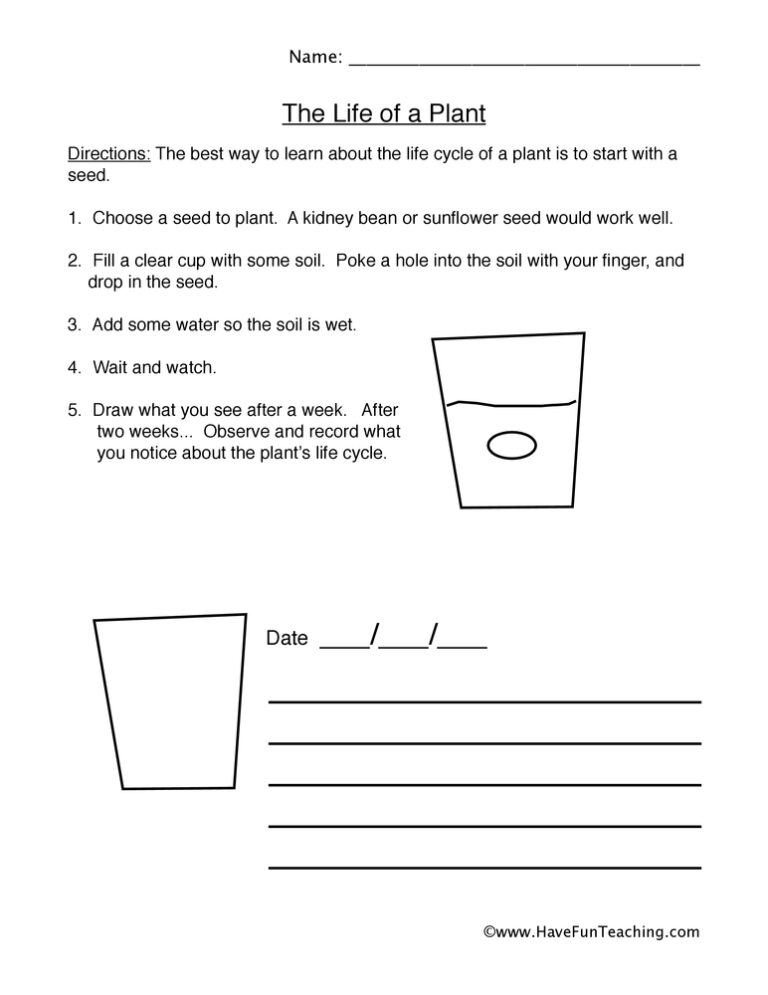
Using Plant Life Cycle Observations Worksheet, students describe and observe the growth of a plant to learn about the life cycle of a plant.
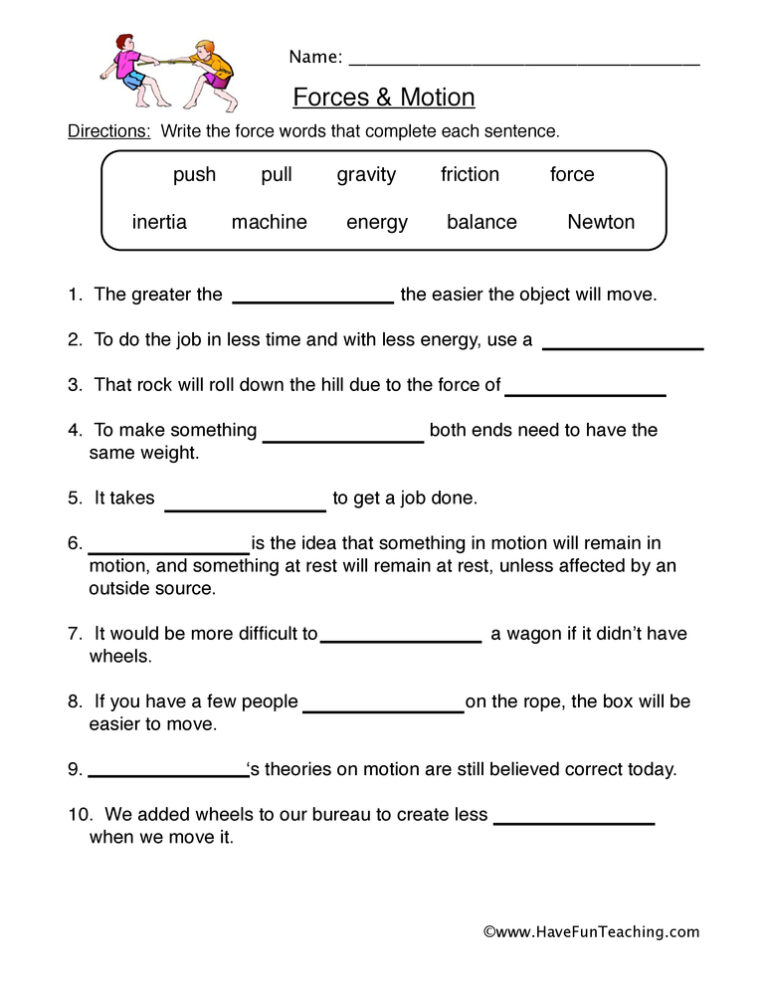
A 3rd grade forces motion worksheet where students use a word bank to complete eight sentences about force, push, pull, gravity, friction, motion, speed, and magnets. Includes an answer key for easy, no-prep science practice.
Reviews
There are no reviews yet