

Spelling Short I Worksheet
This spelling short i worksheet asks 1st graders to name six pictures and write all three letters of each short i word. Answer key included for quick, no-prep phonics practice.
$6.97
Or free with a membership — members pay $3.33/mo for all 10,000+ resources. See plans
Want this one free?
Tell us where to send it and it’s yours — no card, no catch.
One free resource per teacher. We’ll also send free teaching ideas each week — unsubscribe anytime.
Teaching is easier with a membership
Unlimited printables, games & videos for PreK–6th — for your classroom or homeschool. Cancel anytime.
Start your 3-day free trial$0 today · cancel anytime · Instant access to 10,000+ resources
About this resource
Description
Short i is the vowel sound a first grader meets in pig, lid and pin, and hearing it is only half the job — the other half is putting the right three letters on the page. This spelling short i worksheet puts both halves in one place. A child looks at a picture, says the word out loud, listens for the beginning sound, the short i in the middle and the ending sound, and then writes each of those three letters on its own line.
This 1st grade short vowel worksheet uses six picture cards, each with three blank lines beneath it. Nothing is filled in, so the student spells the whole word rather than copying a letter that is already there. Say the picture name together the first time through, stretch the word out sound by sound, then let the child write. The pictures are chosen to be nameable one way only — a pig is a pig, a fig is a fig — so the child is never guessing at what the picture is and can put all the effort into the spelling.
What’s Included
- 1 print-ready PDF worksheet
- Answer key
- 6 picture cards with three-letter spelling lines
Three things make this spelling short i worksheet useful in a phonics block. First, writing all three letters turns a listening exercise into real encoding practice, which is the skill that transfers to writing sentences. Second, the words share the short i vowel but spread their consonants across nine different letters, so a child cannot get through the page on one pattern. Third, the picture-to-print step is exactly what a reading assessment asks for, and doing it six times in a row builds the habit quietly.
Teachers and parents can keep the sound going after the page is done. Say a short i word and have the child tap out the three sounds on their fingers before writing it. Hunt for short i words around the room — lid, bin, dish, milk, zip. Write the six words on cards, mix them up and match them back to the pictures. At home, let a child label a drawing with a short i word they can now spell. A few minutes a day of sounding out and writing does more than a long worksheet once a week.
Related Resources
What teachers say
Reviews
You must be logged in to post a review.
The Letter A Song (Original Music Video) will help students learn all about the letter by watching a video about letter sounds, vocabulary words, and letter formation.

The Baby Shark Alphabet Song (Animated Music Video) will help students learn letter names and sounds by listening to the catchy lyrics and colorful video.
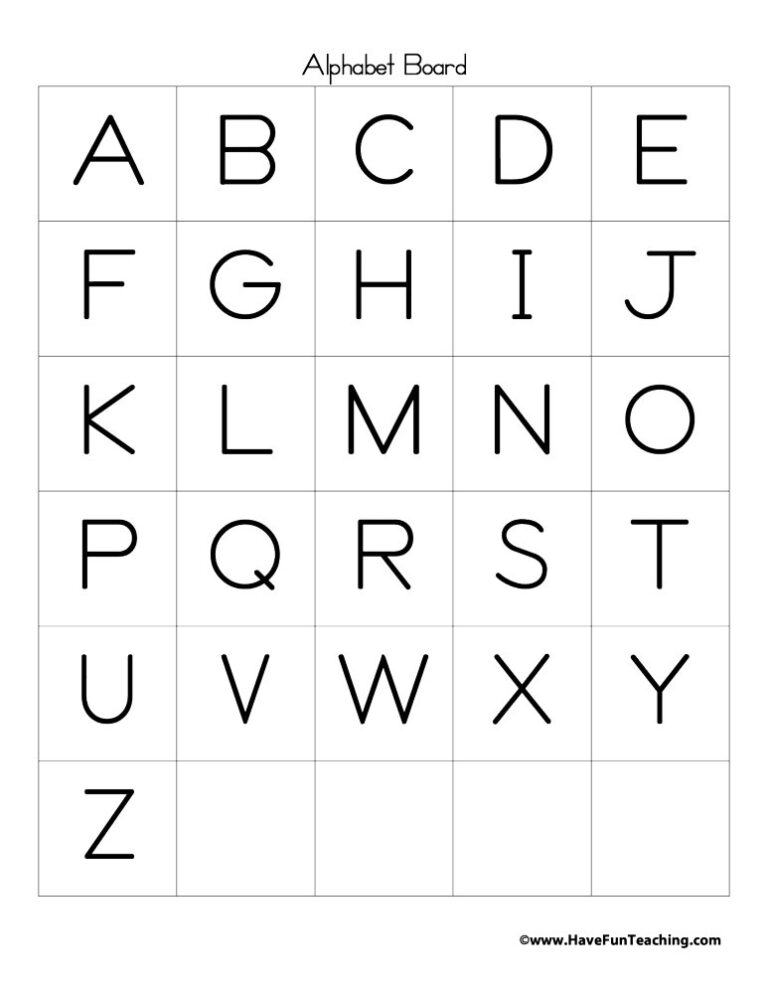

The Alphabet Song (Animated Music Video) will help students learn letter names and sounds by listening to the catchy lyrics and colorful video.
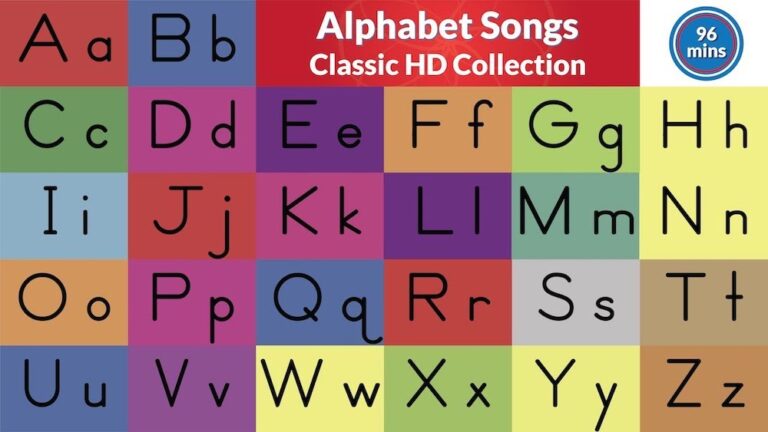
The Alphabet Songs Collection - Classic will help your kids gain a better understanding of letter names and sounds by listening to these ABC Songs.

The Alphabet Songs Pack - Animated will help support your visual learners gain a better understanding of letter names and sounds by listening to this song.

The Letter H Song (Original Music Video) will help students learn all about the letter by watching a video about letter sounds, vocabulary words, and letter formation.

The Letter B Song (Original Music Video) will help students learn all about the letter by watching a video about letter sounds, vocabulary words, and letter formation.

These Zaner Bloser Color Alphabet Flash Cards support students' recognition of both upper and lower case ABC letters using this classic school font.

The Letter J Song (Original Music Video) will help students learn all about the letter by watching a video about letter sounds, vocabulary words, and letter formation.

The Letter M Song (Original Music Video) will help students learn all about the letter by watching a video about letter sounds, vocabulary words, and letter formation.




Reviews
There are no reviews yet