
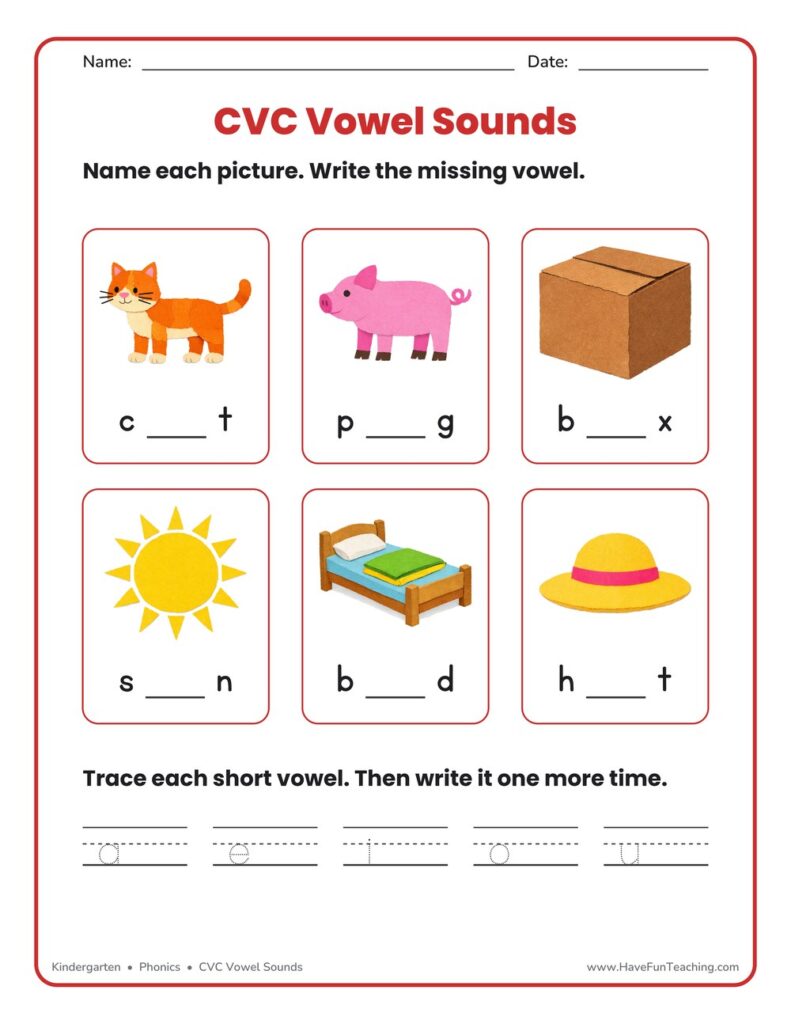
CVC Vowel Sounds Worksheet
This CVC vowel sounds worksheet asks Kindergarten students to name six pictures and write the short vowel they hear in the middle. Answer key included, so beginning readers get quick, no-prep practice hearing every short vowel.
$6.97
Or free with a membership — members pay $3.33/mo for all 10,000+ resources. See plans
Want this one free?
Tell us where to send it and it’s yours — no card, no catch.
One free resource per teacher. We’ll also send free teaching ideas each week — unsubscribe anytime.
Teaching is easier with a membership
Unlimited printables, games & videos for PreK–6th — for your classroom or homeschool. Cancel anytime.
Start your 3-day free trial$0 today · cancel anytime · Instant access to 10,000+ resources
About this resource
Description
Short vowel sounds sit right in the middle of every CVC word, and hearing that middle sound is the step that turns letter knowledge into real reading. A Kindergarten student who can say cat slowly and pick out the /a/ in the middle is ready to blend, spell, and decode dozens of new words. This CVC vowel sounds worksheet gives that skill a clear, focused workout: the child names a picture, stretches the word out loud, and writes the one short vowel letter that belongs between the first and last sound.
Every picture on this short vowel sounds worksheet was chosen to be easy for a young child to name on sight, so nothing gets in the way of the listening work. Six picture cards each show a familiar object with its first and last letter already printed and a wide blank line waiting in the middle. Say the picture name together, stretch it out slowly, and let the child write the vowel they hear. The bottom of the page adds a handwriting strip where all five short vowels are traced and then written again, so letter formation is practiced right alongside the sound.
What’s Included
- 1 print-ready PDF worksheet
- Answer key
- 6 picture-and-vowel activities plus a 5-letter vowel tracing strip
There are three reasons this CVC vowel sounds worksheet helps Kindergarten students learn so quickly. First, it isolates one job at a time: the first and last letters are already given, so all of the child’s attention lands on the medial vowel, which is the hardest sound for a beginner to hear. Second, the pictures carry the meaning, so a student who cannot yet read the word can still complete the task by listening, which keeps early readers confident instead of stuck. Third, all five short vowels appear on one page, so the child compares /a/, /e/, /i/, /o/, and /u/ side by side and begins to notice how each one feels different in the mouth.
Teachers and parents can stretch this skill well beyond the page. Try a vowel sound hunt around the room, calling out objects and sorting them by the middle sound you hear. Build words with letter tiles or magnetic letters, keeping the first and last letters fixed while swapping only the vowel to make cat, cot, and cut. Clap the three sounds in a word and hold up a finger for each one, then ask which finger is the vowel. Read a favorite picture book and pause on short CVC words, letting your child call out the middle sound before you turn the page. A few minutes of playful listening each day builds the phonemic awareness that every later reading skill depends on.
Related Resources
What teachers say
Reviews
You must be logged in to post a review.

This CVC Word Sounds Worksheet has Kindergarten readers say six pictures and fill in the bubble beside the CVC word with the matching sounds. Answer key included for quick, no-prep phonics practice.
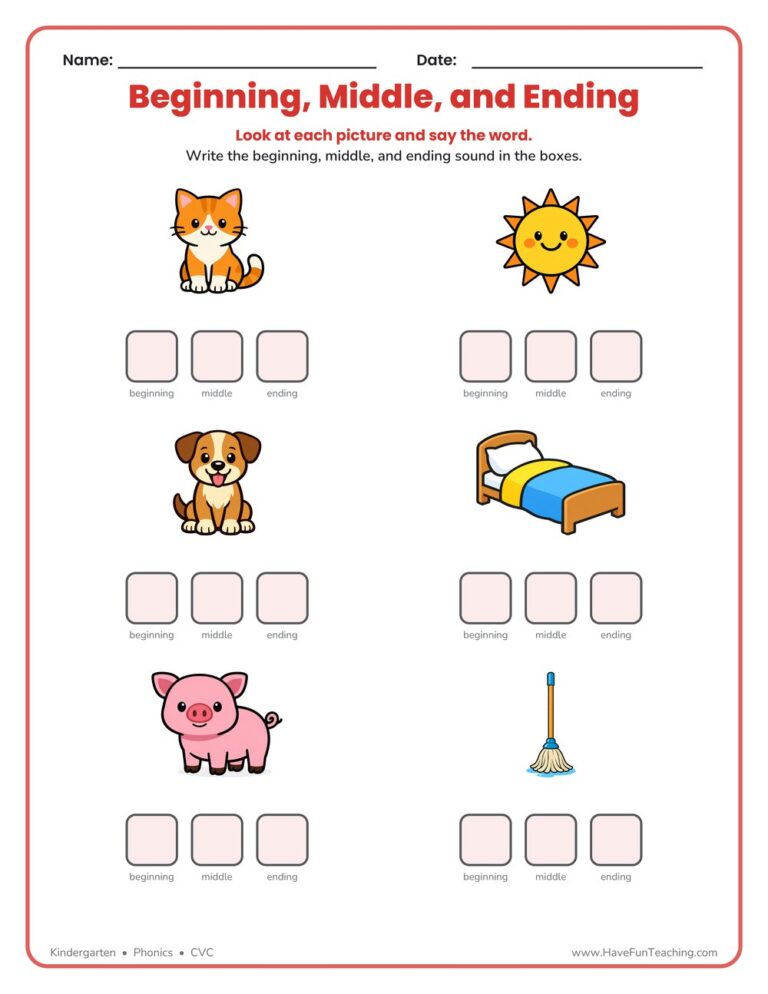
This Beginning, Middle, and Ending Sounds Worksheet helps kindergarten learners break six CVC picture words into their beginning, middle, and ending sounds. Answer key included—great no-prep phonics practice.

A picture-clue Spelling CVC Words Worksheet that helps kindergarten students hear and write the beginning, middle, and ending sounds in simple three-letter words. Answer key included for quick, no-prep phonics practice.
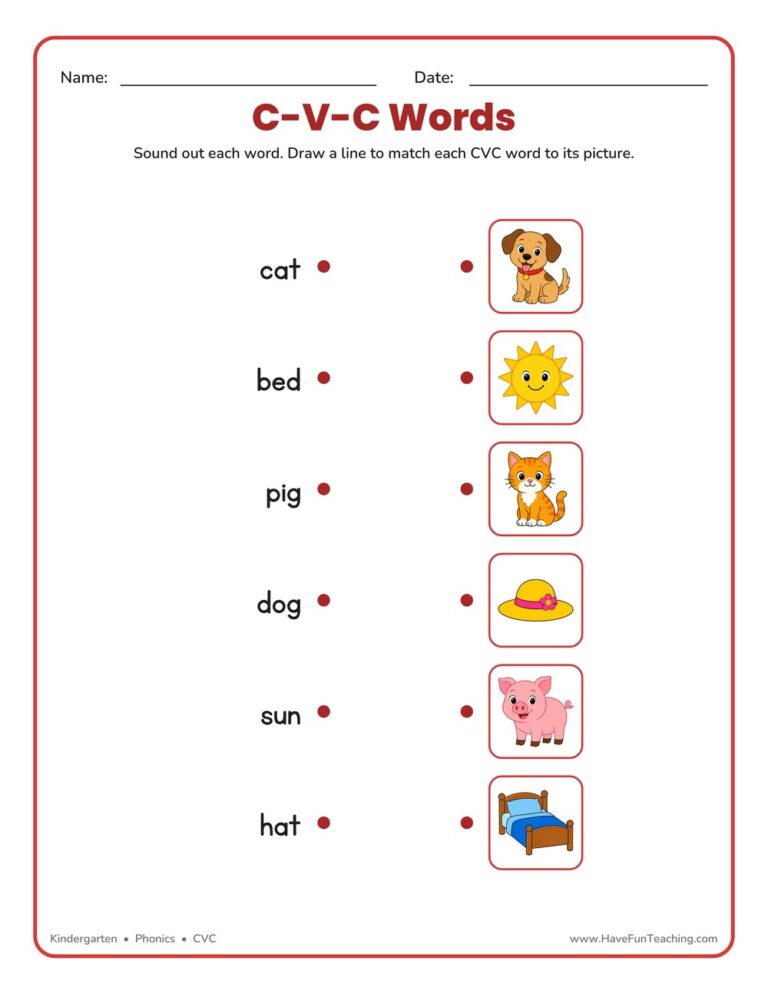
A matching CVC worksheet where kindergarten readers sound out six short words and draw a line to each picture. Includes an answer key — perfect for no-prep phonics and early decoding practice.
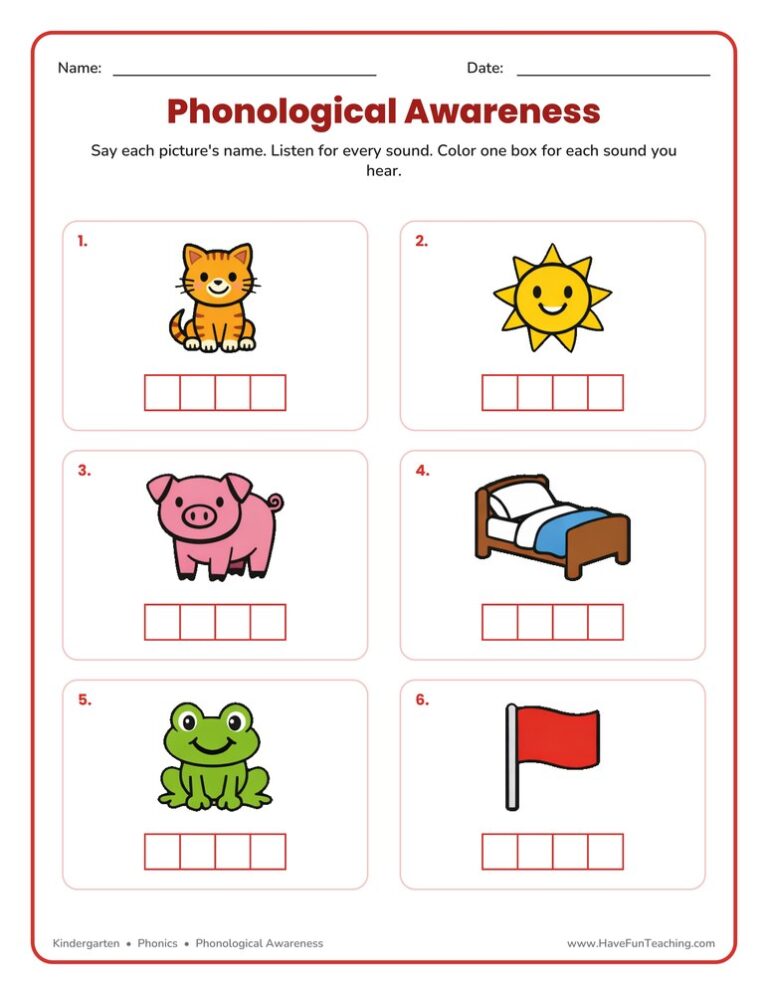
This phonological awareness worksheet helps Kindergarten students listen for each sound in a word and color one box per sound they hear. Includes a complete answer key for easy, no-prep practice of early phonics and phoneme skills.
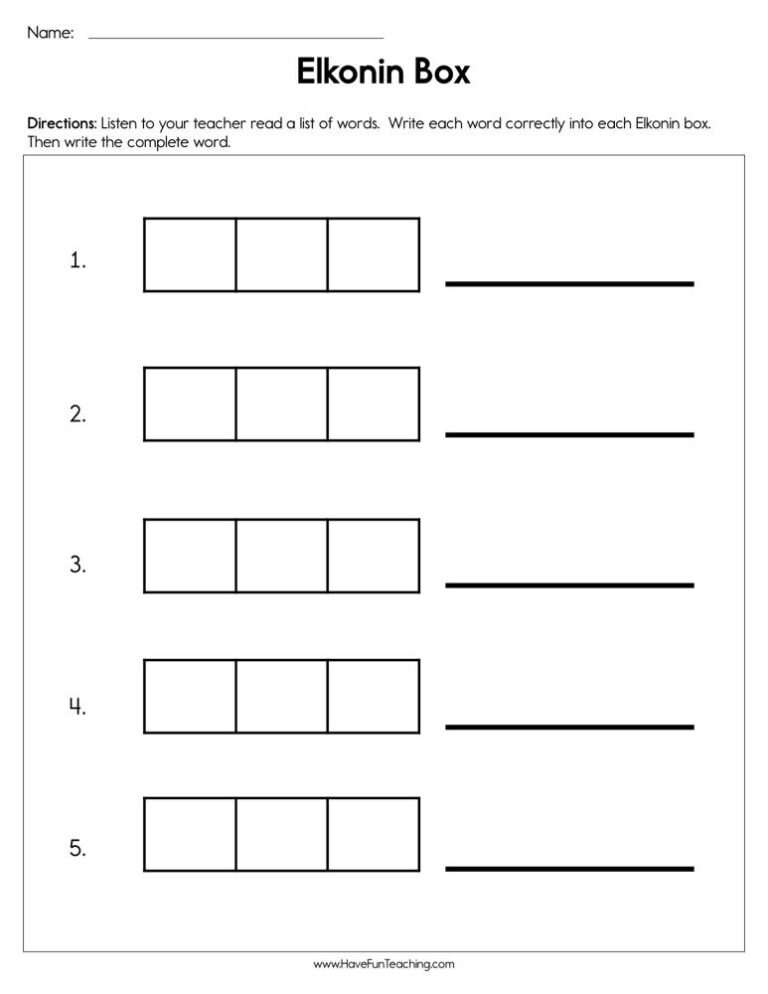
This Elkonin Box Worksheet gives Kindergarten students seven picture prompts and three-cell sound boxes for segmenting CVC words into beginning, middle, and ending sounds. Answer key included, so practice takes no prep.

The Short O Words Beginning and Ending Sounds Worksheet gives kindergarten students six short o picture cards. The vowel is printed for them, so they write only the first and the last letter. Answer key included.
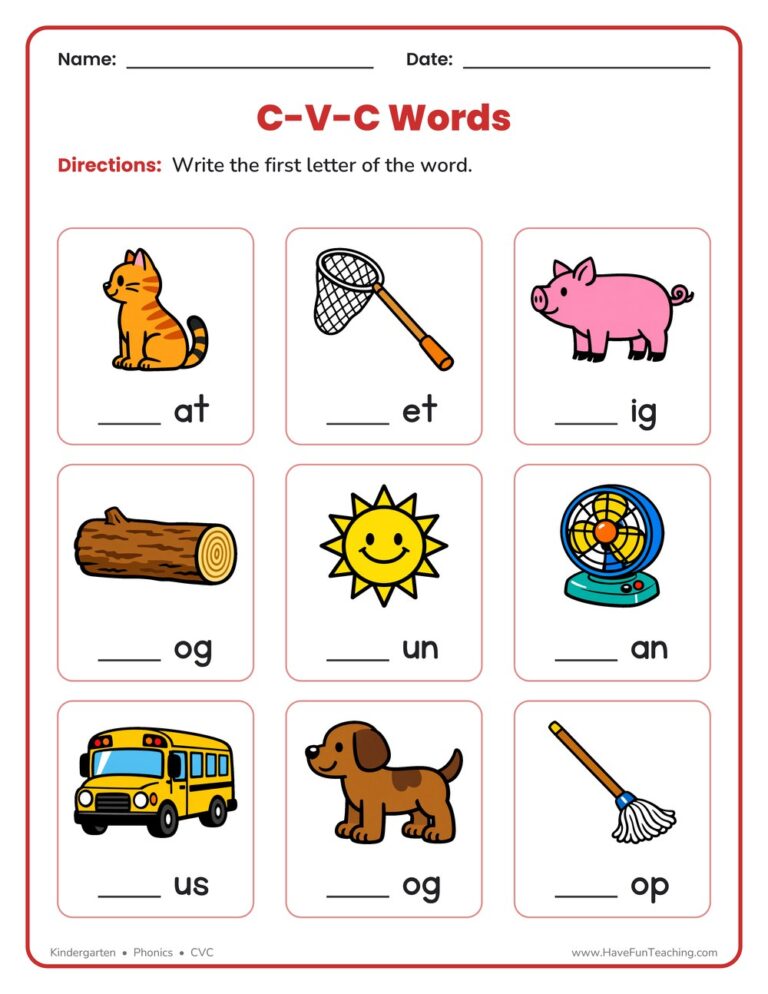
This Fill in the Beginning Letter CVC Words Worksheet gives Kindergarten students nine picture boxes and asks them to write the missing first letter. An answer key is included, so beginning-sound practice takes no prep at all.
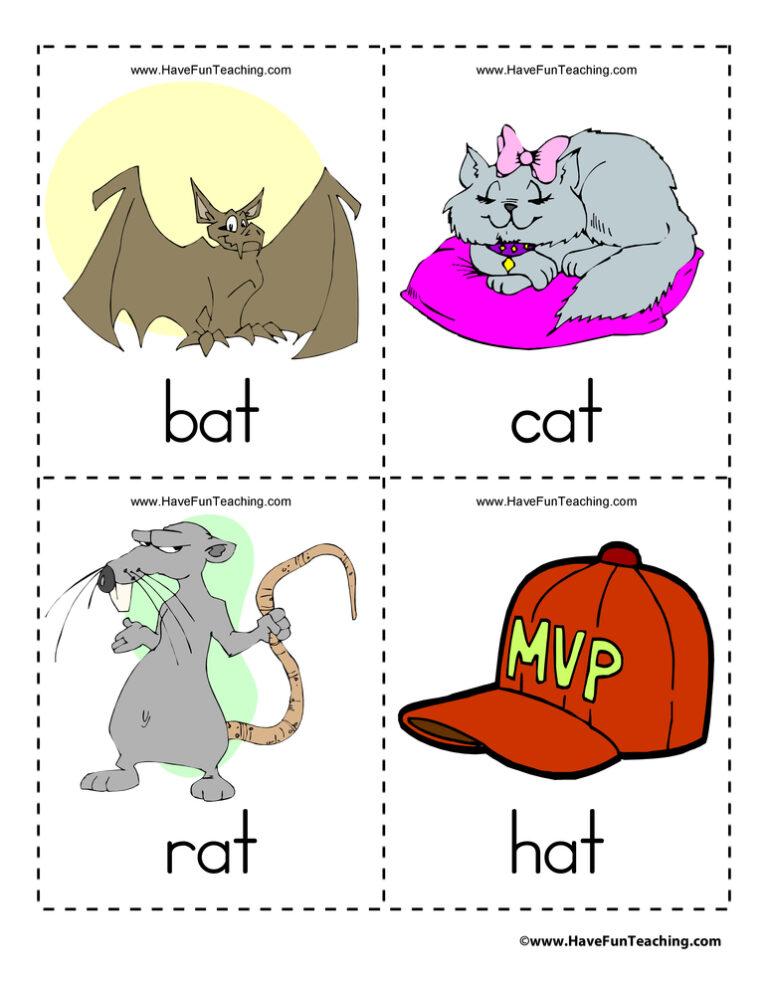
Using Preschool Vocabulary Flash Cards, students improve their vocabulary skills and usage while playing games with cards that include CVC vocabulary words.

The Short U Words Beginning and Ending Sounds Worksheet gives kindergarten students six short u picture cards. The vowel is printed for them, so they write only the first and last letter. Answer key included.
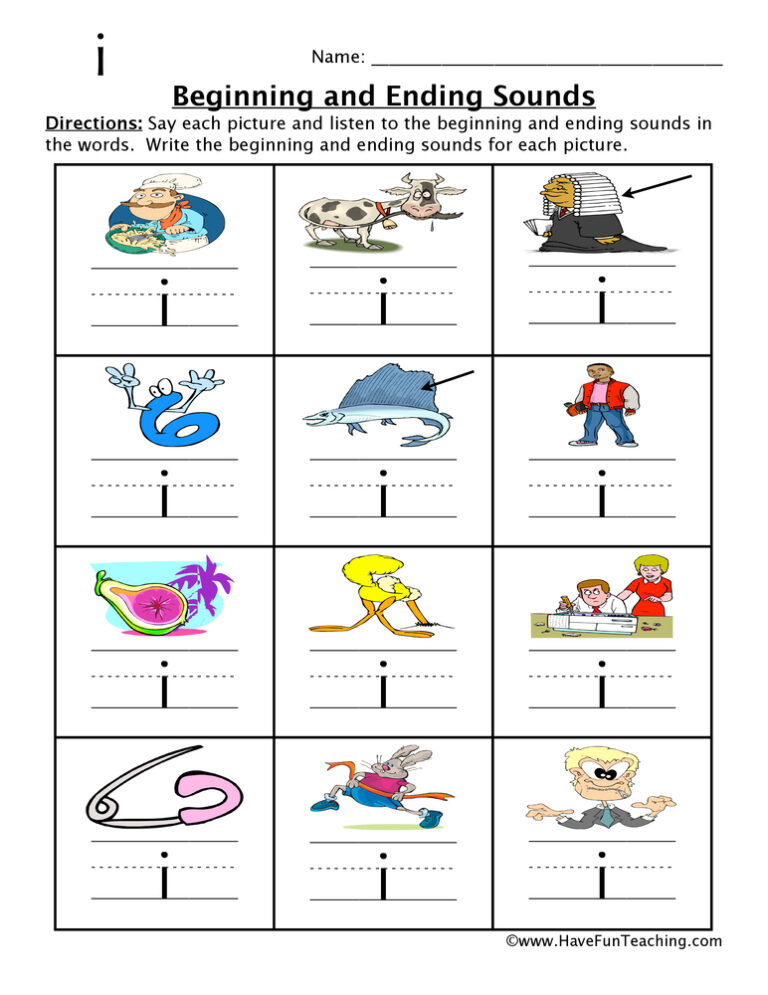
This Short I Words Beginning and Ending Sounds Worksheet has kindergarten students name six pictures and write the first and last letter of each short i word. An answer key is included for fast, no-prep phonics practice.
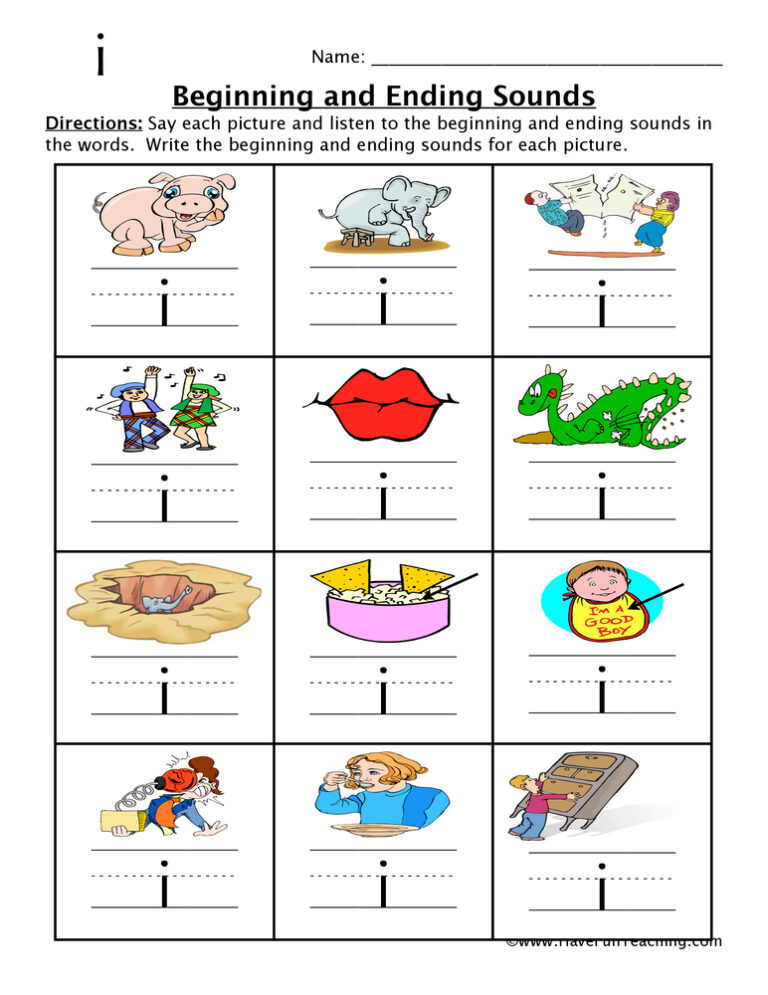
This short i beginning and ending sounds worksheet has Kindergarten readers name six pictures and write the first and last letter of each CVC word. Answer key included for fast, no-prep phonics practice.
Reviews
There are no reviews yet