
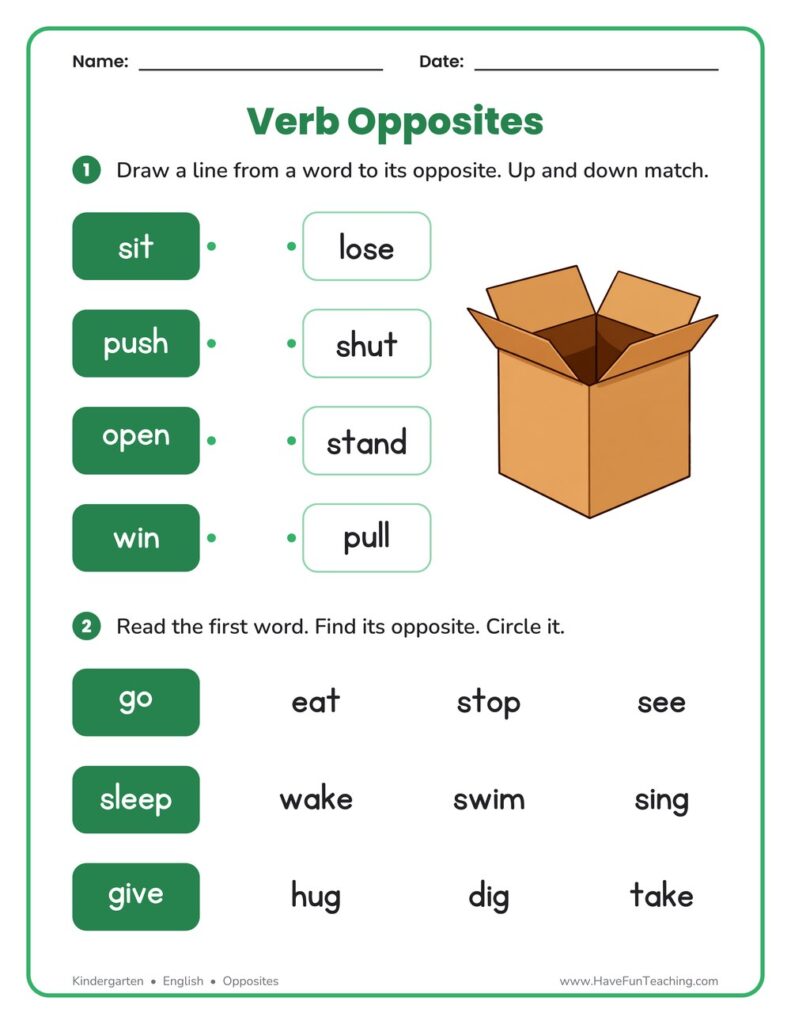
Verb Opposites Worksheet
Kindergarten students practice with this verb opposites worksheet by matching action words like push and pull, then circling opposites. An answer key is included to make checking quick.
$6.97
Or free with a membership — members pay $3.33/mo for all 10,000+ resources. See plans
Want this one free?
Tell us where to send it and it’s yours — no card, no catch.
One free resource per teacher. We’ll also send free teaching ideas each week — unsubscribe anytime.
Teaching is easier with a membership
Unlimited printables, games & videos for PreK–6th — for your classroom or homeschool. Cancel anytime.
Start your 3-day free trial$0 today · cancel anytime · Instant access to 10,000+ resources
About this resource
Description
Verbs are action words, and many verbs have an opposite. Sit and stand, push and pull, and open and shut are all verb opposites. Learning them helps young children build vocabulary and understand how words relate to each other. This verb opposites worksheet gives kindergarten students a simple, fun way to practice.
In the first part, children draw a line from each green action word to its opposite. In the second part, they read a word and circle its opposite from three choices. The big, clear handwriting-style letters are easy for new readers to see. Use this kindergarten antonyms worksheet in a literacy center, for small-group practice, or as homework.
Kindergarten is the right time to start this skill. Young learners are already using these action words every day at home and at school, so the practice feels familiar. Each word on the page is short and easy to sound out, and the same few directions repeat, so children can work on their own after a quick model. When they finish, ask them to read each matched pair out loud to a partner and check that the two actions really are opposite.
What’s Included
- Four verb pairs to match with a line
- Three circle-the-opposite rows
- A cheerful open-box picture that shows the word open
- An answer key
Here are three reasons this verb opposites worksheet helps kids. First, it connects new words to words children already know, which makes vocabulary stick. Second, it builds early reading, because every answer needs a word to be read, not guessed from a picture. Third, thinking about opposites helps children describe actions more clearly when they talk and write.
Teachers and parents can act out each pair together, such as sitting down and then standing up, or pushing and then pulling a chair. Invite children to name other verb opposites they know, like come and go, and draw a picture of one pair.
Related Resources
What teachers say
Reviews
You must be logged in to post a review.

Materials available in this Opposites Lesson Plan include Opposites Flash Cards, and Opposites Worksheets. You will also find Antonyms Worksheets,

An opposites drawings worksheet where kindergarten students look at a picture, read its word, and draw the antonym in a big open box. Fun, low-prep vocabulary practice that every child can finish.

UsingLeft and Right Simon Says Opposites Activity, studentsplay this fun game to practice identifying left and right.

Using Top and Bottom Toys Edition Opposites Activity Board Game, students practice identifying the positions top, middle, and bottom.
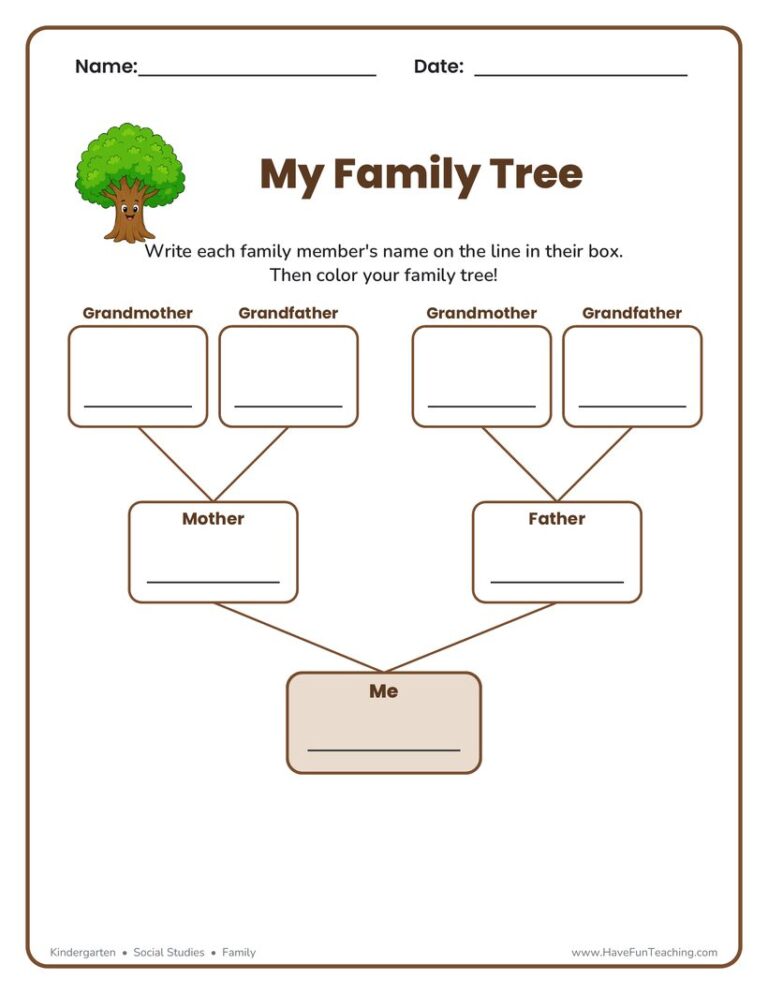
A 1 Child Family Tree Worksheet where kindergarteners write the names of their grandparents, parents, and themselves on a friendly tree they can color. A no-prep, all-about-me activity perfect for the start of a family unit.

This Grouping into Categories Worksheet asks kindergarten students to sort eight pictures into fruit, animals, plants, and shapes by writing each one's category number. Includes an answer key for fast, no-prep classification practice.

This Sorting Objects Worksheet has kindergarten students sort twelve pictures into animals, plants, vehicles, and people, then count each group. Includes an answer key — a no-prep way to build classification and early counting skills.
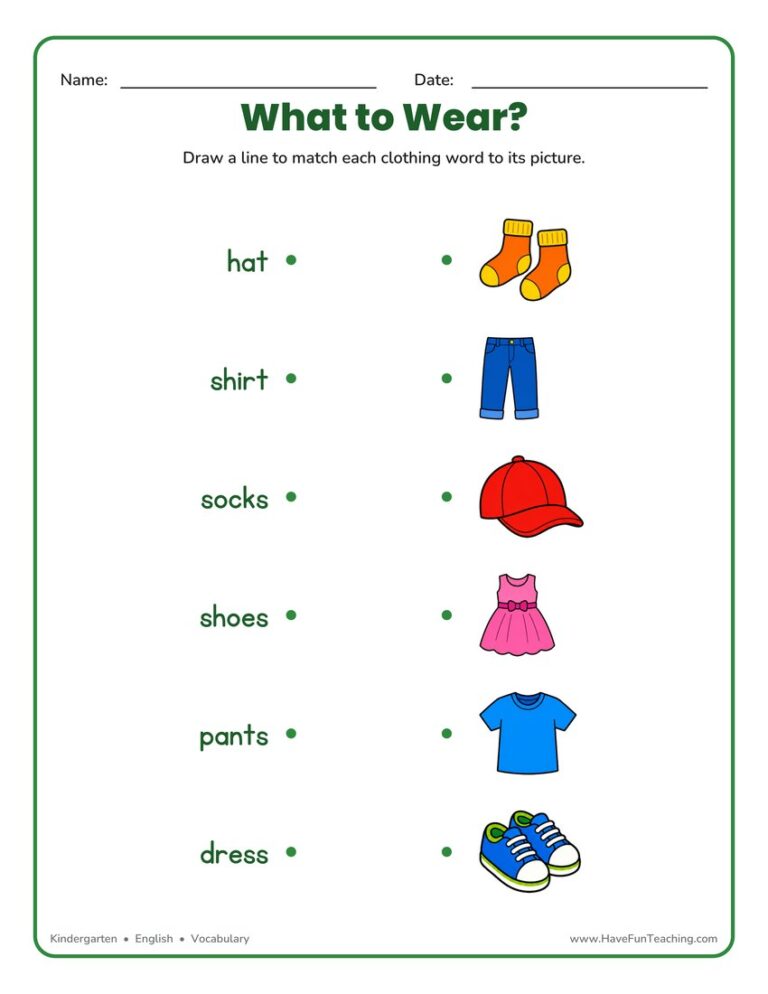
A matching clothing worksheet where kindergarten students draw lines to pair six clothing words with their pictures. Includes an answer key, perfect for no-prep vocabulary practice at home or school.

Using Prefixes and Suffixes Worksheet, students circle the correct meaning for each underlined word to build their vocabulary.
The Sight Word Songs Volume 1 (MP3 Album) will help students recognize 22 sight words as they are repeated, spelled, and used in sentences put to a catchy tune.
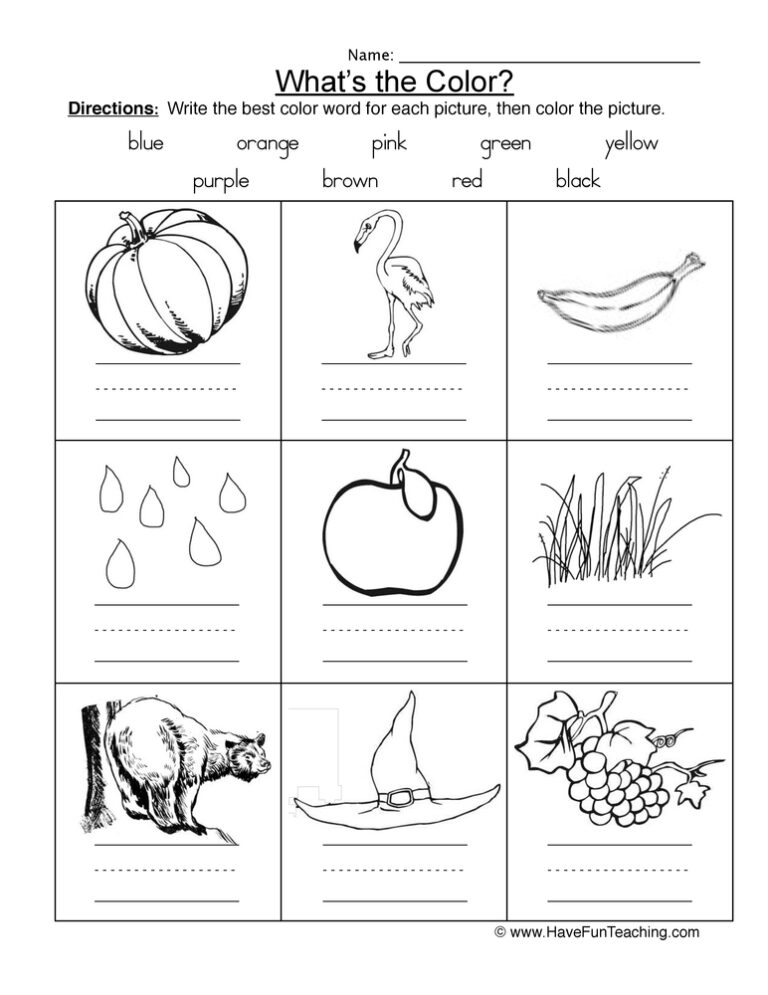
This Black and White Pictures Color Names Worksheet has Kindergarten students write the color word for six familiar objects, then color each picture. Answer key included for quick, no-prep color vocabulary practice.




Reviews
There are no reviews yet