Skip to content
Start My 3 Free Days $0 today · cancel anytime

Kindergarten Vocabulary Resources

71 kindergarten vocabulary resources: 27 flash cards, 18 worksheets, 18 activities and more. How teachers use these

Kindergarten Vocabulary Resources

71 kindergarten vocabulary resources: 27 flash cards, 18 worksheets, 18 activities and more. How teachers use these

Worksheet
WorksheetKindergartenGrouping into Categories Worksheet

This Grouping into Categories Worksheet asks kindergarten students to sort eight pictures into fruit, animals, plants, and shapes by writing each one's category number. Includes an answer key for fast, no-prep classification practice.

Worksheet
WorksheetKindergartenSorting Objects Worksheet

This Sorting Objects Worksheet has kindergarten students sort twelve pictures into animals, plants, vehicles, and people, then count each group. Includes an answer key — a no-prep way to build classification and early counting skills.

Worksheet
WorksheetKindergartenMatching Clothing Worksheet

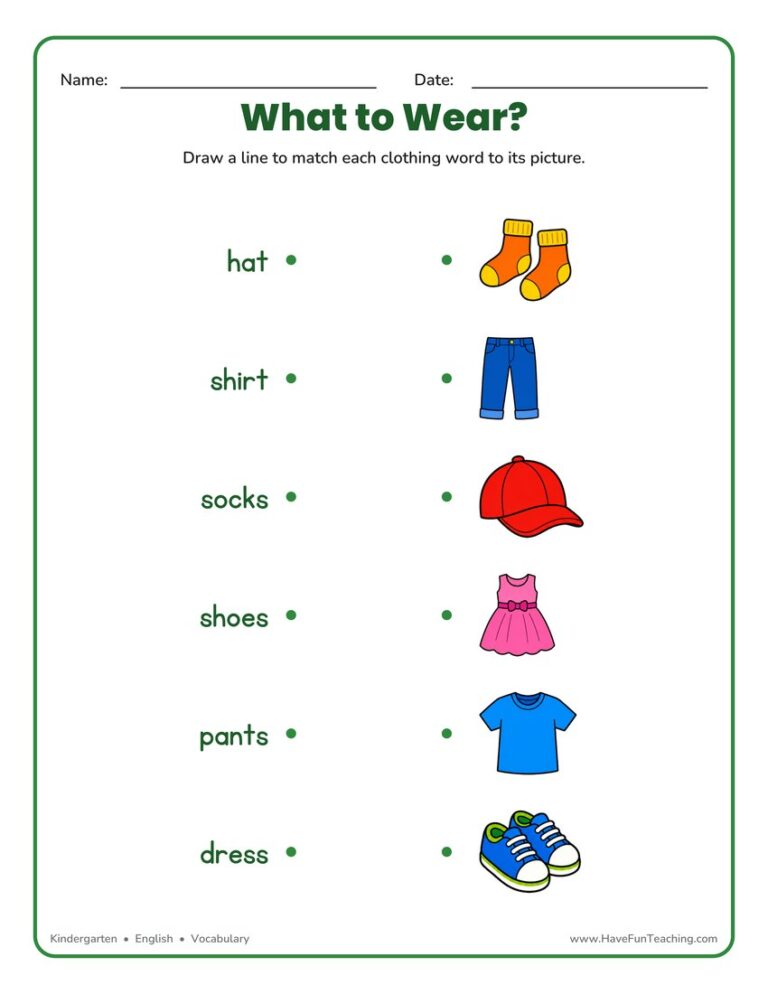
A matching clothing worksheet where kindergarten students draw lines to pair six clothing words with their pictures. Includes an answer key, perfect for no-prep vocabulary practice at home or school.

Worksheet
WorksheetKindergartenBlack and White Pictures Color Names Worksheet

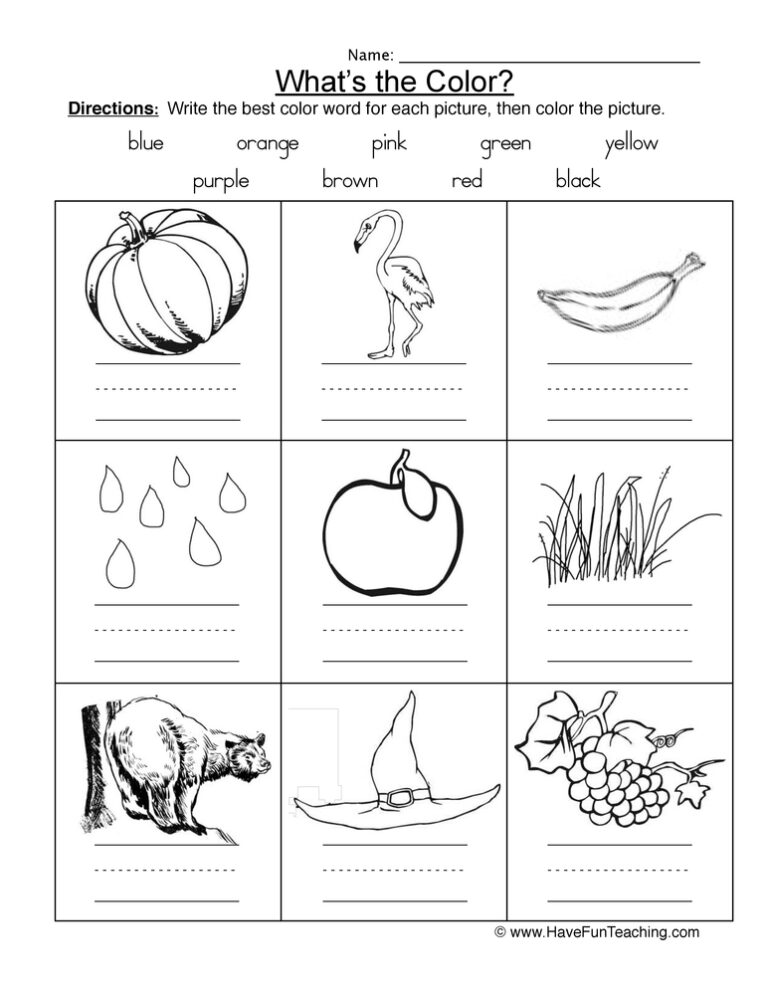
This Black and White Pictures Color Names Worksheet has Kindergarten students write the color word for six familiar objects, then color each picture. Answer key included for quick, no-prep color vocabulary practice.

Flash Cards
Flash CardsKindergartenWeather Word Wall

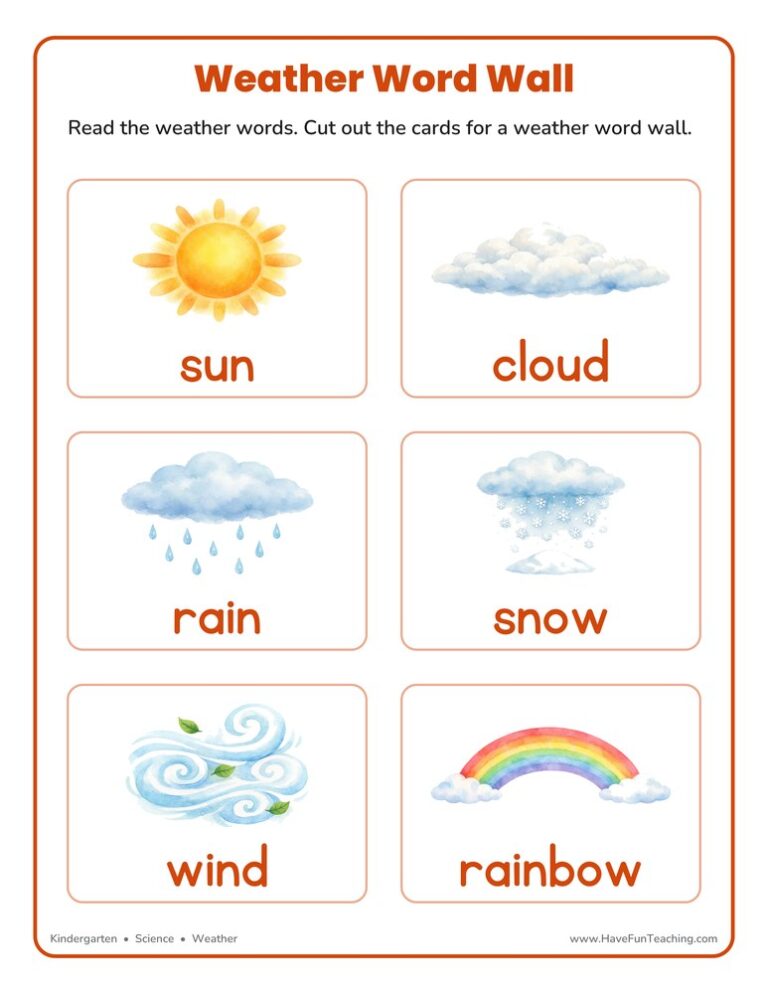
This Weather Word Wall gives Kindergarten classrooms six big picture cards — sun, cloud, rain, snow, wind and rainbow — ready to print, cut and post so young writers always have the weather words within reach.

Video
VideoKindergartenLetter B Song (Animated Music Video)

The Letter B Song teaches the Letter B sound, uppercase and lowercase letter b, vocabulary words that start with b, and letter B handwriting practice.

Video
VideoKindergartenLetter C Song (Animated Music Video)

The Letter C Song will help teach the Letter C Sound, Uppercase and Lowercase Letter C, Vocabulary words with the C sound, Letter C handwriting practice.

Flash Cards
Flash CardsKindergartenColors Word Wall

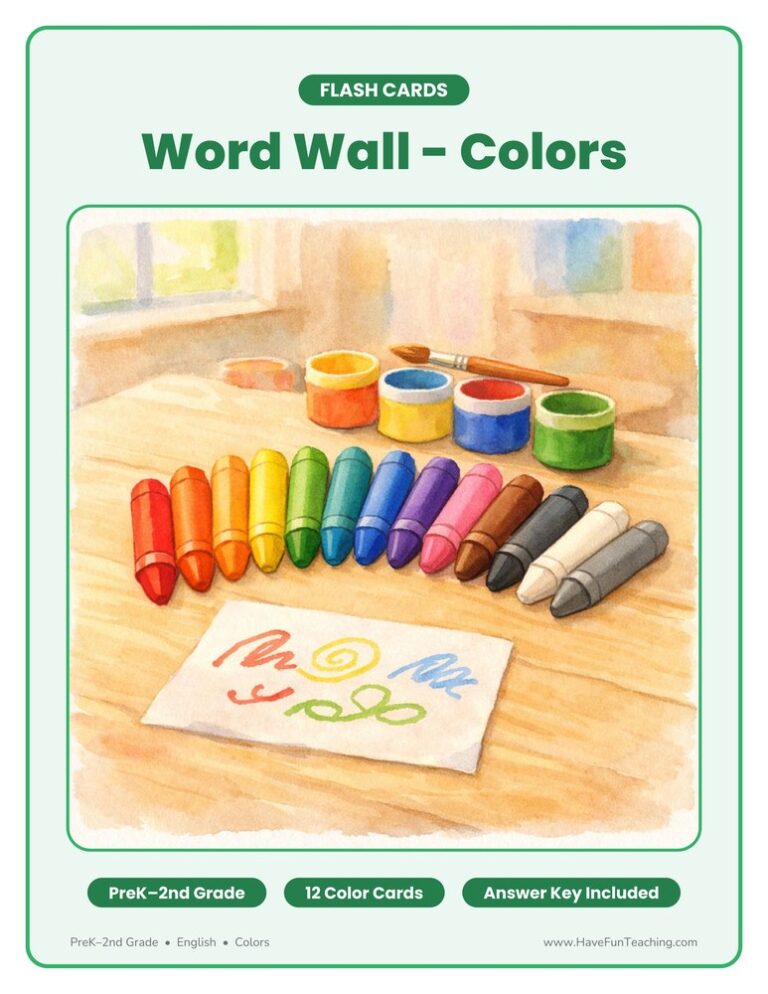
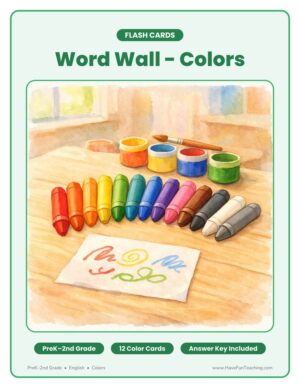
These colors word wall flash cards pair eleven color words with bright color spots for Preschool to 2nd Grade, with a practice page and answer key included to build confident early readers.

Flash Cards
Flash CardsKindergartenSchool Subjects Word Wall

These school subjects word wall flash cards pair a picture with each subject name for Preschool through 2nd Grade readers. Answer key included for the practice page.

Worksheet
WorksheetKindergartenMatching Color Words Worksheet

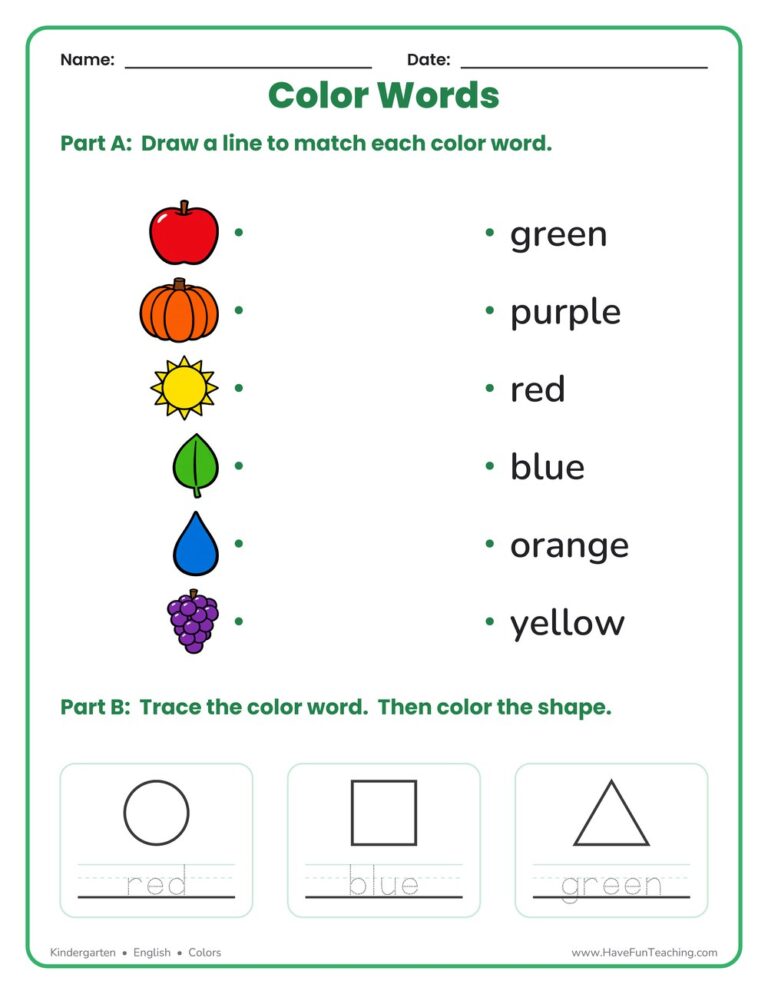
This Matching Color Words Worksheet has Kindergarten students match six colorful pictures to their color words, then trace and color three shapes. Answer key included for easy, no-prep early sight word practice.

Activity
ActivityKindergartenRhyming Words Matching Activity

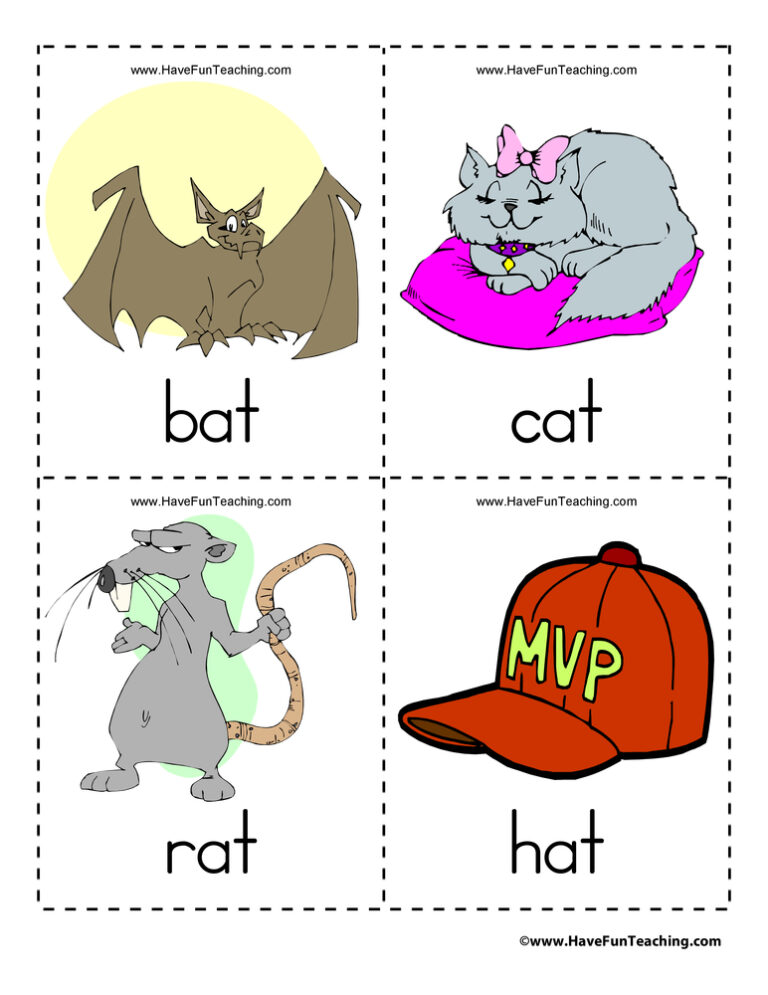
This rhyming words matching activity lets PreK to 1st grade children match picture cards that rhyme, like cat and hat. A practice page and answer key included.

Worksheet
WorksheetKindergartenWriting Words Worksheets

These writing words worksheets give kindergarten students one page for each letter A to Z, where they think of words that begin with the letter and write them on handwriting guides.

Flash Cards
Flash CardsKindergartenNumbers Word Wall

Post these numbers word wall flash cards to help PreK through 2nd grade students read number words from zero to one trillion, with ten-frame and base-ten pictures. Answer key included.

Flash Cards
Flash CardsKindergartenPreschool Vocabulary Flash Cards

Preschool vocabulary flash cards with 15 fold-over picture and word cards help PreK-K students read short-vowel CVC words. Practice worksheet and answer key included.

Flash Cards
Flash CardsKindergartenShapes Word Wall

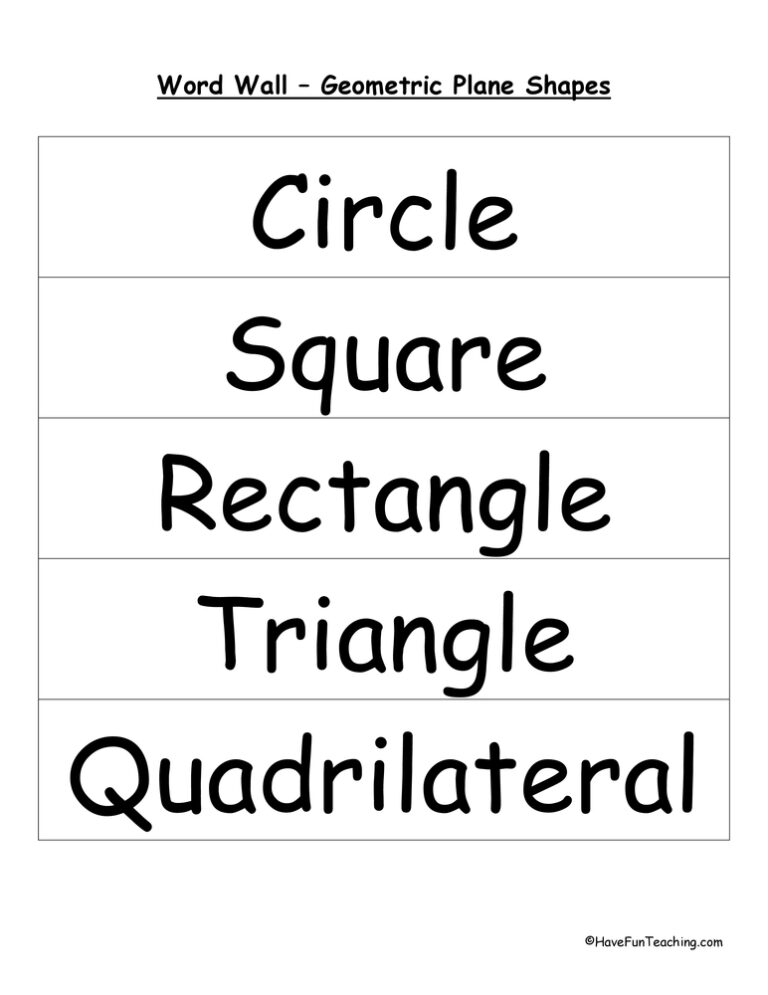
These shapes word wall flash cards give PreK to 2nd grade children eleven flat shapes with bold names, plus a count-the-sides practice page and answer key included.

Flash Cards
Flash CardsKindergartenPrefix Flash Cards

These prefix flash cards help kindergarten to 4th grade students learn 24 common prefixes, their meanings and an example word for each. Fold-over cards, a practice page and an answer key are included.

Worksheet
WorksheetKindergartenTransportation Matching Worksheet

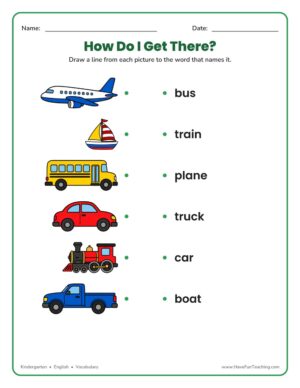
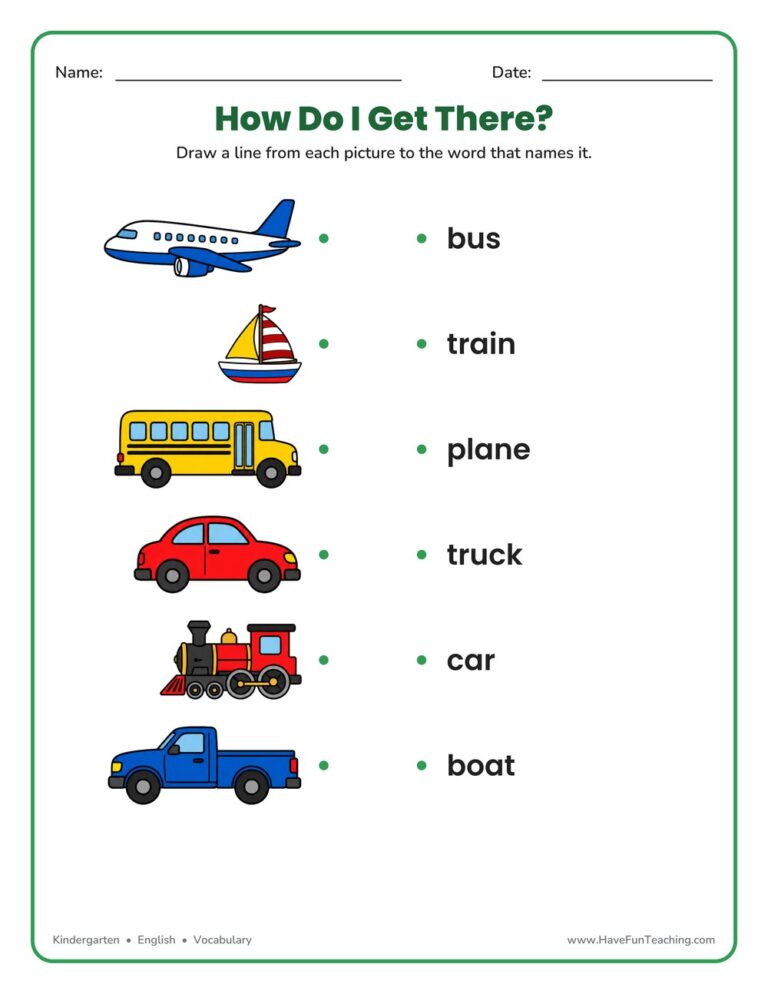
This transportation matching worksheet has Kindergarten students draw a line from each vehicle picture — plane, boat, bus, car, train, and truck — to the word that names it. Answer key included for quick, no-prep practice.

Flash Cards
Flash CardsKindergarten3D Shapes Word Wall

These 3D shapes word wall flash cards help preschool to 2nd grade students name six solid figures, with word wall cards, fold-over flash cards and a practice page. Answer key included.

Worksheet
WorksheetKindergartenTransportation Sorting Worksheet

This transportation sorting worksheet has kindergarten students sort six vehicle pictures into air, land, and water groups by writing each number in the right box. Answer key included for fast, no-prep checking.

Flash Cards
Flash CardsKindergartenBeginning Sound Letter G Word Wall

These beginning sound letter g word wall flash cards give preschool to 2nd grade students picture word cards for the /g/ sound. A practice page and answer key are included.

From our teachers' playbook

More words, more to say

What do kindergarteners learn about vocabulary?

Kindergarteners are word sponges! They learn names for everyday things: colors, numbers, weather, clothes, vehicles and school subjects. They also learn how words relate. They sort words into categories (apple, banana, grape are all fruits), find words that go together (sock and shoe) and learn opposites like open and close. Every new word helps them understand stories and say exactly what they mean. The click moment is a child using a brand-new word all by themselves: "It's drizzling outside!"

Our favorite ways to grow vocabulary

Kindergarten vocabulary grows through talk, pictures and play. These are the moves we rely on.

Sort it into groups

Give kids a pile of picture cards and three hoops labeled food, animals and toys. They sort and say each word aloud. Then ask, "Can you think of one more for each group?" Sorting builds word knowledge and thinking skills together.

Why it works: kids understand an idea best when they touch it, then draw it, then write it, the order the U.S. Department of Education recommends for elementary math.

Grouping into Categories WorksheetTry it withGrouping into Categories WorksheetWorksheetsOpen it →
A color word wall

Post color word cards with a big swatch on each. During the day, point and ask kids to find something that color. Seeing the word next to the color helps them start reading it too.

Why it works: pairing a picture with each word gives kids two ways to remember it, a well-tested principle of how people learn (Mayer, 2009).

Colors Word WallTry it withColors Word WallFlash CardsOpen it →

Quick picture flash

Flash picture vocabulary cards and kids name them as fast as they can. Then flash again and ask for a sentence. Short daily rounds build both speed and confidence.

Why it works: a big review of study methods ranked quick self-quizzing among the most powerful ways to remember (Dunlosky and colleagues, 2013).

Preschool Vocabulary Flash CardsTry it withPreschool Vocabulary Flash CardsFlash CardsOpen it →

Questions teachers and parents ask

How many words should a kindergartener know?

Children this age typically understand thousands of words and learn new ones every day. The focus is on growing vocabulary through talk, books and play, not a set number.

How do you teach vocabulary to kindergarteners?

Use pictures, real objects and lots of conversation. Introduce a few new words at a time, use them often, and encourage kids to use them in sentences.

What vocabulary should kindergarteners learn?

Everyday words like colors, numbers, shapes, weather, clothing, food and transportation, plus words for feelings and actions. Category and opposite words are important too.

How can I build my child's vocabulary at home?

Read together every day, talk about what you're doing, and name things during errands. When your child asks what a word means, use it again later.