Skip to content
Start My 3 Free Days $0 today · cancel anytime

1st Grade Animals Resources

20 1st grade animals resources: 16 worksheets, 14 assessments and 4 activities. How teachers use these

1st Grade Animals Resources

20 1st grade animals resources: 16 worksheets, 14 assessments and 4 activities. How teachers use these

Assessment
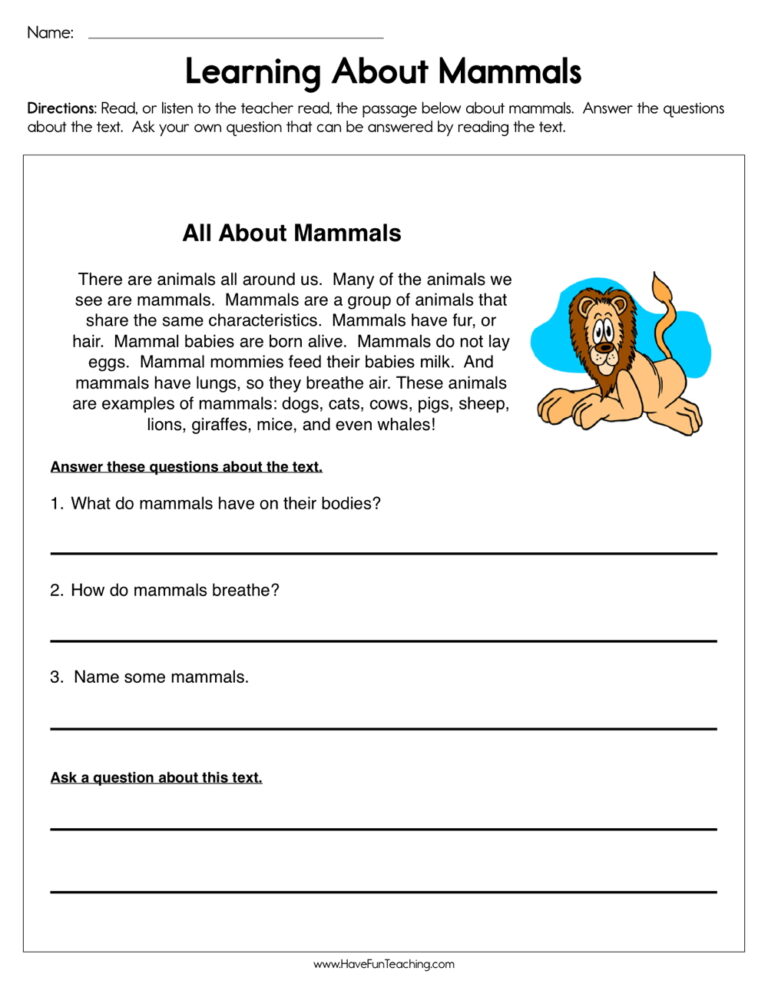
Assessment1st GradeLearning about Mammals Worksheet

This Learning about Mammals Worksheet gives 1st graders a short informational passage and five fill-in-the-bubble questions about mammal traits. An answer key is included, so reading comprehension practice takes no prep at all.

Worksheet
Worksheet1st GradeSnake Rebus Worksheet

This Snake Rebus Worksheet gives 1st graders a picture-supported story to read aloud, then four pictures to label with the matching word. Answer key included, so fluency practice takes almost no prep.

Assessment
Assessment1st GradeMain Details Whales Worksheet

This Main Details Whales Worksheet pairs a short first grade whale passage with five main topic and key detail questions. An answer key is included, so comprehension practice needs no prep at all.

Worksheet
Worksheet1st GradeWriting about Animals Worksheet

Writing about Animals Worksheet helps 1st graders pick an animal they love and write what it looks like, what it eats, and where it lives on clear, roomy lines that build confident sentence writing.

Assessment
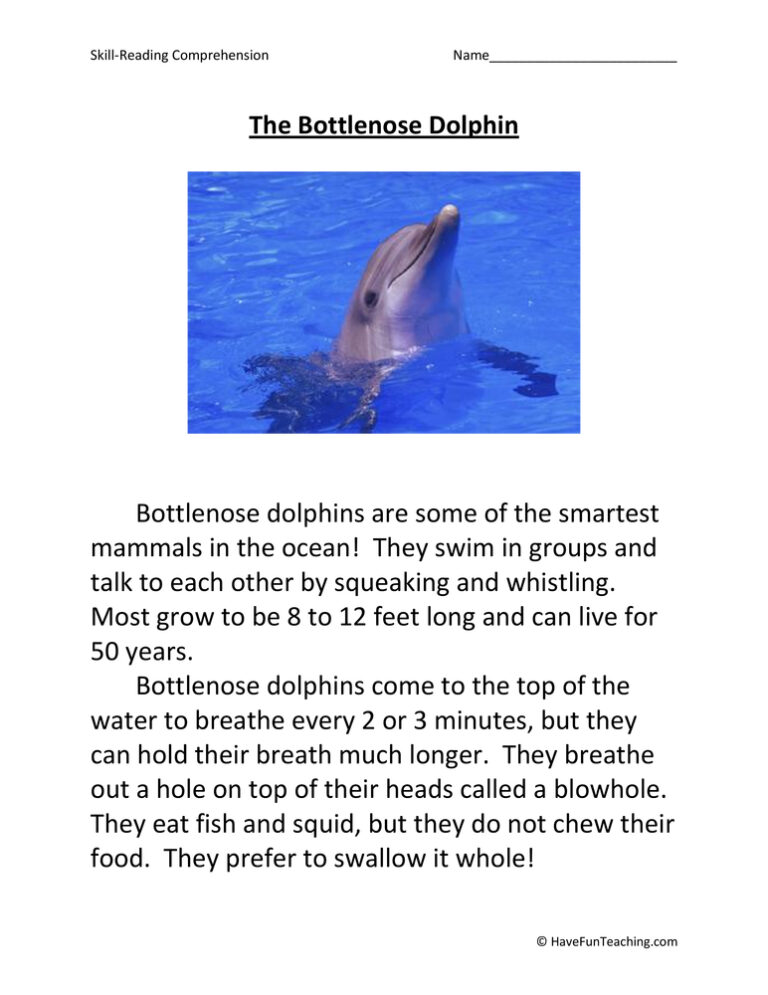
Assessment1st GradeThe Bottlenose Dolphin Reading Comprehension Worksheet

The Bottlenose Dolphin Reading Comprehension Worksheet gives 1st grade readers a short nonfiction ocean passage and five bubble-in questions. An answer key is included, so close-reading practice takes only minutes to set up.

Assessment
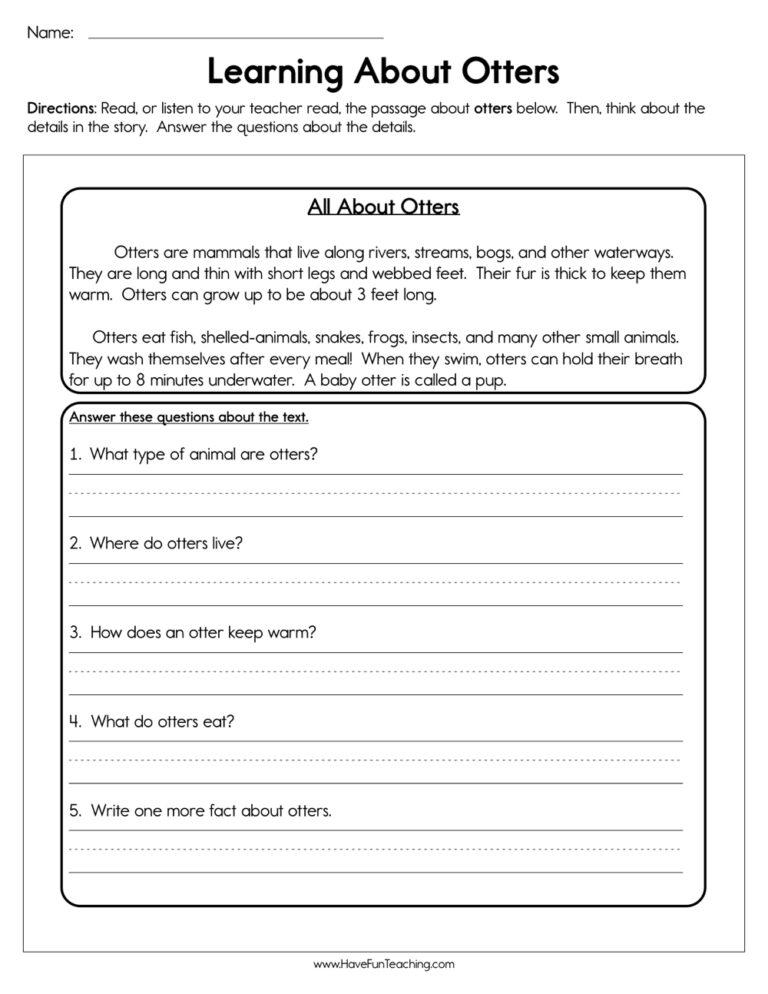
Assessment1st GradeLearning about Otters Worksheet

This Learning about Otters worksheet gives first graders a short non-fiction passage and five multiple-choice questions about otter fur, food and habitat. An answer key is included, so comprehension practice takes no prep at all.

Activity
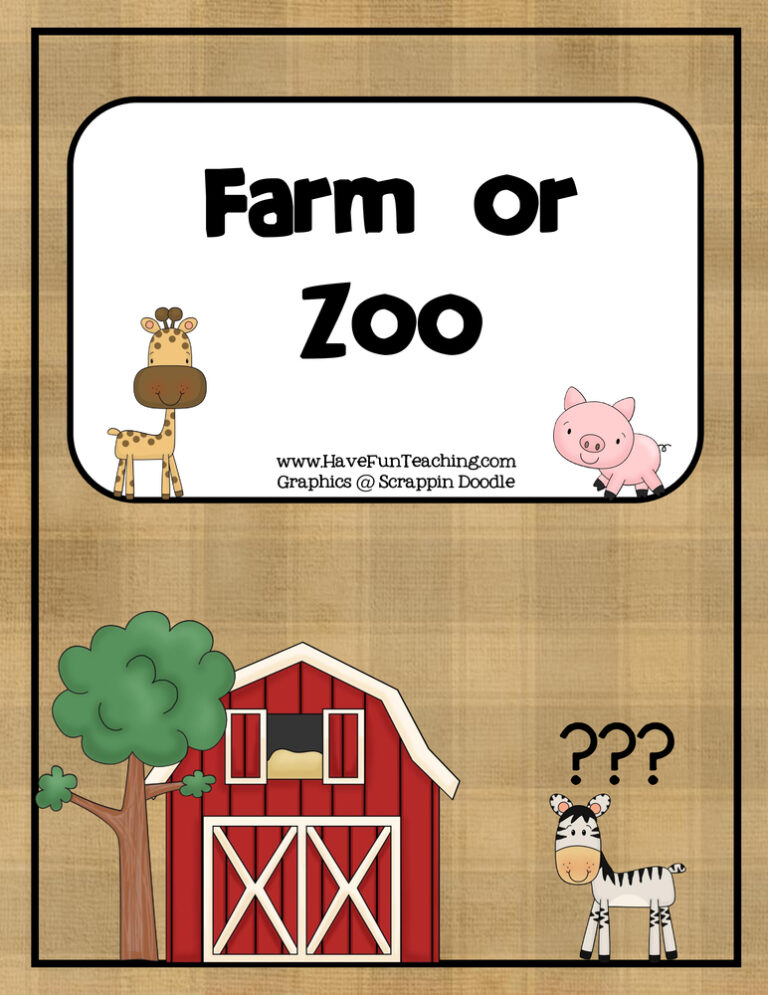
Activity1st GradeFarm or Zoo Matching Activity

This farm or zoo matching activity has PreK-1st Grade children sort 12 animal picture cards onto a farm and zoo mat, with a practice worksheet and answer key included for easy checking.

Assessment
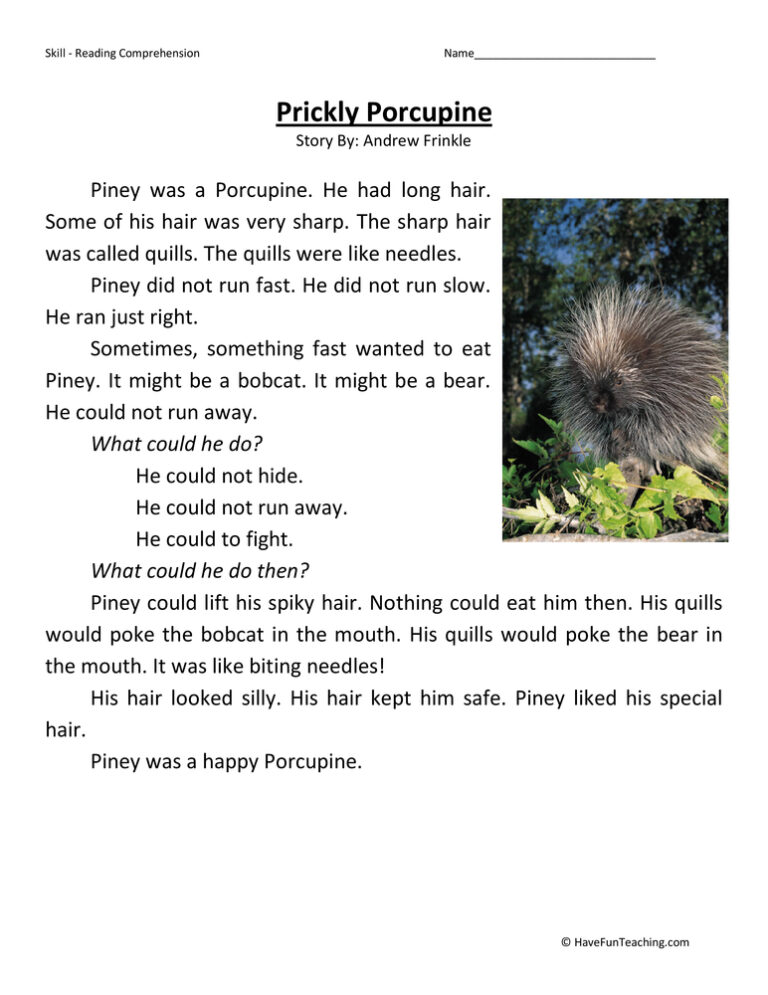
Assessment1st GradePrickly Porcupine Reading Comprehension Worksheet

This Prickly Porcupine Reading Comprehension Worksheet gives 1st graders a short passage about quills, forests, and baby porcupines, with five multiple-choice questions and an answer key for easy reading practice.

Assessment
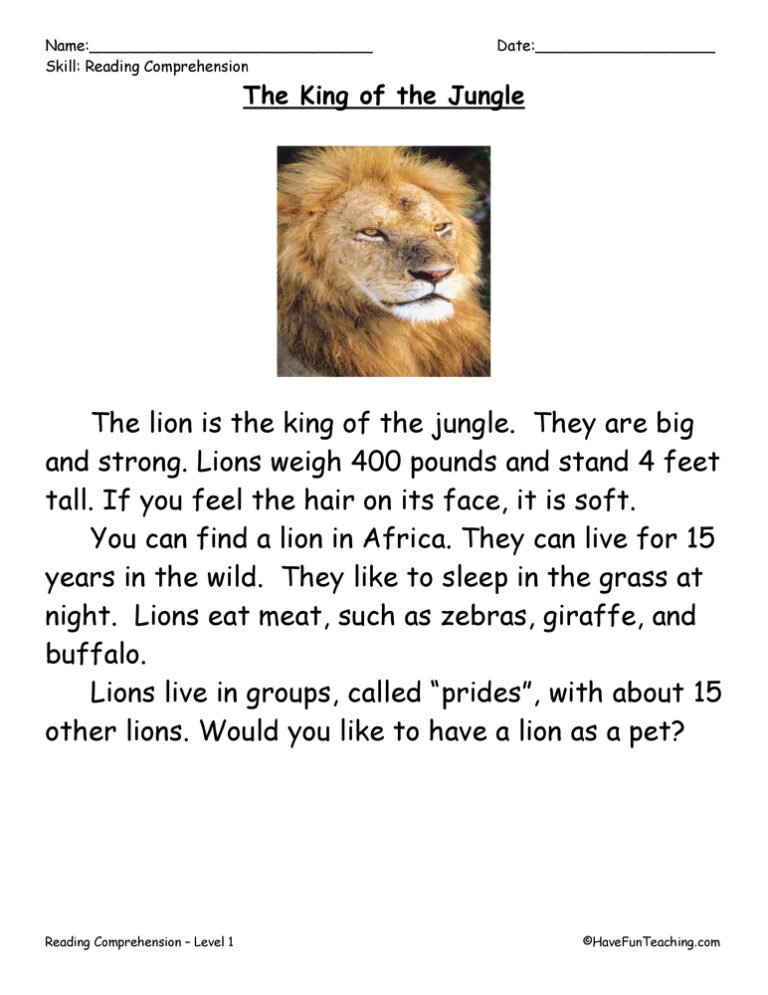
Assessment1st GradeKing of the Jungle Reading Comprehension Worksheet

This King of the Jungle Reading Comprehension Worksheet gives 1st graders a short, true passage about lions and five questions to answer. An answer key is included, so comprehension practice takes no prep.

Assessment
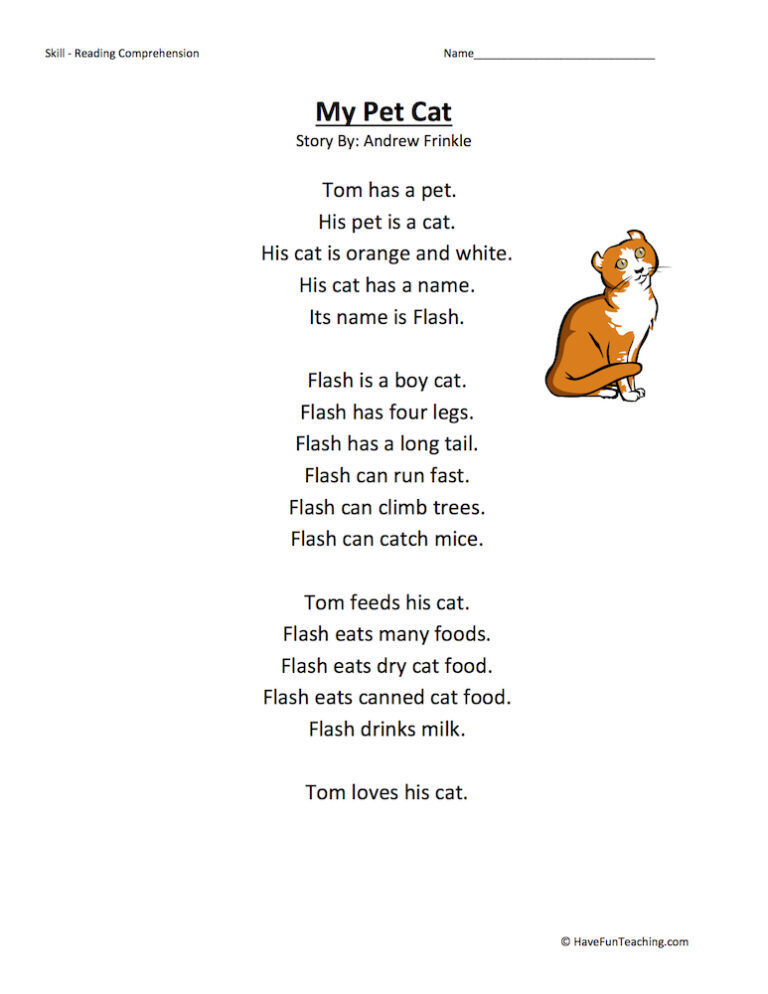
Assessment1st GradeMy Pet Cat Reading Comprehension Worksheet

A gentle first-grade story about a boy and his cat, this My Pet Cat Reading Comprehension Worksheet pairs a 107-word passage with five bubble-in questions. Answer key included, so early readers can practice finding text evidence with no prep.

Assessment
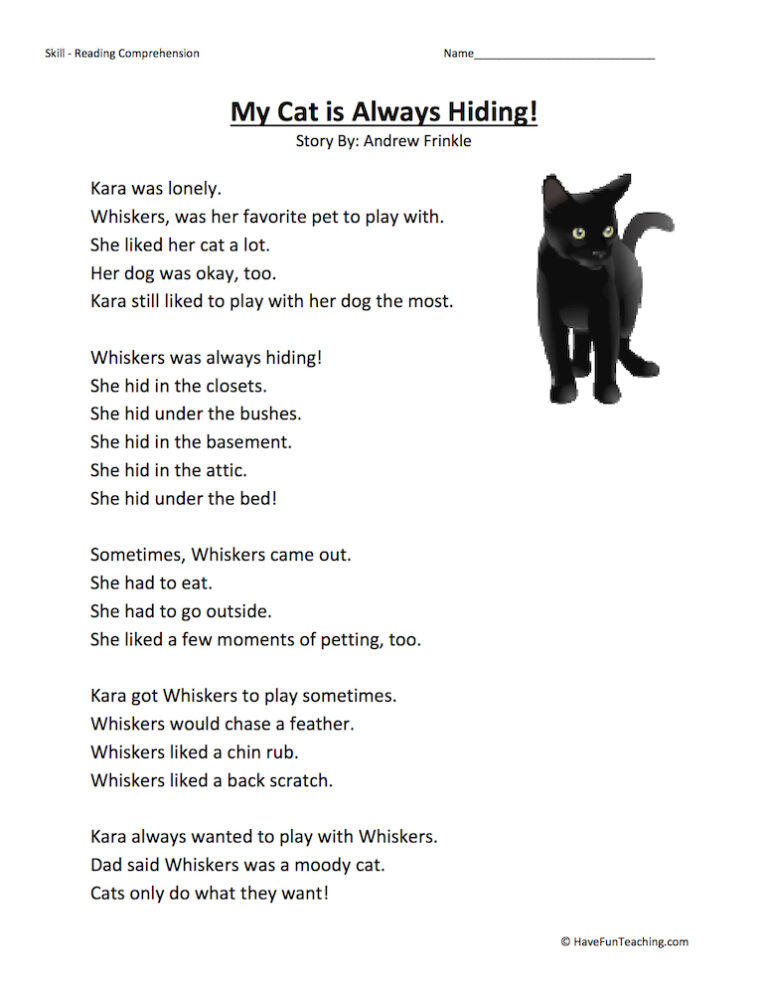
Assessment1st GradeMy Cat Is Always Hiding Reading Comprehension Worksheet

The My Cat Is Always Hiding Reading Comprehension Worksheet gives 1st grade readers a fun story about a gray cat, five multiple-choice questions and an answer key to build key detail skills.

Activity
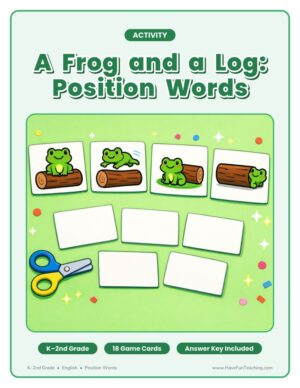
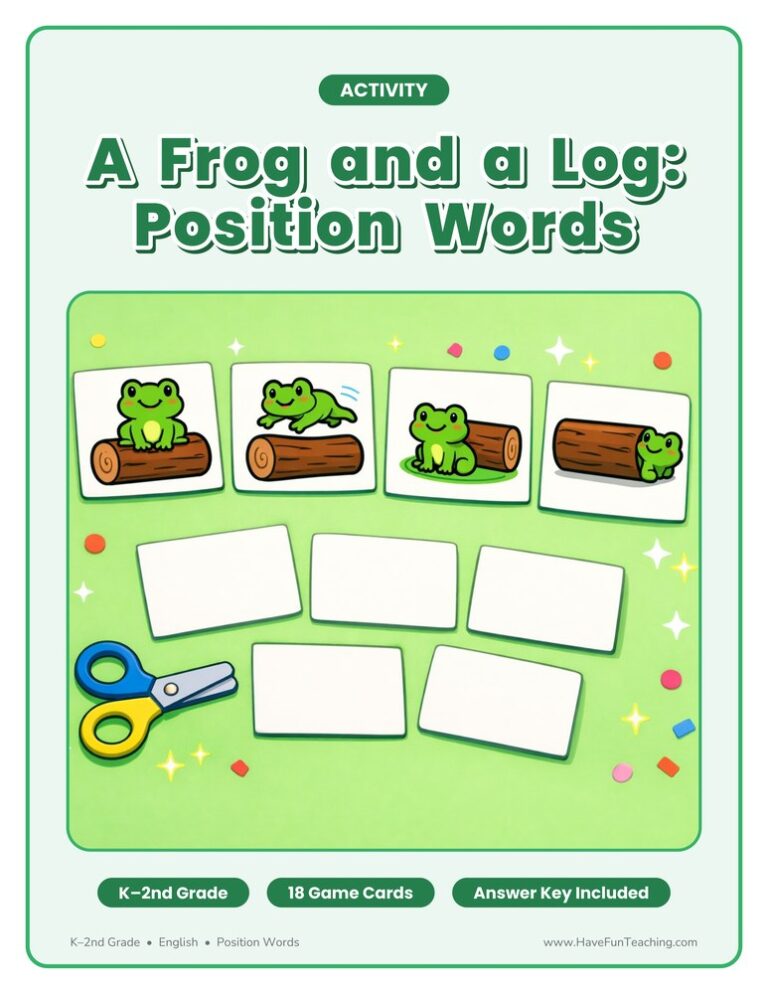
Activity1st GradeA Frog and a Log Position Words Activity

This frog and a log position words activity helps K-2nd Grade children match picture cards to on, under, above, next to, in front of and behind, with practice and an answer key included.

Assessment
Assessment1st GradeMy Dog Is Always Sleeping Reading Comprehension Worksheet

This my dog is always sleeping reading comprehension worksheet gives 1st grade readers a short nonfiction passage about dogs and five questions, with an answer key for easy checking.

Activity
Activity1st GradeFarm Writing Activity

Using this Farm Writing Activity, students practice their comparing, sequencing, and story writing skills while writing all about farm!

Assessment
Assessment1st GradeBill the Pig - Reading Comprehension Worksheet

This Bill the Pig Reading Comprehension Worksheet has 1st grade readers enjoy a farm story about a hungry pig and answer five bubble questions using story details. An answer key is included.

Assessment
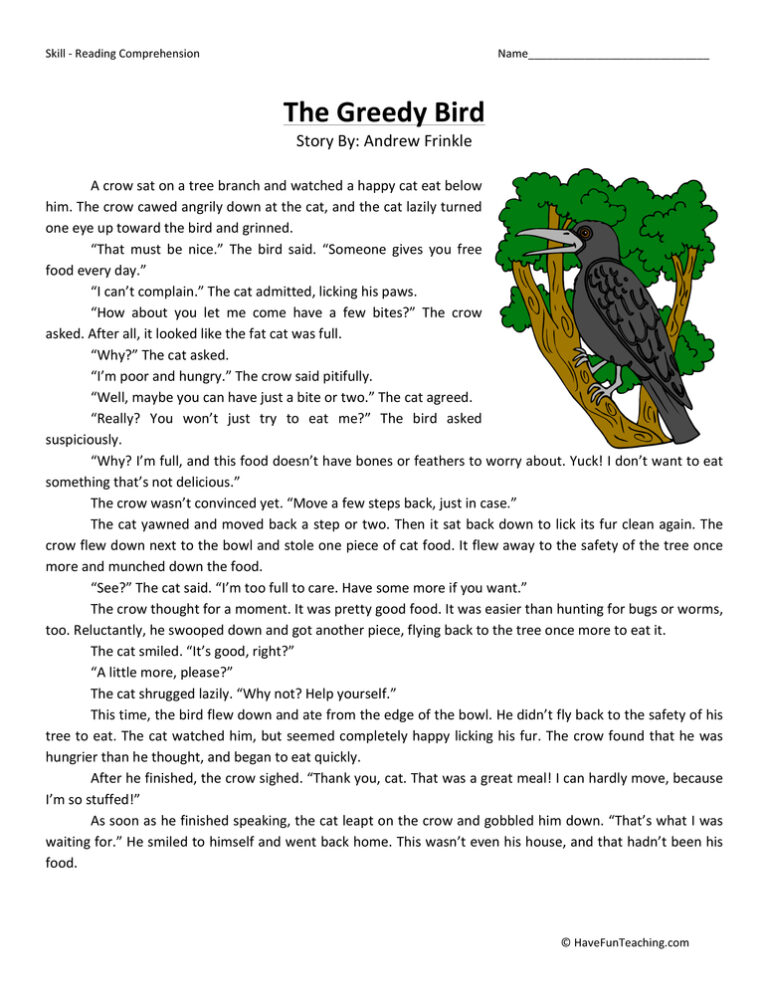
Assessment1st GradeThe Greedy Bird Reading Comprehension Worksheet

The Greedy Bird Reading Comprehension Worksheet gives 2nd grade readers a short fable, four multiple choice questions, a written response and an answer key, so they practice finding proof right in the text.

Assessment
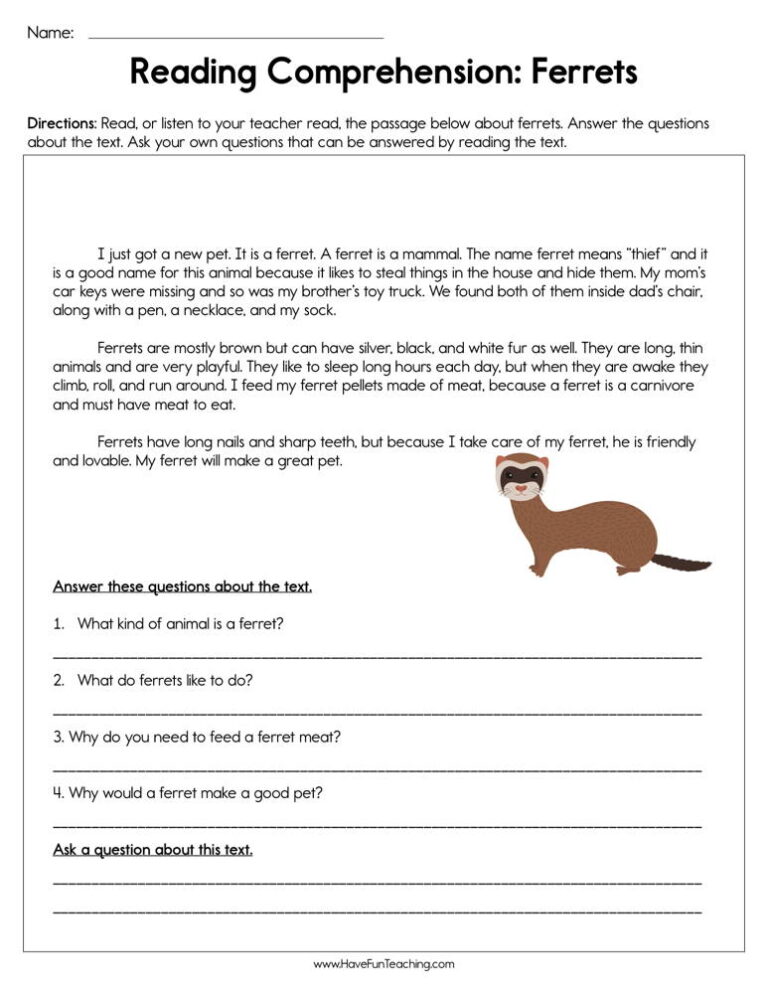
Assessment1st GradeFerrets Reading Comprehension Worksheet

This Ferrets Reading Comprehension Worksheet gives first graders a short non-fiction passage and five multiple-choice questions about ferret fur, food and play. An answer key is included, so comprehension practice takes no prep at all.

Activity
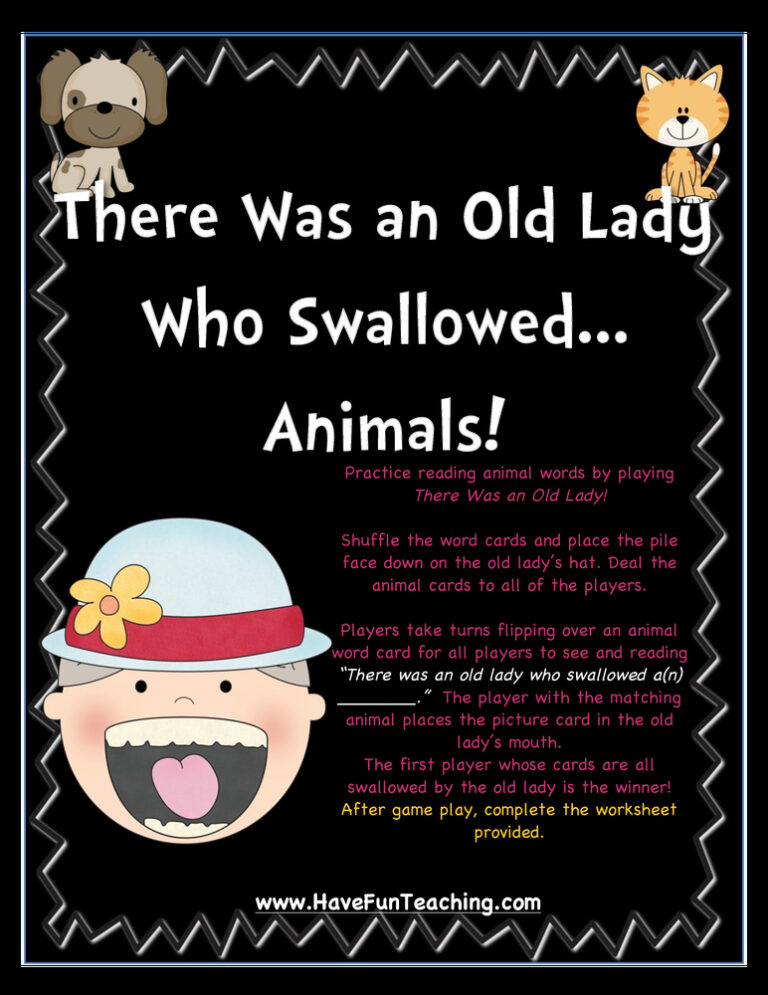
Activity1st GradeThere Was An Old Lady Animal Names Activity

Using this There Was An Old Lady Animal Names Activity, students practice reading animal words to build reading fluency and recognition.

Assessment
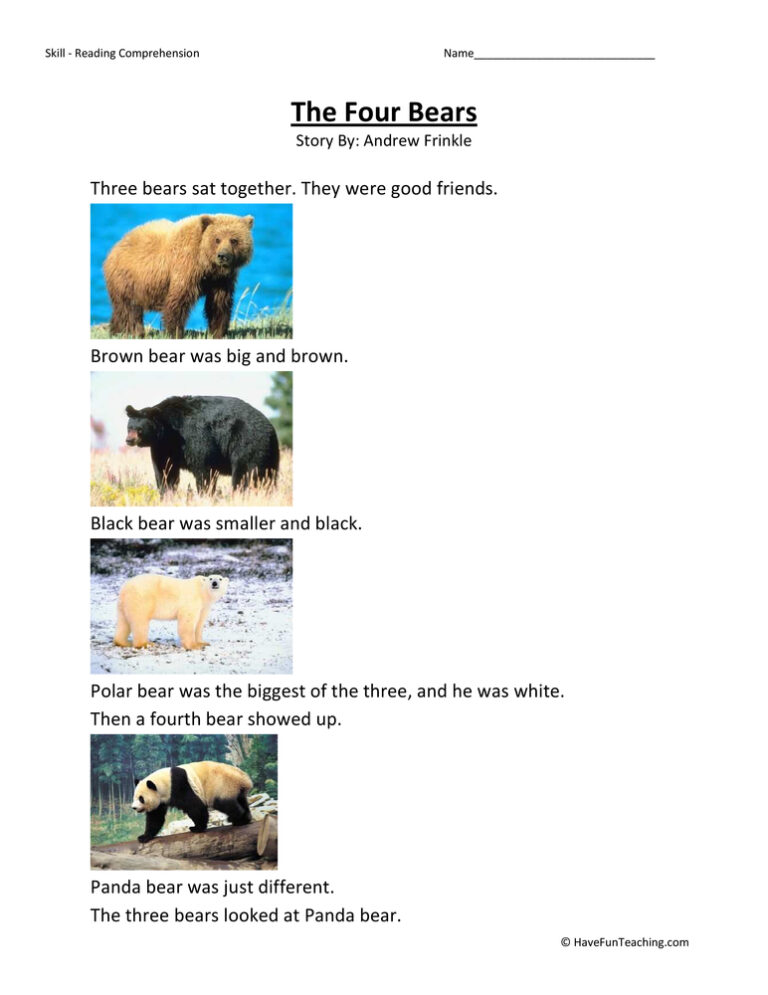
Assessment1st GradeThe Four Bears Reading Comprehension Worksheet

The Four Bears Reading Comprehension Worksheet helps 1st grade readers meet four kinds of bears in a friendship story, answer five questions and check their work with the answer key.

Assessment
Assessment1st GradeLoud Puppy Reading Comprehension Worksheet

This Loud Puppy Reading Comprehension Worksheet gives 1st graders a short passage about why puppies bark, plus five multiple-choice questions and an answer key for easy, no-prep reading practice.

From our teachers' playbook

Fur, feathers, fins and fun facts!

What do 1st graders learn reading about animals?

Animal books are where many first graders fall in love with nonfiction. They read short passages about dolphins, otters, porcupines and pets and learn to find the main topic and key details: what the animal eats, where it lives and what makes it special. They learn that mammals have fur or hair and feed their babies milk, and that a whale is a mammal, not a fish! Kids also read silly animal stories and learn to tell the difference between a story and a book full of facts. The click comes when a kid shares a new fact at dinner.

Our favorite ways to read about animals

Kids are naturally curious about animals. These moves turn that curiosity into strong reading skills.

Read with pictures

Rebus stories replace some words with pictures, so new readers can enjoy a whole story. Have kids read aloud, saying the picture words, and then retell the story to a partner.

Why it works: children learn more from words and pictures together than from words alone (Mayer, 2009).

Snake Rebus WorksheetTry it withSnake Rebus WorksheetWorksheetsOpen it →

Farm or zoo?

Give kids animal cards to sort by where they live. Then ask, "How do you know?" Sorting builds the habit of using facts to explain their thinking.

Why it works: going from real objects to pictures to symbols is a core recommendation of the U.S. Department of Education's elementary math guide.

Farm or Zoo Matching ActivityTry it withFarm or Zoo Matching ActivityActivitiesOpen it →

Find the main idea

Read a short whale passage aloud and ask, "What is this mostly about?" Model writing the main topic, then three details that tell about it. Kids then try it with their own animal passage.

Why it works: handing over the work step by step, from teacher to student, is one of the most widely used teaching frameworks (Pearson and Gallagher, 1983).

Main Details Whales WorksheetTry it withMain Details Whales WorksheetWorksheetsOpen it →

Questions teachers and parents ask about 1st grade animal reading

What do 1st graders learn about animals?

They learn where animals live, what they eat, how they move, and basic groups like mammals, birds and fish. Reading animal facts also builds nonfiction reading skills.

What is the difference between fiction and nonfiction animal books?

Nonfiction books share real facts about animals, often with photos. Fiction books tell made-up stories, like a pig who talks or a bird who is greedy.

How do you teach main idea in 1st grade?

Ask "What is this mostly about?" after reading a short passage. Then find details that tell more about it. Animal passages are perfect because the main topic is easy to spot.

What are good animal books for 1st graders?

Short nonfiction readers with big photos and simple sentences work well, along with funny animal stories. Let kids choose animals they love to keep them reading.