

Using this Author's Purpose of Informational Text Worksheet, students tell what the author wants to answer, explain, or describe while reading an informational text.

Using Beginnings and Endings Worksheet, students write about the beginning and end of the story to show the purpose of each.
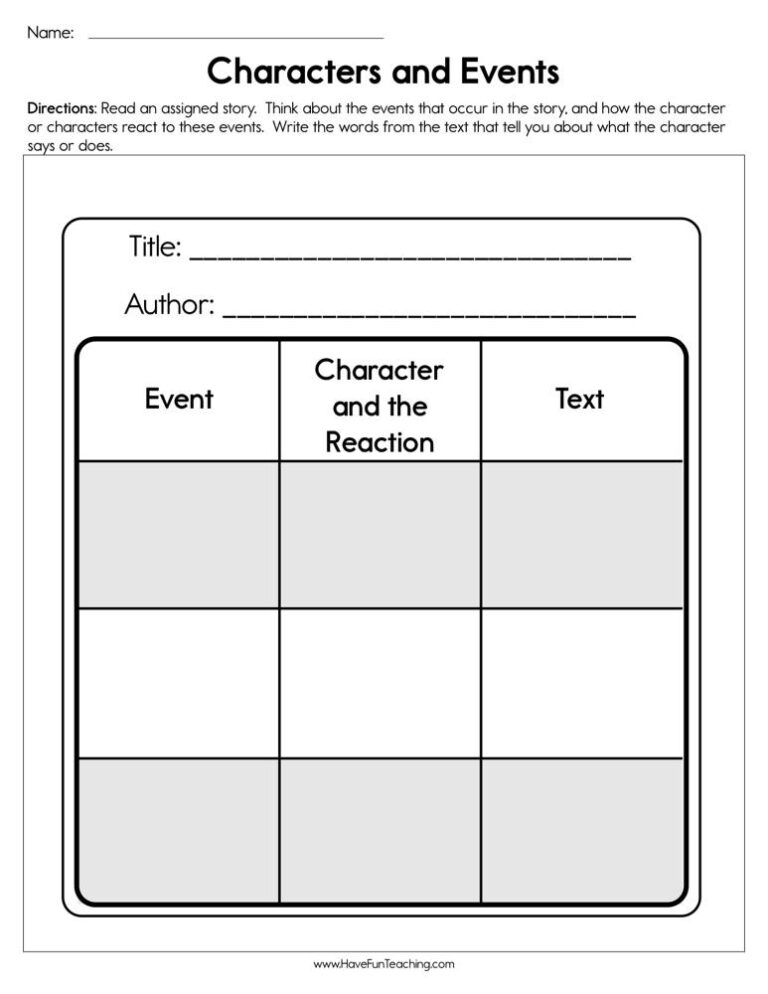
Using Characters and Events Worksheet, students identify characters and major events in a story with prompting and support.
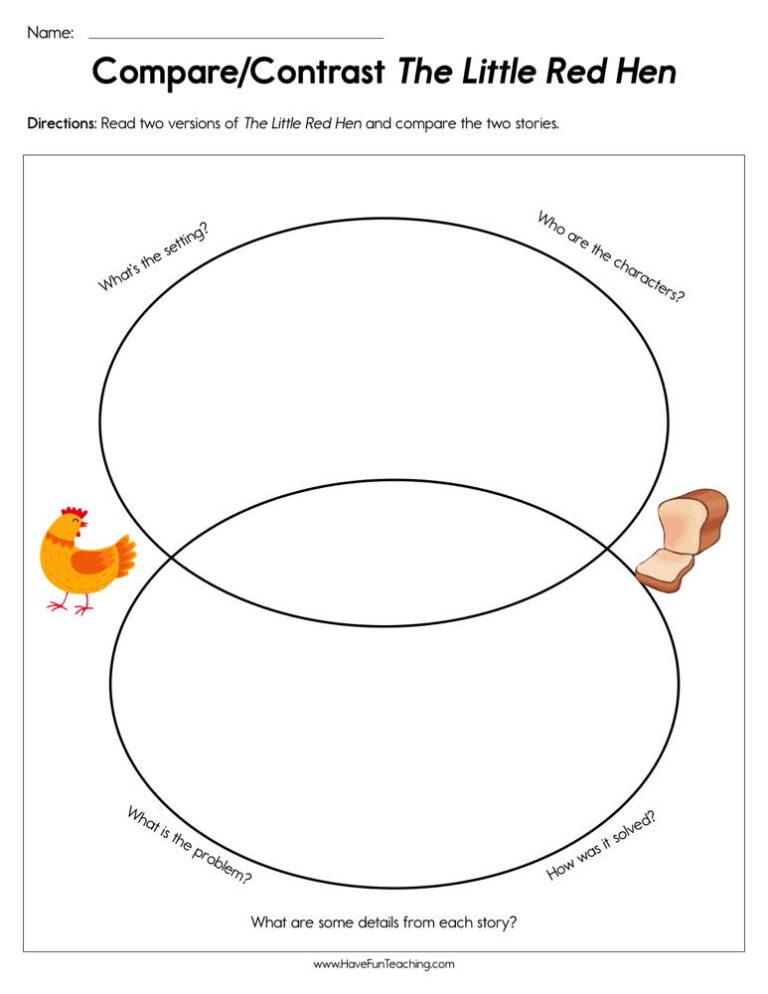
Using Compare Contrast Little Red Hen Worksheet, students compare two versions of The Little Red Hen to determine how they are alike and different.

Using this Compare Two Stories Worksheet, students read two versions of the same story and compare the two stories.
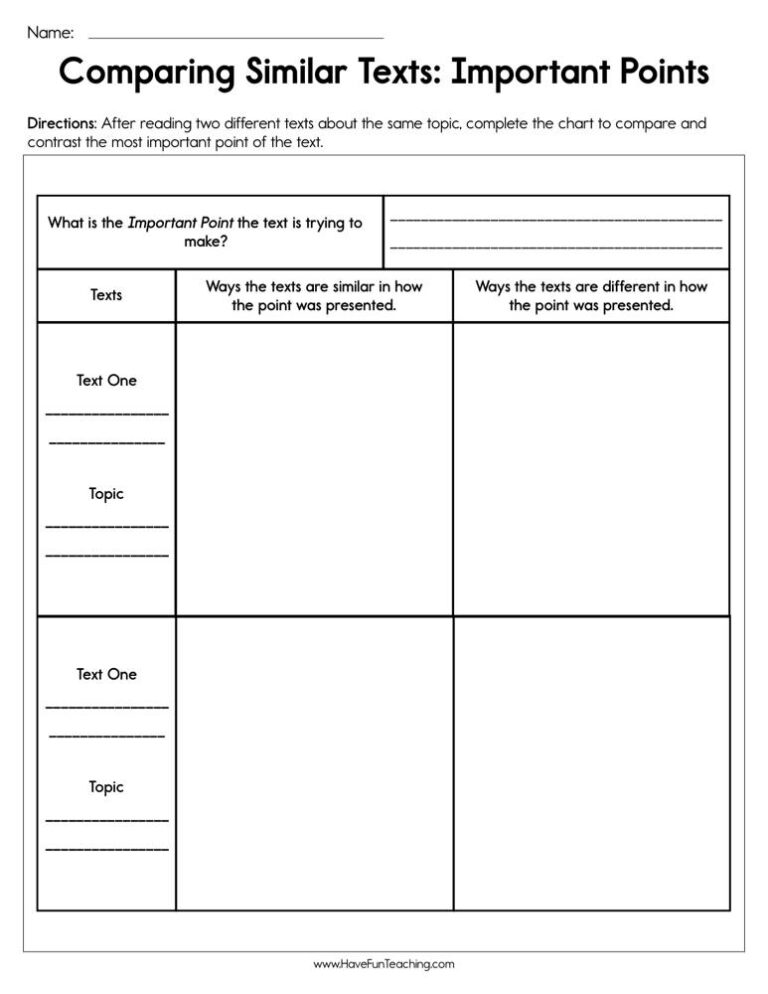
Using this Comparing Similar Text Important Points Worksheet, students read two different texts about the same topic of the same story in order to compare and contrast important points.

Using Comparing Similar Texts Organizing Data Worksheet, students compare the text features from two texts to determine how they are alike and different.
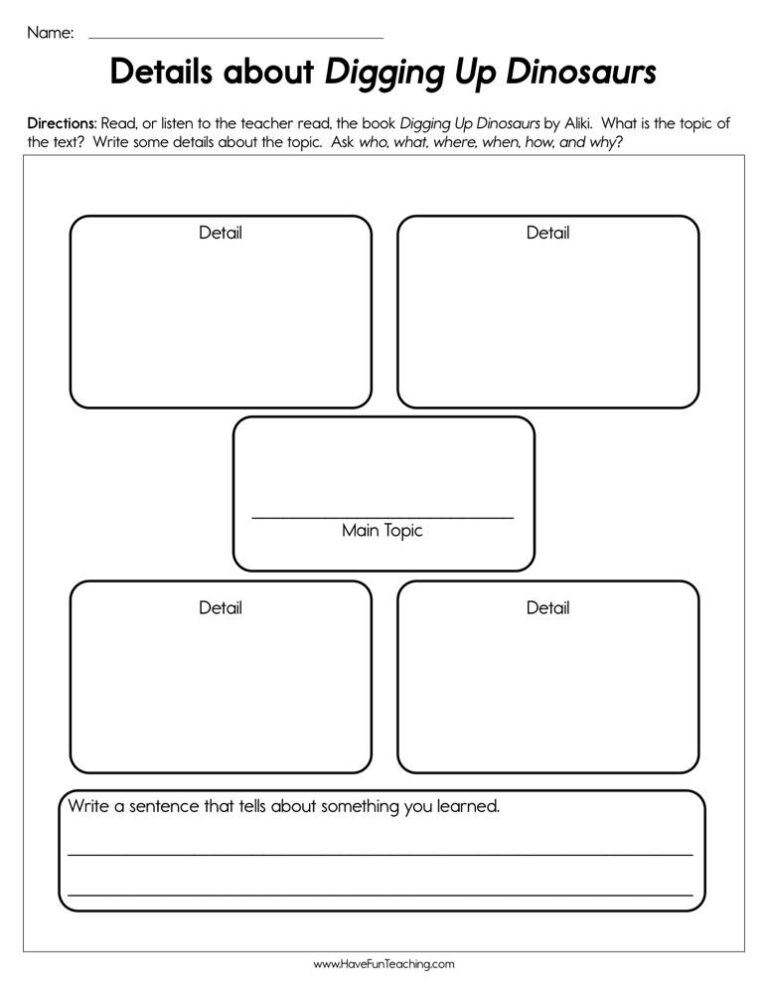
This Details about Digging Up Dinosaurs Worksheet helps students identify the main idea and key details while reading a passage about dinosaurs.
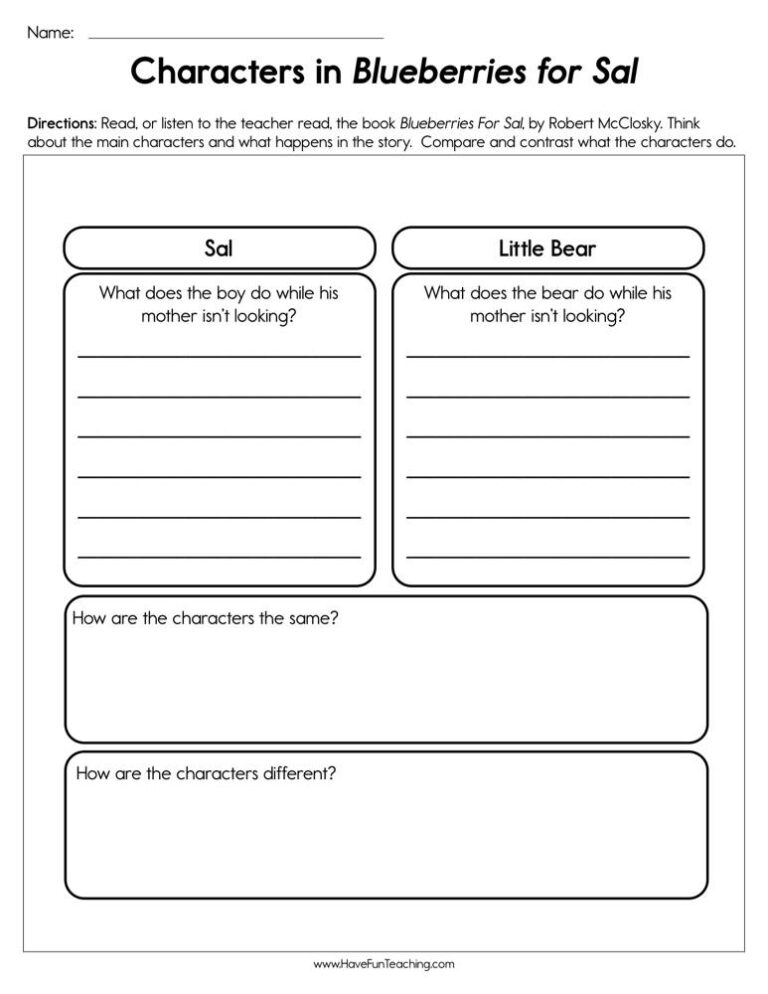
Using Characters in Blueberries for Sal Worksheet, students compare two characters from a story to determine how they are alike and different.
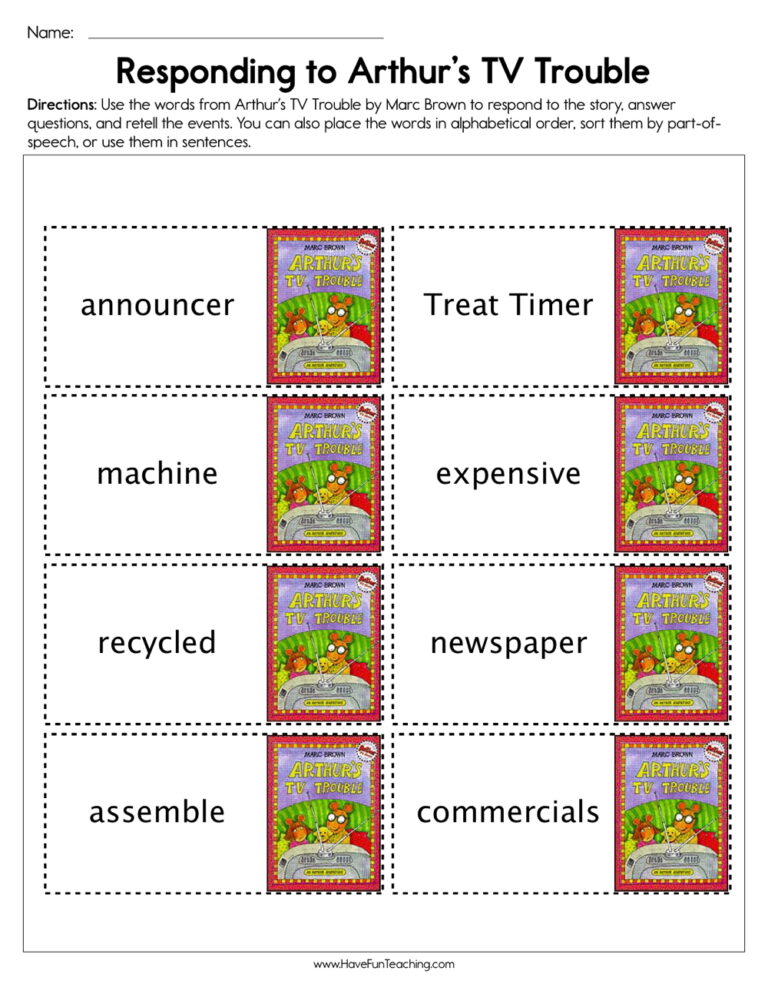
Using this Respond to Arthur's TV Trouble Worksheet, students use the words from Arthur!s TV Trouble to respond to the story and retell the events.
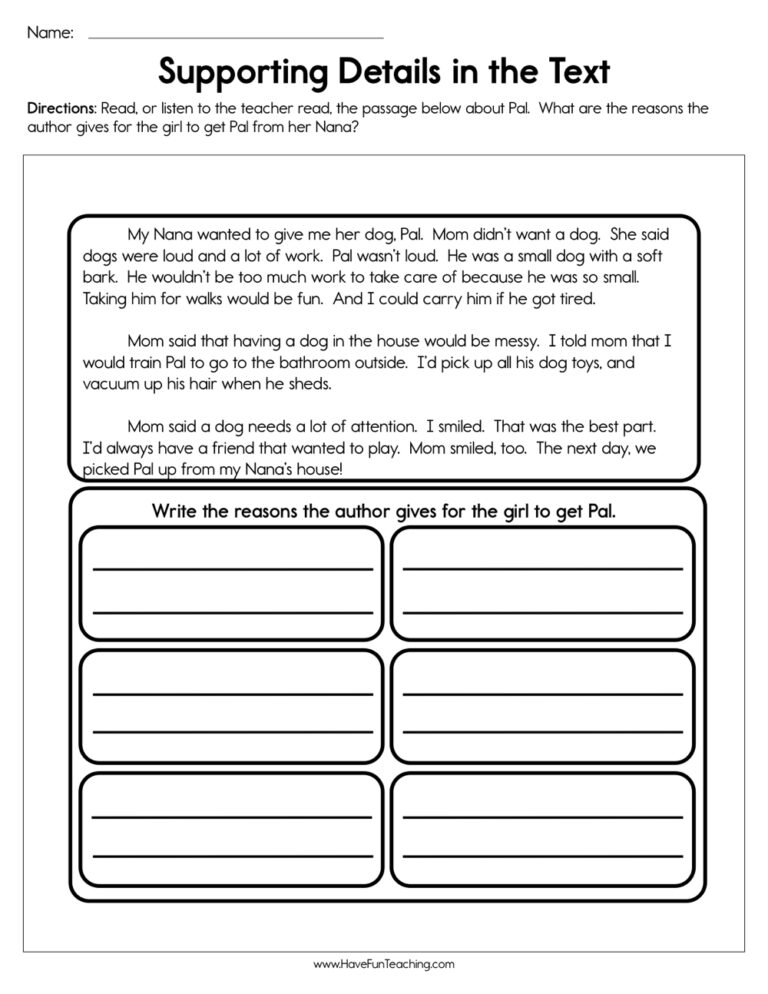
Using Supporting Details in the Text Worksheet, students explain the reasons the author gives for the girl to get Pal from her grandma.
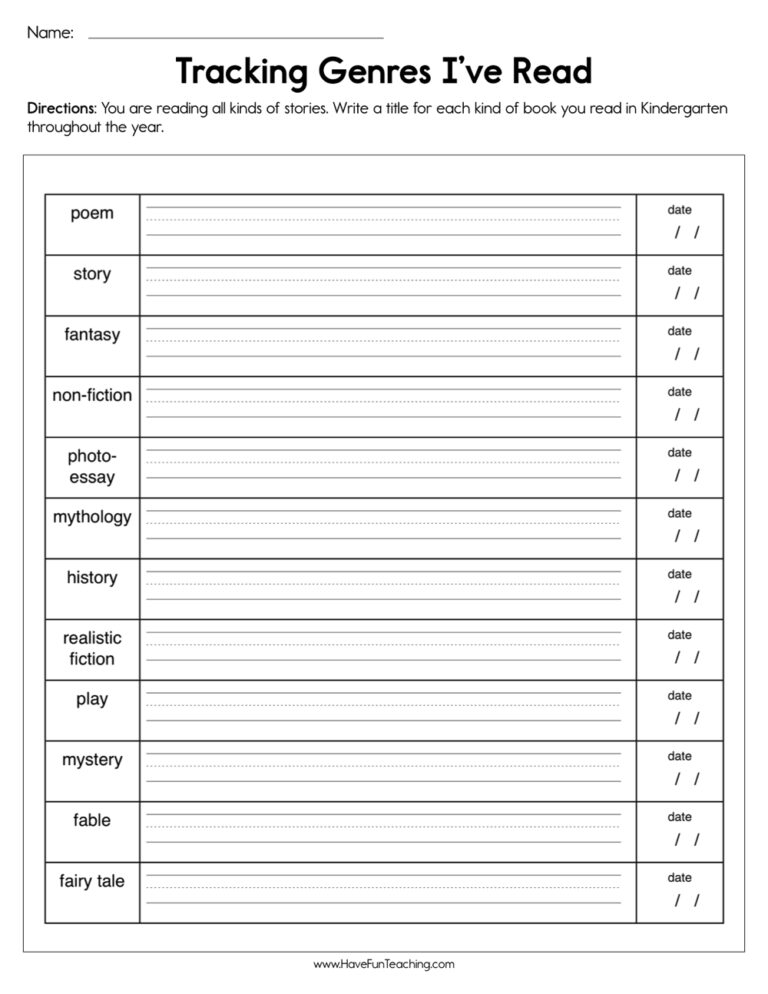
Using Tracking Genres I've Read Worksheet, students write examples of each kind of book that they have read throughout the year.

Using this Describing a Favorite Book Worksheet, students draw about your favorite book and explain why it is their favorite.

Using Identifying the Author's Reasons in a Text Worksheet, students explain the reasons the author gives for the boy to get Petey from his aunt.
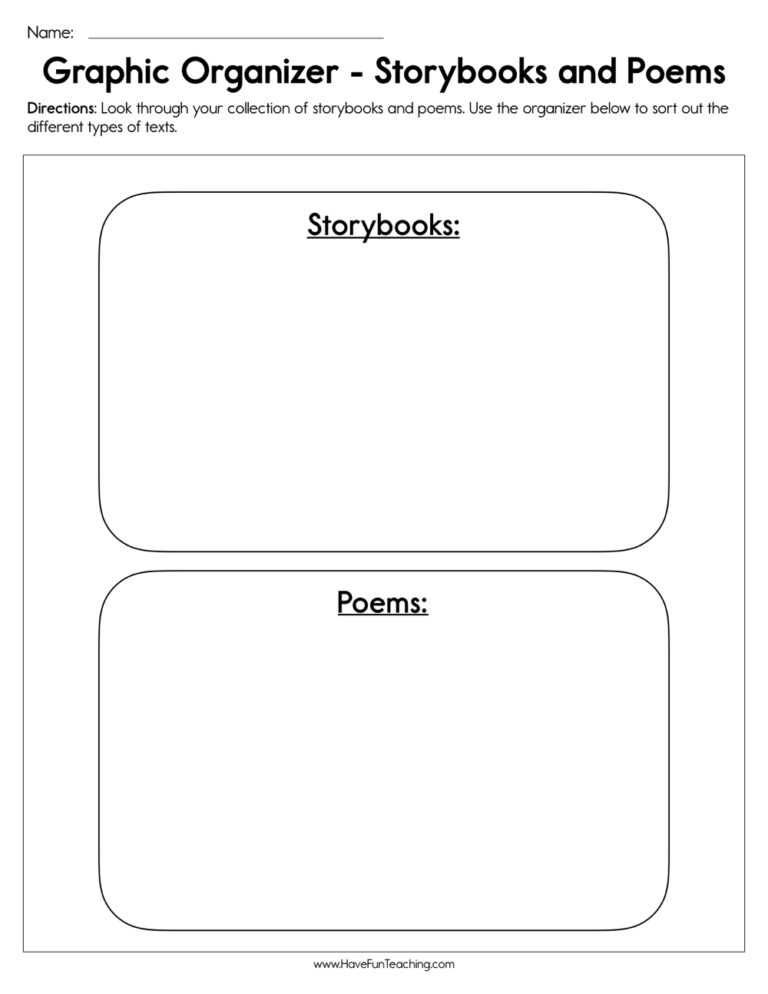
Using Story Books and Poems Graphic Organizer Worksheet, students use the organizer below to sort out the different types of texts that you found as they look through a collection of texts.

Using Key Details Graphic Organizer Worksheet,students identify the main topic and retell key details while reading a fiction or non-fiction text.

Using this Author and Illustrators Worksheet, students write the names of the author and illustrator and explain how each person helps to tell the story.

Using Main Idea and Details Activity,students identify the main topic and retell key details of a text with support and prompting.

Using Making Connections Between Stories Activity, studentsdescribe the connection between two individuals, events, ideas, or pieces of information in a text.
Using Pictures Tell Stories Sequencing Activity, studentsdescribethe relationship between illustrations and the story in which they appear.