3 days free
Ready for the whole library?
You’ve had your freebie — but members download 10,000+ resources for every grade, all year long. Try it free — $0 today, cancel anytime.
Free for teachers
Pick your grade. We’ll send 10 free resources.
Worksheets, activities and a video — picked for your classroom, ready to print tonight.
One free bundle per teacher. We’ll also send free teaching ideas each week — unsubscribe anytime.



A characters, settings, and big events worksheet for 1st Grade: students read a short story, then draw and write the characters, setting, and big event in a simple organizer. Answer key included for quick, no-prep story elements practice.
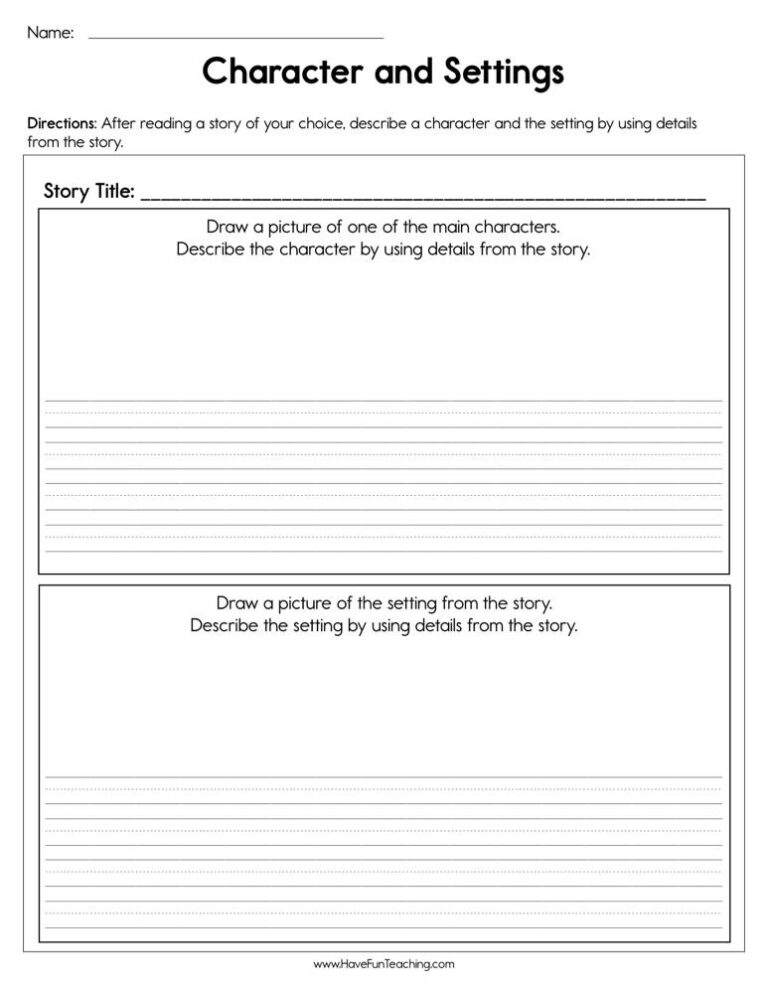
A print-and-go Character and Settings Worksheet that helps 1st graders draw and describe the main character and the setting of any story they choose. Flexible enough for guided reading, independent reading, or a bedtime book at home.
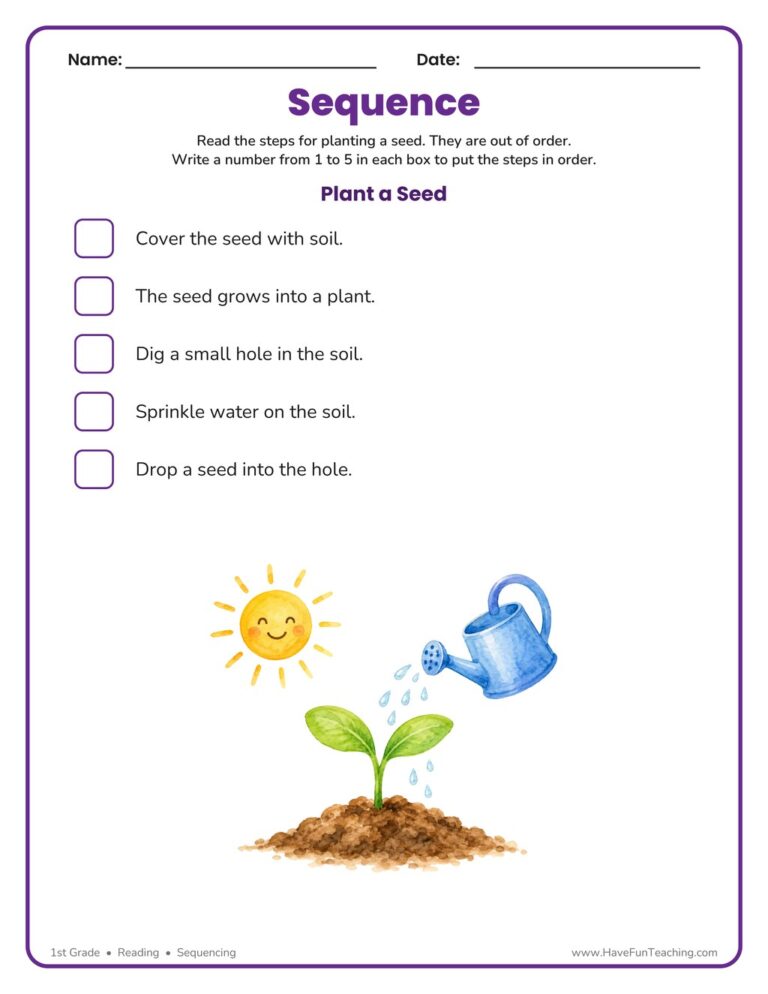
The Plant a Seed Sequence Worksheet helps 1st graders put five planting steps in order from first to last. Includes a complete answer key—perfect for quick, no-prep sequencing practice at home or school.
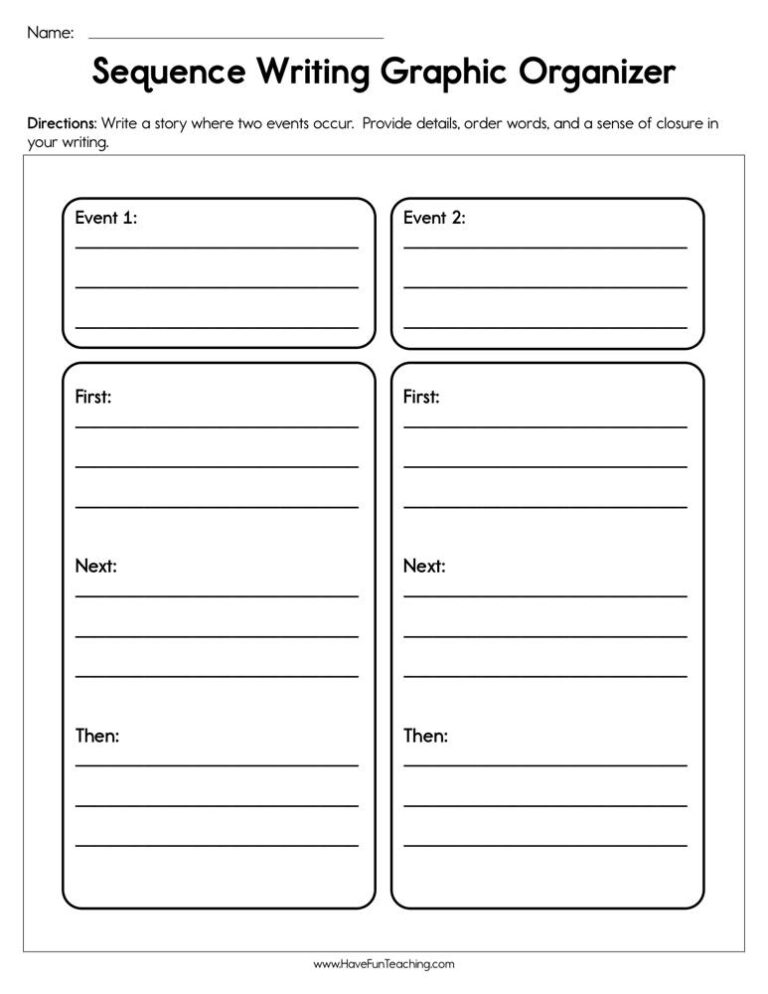
Plan a story from start to finish with this Sequence Writing Graphic Organizer Worksheet. First Grade writers name their story idea, then write what happens First, Next, Then, and Last on wide primary lines.
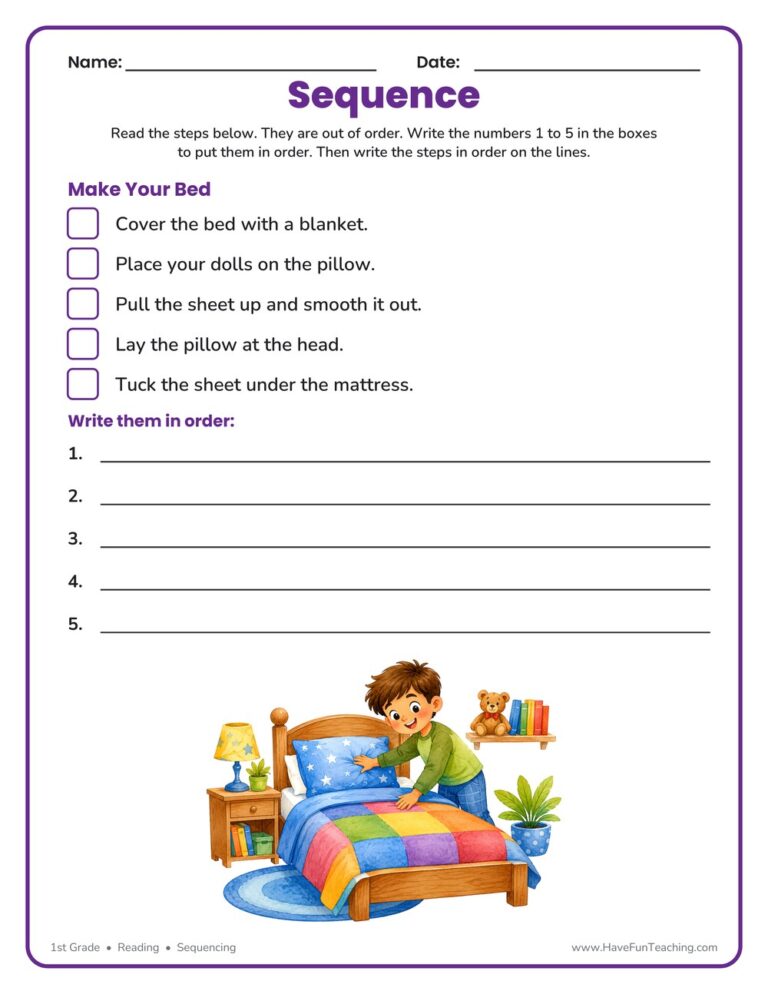
This Making a Bed Sequence Worksheet has 1st graders order five steps, number the boxes 1 to 5, and rewrite them in sequence. Answer key included — a fun, no-prep way to practice sequencing.

This Asking Questions About Pictures Worksheet gives 1st Grade students an illustrated scene, four fill-in-the-bubble questions, and room to write a question of their own. Answer key included, so checking takes seconds.
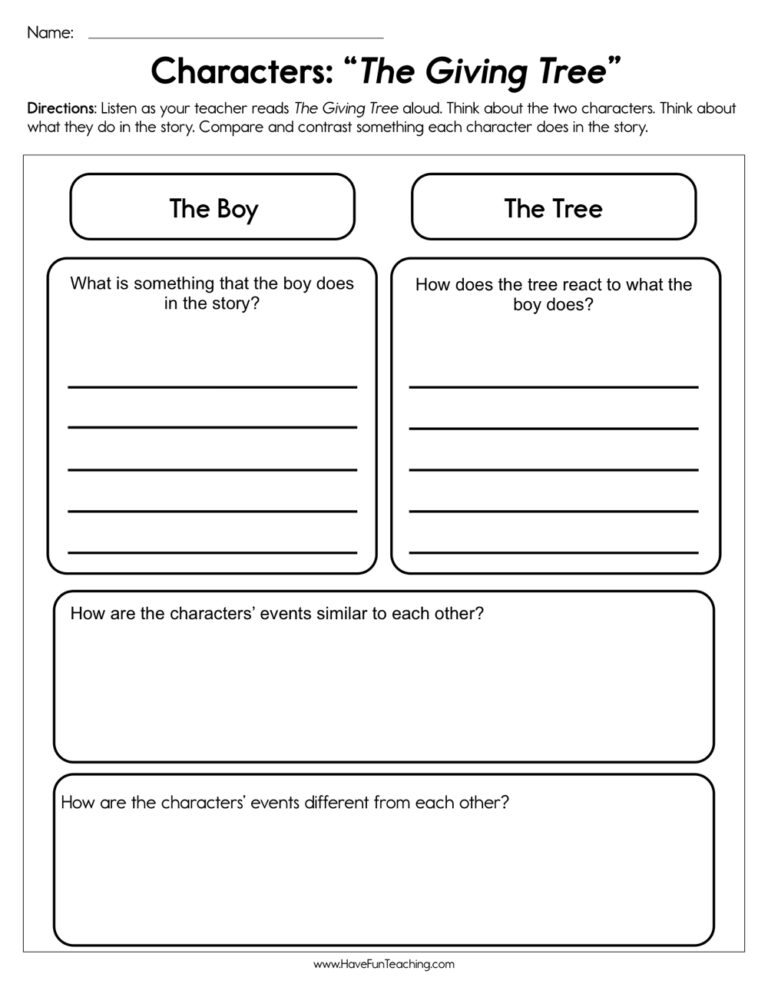
Using Characters, Settings, and Big Events Worksheet, students draw pictures and write a sentence for each to tell about the story elements in a book.
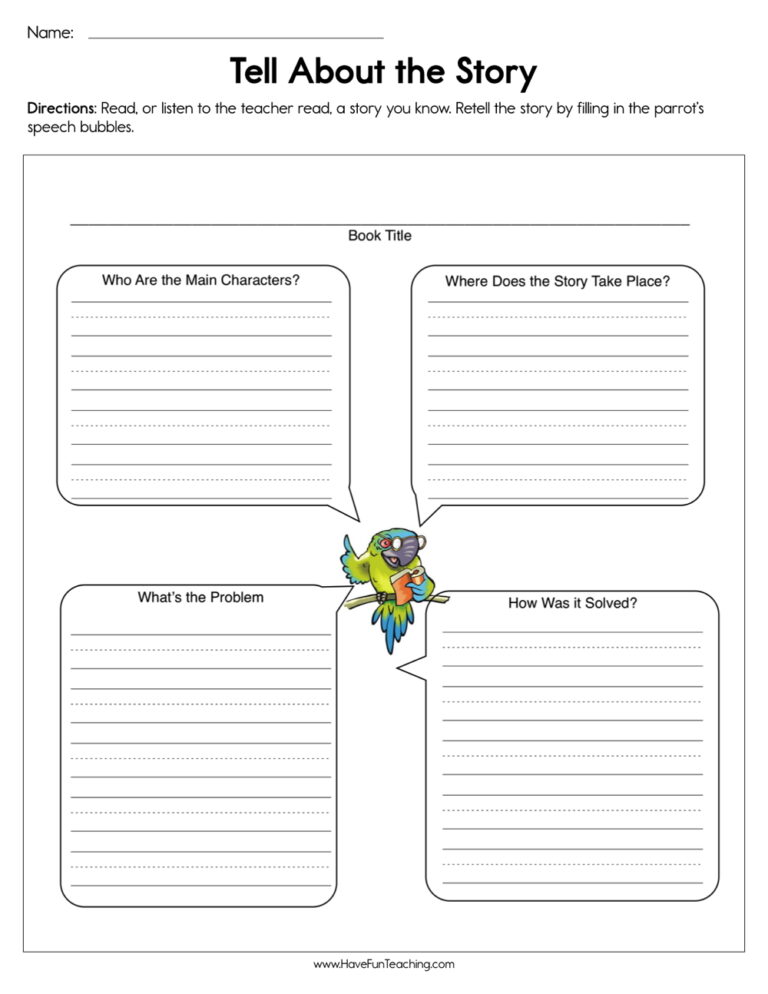
Use this Tell About the Story Worksheet after any book your 1st Grade readers choose. They write the title, then fill four boxes for characters, setting, problem, and ending to retell what they read with confidence.

Using Feeling Words Activity, students read Amy Goes to First Grade to find words and phrases that describe Amy's feelings on the first day of school.
Use this Important Elements of the Story Worksheet to help first grade readers name the characters, setting, and events in an original short story. Includes five questions and an answer key.

This Telling About the Story Worksheet gives 1st graders four boxes to retell any book they read - characters, setting, problem, and solution - turning every story into clear, confident writing practice.
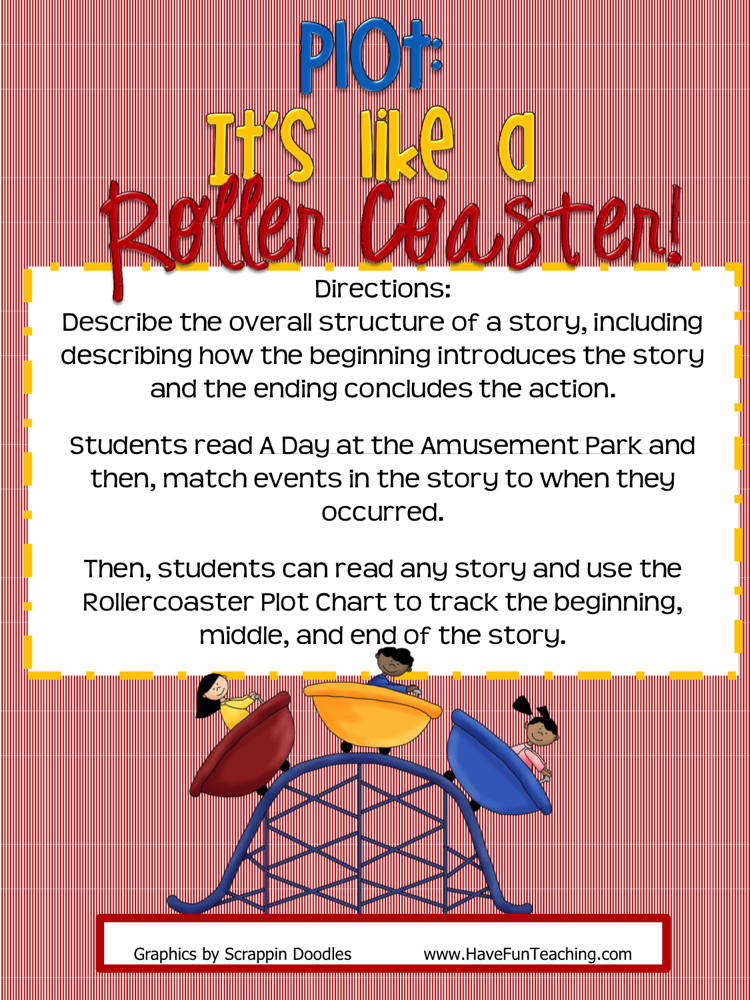
Using Beginning Middle End Plot Activity, students describe the overall structure of a story, including describing how the beginning introduces the story and the ending concludes the action.
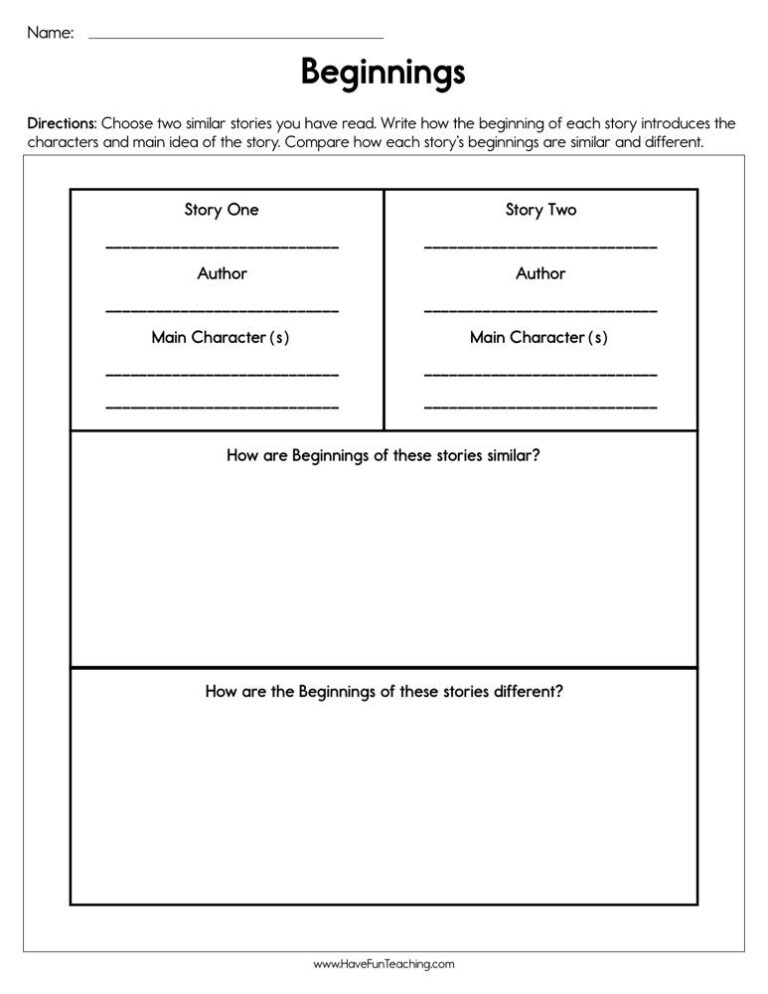
Using Beginnings Worksheet, students write how the beginning of each story introduces the characters and main idea of the story to compare the two similar stories read.
Using this Story Elements Song (MP3), your students learn about how to find examples of story elements in order to build comprehension as they read.
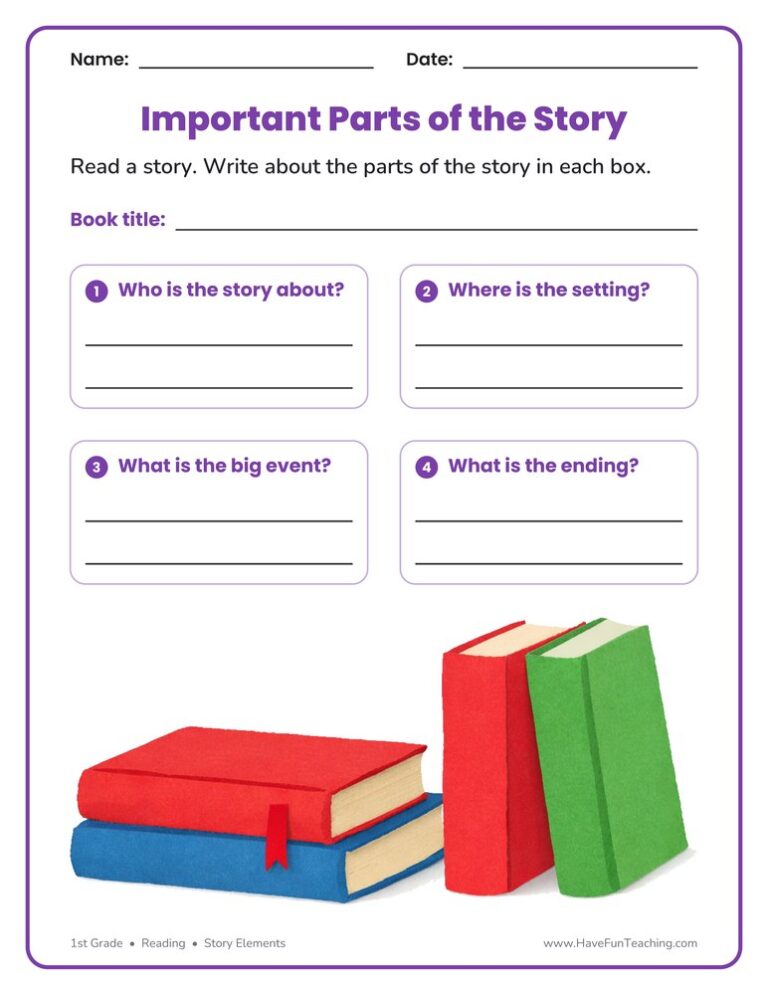
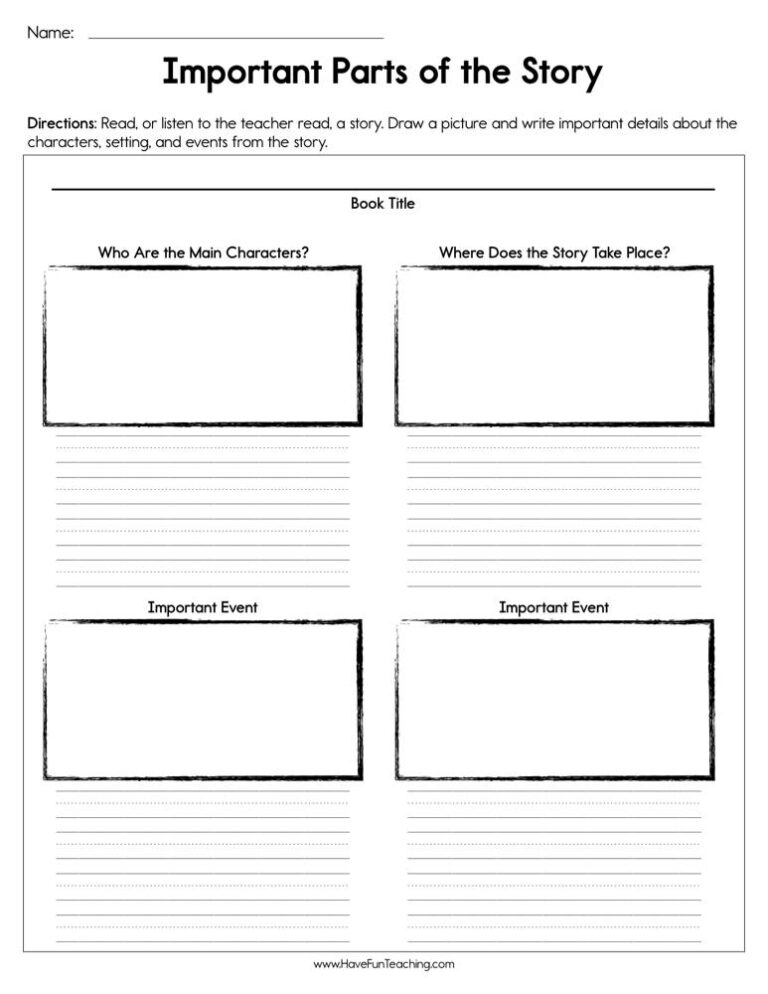
This Important Parts of the Story Worksheet gives 1st Grade students four labelled boxes, so every child names the characters, the setting, the big event, and the ending of any book they read.

Using Describe Characters and Setting Activity, students explain how specific aspects of a text's illustrations contribute to what is conveyed by the words in a story.
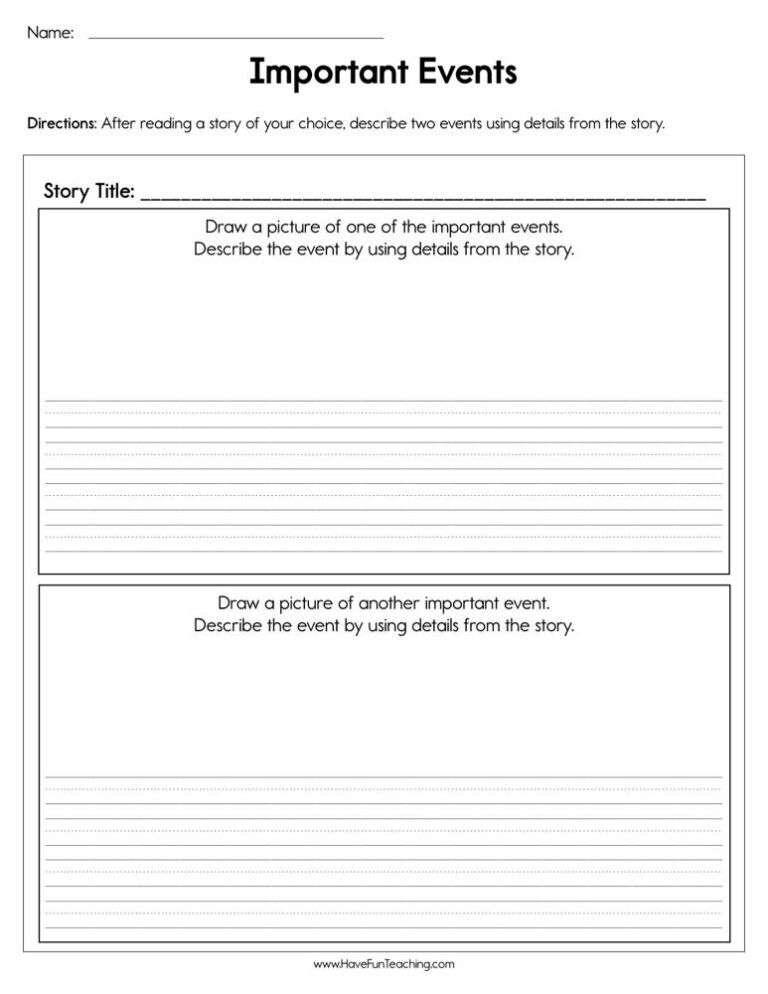
This important events worksheet has 1st graders read a short story about Little Bear and answer five questions about the plot. An answer key is included for fast, easy checking.
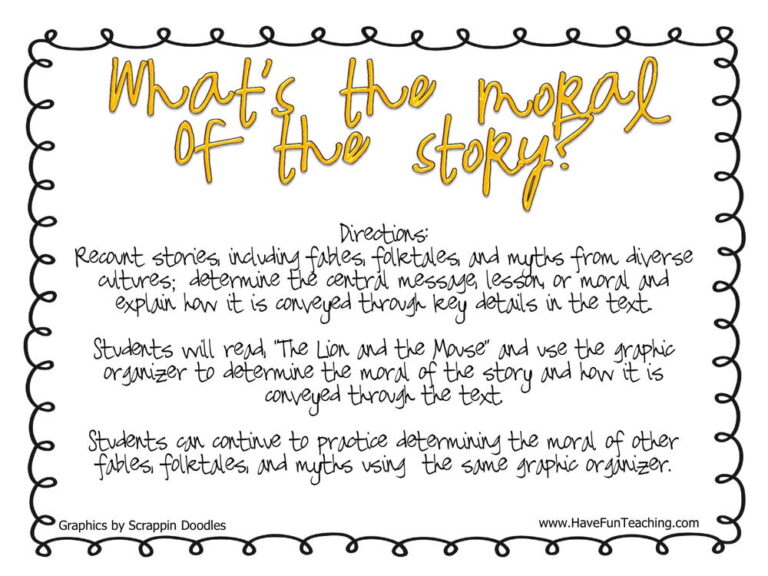
Using What's the Moral of the Story Activity,students recount fables and folktales from diverse cultures, and determine their central message, lesson, or moral.
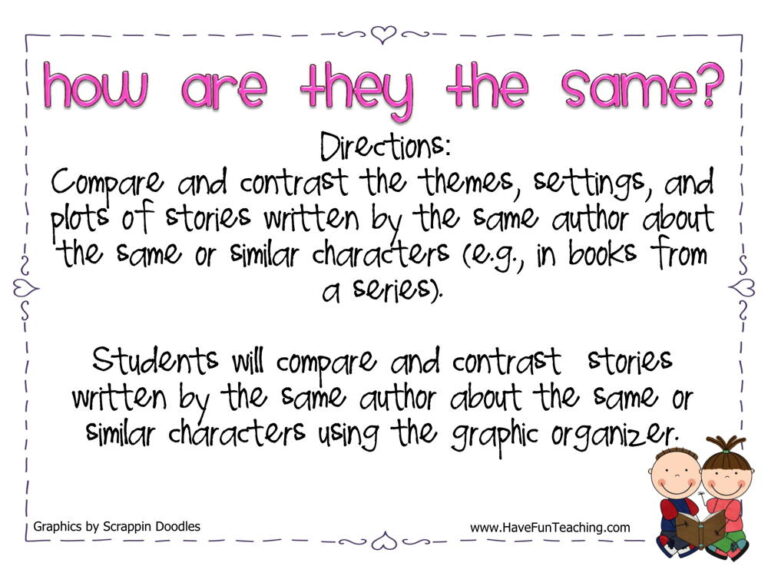
Using How are They the Same Compare and Contrast Story Elements Activity, students compare and contrast the themes, settings, and plots of stories written by the same author about the same or similar characters.
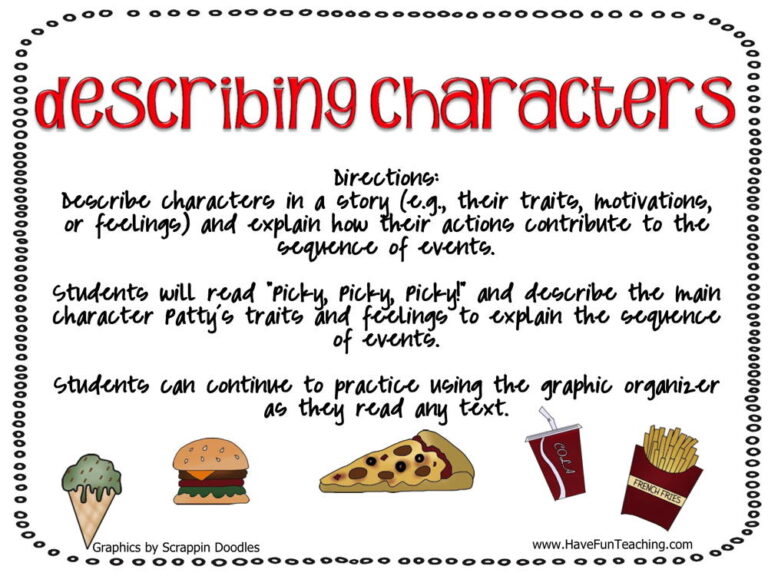
Using Describing Characters Beginning Middle and End Activity, students describe the overall structure of a story, including describing how the beginning introduces the story and the ending concludes the action.