
3 days free
Ready for the whole library?
You’ve had your freebie — but members download 10,000+ resources for every grade, all year long. Try it free — $0 today, cancel anytime.
Free for teachers
Pick your grade. We’ll send 10 free resources.
Worksheets, activities and a video — picked for your classroom, ready to print tonight.
One free bundle per teacher. We’ll also send free teaching ideas each week — unsubscribe anytime.


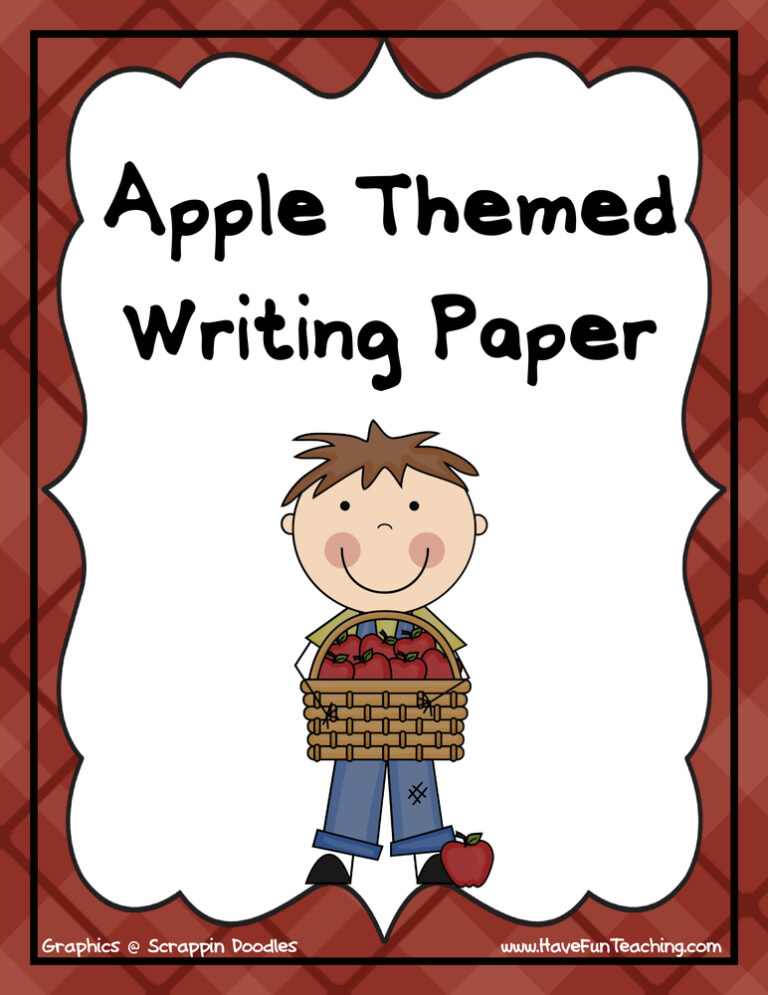
Using thisApple Themed Writing Activity, students practice their comparing, sequencing, and poem writing skills while writing all about apples!

Using thisSilly Stories Story Starters, studentschoose a Character, Setting and Plot from the picture and word cards to write or tell a story about the fun and unique combination.

Using How Does The Character Respond Activity, students describe how characters in a story respond to major events and challenges.

Using Compare Contrast Book Covers Worksheet, students compare two books using information from the book cover to determine how they are alike and different.
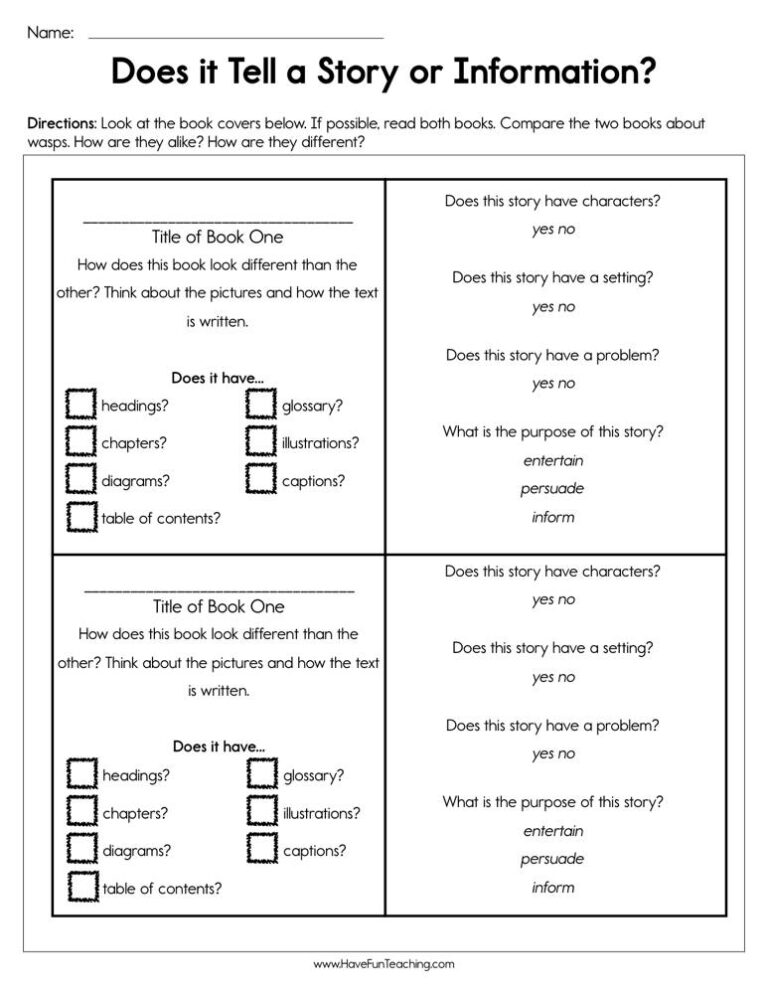
Using Does it Tell a Story or Information Worksheet, students compare two texts about wasps to determine how they are alike and different.
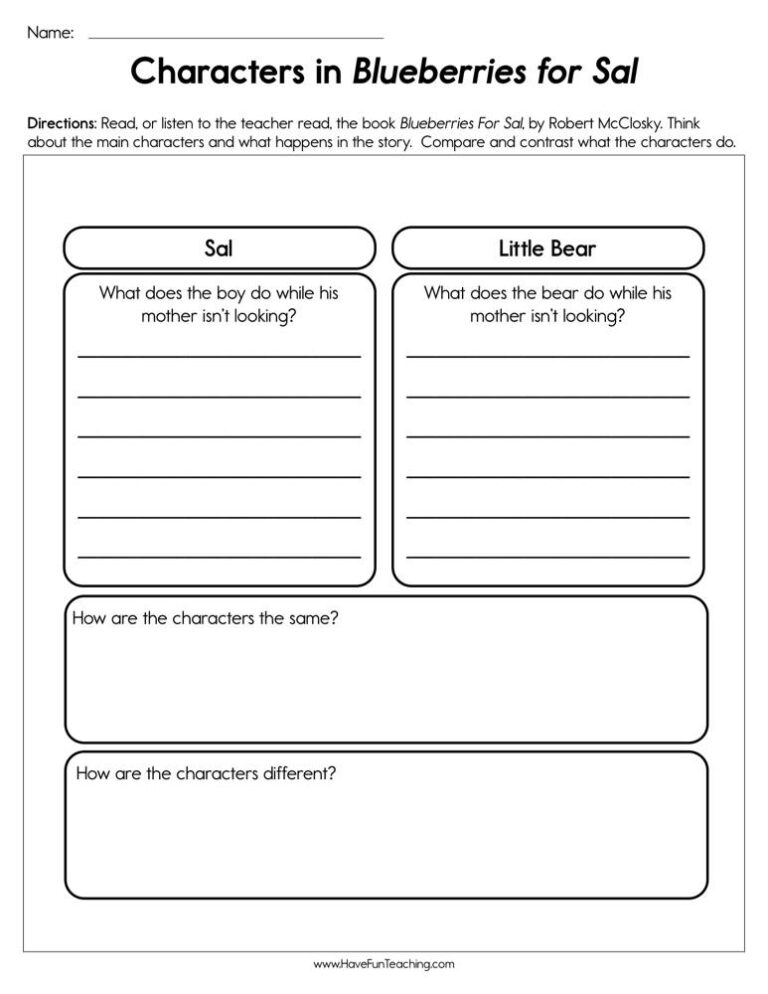
Using Characters in Blueberries for Sal Worksheet, students compare two characters from a story to determine how they are alike and different.
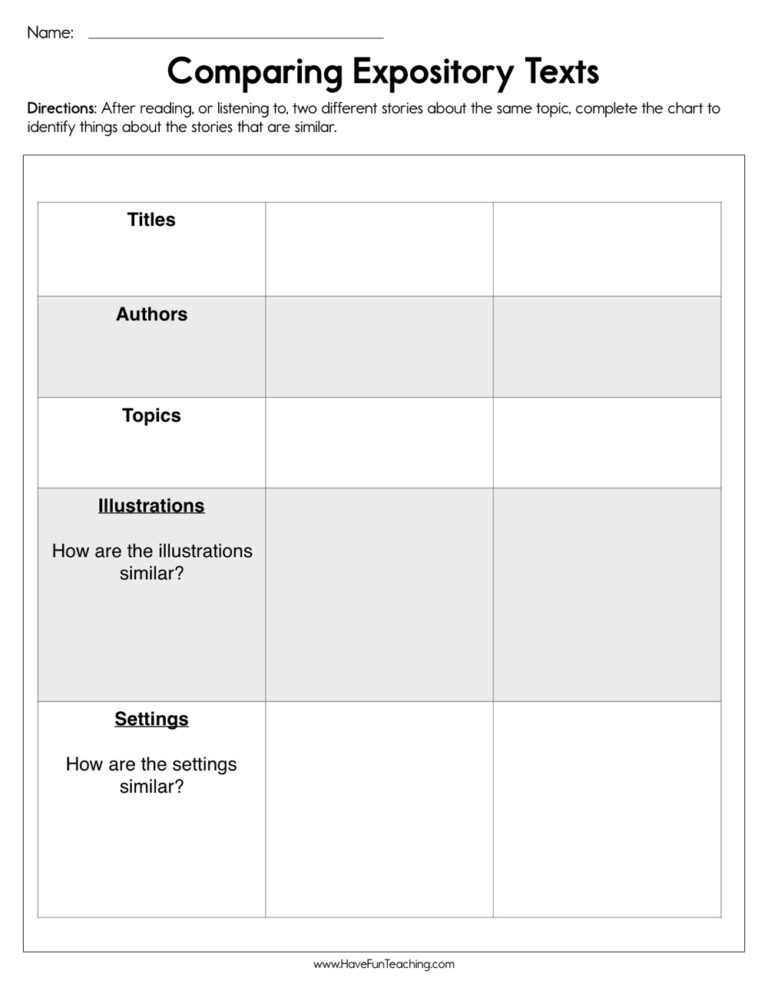
Using Comparing Expository Texts Worksheet, students compare story elements intwo different stories about the same topic to determine how they are alike and different.

The Build a Snowman Sequence Worksheet asks 1st grade readers to number five winter steps in order, then write the first, middle, and last one. Answer key included, so ordering practice checks itself.
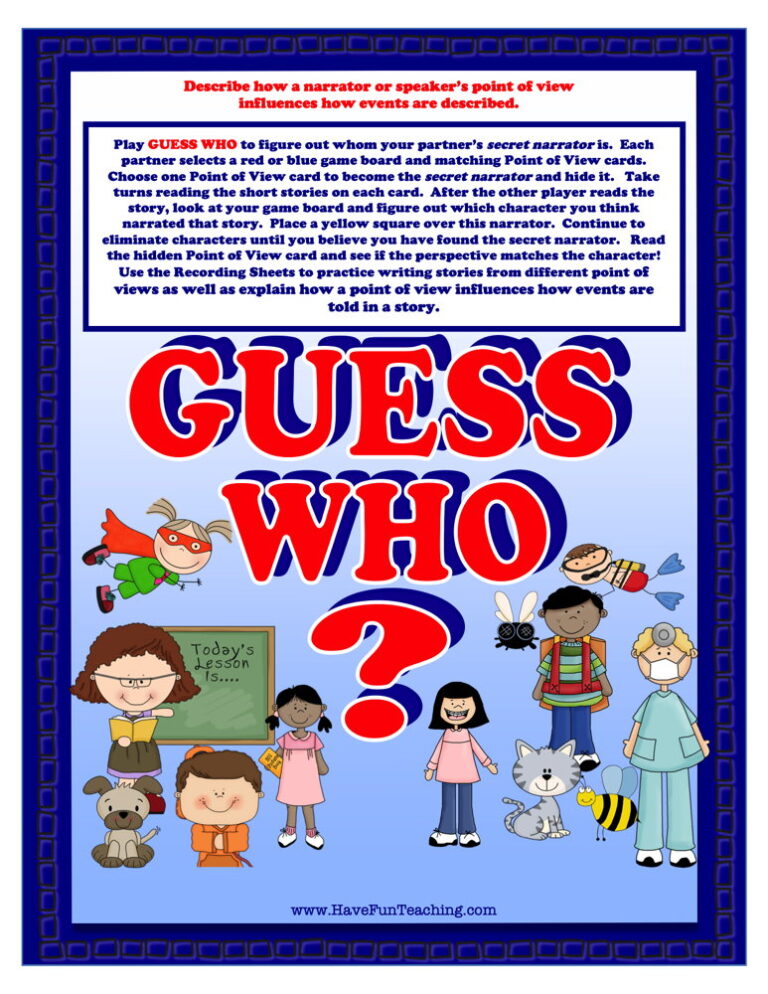
Using this Guess Who Point of View Activity, students identify their partner's "secret narrator" as the partner reads a text card.
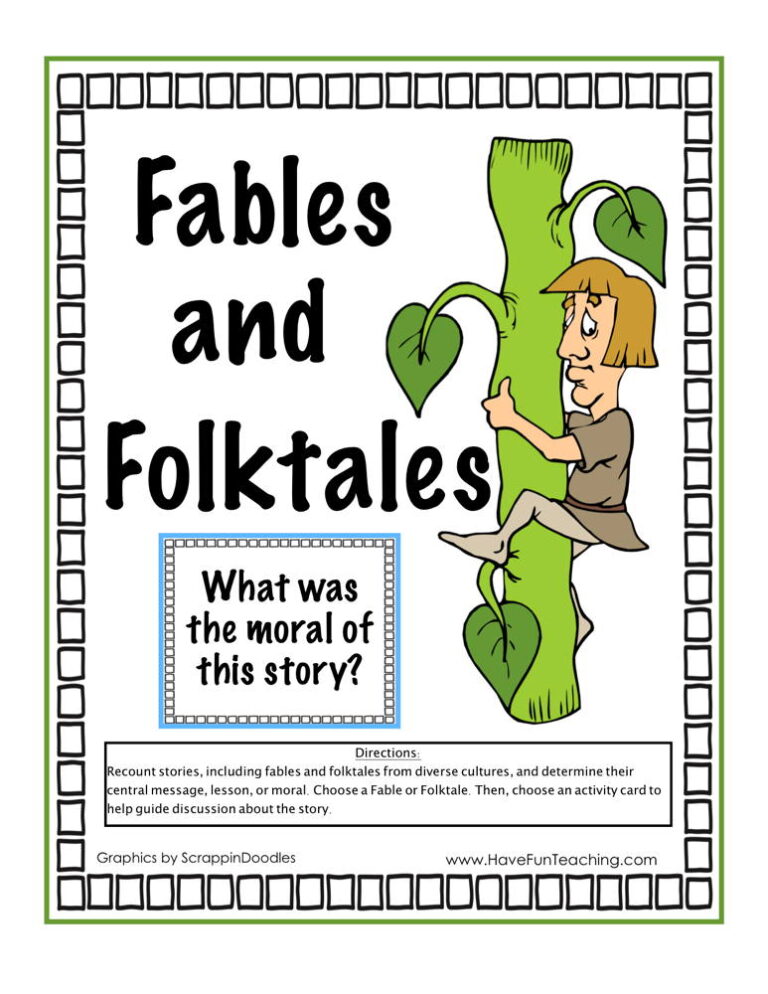
Using Fables and Folktales Activity,students recount fables and folktales from diverse cultures, and determine their central message, lesson, or moral.
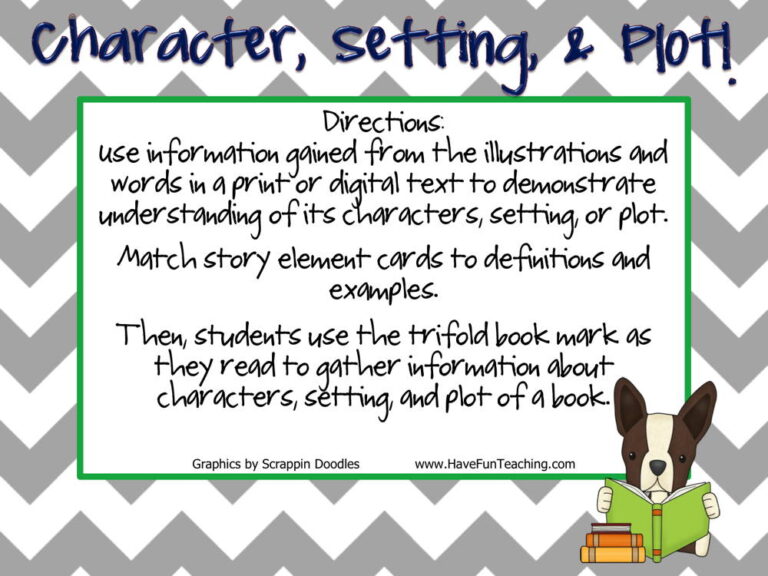
Using Character Setting Plot Activity, studentsfind examples of story elements as they read to build their reading comprehension.
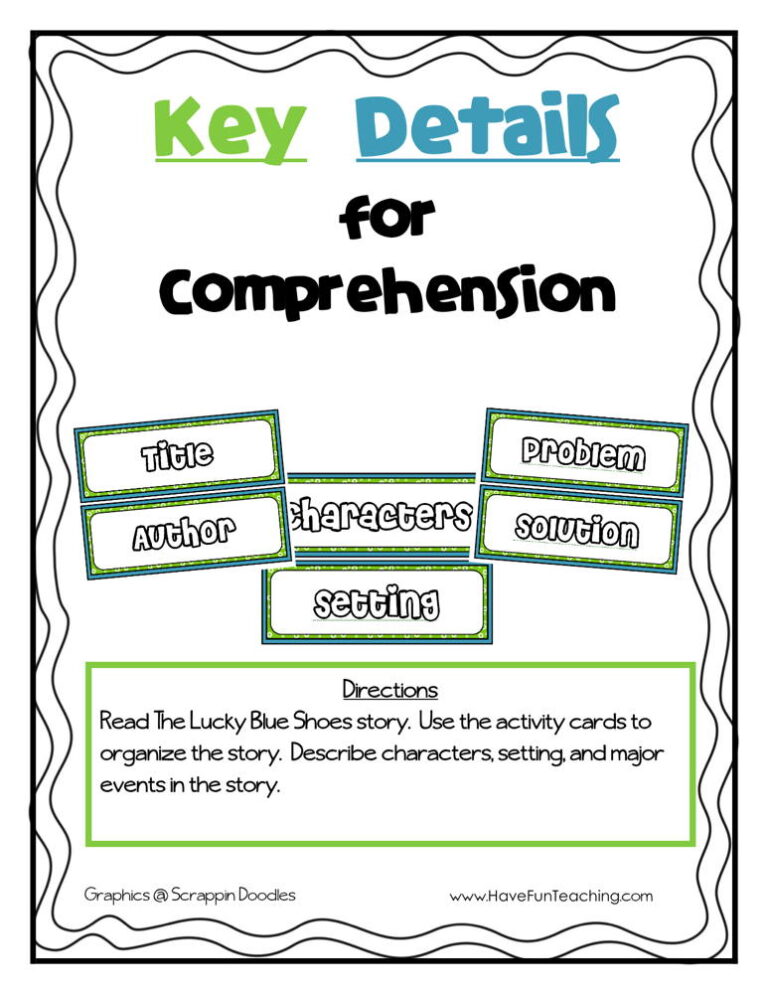
Using Key Details for Comprehension Activity, students read The Lucky Blue Shoes to describe the characters, setting, and major events in the story.
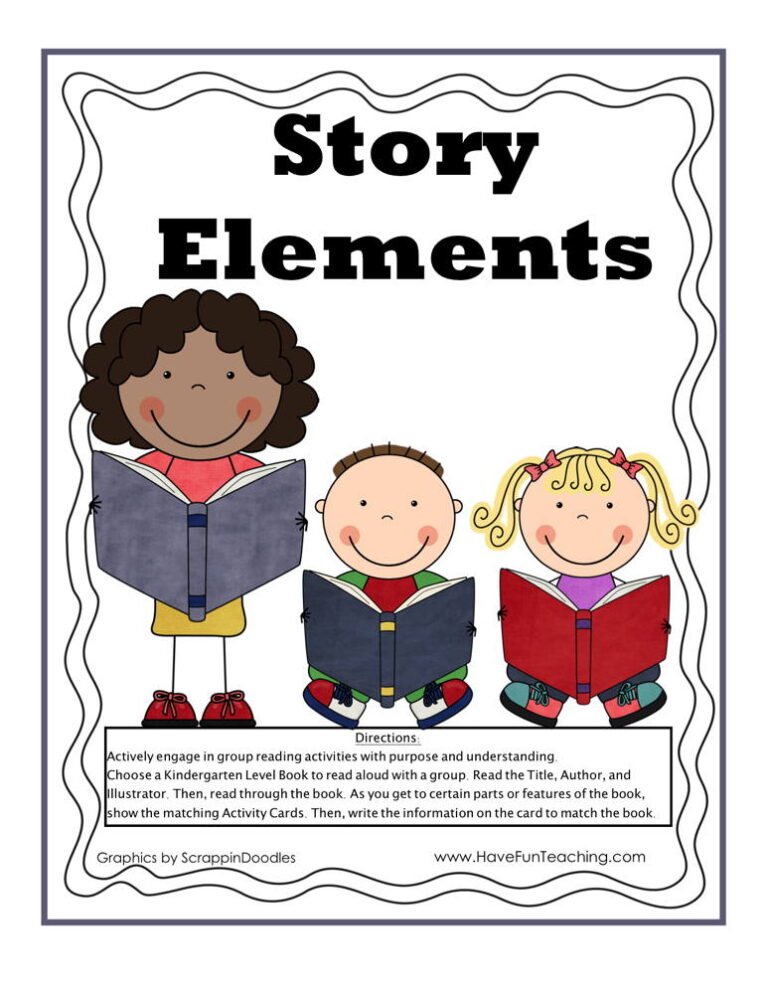
Using Story Elements Activity, studentsfind examples of text features and story elements to build their reading comprehension.
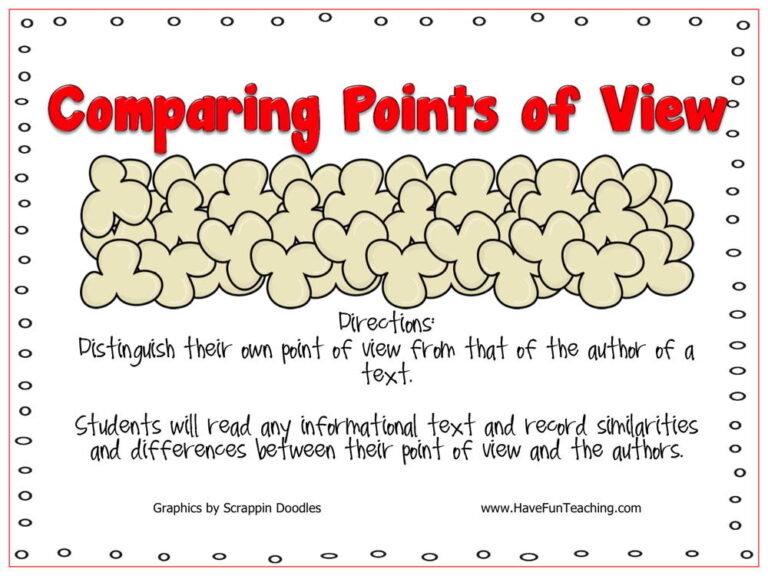
Using Comparing Points of View Activity, students distinguish their own point of view from that of the author of a text.

This RL.1.7 First Grade Common Core Lesson includes RL.1.7 Worksheets, RL.1.7 Activities, RL.1.7 Assessment, and RL.1.7 Poster.

Using Sequencing Events Organizer Worksheet, students use the planner to write your own story or to write 5 events from a story in order.

Using Sequencing Organizer Worksheet , students use the planner to write your own story or to write 5 events from a story in order.
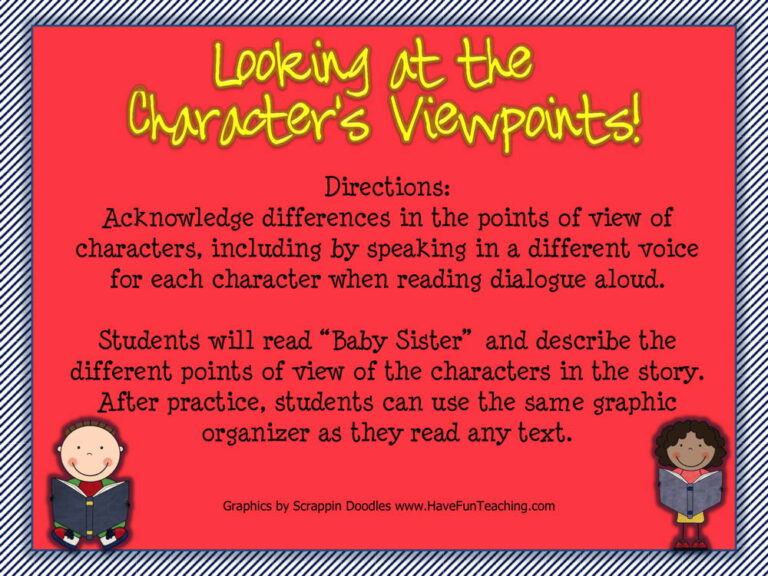
Using Looking at the Character's Viewpoints Activity, students acknowledge differences in the points of view of characters to gain a different perspective.
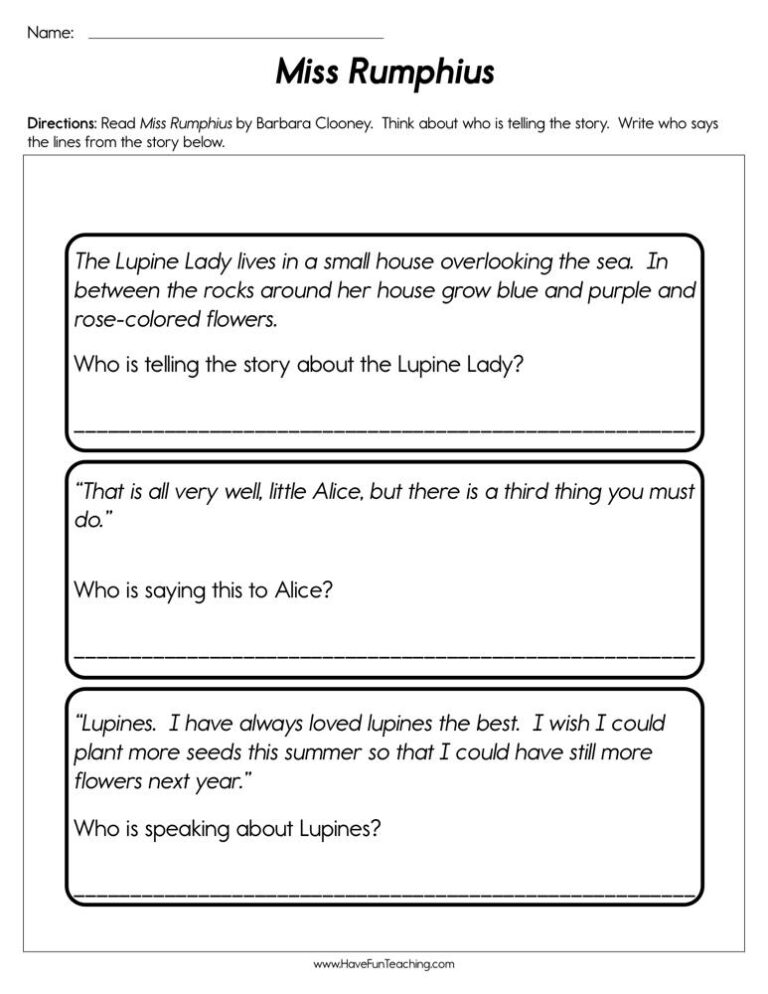
Using Miss Rumphius Point of View Worksheet, students read Miss Rumphius by Barbara Clooney to determine who says the lines from the story.

Using Point of View Activity, students identify who is telling the story at various points in a text.



