

Using Digging for Information Text Structure Activity, students describe the relationship between events, scientific concepts, or procedures in a text.

Using Hurricanes Reading Comprehension Activity, students refer to details to explain what the text says explicitly and when drawing inferences. This is perfect for making inferences and drawing conclusions.

Using My Point of View Activity, students distinguish their own point of view from that of the narrator or those of the characters.
Using this Find It In The Text Activity, students ask and answer questions to demonstrate understanding of a text, referring explicitly to the text as the basis for the answers.

Using Reading Prose and Poetry Worksheet, students keep track of the stories they read this year by writing the title and the rating each book.
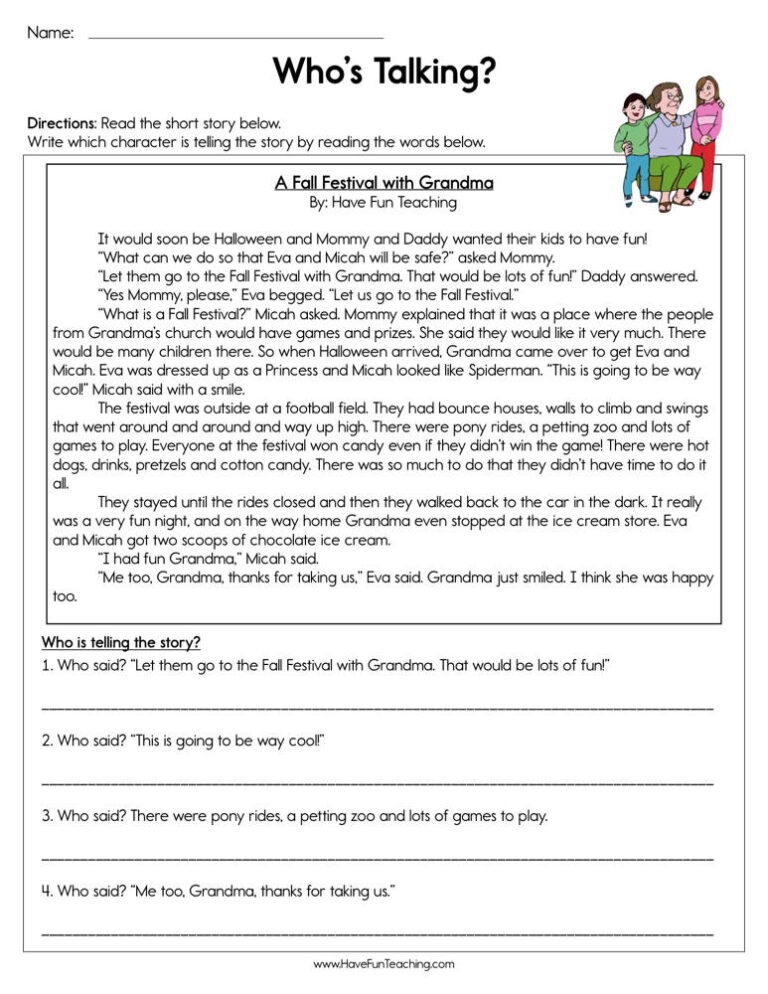
Using Who's Talking Worksheet, students write which character is telling the story by making inferences based on what the text says.
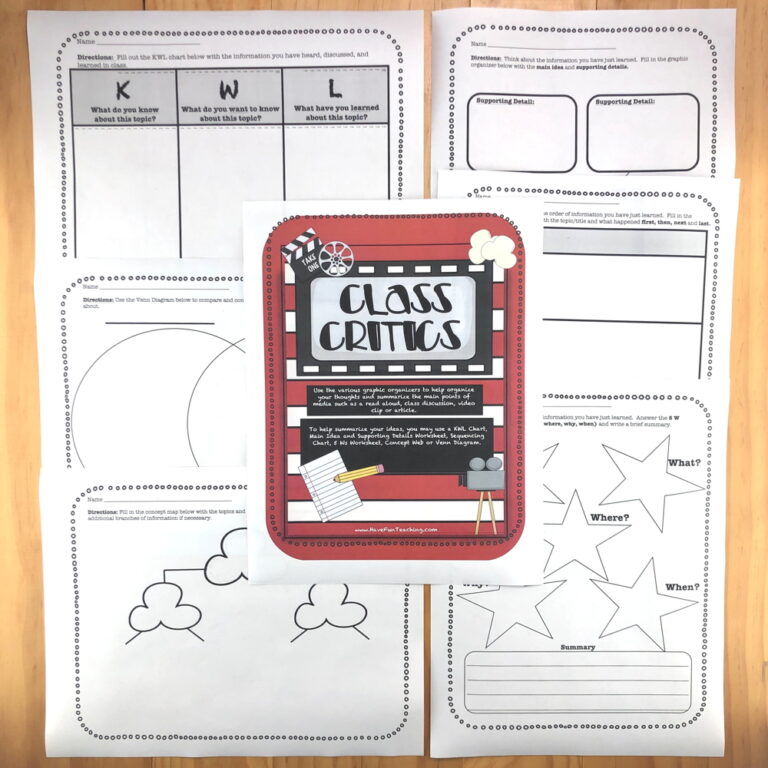
Using Retell the Story Activity, students read Floppy Ears aloud to students and then use the question chart to assess students ability to retell the story.

Using this Read It Decoding Words Activity, students decode provided words by using the provided tips on the "What should I do when I don't know a word?" poster.

Using Firsthand and Secondhand Accounts Activity, students read both firsthand and secondhand accounts of the same event to describe the differences in the information provided.
Using this What Does it Mean Literal Non-Literal Language Activity, students determine the meaning of words and phrases as they are used in a text, distinguishing literal from non-literal language.

Using Read it Fluently Cooperative Learning Activity, students readwith sufficient accuracy and fluency to support comprehension.
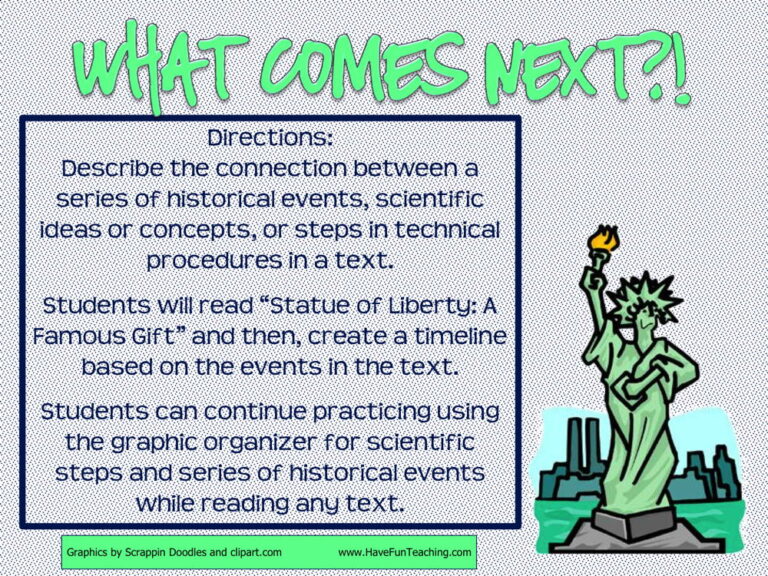
In order to use this What Comes Next? Timeline Activity, your students will describe the connection between a series of historical events, scientific ideas or concepts, or steps in technical procedures in a text.

Using Informational Texts Worksheet, students keep track of the stories they read this year by writing the title and the rating each book.
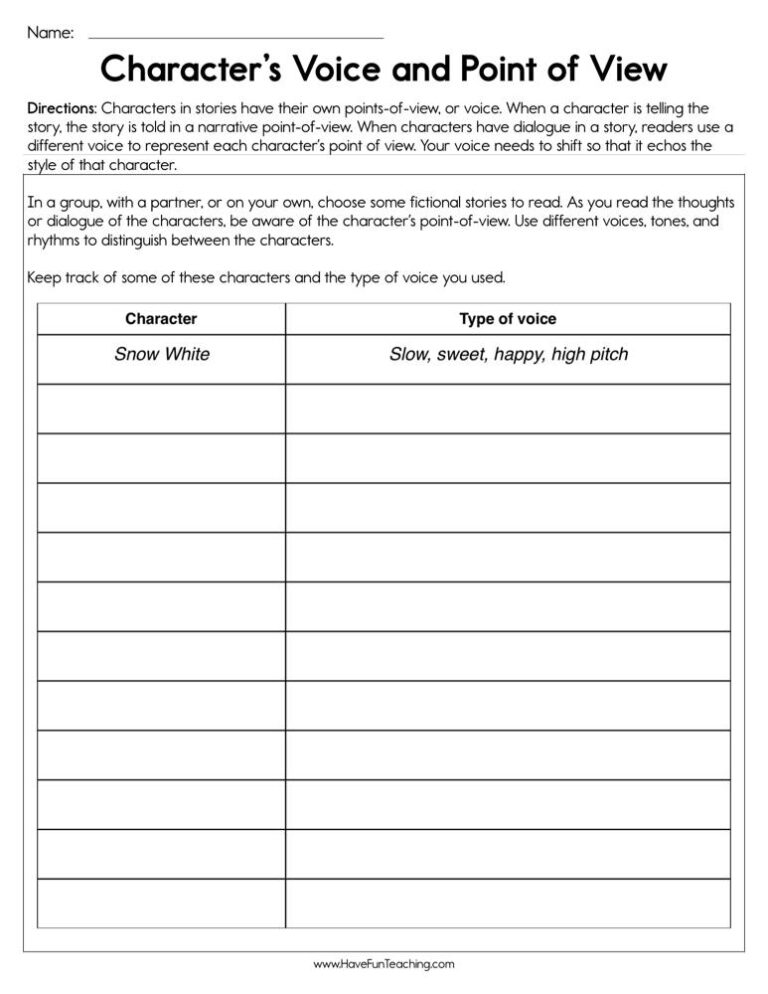
UsingCharacters Voice and Point of View Worksheet, students keep track of different types of voice characters use to show their point of view in a story.

Using Books My Students are Reading Worksheet, teachers keep track of the stories their students are reading to record the status of the class.

Using RI.4.10 Fourth Grade Common Core Lesson, students read and comprehend informational texts, including history/social studies, science, and technical texts.

Using the Comparing Themes of Two Stories Activity, students use a Venn Diagram to compare and contrast the theme of two passages.
Using this Why oh Why Story Details Activity, students answer the questions "What happened?" and "why did it happen?" while citing their textual evidence.

Using this Whose Point of View Compare and Contrast Activity, students identify whether a story is being told in a first- or third-person POV, while comparing and contrasting the two.

Using the Practice Makes Perfect Fluency Activity, students read the passage with accuracy and fluency while you take notes on their reading.