
Skip to content
Start My 3 Free Days $0 today · cancel anytime

4th Grade Classification Resources

5 4th grade classification resources: 3 activities, 1 worksheet, 1 song and more. How teachers use these

4th Grade Classification Resources

5 4th grade classification resources: 3 activities, 1 worksheet, 1 song and more. How teachers use these

Worksheet
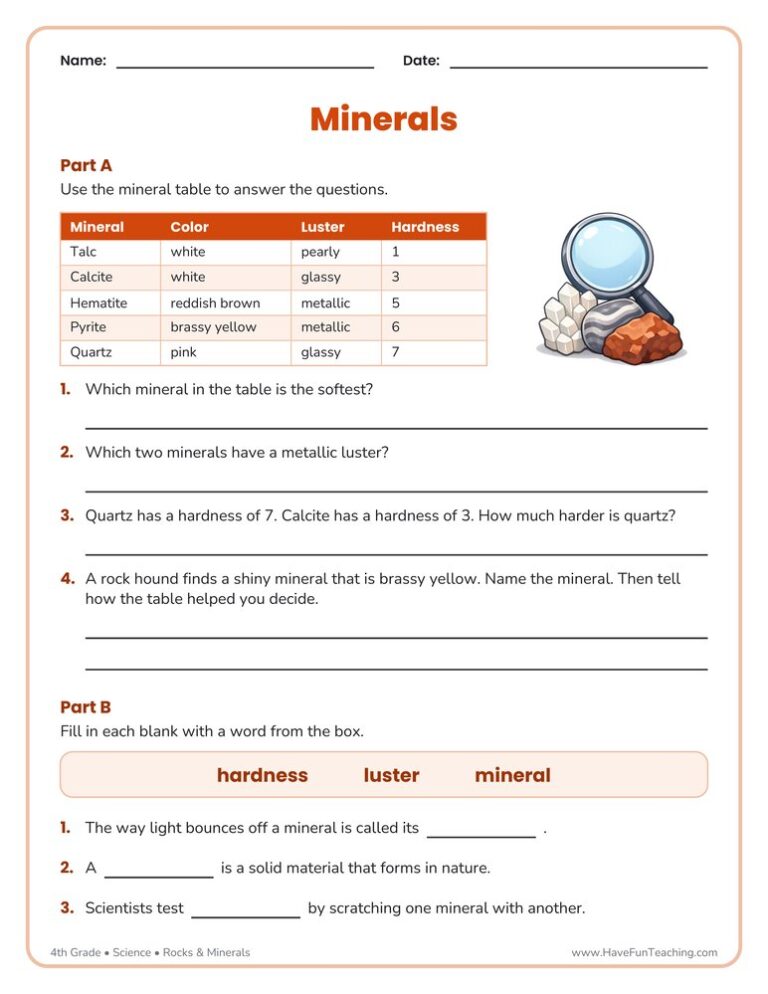
Worksheet4th GradeRocks & Minerals Worksheet

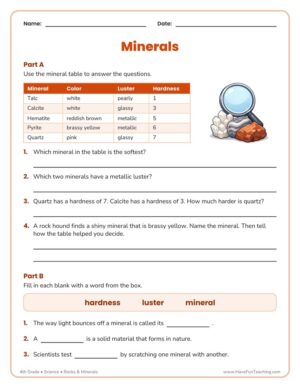
This Rocks & Minerals Worksheet gives 4th graders a real property table of talc, calcite, hematite, pyrite, and quartz to read and reason from. Answer key included, so mineral identification practice takes no prep at all.

Video
Video4th GradeAnimal Song (Animated Music Video)

Using this Animal Song (Animated Music Video), your students learn about different types of animals and their sounds by watching this fun, catchy video.

Activity
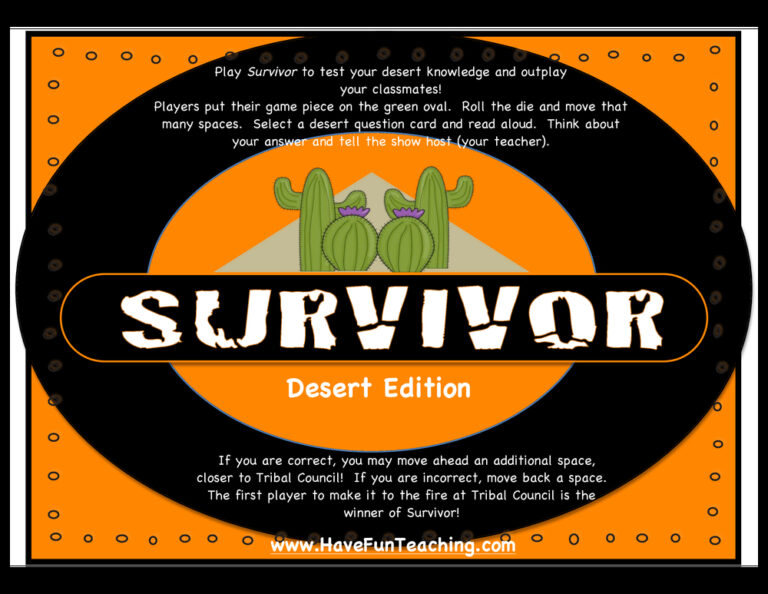
Activity4th GradeSurvivor Desert Edition Activity

Using this Survivor Desert Edition Activity, students play the survivor board game to test your knowledge of animals and their habitats.

Activity
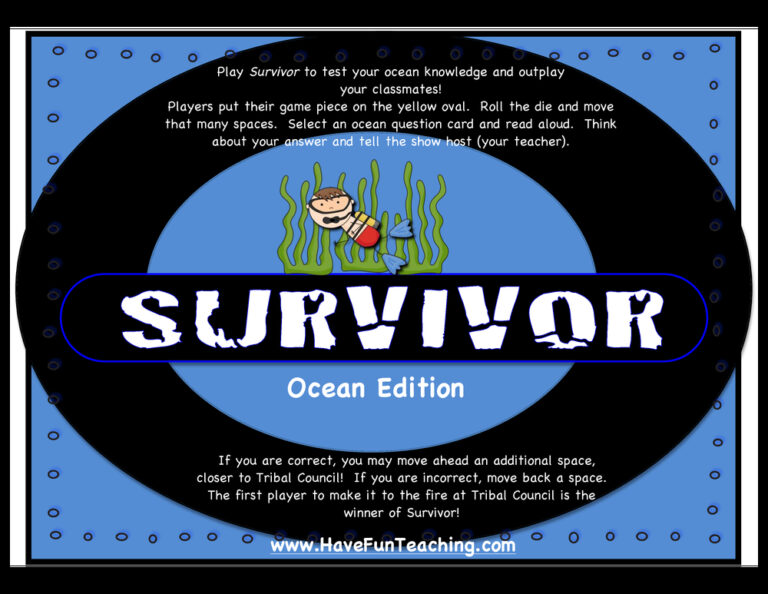
Activity4th GradeSurvivor Ocean Edition Activity

Using this Survivor Ocean Edition Activity, students play the survivor board game to test your knowledge of animals and their habitats.

Activity
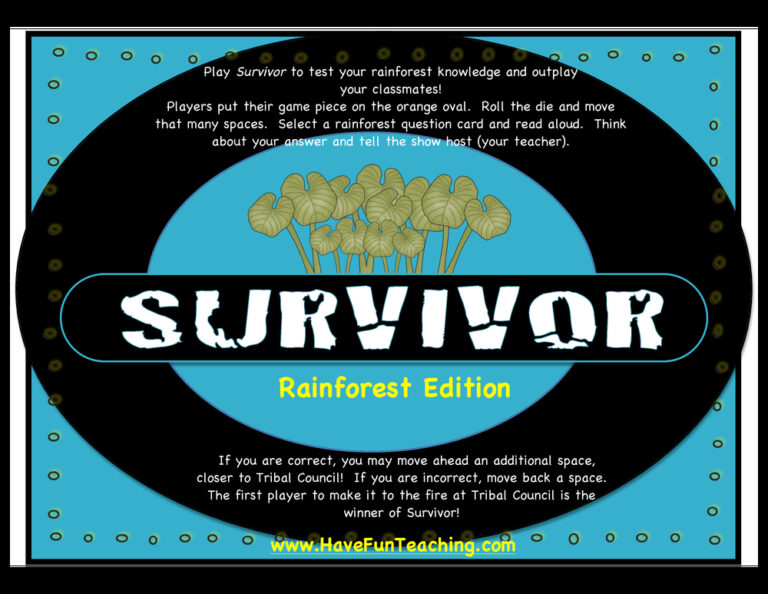
Activity4th GradeSurvivor Rainforest Edition Activity

Using this Survivor Rainforest Edition Activity, students play the survivor board game to test your knowledge of animals and their habitats.

From our teachers' playbook

Sort it like a scientist!

What do 4th graders learn about classification?

In 4th grade, classification means grouping things by their shared traits, just like real scientists do. Kids sort animals into groups such as mammals, birds, reptiles, amphibians, fish and insects, and learn the difference between vertebrates and invertebrates. They classify rocks as igneous, sedimentary or metamorphic based on how they formed. They also look at how animals' features help them survive in deserts, oceans and rainforests. The click comes when kids realize a whale is a mammal, not a fish, because it breathes air and feeds its babies milk!

Our favorite ways to teach classification in 4th grade

Fourth graders love sorting when they get to defend their choices. These are our go-to moves.

Rock sort lab

Set out a few real rocks with magnifying glasses. Kids look for layers, crystals or bubbles and sort them into igneous, sedimentary or metamorphic. Then they explain their clues to the group.

Why it works: the U.S. Department of Education's guide for teaching elementary math recommends moving from hands-on objects to drawings to numbers.
Rocks & Minerals WorksheetTry it withRocks & Minerals WorksheetWorksheetsOpen it →

Sing the animal groups

Play an animal song as kids hold up cards for mammals, birds, fish and more. Afterward, quiz them on which group each animal in the song belongs to. Music makes a long list of groups easier to remember.

Why it works: a catchy, repeating tune gives the brain a hook to hang words on, so sung text is remembered better (Wallace, 1994).

Animal Song (Animated Music Video)Try it withAnimal Song (Animated Music Video)SongsOpen it →

Make a sorting tree

Start with a big question, like "Does it have a backbone?" and branch into yes or no. Keep adding questions until each animal has its own spot. Kids see how scientists narrow things down step by step.

Why it works: pairing a picture with each word gives kids two ways to remember it, a well-tested principle of how people learn (Mayer, 2009).

Survivor Desert Edition ActivityTry it withSurvivor Desert Edition ActivityActivitiesOpen it →

Questions parents and teachers ask about 4th grade classification

What is classification in science?

Classification is grouping living and nonliving things by their shared characteristics. Scientists use it to organize and study the world more easily.

What animal groups do 4th graders learn?

Fourth graders often learn mammals, birds, reptiles, amphibians, fish and insects. They also learn to sort animals into vertebrates, which have backbones, and invertebrates, which don't.

What are the three types of rocks?

Igneous rocks form from cooled magma or lava. Sedimentary rocks form from layers of pressed sediment. Metamorphic rocks form when heat and pressure change other rocks.

How can I practice classification at home?

Sort toys, leaves, rocks or snacks by different traits and have your child explain the rule. Then ask them to find another way to sort the same items.



