Skip to content
Start My 3 Free Days $0 today · cancel anytime

3rd Grade Classification Resources

31 3rd grade classification resources: 21 worksheets, 7 songs, 7 videos and more. How teachers use these

3rd Grade Classification Resources

31 3rd grade classification resources: 21 worksheets, 7 songs, 7 videos and more. How teachers use these

Video
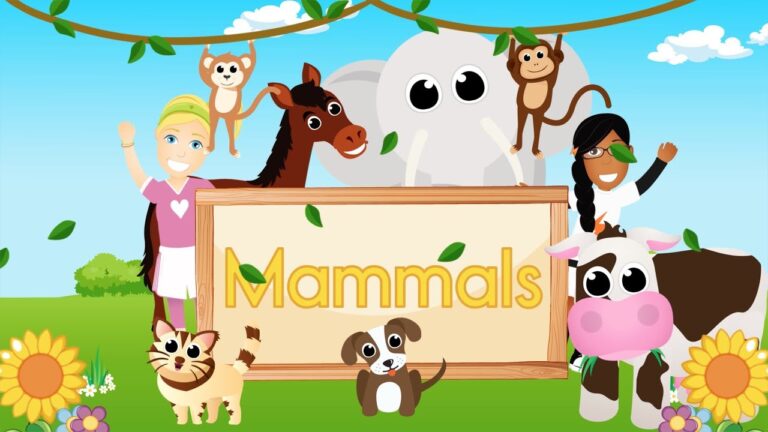
Video3rd GradeMammal Song

The Mammal Song by Have Fun Teaching is perfect for teaching and learning all about mammals. This animated music video teaches that mammals breathe air with lungs, are warm-blooded, have fur or hair, give birth to live young and feed their babies milk. While watching the Mammal Song, students learn…

Worksheet
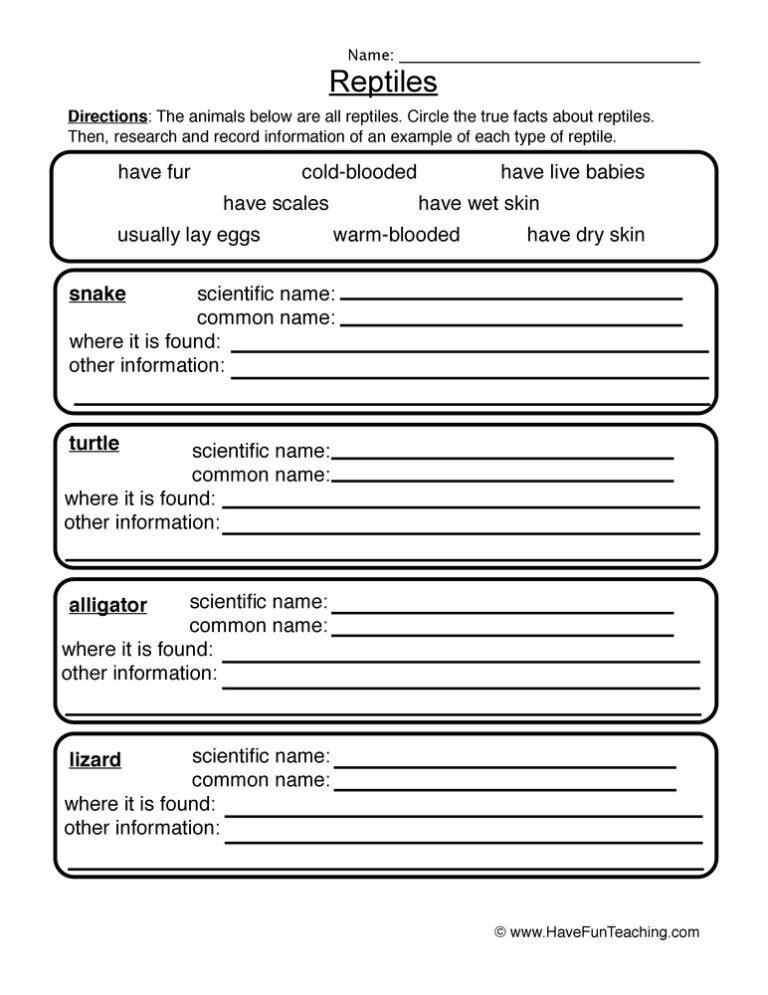
Worksheet3rd GradeReptiles Worksheet

This reptiles worksheet has 3rd Grade students check reptile facts, sort eight animals into reptile and not-a-reptile columns, and explain how a frog differs. An answer key is included, so checking work takes seconds.

Video
Video3rd GradeAnimal Song (Animated Music Video)

Using this Animal Song (Animated Music Video), your students learn about different types of animals and their sounds by watching this fun, catchy video.

Worksheet
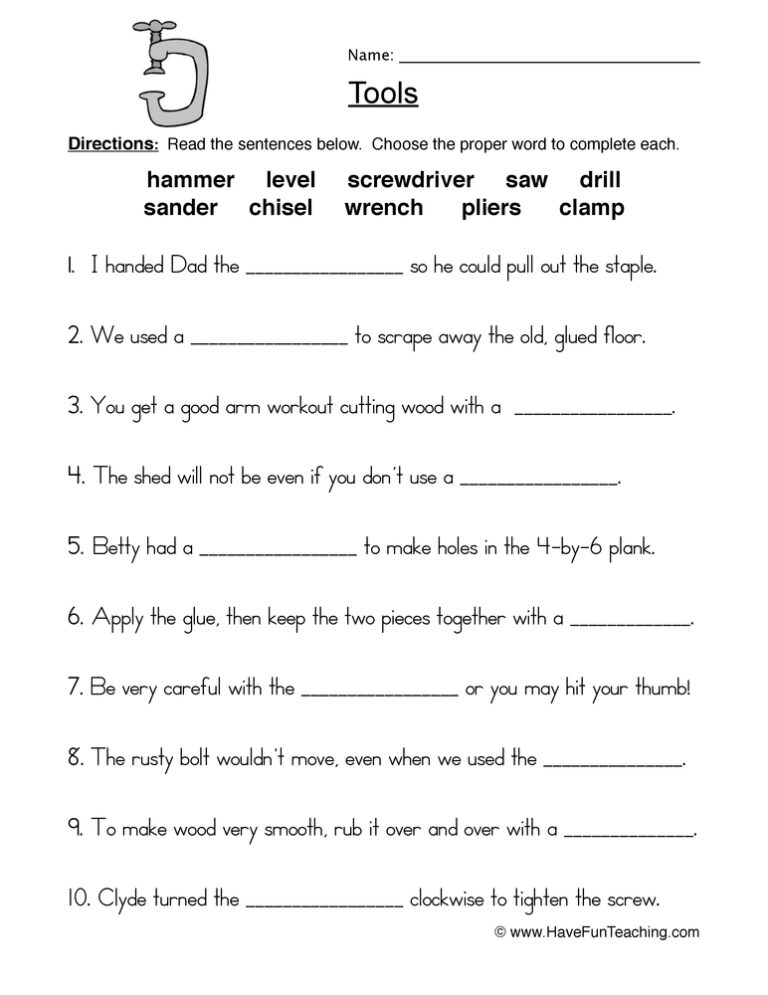
Worksheet3rd GradeTools Worksheet

This tools worksheet has 3rd graders name each tool from the job it does, then sort six tools into cutting, turning, and measuring groups. Answer key included, so science practice is ready to print and go.

Worksheet
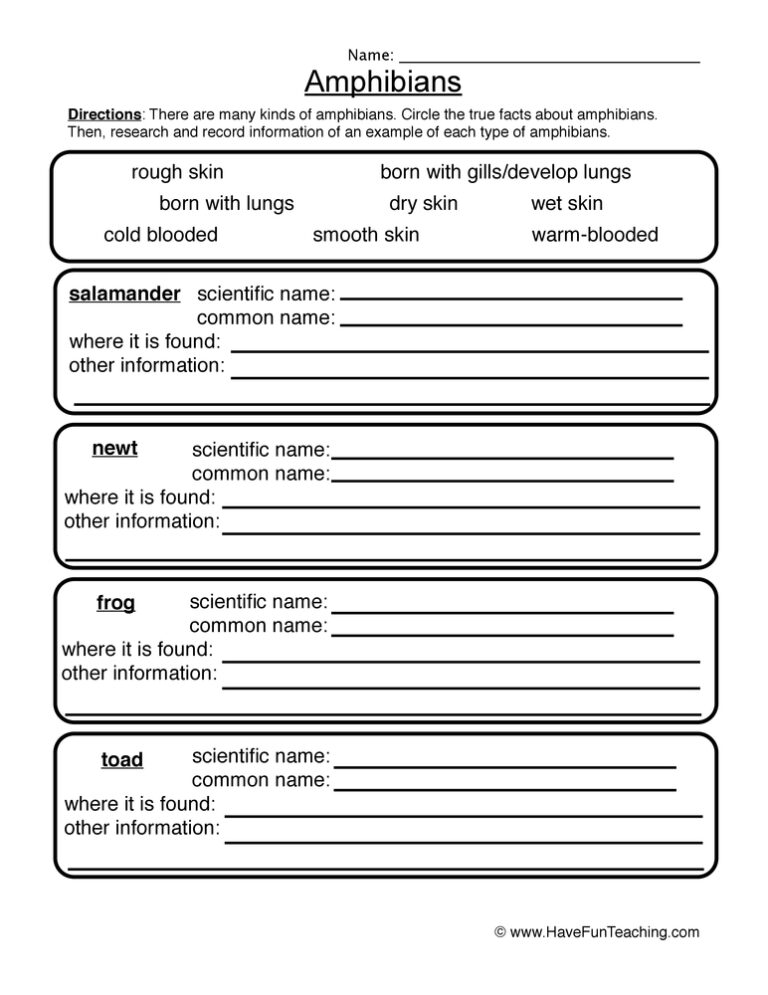
Worksheet3rd GradeAmphibians Worksheet

This amphibians worksheet has 3rd graders circle amphibian traits, sort eight animals into amphibian and non-amphibian columns, and explain their thinking. Answer key included for fast, no-prep science practice.

Video
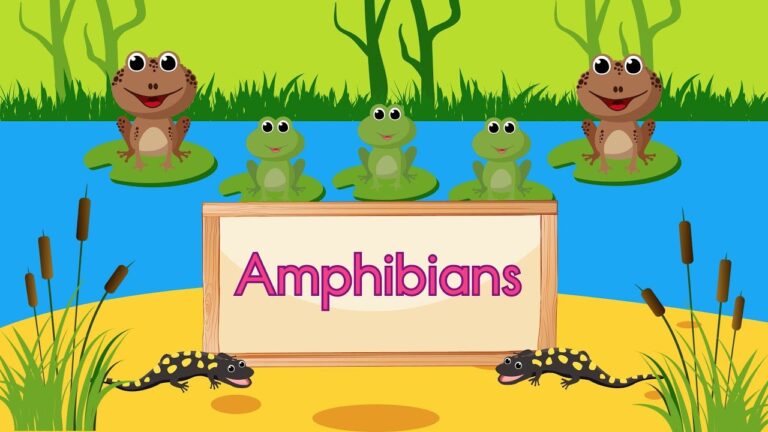
Video3rd GradeAmphibian Song

The Amphibian Song by Have Fun Teaching is perfect for teaching and learning all about amphibians. This animated music video teaches that amphibians live on land and in water, start life with gills, go through metamorphosis and have moist skin without scales. While watching the Amphibian Song, students learn the…

Worksheet
Worksheet3rd GradeBird Classification Worksheet

This bird classification worksheet asks 3rd grade students to sort eight animals into birds and not birds, then match four trait clues. A full answer key makes the sort quick to check.

Worksheet
Worksheet3rd GradeAnimals Matching Classification Worksheet

This animals matching classification worksheet has 3rd grade students sort twelve animals into mammals, birds, reptiles, amphibians, fish, and insects, then solve clue questions. An answer key is included for quick checking.

Video
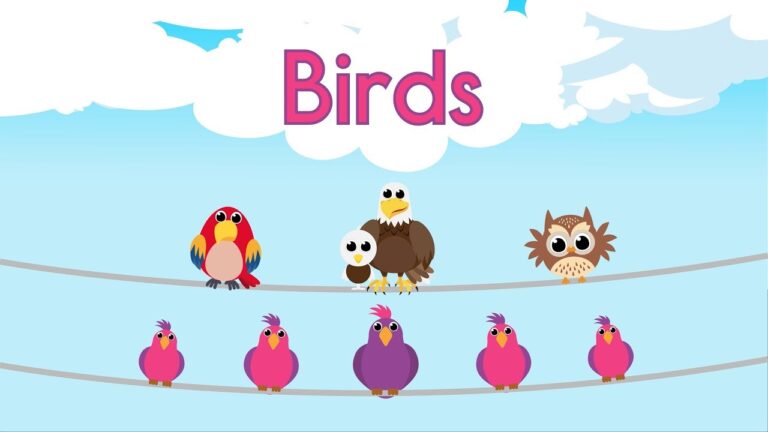
Video3rd GradeBird Song

The Bird Song by Have Fun Teaching is perfect for teaching and learning all about birds. This animated music video teaches that birds have beaks but no teeth, walk on two feet, lay eggs, are warm-blooded, have backbones and are covered with feathers. While watching the Bird Song, students learn…

Video
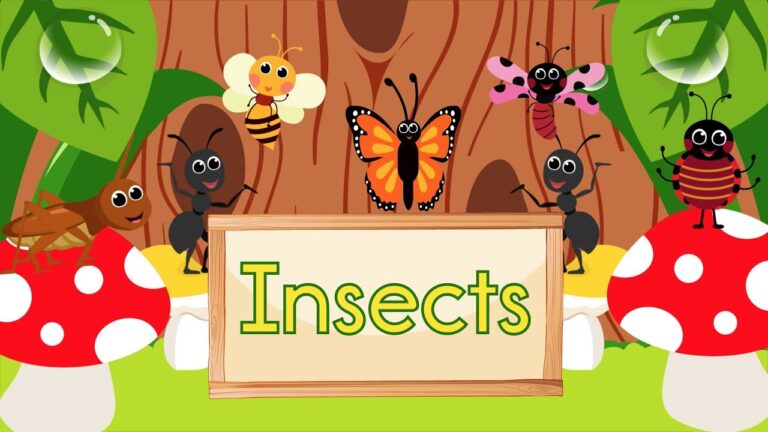
Video3rd GradeInsect Song

The Insect Song by Have Fun Teaching is perfect for teaching and learning all about insects. This animated music video teaches what makes an insect an insect: an exoskeleton, three body parts (head, thorax and abdomen), six legs and two antennae. While watching the Insect Song, students learn the traits…

Worksheet
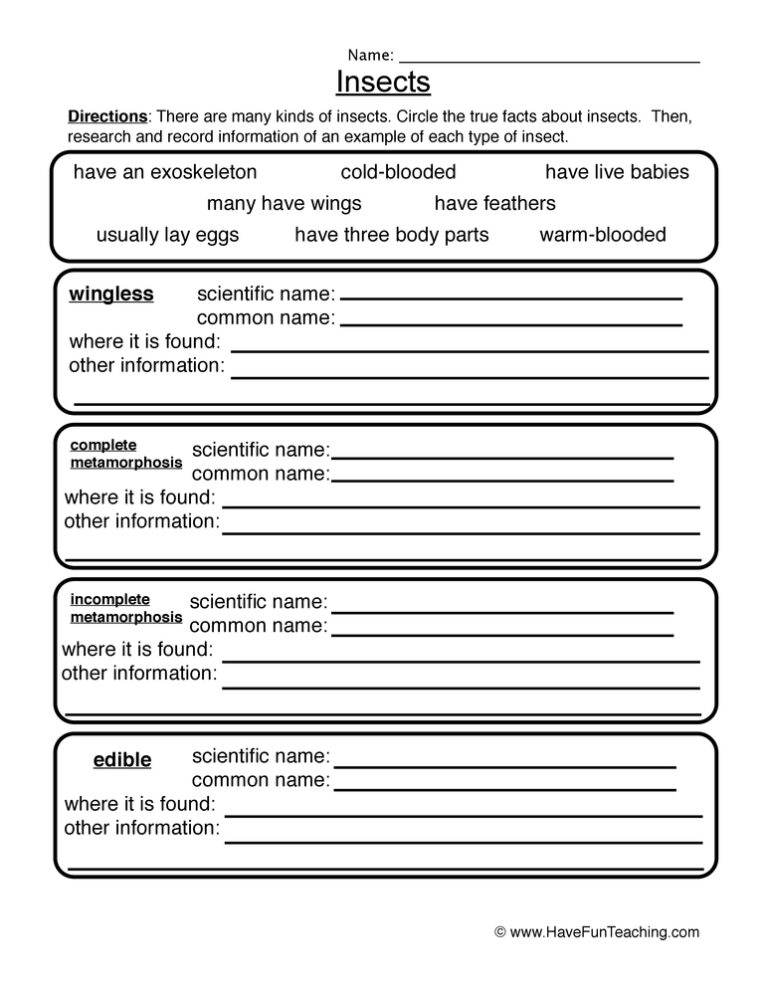
Worksheet3rd GradeInsects Worksheet

This insects worksheet helps 3rd grade students circle true insect facts, sort eight animals into insect groups, and explain why a spider is not an insect, with an answer key included for easy checking.

Video
Video3rd GradeFish Song

The Fish Song by Have Fun Teaching is perfect for teaching and learning all about fish. This animated music video teaches that fish have fins and scales, swim in water, breathe with gills, have skeletons of cartilage or bone, and live in freshwater and saltwater. While watching the Fish Song,…

Worksheet
Worksheet3rd GradeBirds Worksheet

This birds worksheet has 3rd graders circle the facts true of all birds, sort eight animals into Bird and Not a Bird, and explain why a bat is not a bird. Answer key included.

Video
Video3rd GradeReptile Song

The Reptile Song by Have Fun Teaching is perfect for teaching and learning all about reptiles. This animated music video teaches that reptiles breathe with lungs, have claws and scales, lay eggs on land, use the sun for heat and are cold-blooded. While watching the Reptile Song, students learn the…

Worksheet
Worksheet3rd GradeClassifying Hunt Worksheet

This classifying hunt worksheet has 3rd grade students sort everyday objects as hard or soft, then decide what floats and what sinks. An answer key is included for quick, easy checking.

Worksheet
Worksheet3rd GradeFish Worksheet

This fish worksheet has 3rd graders circle the facts that are true of all fish, sort eight animals into Fish and Not a Fish, and explain how a dolphin is different. Answer key included.

Worksheet
Worksheet3rd GradeWord Attributes Worksheet

This word attributes worksheet has 3rd graders sort twelve describing words into three columns, then name the object each clue describes. Answer key included for quick, no-prep vocabulary practice.

Worksheet
Worksheet3rd GradeClassifying Reptiles, Amphibians, or Insects Worksheet

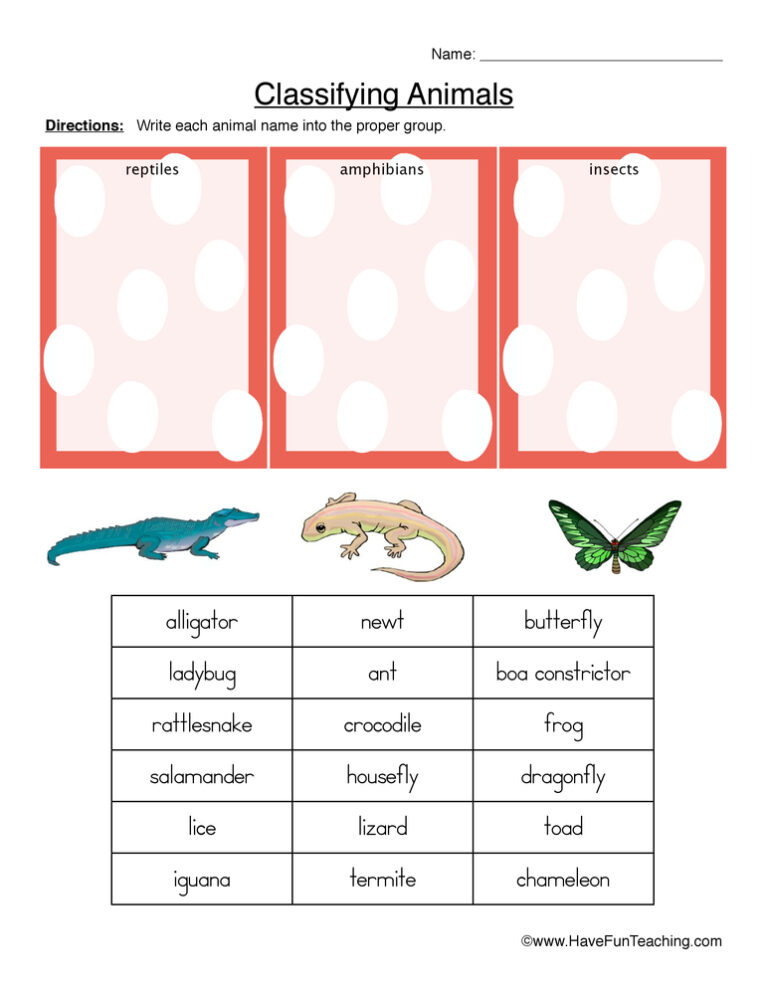
This Classifying Reptiles, Amphibians, or Insects Worksheet helps 3rd Grade students sort twelve animals by their traits and explain their thinking. An answer key is included, so checking work takes seconds.

Worksheet
Worksheet3rd GradeClassifying Types of Weather Worksheet

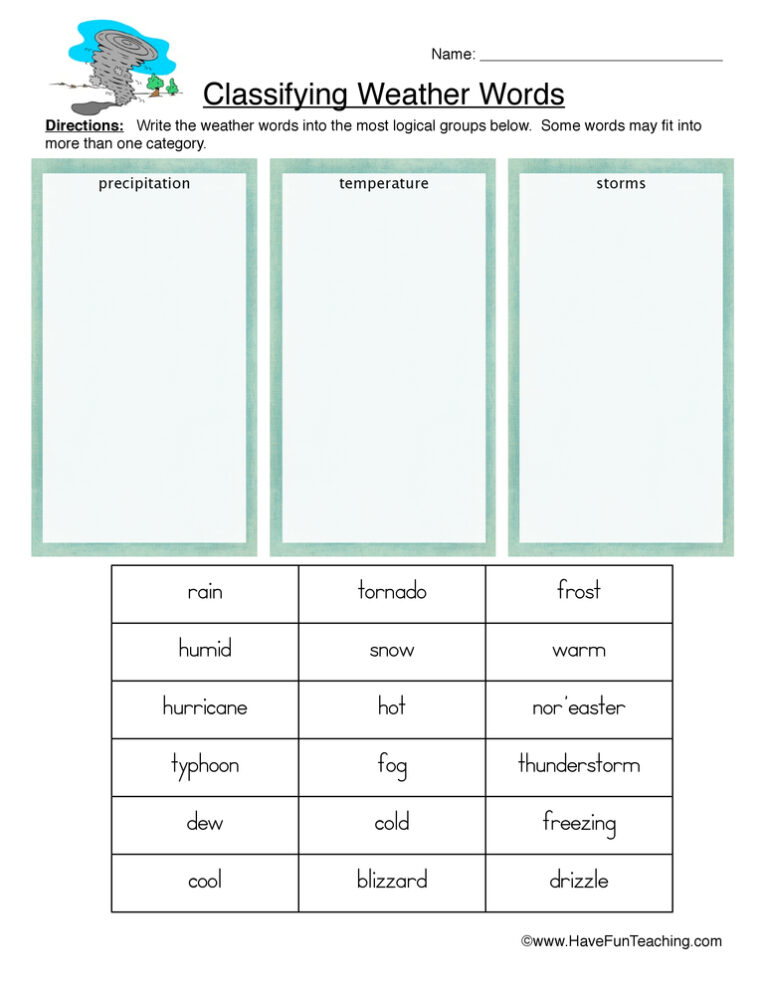
This classifying types of weather worksheet has 3rd Grade students sort twelve weather words into precipitation, temperature, and storms, then explain two answers. Answer key included.

Worksheet
Worksheet3rd GradeMammal Birds and Fish Worksheet

This classifying animals worksheet has 3rd grade students sort nine animals into birds, fish, and mammals and solve four clue riddles, with an answer key included so checking takes seconds.

From our teachers' playbook

Fur, feathers, scales and slime!

What do 3rd graders learn about classification?

Third graders learn that scientists sort living things by the traits they share, not by where they live or how big they are. They group animals into mammals, birds, fish, reptiles, amphibians and insects, and they back up every choice with evidence: hair + live babies + milk = mammal. Kids also learn that some animals break the "rules," like a bat that flies but is still a mammal. The click moment comes when a student stops guessing and says, "It has scales and lays eggs on land, so it's a reptile!"

Our favorite ways to make classification stick

Classification is all about noticing traits and defending your sort. These moves get kids talking like real scientists.

Sing the animal groups

Start the unit with the Animal Song and pause after each verse to ask, "What clue told us that group?" Kids remember the traits because the melody carries them. Replay it as a warm-up for the next few days and watch them sing the clues under their breath during work time.

Why it works: a catchy, repeating tune gives the brain a hook to hang words on, so sung text is remembered better (Wallace, 1994).

Animal Song (Animated Music Video)Try it withAnimal Song (Animated Music Video)SongsOpen it →

Match it, then prove it

Give each pair the matching sheet and one rule: you can't draw a line until you say the trait out loud. "Penguin goes with birds because it has feathers and a beak." The talking is where the learning happens.

Why it works: pairing a picture with each word gives kids two ways to remember it, a well-tested principle of how people learn (Mayer, 2009).

Animals Matching Classification WorksheetTry it withAnimals Matching Classification WorksheetWorksheetsOpen it →

Mix the groups on purpose

Once kids know each group alone, put mammals, birds and fish on one page. Mixed practice forces them to check every trait instead of coasting on a pattern. Tricky ones like whales and penguins make great discussion starters.

Why it works: shuffled practice teaches kids to choose the right strategy, not just repeat one, and it improved test scores in research (Rohrer and Taylor, 2007).

Mammal Birds and Fish WorksheetTry it withMammal Birds and Fish WorksheetWorksheetsOpen it →

Questions teachers and parents ask

What is classification in 3rd grade science?

It's sorting living things into groups based on shared traits. Third graders usually classify animals as mammals, birds, fish, reptiles, amphibians or insects, and explain the traits that put each animal in its group.

What are the main animal groups 3rd graders learn?

Most classrooms cover the vertebrate groups (mammals, birds, fish, reptiles and amphibians) plus insects. Some also introduce vertebrates versus invertebrates as a first big split.

Why is a whale a mammal and not a fish?

Whales breathe air with lungs, give birth to live babies and feed them milk. Those are mammal traits, even though whales live in water. It's one of the best "trick" animals for teaching that habitat doesn't decide the group.

How can I practice classification at home?

Sort a pile of animal toys or pictures together and ask your child to explain each choice. Then switch the rule, like "lays eggs" or "has a backbone," and sort again. Changing the rule builds flexible thinking.

What's the difference between reptiles and amphibians?

Reptiles have dry, scaly skin and lay eggs with shells on land. Amphibians have smooth, moist skin, usually lay soft eggs in water, and many change from a water-breathing baby to a land-dwelling adult, like a tadpole becoming a frog.