Skip to content
Start My 3 Free Days $0 today · cancel anytime

4th Grade Food Resources

5 4th grade food resources: 3 flash cards, 1 activity, 1 worksheet and more. How teachers use these

4th Grade Food Resources

5 4th grade food resources: 3 flash cards, 1 activity, 1 worksheet and more. How teachers use these

Activity
Activity4th GradeDonut Cut Outs

These Donut Cut Outs quickly give you templates that can be easily cut and applied for classroom decoration or student activities

Flash Cards
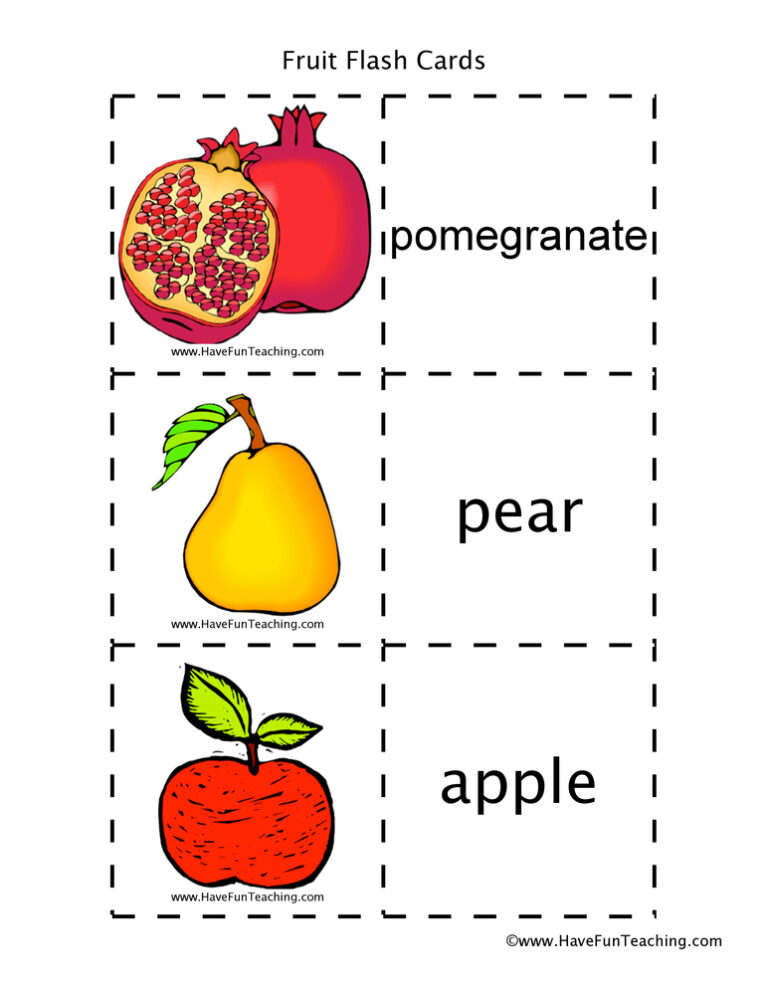
Flash Cards4th GradeFruit Flash Cards

Using these Fruit Flash Cards, students improve their fruit vocabulary by describing the colorful flash cards.

Flash Cards
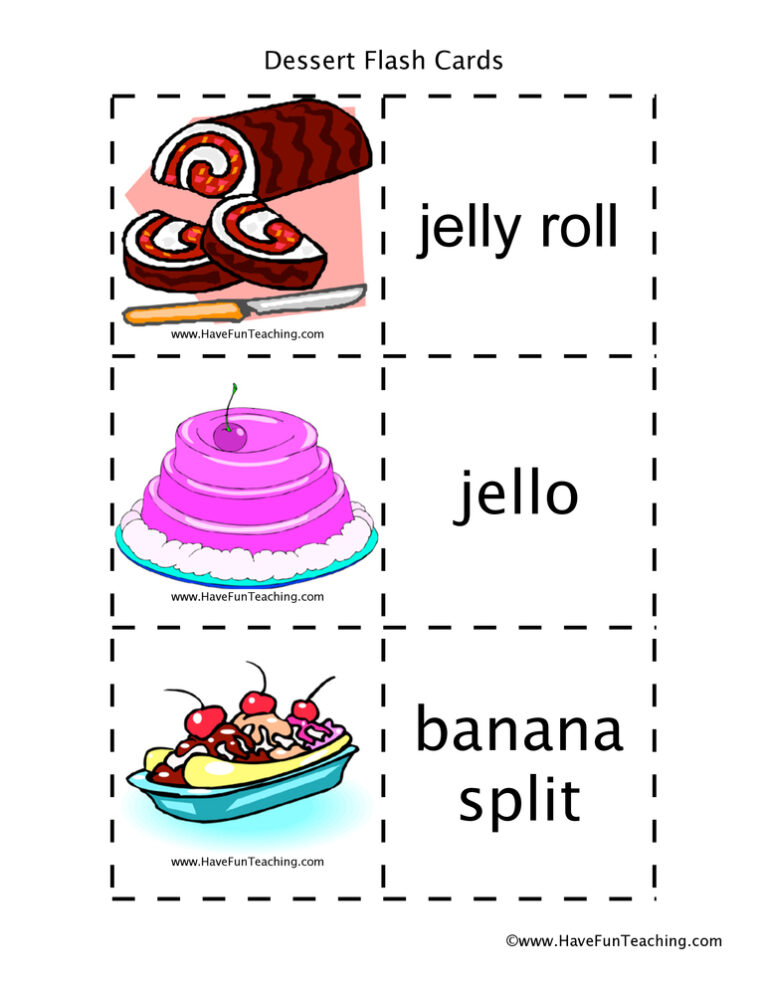
Flash Cards4th GradeDessert Flash Cards

Using these Dessert Flash Cards, students improve their dessert vocabulary by describing the colorful flash cards.

Flash Cards
Flash Cards4th GradeApple Theme Flash Cards

These apple theme flash cards teach 18 apple words with a picture on the front and the word inside. Made for Preschool to 4th Grade, with a practice page and answer key included.

Assessment
Assessment4th GradeWild Grapes Reading Comprehension Worksheet

Use this wild grapes reading comprehension worksheet to help 4th grade students read a nonfiction plant passage, answer text-based questions, and check their work with the included answer key.

From our teachers' playbook

Fuel up and figure it out

What do 4th graders learn about food?

Fourth graders learn that food is fuel: it gives our bodies energy to move, grow and think. They sort foods into groups like fruits, vegetables, grains, protein and dairy, and they learn what nutrients each group gives us, like protein for muscles and calcium for bones. They also trace where food comes from, back to plants that capture energy from the sun. The click comes when kids realize their breakfast cereal started as sunlight on a farm field!

Our favorite ways to teach food science

Everyone eats, so this unit is easy to connect to real life. These moves make it stick.

Sort the plate

Spread out fruit picture cards and have kids sort them by color, then by part of the plant (fruit, seed, root). Then ask them to add foods from other groups to build a balanced plate. Talking through why each card goes where builds real understanding.

Why it works: pairing a picture with each word gives kids two ways to remember it, a well-tested principle of how people learn (Mayer, 2009).

Fruit Flash CardsTry it withFruit Flash CardsFlash CardsOpen it →

Breakfast quick check

Flash a breakfast food card and ask "Which food group? What does it give your body?" Kids answer on whiteboards. A few minutes of retrieval each morning beats one long lesson on nutrients.

Why it works: researchers who compared ten study methods found practice testing is one of the two that work best (Dunlosky and colleagues, 2013).

Breakfast Flash CardsTry it withBreakfast Flash CardsFlash CardsOpen it →

Design a treat

Kids decorate a paper donut, then write how it fits in a healthy day: an everyday food or a sometimes food? It's a fun way to talk about balance without making any food a villain.

Why it works: going from real objects to pictures to symbols is a core recommendation of the U.S. Department of Education's elementary math guide.

Donut Cut OutsTry it withDonut Cut OutsActivitiesOpen it →

Questions parents and teachers ask

What do 4th graders learn about food in science?

They learn that food gives us energy and nutrients, how foods are grouped, and where food energy comes from. Many classes also connect food to food chains and plants making food from sunlight.

What are the main food groups for kids?

Fruits, vegetables, grains, protein foods and dairy. A balanced plate has foods from several groups, with fruits and vegetables filling about half.

How can I teach nutrition at home?

Read food labels together at the store and cook simple meals side by side. Ask your child to name the food groups on their plate at dinner. Real food makes the lesson stick.

Why do our bodies need food?

Food gives us energy to move and think, plus building materials to grow and repair. Different foods supply different nutrients, which is why variety matters.