
Skip to content
Start My 3 Free Days $0 today · cancel anytime

Food Resources

42 food resources: 26 worksheets, 16 assessments, 7 activities and more. How teachers use these

Food Resources

42 food resources: 26 worksheets, 16 assessments, 7 activities and more. How teachers use these

Worksheet
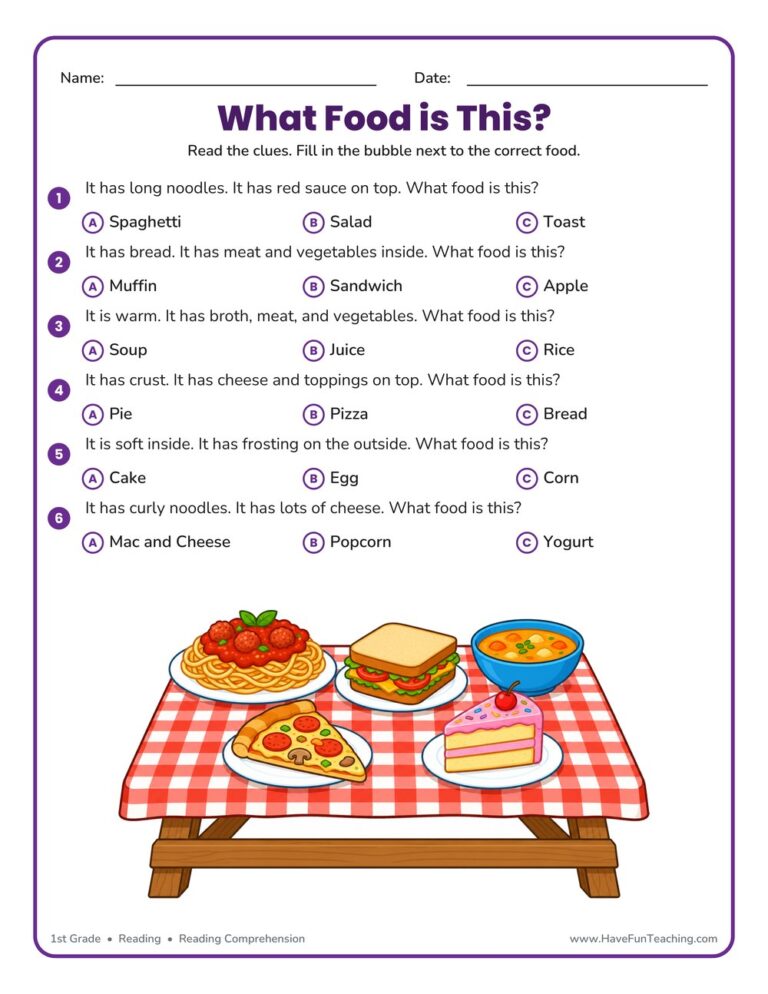
Worksheet1st GradeWhat Food is This Reading Comprehension Worksheet

This what food is this reading comprehension worksheet lets 1st graders read food clues and choose the correct food in six fun riddles. Includes a complete answer key — great for quick, no-prep reading practice.

Worksheet
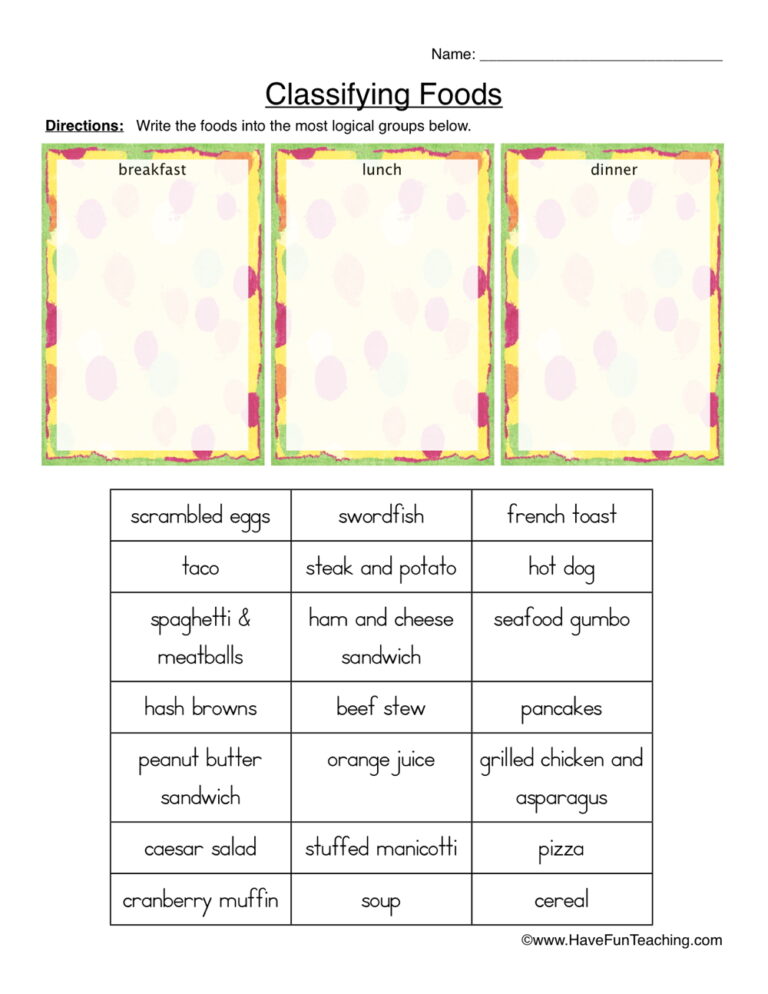
Worksheet1st GradeBreakfast, Lunch, or Dinner Classifying Food Worksheet

This Breakfast, Lunch, or Dinner Classifying Food Worksheet has 1st Grade students sort nine familiar foods into three meal columns. Answer key included, so sorting practice checks itself in minutes.

Activity
ActivityPreschoolDonut Cut Outs

These Donut Cut Outs quickly give you templates that can be easily cut and applied for classroom decoration or student activities

Worksheet
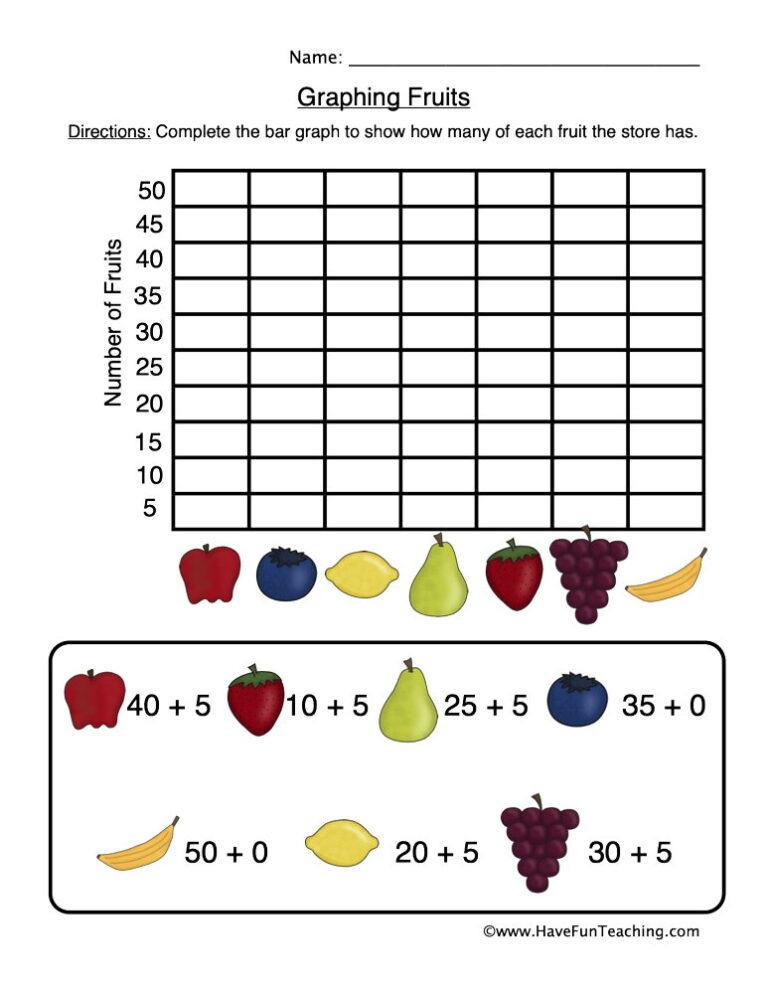
Worksheet1st GradeGraphing Fruits Worksheet

The Graphing Fruits Worksheet has 2nd grade students solve four addition facts, color a bar graph with their answers and read it to answer three questions, with a full answer key.

Assessment
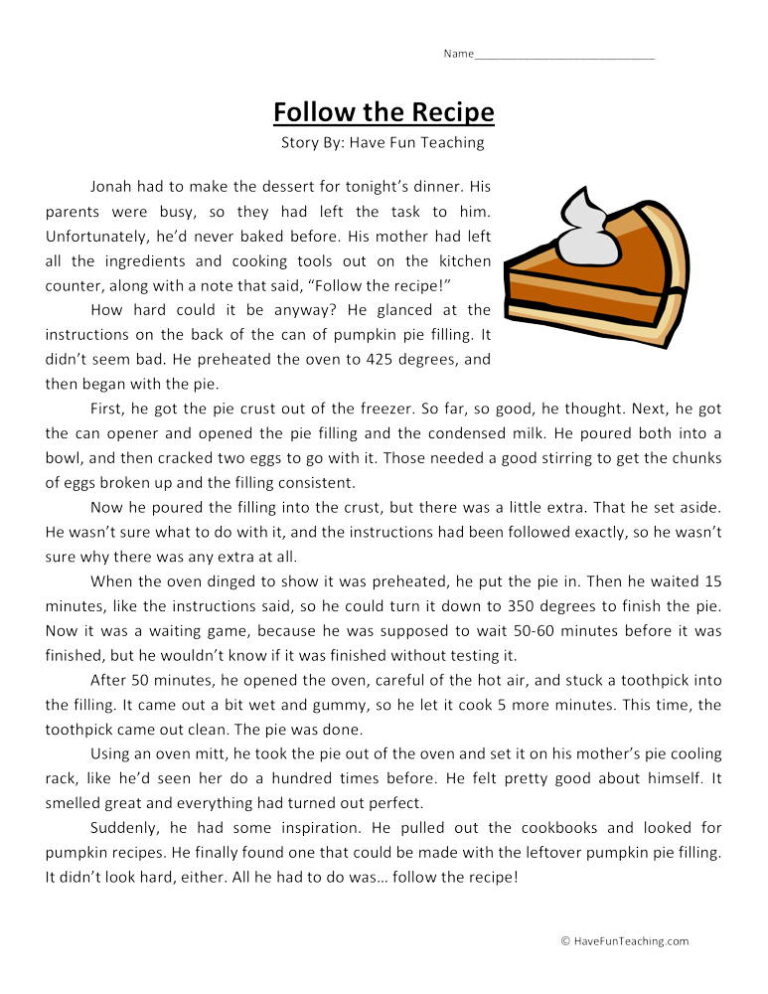
Assessment5th GradeFollow the Recipe Reading Comprehension Worksheet

This Follow the Recipe Reading Comprehension Worksheet gives 5th graders a two-page story about baking, plus questions on main idea, sequence, and cause and effect. An answer key is included, so checking work takes seconds.

Worksheet
Worksheet2nd GradeClassifying Proteins, Grains, Fruits and Veggies Worksheet

The Classifying Proteins, Grains, Fruits and Veggies Worksheet asks 2nd grade students to sort fifteen everyday foods into three labeled food groups. An answer key is included, so classifying practice checks itself.

Assessment
Assessment1st GradeResponding to the Text Worksheet

This Responding to the Text Worksheet gives 1st Grade readers a short pretzel passage and five text-evidence questions, answer key included, so students learn to find proof in what they read.

Worksheet
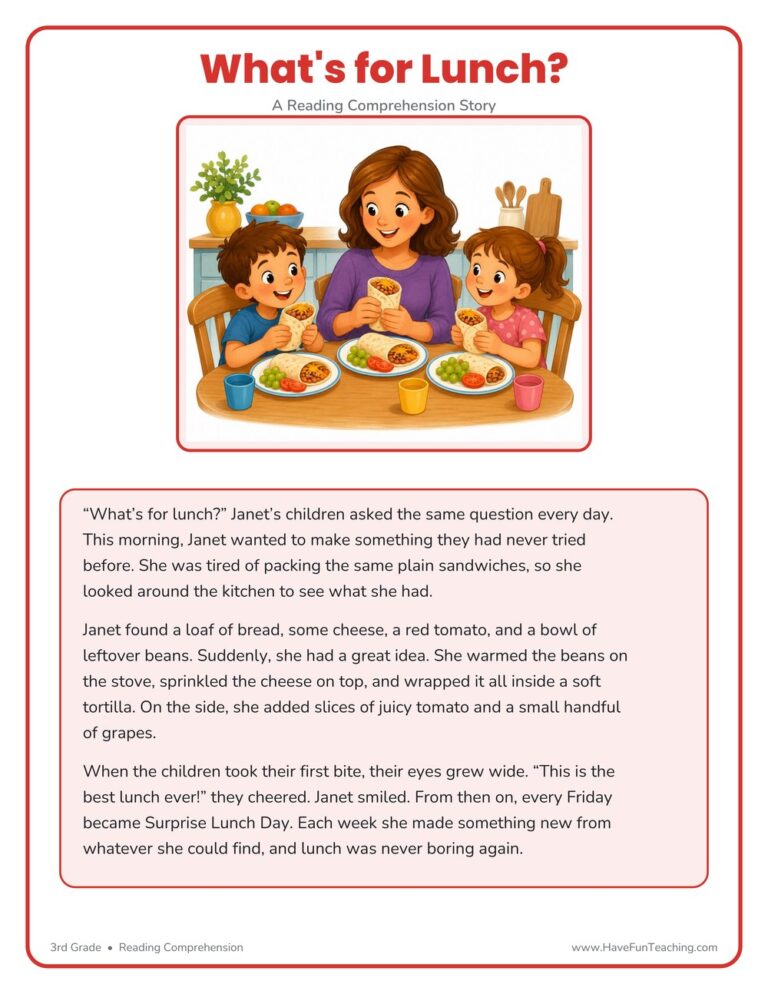
Worksheet3rd GradeWhat's For Lunch? Reading Comprehension Worksheet

The What’s for Lunch? Reading Comprehension Worksheet gives 3rd graders a fun story about a surprise lunch, with multiple-choice, fill-in-the-blank, and short-response questions. Answer key included for quick, no-prep reading practice.

Worksheet
Worksheet1st GradeFood Names Worksheet - Word Bank

This food names worksheet asks 1st graders to name nine pictured foods and write each word from a word bank. Answer key included, so it doubles as quick vocabulary and nutrition practice with no prep.

Flash Cards
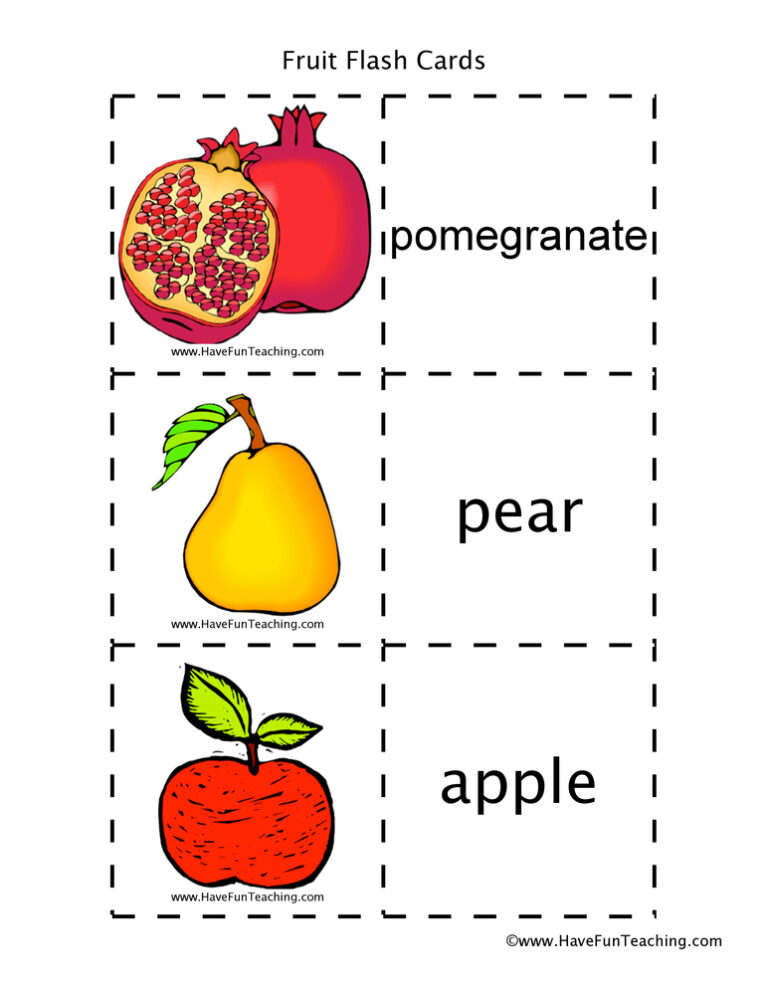
Flash CardsPreschoolFruit Flash Cards

These fruit flash cards help Preschool to 1st Grade children learn 18 fruit names with fold-over picture and word cards and color tags. A practice page and answer key are included.

Assessment
Assessment3rd GradePancakes Reading Comprehension Worksheet

The Pancakes Reading Comprehension Worksheet gives 3rd grade readers an original rhyming poem told by the pancake batter, four comprehension questions, a vocabulary item, a written response, and an answer key.

Assessment
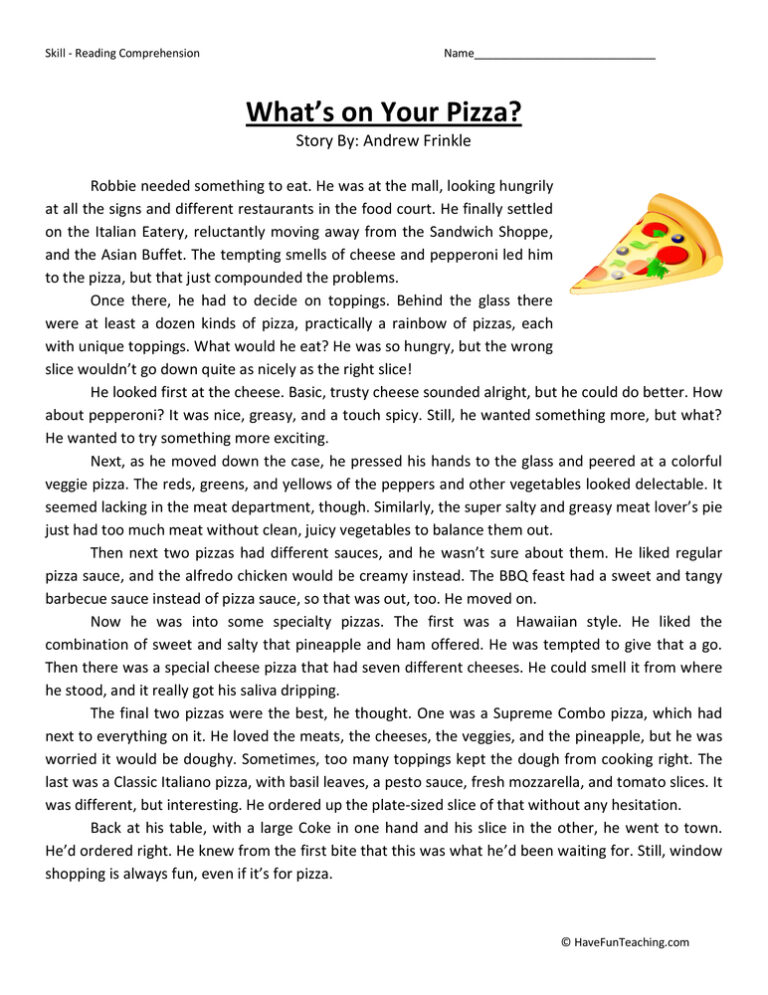
Assessment5th GradeWhat's On Your Pizza? Reading Comprehension Worksheet

This What's on Your Pizza? Reading Comprehension Worksheet gives 5th graders a two-page story about a homemade pizza night, plus multiple choice, vocabulary, and written response questions. An answer key is included, so comprehension practice takes no prep at all.

Assessment
Assessment5th GradeWhat is Kimchi? Reading Comprehension Worksheet

This kimchi reading comprehension worksheet gives 5th graders a two-page passage on how kimchi is fermented, four questions and a written response. An answer key is included.

Assessment
Assessment2nd GradeDozen Donuts - Reading Comprehension Worksheet

This dozen donuts reading comprehension worksheet gives 2nd grade students a short bakery story, four multiple-choice questions, and a written response. An answer key is included, so checking the work is quick.

Assessment
Assessment5th GradeSub Sandwich Reading Comprehension Worksheet

This Sub Sandwich Reading Comprehension Worksheet gives 5th grade readers a two page informational passage about how a sub is built, with five questions and an answer key that make evidence easy to check.

Assessment
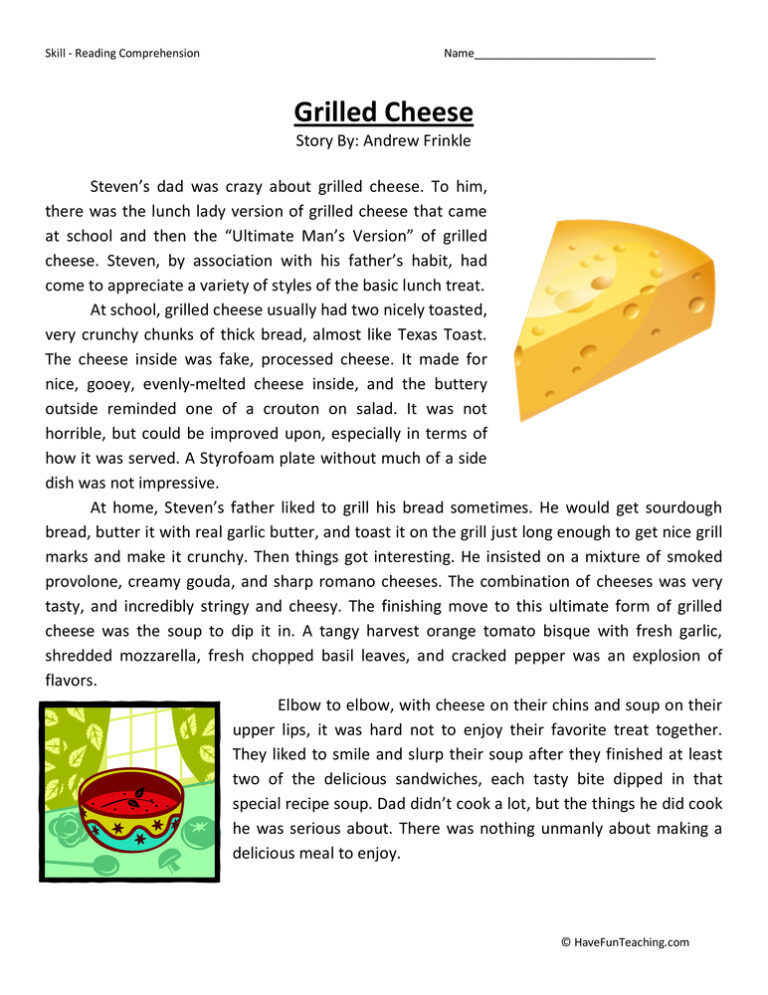
Assessment5th GradeGrilled Cheese - Reading Comprehension Worksheet

This grilled cheese reading comprehension worksheet gives 5th graders a two-page passage on the science of cooking a sandwich, four questions and a written response. An answer key is included.

Worksheet
Worksheet2nd GradeFavorite Apples Worksheet

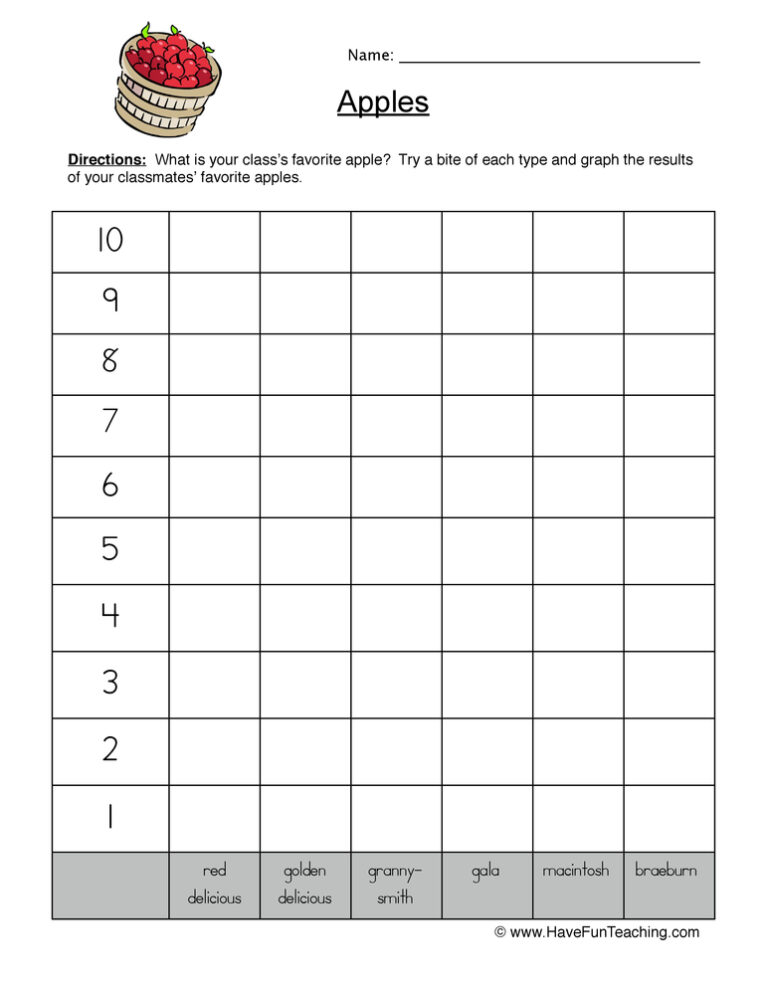
This favorite apples worksheet has 2nd grade students count tally votes, color a bar graph, and answer questions about the data. An answer key is included for easy checking.

Assessment
Assessment3rd GradeToo Much Soda Reading Comprehension Worksheet

The Too Much Soda Reading Comprehension Worksheet gives 3rd grade readers a nonfiction passage about what is really in soda, four comprehension questions, a vocabulary item, a written response, and an answer key.

Activity
ActivityKindergartenSupermarket Sweep Food Words Activity

Using Supermarket Sweep Food Words Activity, students practice reading high frequency words tocollect all of the food items on your shopping list.

Activity
ActivityPreschoolFruits and Vegetables Activity

This fruits and vegetables activity has preschool to 1st grade students sort food cards into a fruit basket or a soup pot with a spinner game. Answer key included.

From our teachers' playbook

Snack time is science time!

What do kids learn about food in science?

Food is one of the first science topics kids care about, because they eat it every day! Young learners sort foods into groups like fruits, vegetables, grains, proteins and dairy, and talk about why bodies need a mix of them. Older kids learn where food comes from (a farm, a tree, a sea) and that plants make their own food while animals have to eat it. The click moment comes when a child looks at their own lunch and says, "My sandwich has three food groups in it!"

Our favorite ways to teach food

Kids already have opinions about food, so we lean on that. These moves turn snack talk into real science thinking.

Sort the grocery bag

Bring in a bag of real (or pictured) groceries and have small groups sort them into proteins, grains, fruits and veggies. Then they glue or draw each item into the right column on paper. Touching and sorting first makes the categories stick way better than a list on the board.

Why it works: going from real objects to pictures to symbols is a core recommendation of the U.S. Department of Education's elementary math guide.

Classifying Proteins, Grains, Fruits and Veggies WorksheetTry it withClassifying Proteins, Grains, Fruits and Veggies WorksheetWorksheetsOpen it →

Fruit flash round

Hold up a fruit card and give kids three seconds to name it and tell where it grows: tree, vine or bush. Keep score against yesterday's class total. Short, fast rounds beat one long lesson, and kids love beating their own record.

Why it works: researchers who compared ten study methods found practice testing is one of the two that work best (Dunlosky and colleagues, 2013).

Fruit Flash CardsTry it withFruit Flash CardsFlash CardsOpen it →

Read the recipe, then check it

Food reading passages are sneaky science. Kids read a simple recipe, then answer questions about order, ingredients and amounts. Ask "What would happen if we skipped step 2?" and watch the predictions roll in.

Why it works: mixing different kinds of problems in one practice set helped students do far better on a later test (Rohrer and Taylor, 2007).

Follow the Recipe Reading Comprehension WorksheetTry it withFollow the Recipe Reading Comprehension WorksheetWorksheetsOpen it →

Questions teachers and parents ask

How do I teach food groups to kindergarten?

Start with real food or pictures and let kids sort them. Name one group at a time, like fruits, and ask kids to find examples in their own lunch. Hands-on sorting works far better than memorizing a chart.

What age do kids learn about healthy eating?

Most kids start learning about food groups and healthy choices in preschool and kindergarten. By 2nd and 3rd grade they can read simple food labels and explain why a balanced plate matters.

How can I make a food unit hands-on?

Bring in grocery items or flyers to sort, follow a no-cook recipe together, and graph the class's favorite foods. Each one turns food into a science or math activity kids can touch.

Are these food worksheets printable?

Yes! Every worksheet, activity and flash card set here is a printable PDF. Members get the whole library, so you can mix reading passages, sorting pages and games across a full food unit.

Keep exploring



