Skip to content
Start My 3 Free Days $0 today · cancel anytime

3rd Grade Food Resources

14 3rd grade food resources: 6 worksheets, 3 activities, 3 assessments and more. How teachers use these

3rd Grade Food Resources

14 3rd grade food resources: 6 worksheets, 3 activities, 3 assessments and more. How teachers use these

Activity
Activity3rd GradeDonut Cut Outs

These Donut Cut Outs quickly give you templates that can be easily cut and applied for classroom decoration or student activities

Worksheet
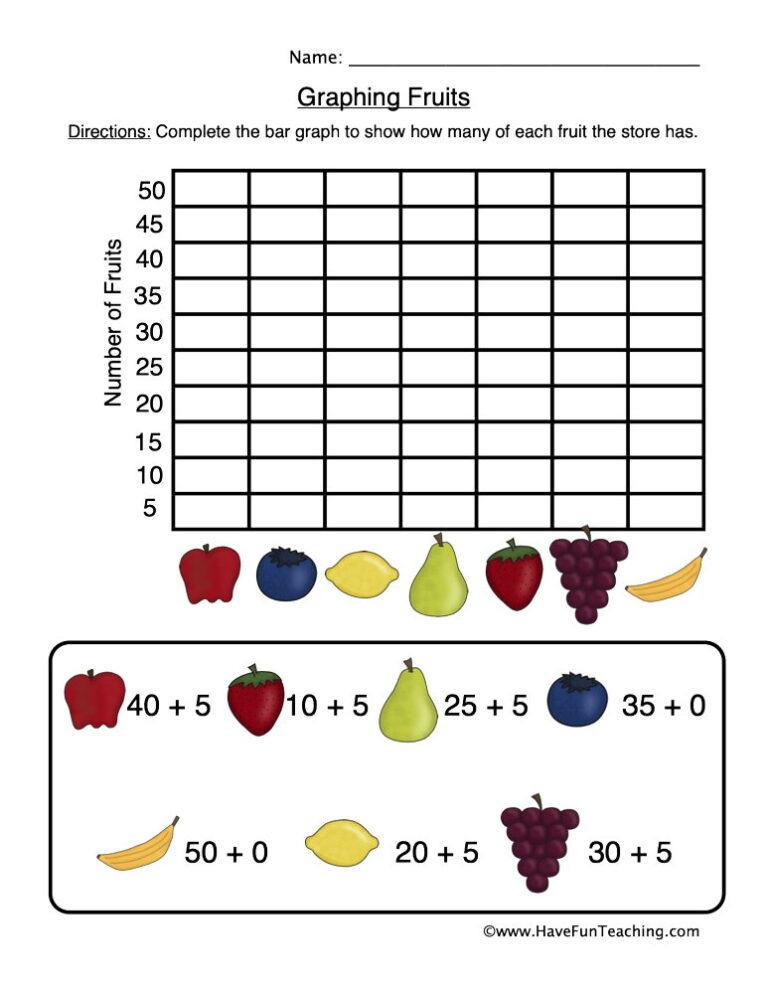
Worksheet3rd GradeGraphing Fruits Worksheet

The Graphing Fruits Worksheet has 2nd grade students solve four addition facts, color a bar graph with their answers and read it to answer three questions, with a full answer key.

Worksheet
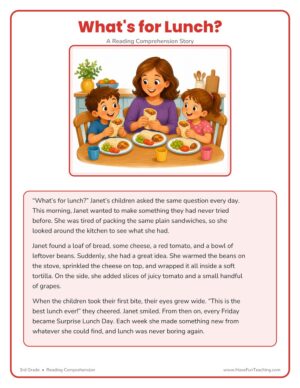
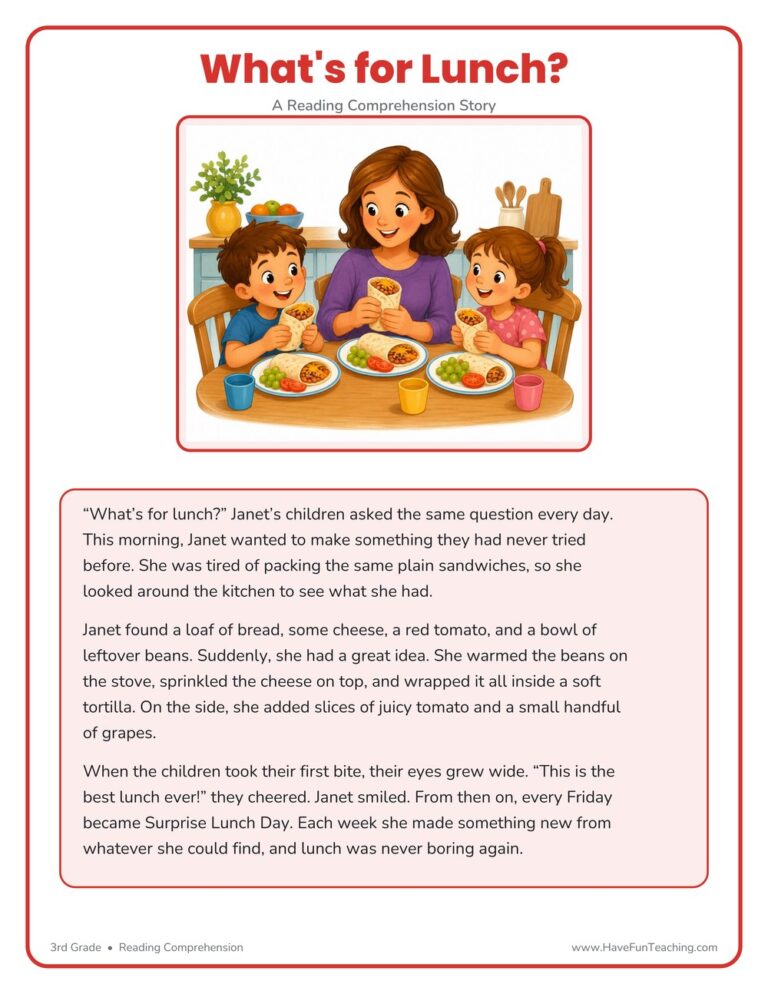
Worksheet3rd GradeWhat's For Lunch? Reading Comprehension Worksheet

The What’s for Lunch? Reading Comprehension Worksheet gives 3rd graders a fun story about a surprise lunch, with multiple-choice, fill-in-the-blank, and short-response questions. Answer key included for quick, no-prep reading practice.

Assessment
Assessment3rd GradePancakes Reading Comprehension Worksheet

The Pancakes Reading Comprehension Worksheet gives 3rd grade readers an original rhyming poem told by the pancake batter, four comprehension questions, a vocabulary item, a written response, and an answer key.

Flash Cards
Flash Cards3rd GradePlants We Eat Flash Cards

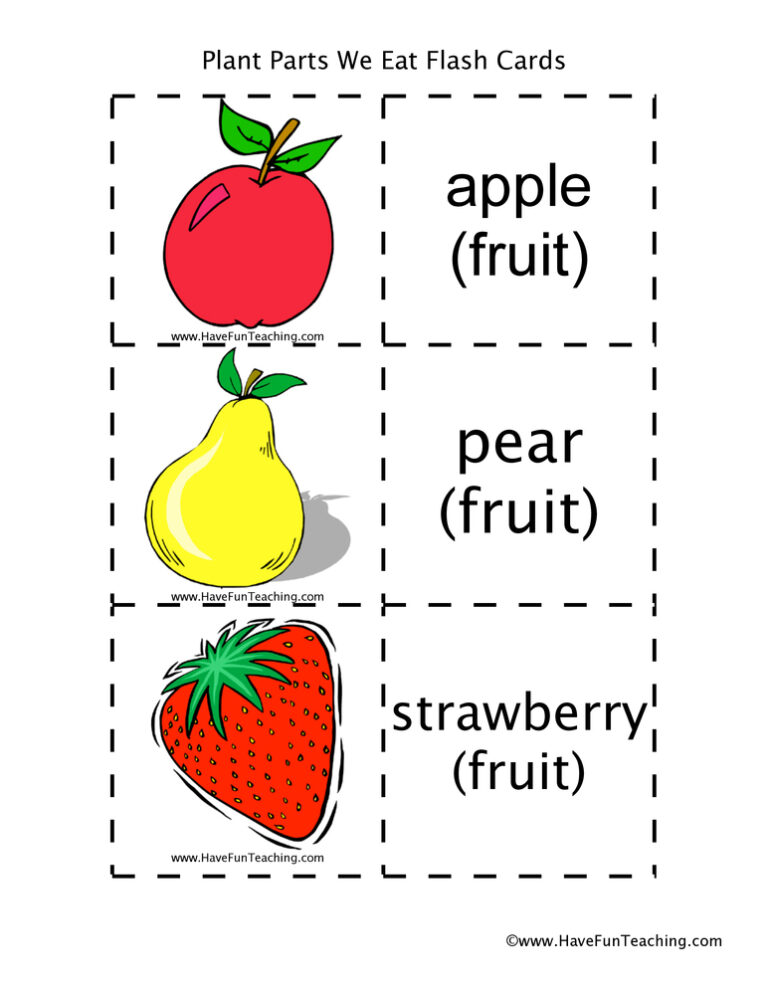
Plants we eat flash cards help Kindergarten to 3rd grade children match 18 foods to the root, stem, leaf, flower, fruit or seed we eat. Answer key included for quick, confident checking.

Assessment
Assessment3rd GradeToo Much Soda Reading Comprehension Worksheet

The Too Much Soda Reading Comprehension Worksheet gives 3rd grade readers a nonfiction passage about what is really in soda, four comprehension questions, a vocabulary item, a written response, and an answer key.

Flash Cards
Flash Cards3rd GradeDessert Flash Cards

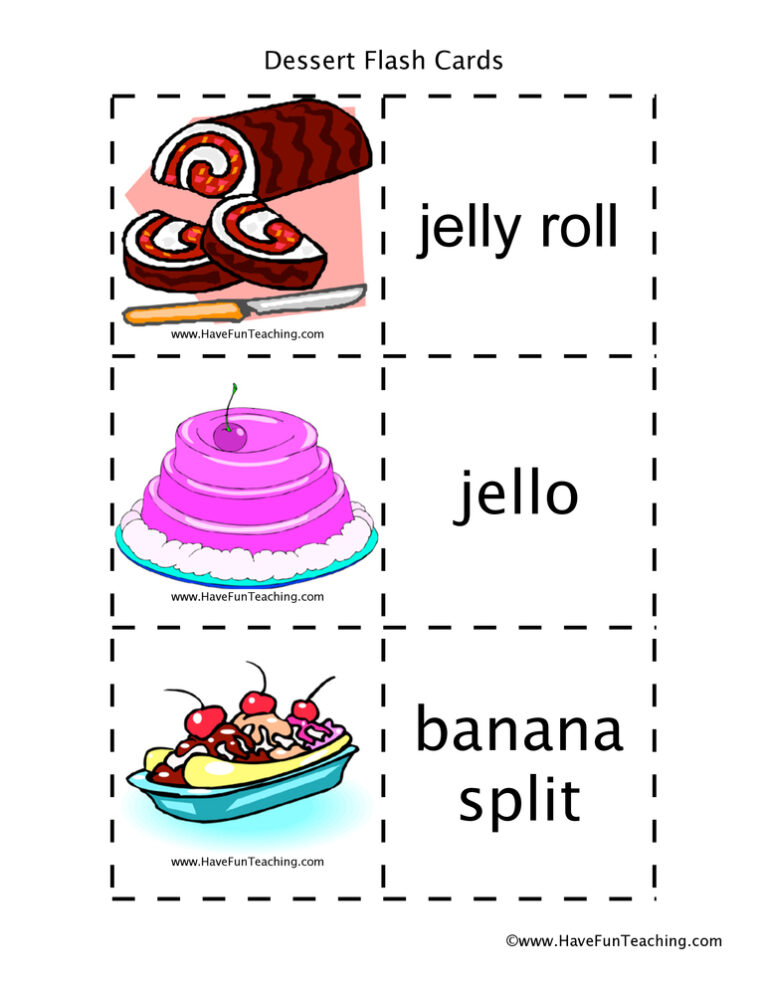
Using these Dessert Flash Cards, students improve their dessert vocabulary by describing the colorful flash cards.

Flash Cards
Flash Cards3rd GradeApple Theme Flash Cards

These apple theme flash cards teach 18 apple words with a picture on the front and the word inside. Made for Preschool to 4th Grade, with a practice page and answer key included.

Assessment
Assessment3rd GradeHow to Make Eskimo Cookies Reading Comprehension Worksheet

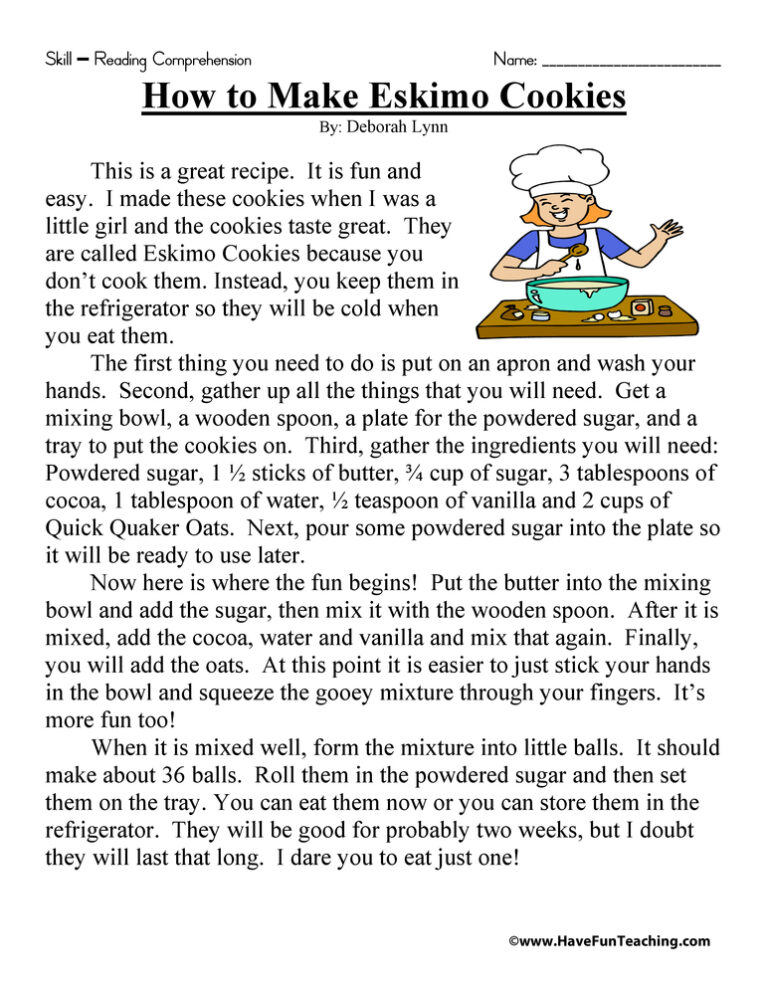
This How to Make Eskimo Cookies Reading Comprehension Worksheet gives 3rd graders a no-bake recipe to read, four multiple-choice questions, a short-response item about sequence, and an answer key.

Workbook
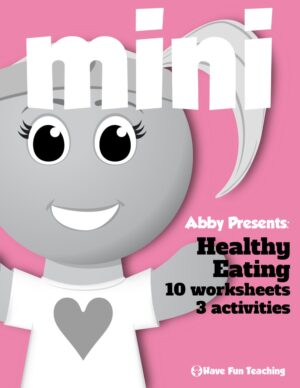
Workbook3rd GradeHealthy Eating Mini Pack

Using this Healthy Eating Mini Pack, students learn about Healthy Eating through ten fun worksheets and three activities.

3rd GradeFruits and Vegetables Desk Name Tags

These Fruits and Vegetables Desk Name Tags are a perfect way for your students to identify their desks and practice spelling their name with a food theme.

Worksheet
Worksheet3rd GradeWild Grape Jelly Reading Comprehension Worksheet

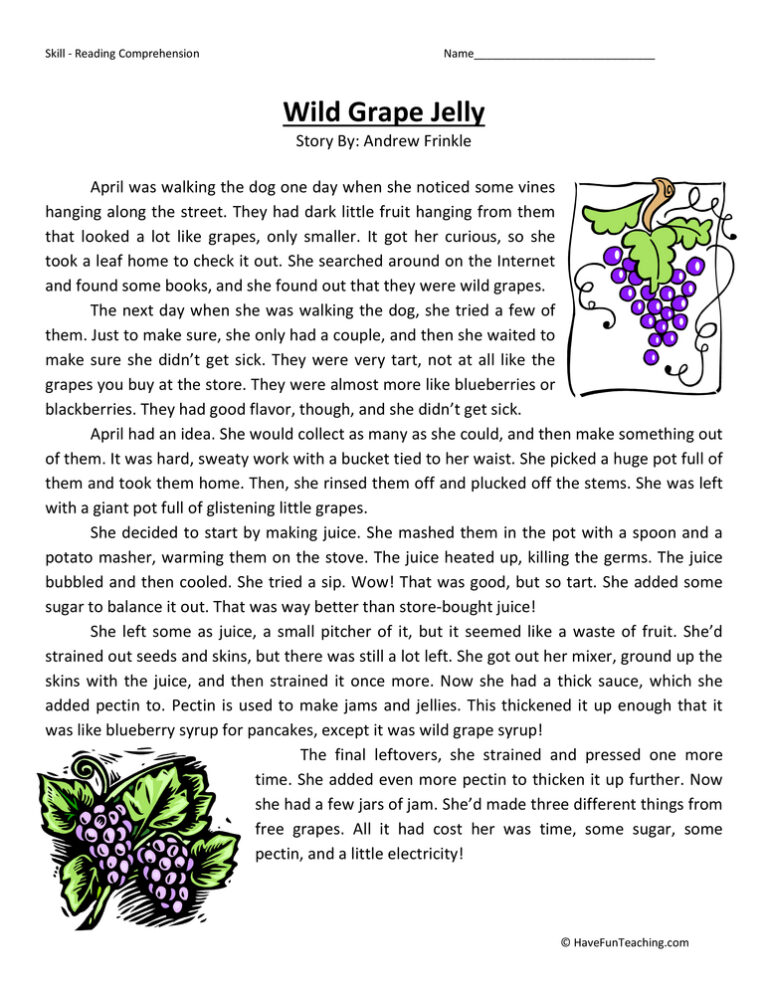
The Wild Grape Jelly Reading Comprehension Worksheet gives 3rd grade readers an original story about turning wild grapes into jelly, with four multiple-choice questions, a short response and an answer key to build text-evidence skills.

Activity
Activity3rd GradeMama Mia Commutative Property Addition Activity

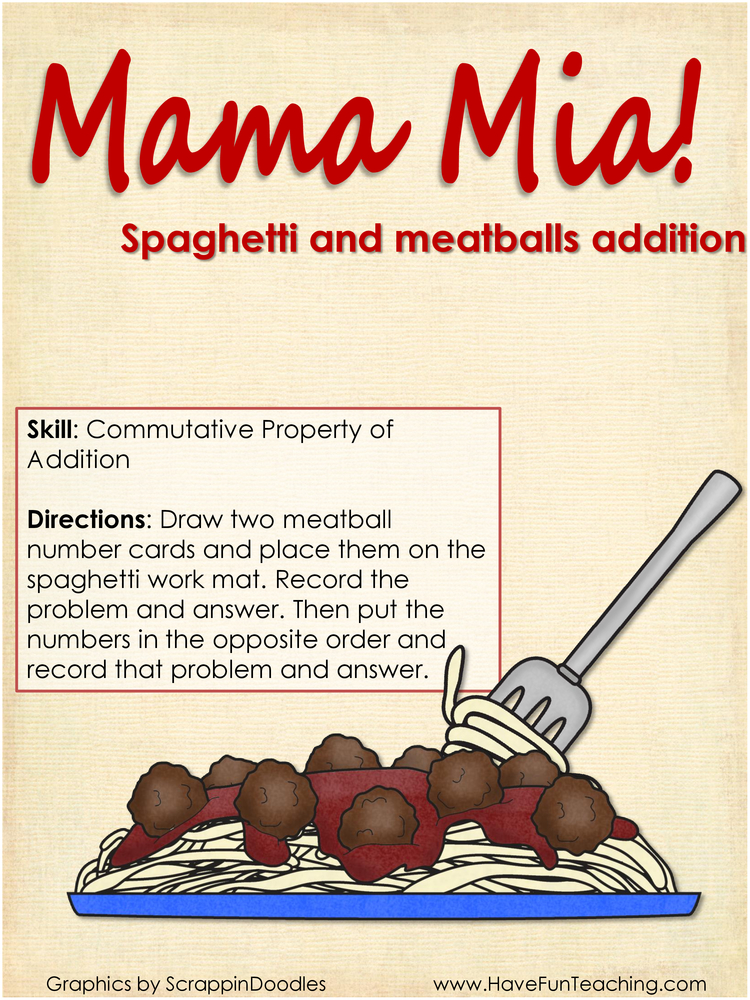
Using thisMama Mia Commutative Property Addition Activity, students practice the Commutative Property of Addition by writing equations in any order.

Activity
Activity3rd GradeLet's Eat Fresh Fruit Blends Activity

UsingLet's Eat Fresh Fruit Blends Activity, students write examples of words with beginning blends to include in their writing.

From our teachers' playbook

Where it grows and what it does

What do 3rd graders learn about food?

In 3rd grade, food becomes a science question: where does it come from, and what does it do for our bodies? Kids learn that plants make their own food using sunlight, and that every bite we take traces back to a plant, even a cheeseburger! They sort foods into groups like fruits, vegetables, grains, protein and dairy, and learn why a balanced plate gives us energy to grow and play. They also discover which plant parts we eat: carrots are roots, celery is a stem, and spinach is leaves. The click moment comes when a child looks at lunch and starts naming the plants and animals hiding in it.

Our favorite ways to teach food science

Food is the one science topic every kid has a personal stake in. These moves turn lunch into a lab.

Build a balanced plate

Kids cut out pictures of foods and build their dream dinner on a plate template. Then they check it: is every food group there? They swap one item to balance it out and explain why. It is real nutrition reasoning, and they love a do-over.

Why it works: kids understand an idea best when they touch it, then draw it, then write it, the order the U.S. Department of Education recommends for elementary math.

My Food Plate Nutrition ActivityTry it withMy Food Plate Nutrition ActivityActivitiesOpen it →

Root, stem or leaf?

Flash a plant we eat and have kids hold up fingers: one for root, two for stem, three for leaf, four for fruit or seed. Quick rounds like this beat rereading notes, and the surprises (broccoli is a flower!) get everyone talking.

Why it works: pulling an answer out of memory makes it stick far better than rereading it, one of the strongest findings in learning research (Dunlosky and colleagues, 2013).

Plants We Eat Flash CardsTry it withPlants We Eat Flash CardsFlash CardsOpen it →

Mix the skills in one pack

Rotate a reading passage, a sorting page and a short quiz from one healthy eating pack across the week. Mixing question types keeps kids thinking instead of copying, and it shows what they really understand.

Why it works: mixing different kinds of problems in one practice set helped students do far better on a later test (Rohrer and Taylor, 2007).

Healthy Eating Mini PackTry it withHealthy Eating Mini PackWorkbooksOpen it →

Food science questions for 3rd grade

What do 3rd graders learn about food in science?

They learn where food comes from, how plants make food from sunlight, and why our bodies need a mix of food groups. Many classes also cover which plant parts we eat and how food gives animals and people energy.

What are the main food groups for kids?

Fruits, vegetables, grains, protein and dairy. A balanced plate has a little from each, with fruits and vegetables filling about half of it.

How do I teach healthy eating without making kids feel bad about food?

Talk about "sometimes foods" and "every day foods" instead of good and bad. Focus on energy and growing strong, and celebrate trying new foods rather than criticizing lunchboxes.

What is a fun food science activity for 3rd grade?

Sorting plants we eat by plant part is a classroom hit. Bring in a carrot, celery, lettuce, broccoli and an apple and let kids decide which part of the plant each one is.